Best Bitters for Old Fashioned? Bartenders Recommend
Best Bitters for Old Fashioned? Bartenders Recommend
The Old Fashioned stands as one of cocktail culture’s most iconic drinks, and its complexity hinges entirely on one crucial ingredient: bitters. Whether you’re crafting this classic at home or ordering at your favorite bar, understanding which bitters elevate an Old Fashioned from good to exceptional is essential knowledge. Professional bartenders across the globe have perfected their techniques, and they consistently point to specific bitters brands and styles that deliver the perfect balance of spice, warmth, and aromatic depth this sophisticated cocktail demands.
Bitters are concentrated botanical infusions that add flavor complexity, balance sweetness, and create the signature taste profile that makes an Old Fashioned memorable. Unlike casual drink components, bitters function as the soul of this drink, transforming simple ingredients like whiskey, sugar, and water into something truly extraordinary. Understanding the nuances between different bitter varieties will empower you to customize your Old Fashioned experience and impress guests with your bartending knowledge.

Understanding Bitters in the Old Fashioned
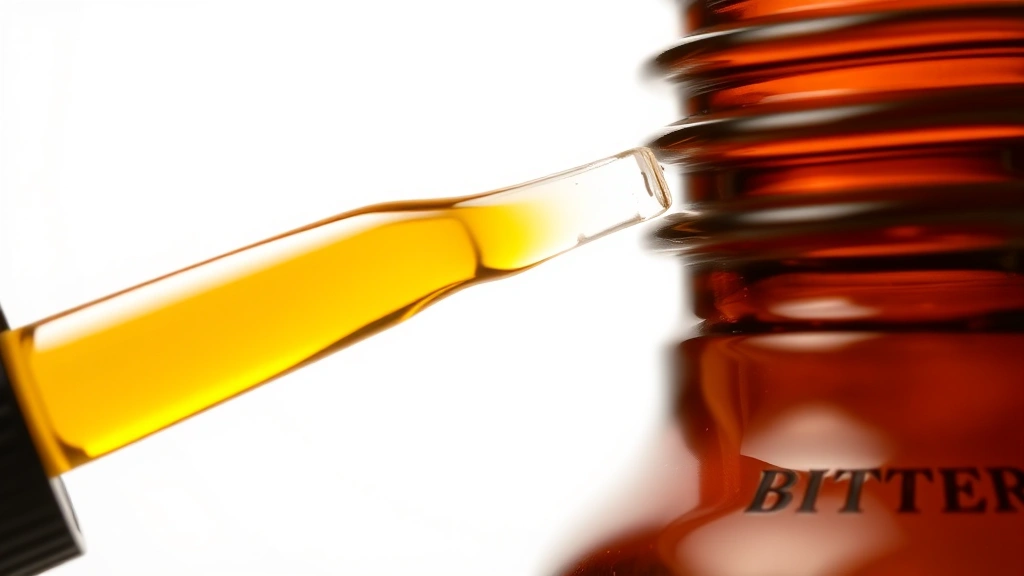
Bitters represent the backbone of classic cocktail craftsmanship, and their role in an Old Fashioned cannot be overstated. These potent botanical extracts contain alcohol, water, and carefully selected herbs, spices, and roots that have been macerated together to create concentrated flavor bombs. A single dash or two of quality bitters can completely transform your drinking experience, adding layers of complexity that make each sip more interesting than the last.
The history of bitters traces back to the 19th century when they were originally created as medicinal tonics. Bartenders quickly recognized their potential to enhance cocktails, and the Old Fashioned became one of the first drinks to showcase their transformative power. When you understand the history and evolution of classic beverages, you gain appreciation for how thoughtfully constructed these recipes truly are.
The flavor profile of bitters works through several mechanisms. The aromatic compounds provide immediate sensory impact on your palate, while the spice elements warm your mouth and create a lingering finish. Additionally, bitters contain tannins that add structure and help balance the sweetness of sugar and the heat of spirits, creating a more harmonious final drink. Professional bartenders understand that the right bitters choice can mean the difference between a one-dimensional drink and a complex, memorable experience.
Quality matters enormously when selecting bitters. Premium options use natural ingredients and traditional production methods, while lower-quality versions often contain artificial flavoring agents that can taste harsh or chemical. Investing in quality bitters is one of the most impactful ways to improve your home bar and elevate your cocktail game without requiring expensive spirits or specialized equipment.
Angostura: The Classic Choice
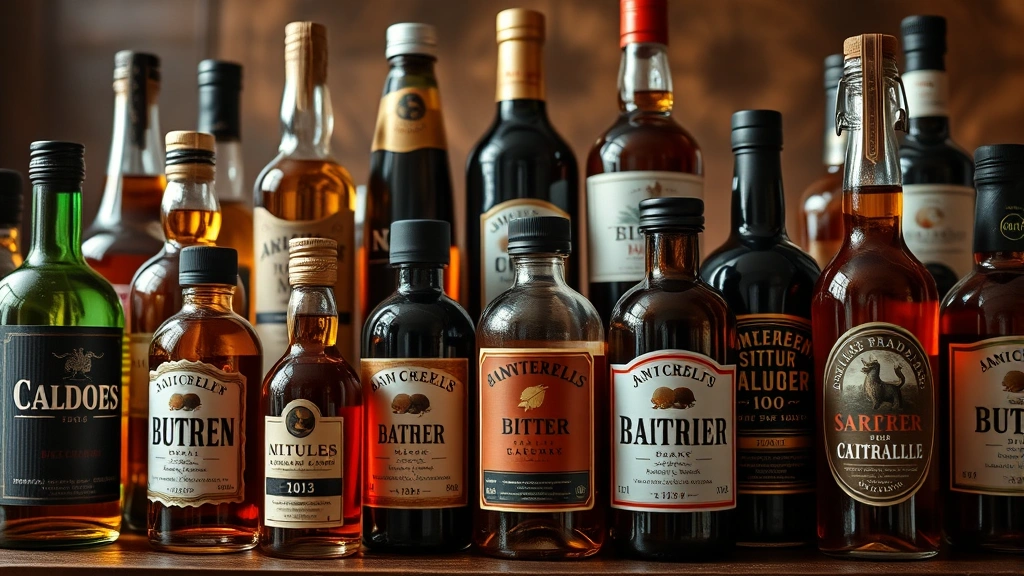
When bartenders discuss the best bitters for Old Fashioned, Angostura inevitably dominates the conversation. This legendary product has been produced in Trinidad and Tobago since 1824 using a closely guarded secret formula that remains unchanged to this day. The distinctive bottle with its oversized label has become synonymous with quality cocktail preparation, and for good reason.
Angostura bitters deliver a complex flavor profile dominated by warm spice notes including cinnamon, clove, and cardamom, with subtle citrus undertones that brighten without overwhelming. These characteristics make Angostura the ideal choice for traditional Old Fashioned recipes where you want the whiskey to shine while adding sophisticated depth. The flavor compounds integrate seamlessly with bourbon or rye, creating a unified drinking experience rather than distinct, competing flavors.
The reason Angostura works so effectively in Old Fashioneds relates to its aromatic intensity and the way its spice profile complements aged spirits. A single dash provides enough flavor impact to be noticeable, while two dashes create the perfect balance most bartenders recommend. The bitters don’t overpower the whiskey; instead, they enhance and expand its natural characteristics, allowing you to appreciate the spirit more fully.
Professional bartenders appreciate Angostura for its consistency and reliability. When you order an Old Fashioned at a quality establishment, you can expect Angostura to be behind the bar. This widespread availability makes it the practical choice for home bartenders building their first collection, and its reasonable price point means you can experiment without significant financial investment.
Peychaud’s Bitters and Creole Influence
Peychaud’s bitters represent a distinctly different approach to bitter production, originating from New Orleans’ vibrant cocktail culture rather than international pharmaceutical traditions. Created in the 1830s by Antoine Amédée Peychaud, a Creole apothecary, these bitters showcase a lighter, more delicate flavor profile compared to Angostura’s bold spice character.
The signature notes in Peychaud’s include anise, cherry, and subtle licorice undertones that create a sweeter, more aromatic impression on the palate. Some bartenders prefer Peychaud’s in Old Fashioneds because these flavor characteristics add a different dimension, particularly when working with lighter whiskeys or rye spirits. The anise notes can create an interesting interplay with bourbon’s natural vanilla and oak characteristics, producing a more nuanced final product.
Using Peychaud’s in an Old Fashioned represents a more contemporary approach to the classic recipe. While traditionalists stick with Angostura, innovative bartenders appreciate Peychaud’s ability to create different flavor conversations within the same basic drink structure. The choice between Angostura and Peychaud’s often comes down to personal preference and which whiskey you’re using. Understanding how different elements interact applies equally to cocktail construction as it does to broader systems thinking.
Peychaud’s also offers a lower alcohol content than Angostura, which some bartenders view as an advantage because it means the bitters themselves contribute less heat to the drink, allowing other flavors to emerge more clearly. This characteristic makes Peychaud’s particularly appealing when you’re working with premium, expensive whiskeys where you want the spirit’s original character to remain prominent.
Fee Brothers and Artisanal Options
The craft cocktail movement has sparked tremendous innovation in the bitters category, with Fee Brothers leading the charge toward diverse, specialized options. This family-owned Rochester, New York company produces over thirty different bitters varieties, allowing bartenders to customize Old Fashioneds with remarkable precision and creativity.
Fee Brothers’ Old Fashioned Bitters specifically target this classic drink, combining aromatic spice notes with subtle sweetness that many bartenders find superior to traditional options for this particular cocktail. Their Whiskey Barrel Aged Bitters add an additional layer of complexity, introducing notes that echo the oak aging process of quality whiskeys, creating an almost synergistic flavor effect.
Beyond Fee Brothers, numerous artisanal producers now offer specialized bitters designed for specific drinks or flavor profiles. Regan’s Orange Bitters has become the gold standard for orange bitters in Old Fashioneds, adding bright citrus notes without the chemical aftertaste common in lesser products. Scrappy’s Bitters from San Francisco represents another quality option, with their aromatic bitters providing a well-balanced alternative to Angostura that many bartenders appreciate for its slightly different spice emphasis.
Exploring sustainable production methods in craft bitters manufacturing reveals that many artisanal producers prioritize environmental responsibility alongside quality. Supporting these smaller producers often means investing in bitters crafted with organic botanicals and sustainable practices, allowing you to feel good about your purchasing decisions while enjoying superior flavor.
The variety available through artisanal producers means you can experiment and discover personal preferences. Some people prefer the warming spice of Fee Brothers’ Whiskey Barrel Aged Bitters, while others find that Regan’s Orange Bitters creates the perfect balance they’ve been seeking. Building a home bar collection with multiple bitters options allows you to customize drinks based on the specific whiskey you’re using and your current flavor preferences.
Orange Bitters and Modern Variations
Contemporary bartenders frequently incorporate orange bitters into their Old Fashioned recipes, either in addition to or as a partial replacement for traditional aromatic options. This trend reflects a broader movement toward brighter, more citrus-forward flavor profiles in classic cocktails, and many find this approach particularly appealing.
Orange bitters add a natural citrus brightness that complements whiskey’s inherent sweetness while cutting through the drink’s richness with refreshing acidity. The flavor works especially well with rye whiskey, where the spice notes in the spirit interact beautifully with citrus aromatics. Regan’s Orange Bitters remain the professional standard, created using a traditional recipe and natural ingredients that deliver authentic orange flavor without artificial notes.
Some innovative bartenders create house-made orange bitters or experiment with other citrus varieties like grapefruit or lemon bitters to create personalized Old Fashioned variations. While these modern interpretations move away from the classic recipe, they represent legitimate explorations of flavor that can produce genuinely delicious results. The key is understanding why each choice matters and making intentional decisions rather than random substitutions.
The combination of Angostura and orange bitters has become increasingly popular in upscale cocktail bars, where bartenders use roughly equal measures of each to create a more balanced, aromatic Old Fashioned. This approach appeals to customers who find traditional recipes either too spice-forward or too whiskey-dominant, offering a middle ground that highlights different aspects of the drink.
How to Choose Your Perfect Bitters
Selecting the right bitters for your Old Fashioned depends on several interconnected factors that work together to create your ideal drinking experience. Understanding these variables empowers you to make informed choices rather than simply following recommendations without context.
First, consider your whiskey selection. Bourbon and rye spirits have distinctly different flavor profiles that interact differently with various bitters. Bourbon’s natural vanilla and caramel notes pair beautifully with Angostura’s warm spices, creating a harmonious combination. Rye whiskey’s peppery, spicy character often benefits from the brightness of orange bitters or the subtlety of Peychaud’s, which don’t compete with the spirit’s existing spice complexity. Matching your bitters choice to your whiskey ensures the final drink feels cohesive rather than disjointed.
Your personal flavor preferences matter tremendously. If you enjoy warm, spiced drinks, Angostura or Fee Brothers’ Whiskey Barrel Aged Bitters will likely satisfy you. If you prefer brighter, more refreshing cocktails, orange bitters or Peychaud’s might align better with your palate. Don’t hesitate to experiment with small bottles from multiple producers to discover which flavors genuinely excite you, rather than simply choosing what bartenders recommend.
Consider also the context of your drinking. Bitters selections that work beautifully for evening aperitif drinks might feel too heavy for afternoon sipping. The time of year matters as well; some bartenders rotate their bitters choices seasonally, using spice-forward options in winter and brighter citrus-based bitters in summer. This thoughtful approach to seasonal drinking connects to broader sustainable living practices by encouraging you to work with natural seasonal rhythms.
Budget considerations are legitimate factors in your decision. While quality bitters don’t require enormous financial investment, you’ll notice meaningful differences between budget options and premium brands. Investing in one excellent bottle of Angostura or Regan’s Orange Bitters will serve you far better than purchasing multiple mediocre options. A single quality bottle will last for months or years of regular use, making the per-drink cost negligible compared to the quality improvement.
Bartender Techniques and Tips
Professional bartenders employ specific techniques that maximize the impact of your bitters choice and ensure optimal flavor integration in each Old Fashioned. Understanding these methods will dramatically improve your home bartending results.
The preparation sequence matters significantly. Quality bartenders add bitters to the glass first, before any other ingredients, then add a small amount of water or ice to begin dissolving and distributing the bitters evenly. This approach ensures the flavor compounds disperse throughout the drink rather than concentrating in one area. Next comes the sugar cube or simple syrup, which you gently muddle or stir to combine with the bitters, creating a paste-like base that flavors the entire drink.
Temperature control influences flavor perception and how bitters integrate into your cocktail. Using large, single ice cubes rather than multiple small pieces means slower dilution and more controlled flavor development as the ice melts gradually. Some bartenders prefer to serve Old Fashioneds without dilution initially, then gradually add water or melted ice as you drink, allowing you to adjust the balance to your preference.
Measurement precision distinguishes professional drinks from casual preparations. While recipes often state “a dash” of bitters, professional bartenders understand this means approximately 1/8 teaspoon or roughly 2-3 drops from a standard bottle. Using a bitters bottle with a dasher cap provides consistent measurement, ensuring your drinks taste the same each time. For experimentation, consider purchasing a small measuring spoon to understand exactly how much you’re using.
Stirring technique affects how thoroughly bitters integrate with other ingredients. Vigorous stirring for 15-20 seconds ensures complete mixing and proper dilution from melting ice. Some bartenders prefer to stir for even longer, believing extended stirring creates a smoother, more integrated final product. The sound and feel of proper stirring becomes intuitive with practice.
Many bartenders express strong opinions about garnishes, and this choice can influence your bitters selection. An orange twist expresses oils that interact beautifully with orange bitters, while a cherry garnish pairs wonderfully with Peychaud’s. Understanding these flavor combinations helps you make cohesive choices across all drink elements.
Professional bartenders also understand that bitters quality directly impacts their ability to create excellent cocktails. They invest in premium brands because the flavor difference translates directly into customer satisfaction and repeat business. This principle applies equally to home bartenders; the small investment in quality bitters returns enormous dividends in drink quality and personal satisfaction.
FAQ
What’s the difference between Angostura and Peychaud’s bitters?
Angostura features warm spice notes including cinnamon and clove, while Peychaud’s emphasizes anise and cherry with a lighter flavor profile. Angostura works beautifully in traditional Old Fashioneds with bourbon, while Peychaud’s shines with rye whiskey and lighter spirits. Both are excellent choices; your preference depends on which flavor profile appeals to you and which whiskey you’re using.
Can I make Old Fashioned bitters at home?
Yes, home bartenders can create custom bitters by steeping botanicals in high-proof alcohol for several weeks, then straining and diluting to proper strength. However, this process requires patience, quality ingredients, and experimentation to balance flavors correctly. For most people, purchasing quality commercial bitters provides better results with far less effort and cost than attempting home production.
How much bitters should I use in an Old Fashioned?
Traditional recipes call for 2-3 dashes of bitters, which translates to approximately 1/4 teaspoon. Start with 2 dashes and adjust upward if you prefer more pronounced bitter flavor. Remember that bitters are potent; a little goes a long way. You can always add more, but removing bitters from a finished drink is impossible.
Do I need to refrigerate bitters after opening?
No, bitters don’t require refrigeration because their high alcohol content prevents spoilage. Store bottles in a cool, dark cabinet away from direct sunlight. Properly stored bitters remain fresh for years, making them an excellent investment for your home bar that won’t spoil or degrade.
Are there sugar-free bitters options?
Most quality bitters contain minimal sugar naturally, though some artisanal producers create specifically formulated low-sugar versions. If sugar content concerns you, check product labels or contact manufacturers directly. For most Old Fashioned recipes, the sugar comes from the sugar cube or simple syrup rather than from bitters, which are used in such small quantities that sugar content becomes negligible.
What’s the best bitters for a rye Old Fashioned?
Rye’s natural spice character pairs beautifully with Peychaud’s bitters or a combination of Angostura and orange bitters. Many bartenders prefer Peychaud’s with rye because the anise notes don’t compete with the whiskey’s existing spice profile. Orange bitters add brightness that cuts through rye’s richness, creating a more balanced drinking experience.
Can I use multiple types of bitters in one drink?
Absolutely! Many professional bartenders combine two or even three different bitters varieties to create custom flavor profiles. A common combination uses Angostura for spice and body with Regan’s Orange Bitters for brightness. Experimentation with different ratios helps you discover combinations that appeal to your palate and complement your preferred whiskey.

Related Posts
Perfect Old Fashioned Donut: Baker’s Secrets
Old Fashioned Chocolate Pie Recipe? Chef’s Favorite