Best Foundation for Oily Skin? Expert Reviews
Best Foundation for Oily Skin? Expert Reviews & Tutorial Guide
Finding the perfect foundation for oily skin can feel like an impossible mission. You apply it in the morning with hope, only to find it sliding off by lunchtime, leaving your face shiny and makeup-free. But here’s the truth: the right foundation combined with proper prep techniques can absolutely transform your makeup routine and keep you looking fresh all day long. Whether you’re dealing with occasional shine or persistently oily skin, this comprehensive guide will walk you through everything you need to know about selecting, applying, and maintaining your foundation throughout the day.
Oily skin presents unique challenges when it comes to makeup application. The excess sebum production means traditional foundations designed for normal or dry skin types simply won’t adhere properly or last through your day. You need formulations specifically engineered to control shine, resist moisture, and maintain their finish even when your skin is actively producing oil. The good news is that the beauty industry has made tremendous strides in developing foundations that not only work for oily skin but actually look beautiful and feel comfortable to wear.
Understanding Oily Skin Foundation Needs
Before diving into specific product recommendations, it’s essential to understand what makes a foundation suitable for oily skin. The key lies in the formulation’s ability to stay put on a moisture-rich base. Unlike dry skin that needs hydrating ingredients, oily skin benefits from oil-controlling and pore-minimizing components. Look for foundations that contain ingredients like silica, kaolin clay, or mattifying polymers that absorb excess sebum and create a long-wearing finish.
The texture of the foundation matters significantly. Powder and stick foundations generally perform better on oily skin than liquid foundations, though modern liquid formulas have improved dramatically. Matte finishes are typically preferred for oily skin types, as they actively work to control shine rather than adding luminosity. However, you want to avoid foundations that look flat or cakey—the goal is a smooth, natural-looking matte finish that still appears skin-like and healthy.
Understanding your skin’s specific characteristics helps you make better choices. Some people have oily T-zones but normal cheeks, requiring a more targeted approach. Others deal with all-over oiliness. Additionally, seasonal changes can affect your skin’s oil production, meaning you might need different foundations in summer versus winter. Taking time to assess your individual needs ensures you invest in products that will actually work for your unique skin.
When exploring scientific approaches to skincare, many dermatologists emphasize that understanding your skin’s biology is the first step to finding compatible products. Your foundation choice should complement your skin’s natural chemistry rather than fight against it.
Top Foundation Formulas for Oil Control
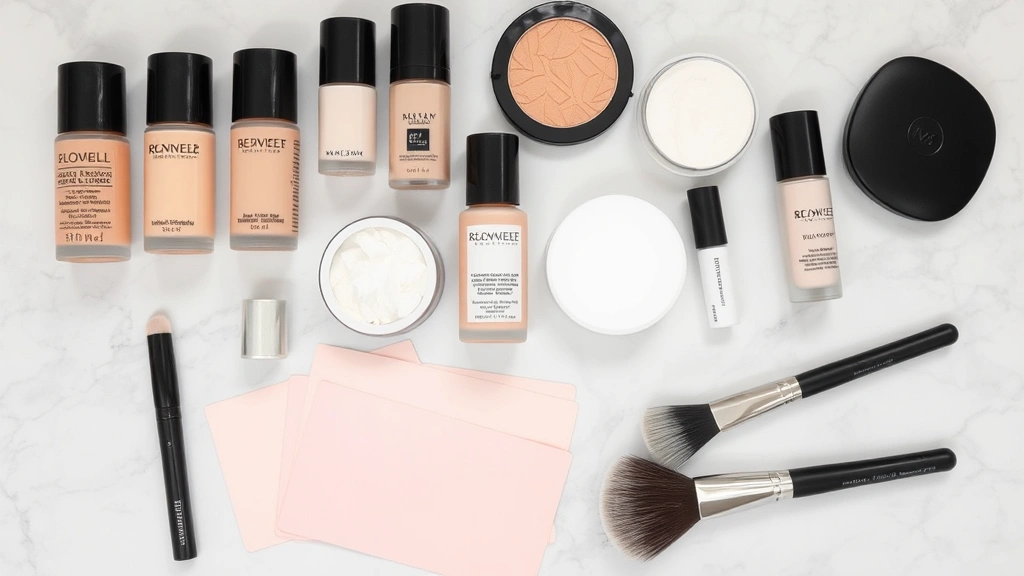
Several foundation formulas have proven exceptionally effective for oily skin. Powder foundations remain a gold standard for oil control, offering immediate shine reduction and long-wearing coverage. Brands like MAC Face and Body, Bare Minerals, and Fenty Beauty offer powder options that provide buildable coverage without feeling heavy or looking powdery. These formulations use finely-milled minerals and oil-absorbing ingredients that keep skin looking matte throughout the day.
Liquid foundations designed specifically for oily skin have also evolved significantly. Look for formulas labeled as “oil-free,” “mattifying,” or “long-wear” that use silicone-based or water-based technology. Products like Paula’s Choice Super Stay foundations, Maybelline Fit Me Dewy + Smooth, and Estée Lauder Double Wear are beloved by makeup artists and beauty enthusiasts worldwide. These foundations typically feature pore-minimizing technology and stay-put formulas that resist fading and oxidation.
Stick foundations have become increasingly popular for oily skin types because they offer concentrated coverage with minimal product waste. The compact formula means less moisture content, making them naturally more resistant to melting or sliding. Brands like Revlon ColorStay and L’Oréal Infallible Pro-Glow offer stick options that provide excellent coverage and control throughout the day. Many beauty professionals recommend professional makeup artist reviews when selecting stick foundations, as these products are frequently used in professional settings where durability is paramount.
BB creams and tinted moisturizers designed for oily skin can serve as lighter alternatives when you want less coverage but still need shine control. These products often contain mattifying ingredients and provide a more natural, skin-like finish. Brands like Smashbox Camera Ready BB Cream and Clinique Even Better Makeup offer excellent options that feel lightweight while maintaining control throughout the day.
Preparation and Primer Essentials
No matter which foundation you choose, proper skin preparation is absolutely critical for oily skin success. Starting with a clean, well-moisturized base might seem counterintuitive for oily skin, but hydration is essential. When skin is dehydrated, it often produces even more oil to compensate. Use a lightweight, oil-free moisturizer appropriate for your skin type, allowing it to fully absorb before moving forward with primer.
Primer is your secret weapon for foundation longevity. For oily skin, silicone-based primers are typically superior because they create a smooth, non-porous surface that helps foundation adhere better and last longer. Primers containing mattifying ingredients like dimethicone or silica provide additional oil control. Popular options include Smashbox Photo Finish Primer, Tatcha Luminous Dewy Skin Mist, and NYX Hydra Touch Primer, each offering unique benefits for oily skin types.
Application technique matters when using primer. Rather than applying a thick layer, use a small amount and blend it evenly across your entire face using a damp beauty sponge or your fingertips. This creates an even surface for foundation application without adding unnecessary bulk. Pay special attention to your T-zone where oiliness tends to be most pronounced. Some makeup artists recommend using an oil-control primer specifically on the T-zone while using a hydrating primer on cheeks and other areas.
Consider using a pore-minimizing primer or treatment before your mattifying primer if you have enlarged pores. Products like Benefit The POREfessional or Tarte Pore-Minimizing Primer create an ultra-smooth base that helps foundation look flawless. This two-step primer approach might seem excessive, but for oily skin prone to visible pores, the investment pays dividends in terms of finish quality and longevity. Many professional makeup artists use this technique before creating long-wear looks for special events.
Application Techniques That Last
How you apply your foundation significantly impacts how long it lasts on oily skin. Begin by applying foundation in small dots across your face—forehead, cheeks, nose, chin, and neck. This dotting method allows you to control the amount of product you use and ensures even coverage. Using too much foundation is a common mistake that actually exacerbates oiliness and causes the product to slip.
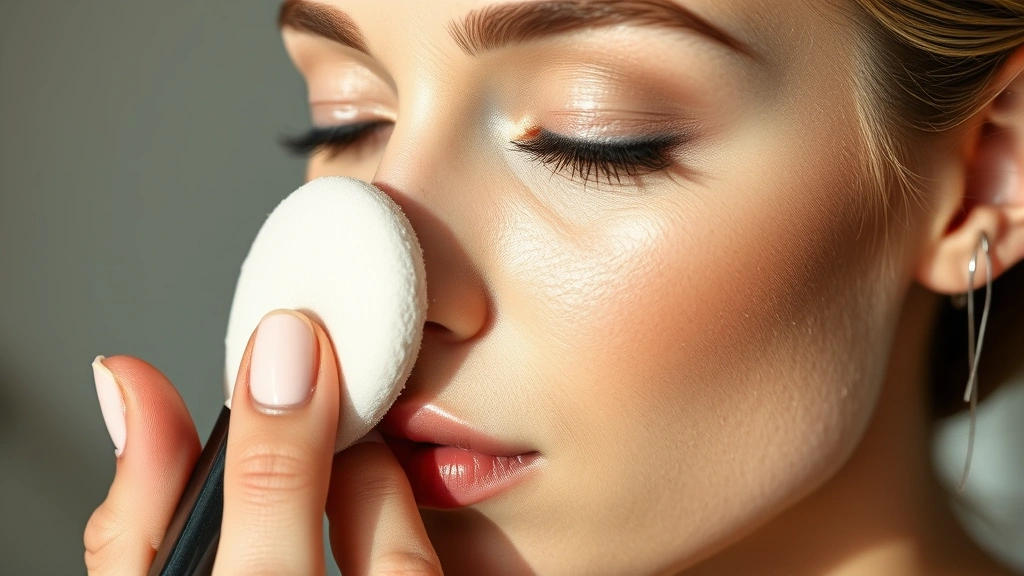
Blend your foundation using a damp beauty sponge rather than your fingers or a brush. The moisture from the sponge helps the foundation meld seamlessly with your skin while the sponge’s texture pushes product into pores and creates an airbrushed finish. Dampen your sponge with setting spray rather than water—this serves double duty by improving blending and beginning the setting process. Brands like Beauty Blender and Real Techniques offer excellent sponges designed specifically for seamless blending.
Pay particular attention to blending around your hairline, jawline, and neck to avoid harsh lines that become more obvious as your foundation sets. For oily skin, slightly underapplying foundation in problem areas and building coverage gradually is better than applying too much initially. You can always add more product to areas needing extra coverage, but removing excess foundation creates a patchy appearance.
Setting your foundation immediately after application is crucial for oily skin. Use a translucent or skin-toned setting powder applied with a fluffy brush, focusing on your T-zone and other oily areas. Apply powder in light, feathering motions rather than pressing it heavily into skin. This technique provides oil control without creating a heavy, powdery appearance. Many makeup artists recommend using different powder shades—translucent on most of the face with a slightly deeper shade in your T-zone for added dimension and control.
Throughout-the-Day Maintenance
Even the best foundation eventually shows signs of oil production throughout the day. Rather than reapplying full foundation, which creates layering and cakiness, use blotting papers to remove excess oil. These thin papers absorb shine without disturbing your makeup underneath. Keep a small pack in your purse for touchups during the day. Brands like Tatcha Blotting Papers and MAC Blot Film are professional favorites that work beautifully without disrupting your foundation.
For midday touchups, apply a small amount of setting powder using a pressed powder compact. This allows you to add shine control without completely reapplying your base. Some makeup artists prefer using a hydrating setting spray at midday rather than powder, as this refreshes the makeup without adding additional layers. Experiment with both methods to see which works better for your skin and lifestyle.
If your foundation does begin to break down or separate by evening, a light application of primer in problem areas followed by a bit of fresh foundation can revive your makeup. This technique works best when applied sparingly and blended thoroughly. Always keep your foundation and primer in your bag for quick touch-ups throughout the day, ensuring you’re prepared for any situation.
Consider the role of environmental factors and how they interact with your skincare routine. Humidity, temperature, and pollution all affect how your skin produces oil and how your foundation performs. During humid months or when traveling to warm climates, you may need to adjust your foundation formula or increase your oil-control measures.
Expert Tips from Beauty Professionals
Professional makeup artists who work with oily skin clients have developed numerous techniques worth incorporating into your routine. Many recommend using a combination of products rather than relying on a single formula to control oil. This might mean pairing a hydrating primer on your cheeks with a mattifying primer on your T-zone, or using a liquid foundation with a powder finish on top.
Color matching is particularly important for oily skin because products can oxidize and shift throughout the day. Test your foundation shade in natural lighting and allow it to settle for several minutes before deciding if the match is correct. What appears perfect indoors might look wrong in daylight. Professional makeup artists recommend testing foundation along your jawline where you can see how well it blends with your natural skin tone.
Many beauty professionals emphasize the importance of skincare consistency. The products you use morning and night directly impact how your foundation performs. A consistent skincare routine that controls oil production at the source means your foundation has a better base to work with. According to dermatology professionals, maintaining skin health through proper cleansing, toning, and moisturizing significantly improves makeup application and wear time.
Consider consulting with a professional makeup artist for a personalized foundation application lesson. Many beauty counters and makeup studios offer this service, and learning proper technique from someone trained in makeup application can transform your daily routine. Professional artists can assess your specific skin characteristics and recommend products and methods tailored to your needs.
Investing in quality tools makes a tremendous difference for oily skin makeup application. High-quality brushes and sponges blend foundation more effectively and apply product more precisely than budget options. Brands like Morphe, Real Techniques, and Sigma offer excellent tools at various price points. Quality tools last longer, perform better, and ultimately save you money by reducing product waste.
Understanding sustainable beauty practices allows you to make environmentally conscious choices while selecting quality foundation products. Many brands now offer refillable foundation options that reduce packaging waste while maintaining product quality and performance.
FAQ
What’s the best foundation type for extremely oily skin?
Powder and stick foundations typically perform best for extremely oily skin because they contain less moisture and provide immediate shine control. If you prefer liquid foundation, look for formulas specifically labeled as oil-free or mattifying with long-wear technology. Always pair your chosen foundation with a mattifying primer for optimal results.
Can I use moisturizer under foundation if I have oily skin?
Yes, absolutely. Using a lightweight, oil-free moisturizer is essential even for oily skin. Dehydrated skin often produces more oil to compensate, so proper hydration is crucial. Allow your moisturizer to fully absorb before applying primer and foundation to prevent your base from sliding.
How often should I replace my foundation?
Liquid foundations typically last 6-12 months depending on how frequently you use them. Powder and stick foundations last longer—often up to 18 months. Always check your product’s expiration date and replace foundation if it changes color, consistency, or smell. Unopened foundations last longer than opened ones due to reduced bacterial exposure.
Is setting spray necessary for oily skin?
Setting spray is highly beneficial for oily skin because it helps lock your makeup in place and extends wear time. Use a setting spray formulated for oily skin or choose one that specifically offers oil control. Apply setting spray after your powder for maximum benefit.
Can I wear full-coverage foundation if I have oily skin?
Yes, you can wear full-coverage foundation with oily skin, but technique is crucial. Use less product than you would on other skin types, blend thoroughly, and set immediately with powder. Building coverage gradually with multiple thin layers rather than one thick layer prevents cakiness and sliding.
What ingredients should I avoid in foundations for oily skin?
Avoid foundations with heavy oils, glycerin in high concentrations, or overly moisturizing ingredients. Look for formulations with mattifying agents like silica, kaolin clay, or silicones that provide oil control. Check ingredient lists and choose products specifically formulated for oily or combination skin types.

Related Posts

Perfect Old Fashioned Donut: Baker’s Secrets

Old Fashioned Chocolate Pie Recipe? Chef’s Favorite