Old-Fashioned Pimento Cheese: A Southern Staple
Old-Fashioned Pimento Cheese: A Southern Staple
Pimento cheese is more than just a sandwich spread—it’s a beloved Southern tradition that has graced tables for generations. This creamy, tangy mixture of sharp cheddar cheese, roasted red peppers, and mayonnaise represents the heart of Southern comfort food culture. Whether served as an appetizer dip, a sandwich filling, or a simple snack with crackers, pimento cheese brings warmth and nostalgia to any gathering. The beauty of this classic recipe lies in its simplicity and versatility, making it accessible to home cooks while remaining impressive enough for entertaining guests.
The origins of pimento cheese trace back to the early 20th century when canned pimentos became readily available in American kitchens. Southern home cooks embraced this ingredient and combined it with locally-produced cheeses to create what would become an iconic regional dish. The recipe has remained largely unchanged, a testament to its perfect balance of flavors and textures. Today, pimento cheese continues to represent Southern hospitality and culinary tradition, though modern versions sometimes incorporate creative twists while honoring the classic foundation.
Understanding the Classic Recipe
The old-fashioned pimento cheese recipe is a masterclass in simplicity and balance. At its core, this Southern staple requires just a handful of quality ingredients that work together to create something greater than the sum of their parts. The magic happens when sharp cheddar cheese meets the subtle sweetness of roasted pimentos, all bound together with creamy mayonnaise and brightened by a touch of acidity.
What makes traditional pimento cheese special is how it captures the essence of Southern cooking philosophy. Rather than relying on complicated techniques or exotic ingredients, it celebrates what grows and is produced locally. The recipe respects time-honored methods while remaining incredibly forgiving for home cooks of all skill levels. You don’t need culinary training to create restaurant-quality pimento cheese—just good ingredients and a willingness to follow a straightforward process.
The beauty of this classic lies in its versatility in preparation and serving. Some families have guarded their versions for decades, with minor variations that make their pimento cheese distinctly theirs. Whether your family adds a pinch of cayenne pepper, includes finely diced onions, or prefers extra mayonnaise for a creamier consistency, the fundamental recipe remains recognizable and delicious.
Essential Ingredients and Selection
Creating authentic old-fashioned pimento cheese starts with selecting the right ingredients. The quality of each component directly impacts the final product, so choosing carefully is essential for achieving the best results.
Cheddar Cheese: The foundation of pimento cheese is sharp cheddar, and this is not the place to compromise. Look for aged sharp cheddar that has a firm texture and bold flavor. Pre-shredded cheese contains anti-caking agents that can affect the texture of your final product, so investing in a block of cheese that you’ll grate yourself makes a noticeable difference. The sharpness should be prominent—mild or medium cheddar won’t provide the depth of flavor that defines traditional pimento cheese.
Pimentos: Roasted red peppers packed in jars are the classic choice, though some cooks prefer fresh roasted peppers for a brighter flavor. Canned pimentos are convenient and reliable, offering consistent sweetness and tender texture. When selecting pimentos, choose ones packed in water rather than oil, as this gives you more control over the final consistency. Drain them thoroughly before adding to your mixture.
Mayonnaise: This ingredient acts as the binding agent and provides creaminess. Use full-fat mayonnaise for the best texture and richness. Some traditional recipes call for Duke’s mayonnaise, a Southern brand known for using egg yolks rather than whole eggs, which creates a richer, more decadent spread.
Additional Seasonings: Salt, pepper, and sometimes a pinch of paprika round out the flavor profile. Some recipes include a small amount of pimiento juice for extra flavor, while others add a touch of hot sauce or Worcestershire sauce for complexity. These additions are optional but can elevate your pimento cheese from good to exceptional.
Step-by-Step Preparation Guide
Making pimento cheese is straightforward, but paying attention to technique ensures the best results. Here’s how to prepare this Southern classic:
Preparing Your Ingredients: Start by grating your block of sharp cheddar cheese using the large holes of a box grater. This creates a texture that blends smoothly while maintaining some substance. Drain your pimentos thoroughly—excess liquid will make your pimento cheese watery. Pat them dry with paper towels, then chop them into small pieces. Having all ingredients prepped and ready before you begin mixing makes the process smooth and efficient.
Combining the Mixture: In a medium bowl, combine your grated cheddar cheese with mayonnaise. Start with one cup of mayonnaise per three cups of grated cheese, then adjust to reach your preferred consistency. Some prefer a thicker, more spreadable texture, while others like a creamier dip consistency. Mix thoroughly, ensuring the mayonnaise is evenly distributed throughout the cheese. The mixture should be homogeneous with no dry spots of cheese remaining.
Adding Pimentos and Seasonings: Fold in your chopped pimentos gently, distributing them evenly throughout the mixture. Add salt and pepper to taste, remembering that aged sharp cheddar already contains some saltiness. If you’re using additional seasonings like paprika or hot sauce, add them gradually and taste as you go. The final mixture should be well-combined, creamy, and studded with flecks of red pepper throughout.
Achieving the Perfect Texture: The ideal pimento cheese should be spreadable but substantial—thick enough to hold its shape on a cracker but creamy enough to spread easily on bread. If your mixture seems too thick, whisk in a small amount of mayonnaise. If it’s too thin, add a bit more grated cheese. This texture adjustment is personal preference, so make it your own.
Flavor Variations and Enhancements
While the classic recipe is timeless, exploring variations can refresh this traditional dish. Understanding how different ingredients interact helps you create versions that suit your taste preferences and occasion.
Spicy Versions: For those who enjoy heat, adding cayenne pepper, hot sauce, or finely minced jalapeños creates a more dynamic flavor profile. Start with a quarter teaspoon of cayenne and adjust upward—it’s easier to add more heat than to cool down an overly spicy batch. Some cooks add a touch of sriracha or Frank’s RedHot sauce for a contemporary twist while maintaining Southern authenticity.
Herb-Infused Variations: Fresh herbs can brighten the classic formula. Finely minced fresh parsley, chives, or cilantro add freshness and visual interest. A small amount of fresh dill or tarragon can introduce subtle complexity without overpowering the cheese’s natural flavors. Dried herbs are less ideal for pimento cheese, as they can become gritty and overpower the delicate balance.
Textural Additions: Some modern interpretations include finely diced crispy bacon, chopped pecans, or minced green onions. These additions create interest and can make pimento cheese feel more substantial as a main component of a dish. However, traditional versions keep the focus on the core ingredients, allowing the cheese and pimentos to shine.
Umami Boosters: A small amount of Worcestershire sauce, a pinch of smoked paprika, or finely minced roasted garlic can add depth without changing the essential character of the dish. These additions work best when used sparingly—remember that pimento cheese should remain approachable and comforting, not overly complex.
Storage and Serving Suggestions
Proper storage ensures your pimento cheese maintains its quality and flavor. Understanding how to keep this spread fresh extends its usefulness and allows you to prepare it ahead for entertaining.
Refrigerator Storage: Pimento cheese keeps well in the refrigerator for up to two weeks when stored in an airtight container. The cold temperature actually helps the flavors meld together, making pimento cheese that’s been refrigerated for a day or two taste even better than when freshly made. Cover the surface directly with plastic wrap before sealing the container to prevent a dry surface layer from forming.
Freezing Considerations: While pimento cheese can be frozen, the mayonnaise base may separate slightly when thawed. If you choose to freeze it, use within three months and thaw in the refrigerator overnight. The texture may be slightly different after freezing, so this method works best when you’ll be using the pimento cheese in recipes where texture variations are less noticeable.
Serving Temperature: For the best flavor and texture, serve pimento cheese at room temperature or slightly chilled. Cold pimento cheese is spreadable but less flavorful; warming it gently brings out the cheese’s depth. If serving as a dip, consider placing the container in a warm water bath to maintain a creamy consistency throughout your event.
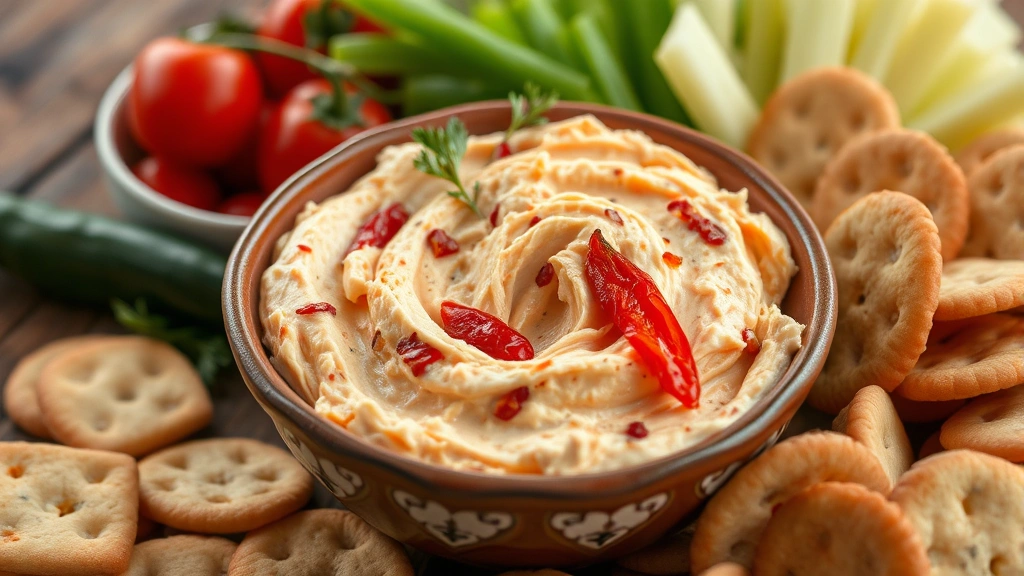
Presentation Ideas: Serve pimento cheese in a vintage bowl or on a wooden board surrounded by an array of crackers, bread, and fresh vegetables. The creamy pink color photographs beautifully and makes an inviting presentation. A sprinkle of paprika or fresh herbs on top adds visual appeal just before serving.
Pairing and Entertaining Ideas
Pimento cheese’s versatility makes it ideal for various entertaining scenarios and social gatherings. Understanding how to incorporate it into your entertaining repertoire maximizes its potential.
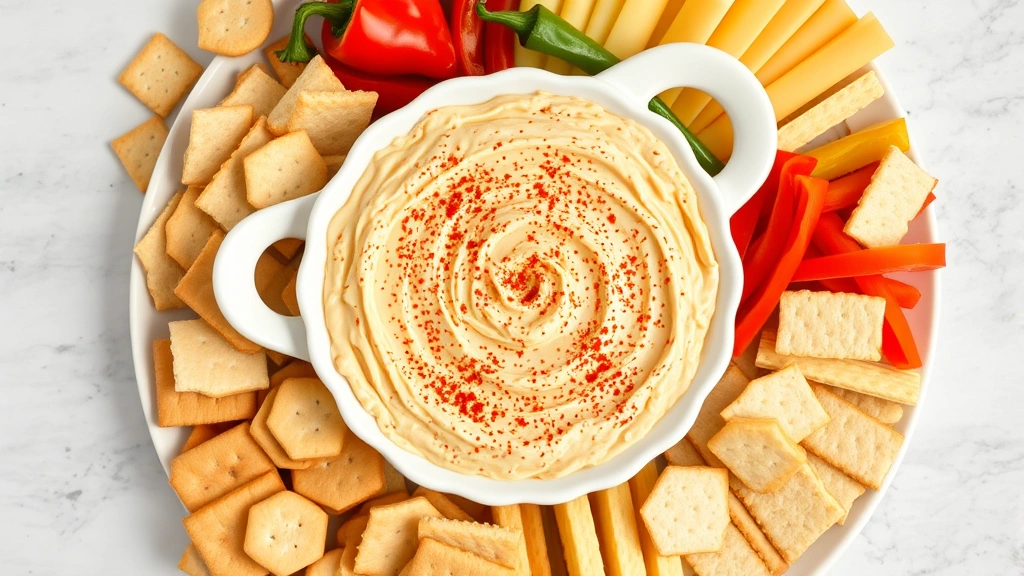
Appetizer Presentations: Serve pimento cheese as a dip with an assortment of crackers, crispy vegetables, and bread chips. Arrange it in the center of a board surrounded by accompaniments, making it visually appealing and easy for guests to serve themselves. Consider pairing it with traditional Southern appetizers for a cohesive theme.
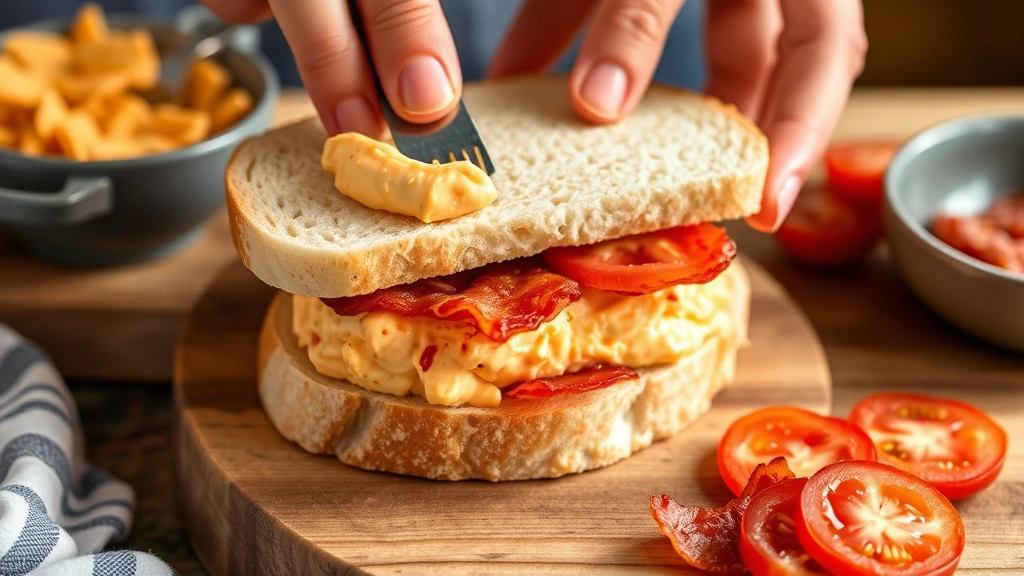
Sandwich Applications: Pimento cheese makes exceptional sandwiches when spread on soft bread with additions like crispy bacon, lettuce, and tomato. Grilled pimento cheese sandwiches are particularly satisfying—the heat melts the cheese slightly while creating a crispy exterior. This simple sandwich remains a lunch favorite throughout the South.
Baked Applications: Stuffed peppers, deviled eggs, and even baked tomatoes can be topped with pimento cheese for a comforting casserole-style dish. Pimento cheese adds richness to otherwise simple vegetables, making them feel more substantial and special. These applications work well for family dinners or casual entertaining.
Entertaining Timeline: Prepare pimento cheese one to two days before your event—this allows flavors to develop and meld. Remove it from the refrigerator thirty minutes before serving to bring it to the ideal temperature. This advance preparation reduces day-of stress and ensures you can focus on other entertaining details.
Pairing with Beverages: Pimento cheese pairs beautifully with Southern beverages including sweet tea, lemonade, and light white wines. The creamy, tangy flavors complement these drinks while providing substance for guests. Consider offering these beverages when serving pimento cheese for a complete entertaining experience.
Seasonal Entertaining: Pimento cheese works for casual summer gatherings, formal holiday parties, and everything in between. Its versatility makes it appropriate year-round, though it feels particularly at home at Southern-themed events, church socials, and family reunions. The dish’s nostalgic quality resonates across generations, making it a conversation starter at any gathering.
FAQ
Can I make pimento cheese without mayonnaise?
Traditional pimento cheese relies on mayonnaise for its characteristic creamy texture and binding properties. While you could experiment with Greek yogurt or sour cream as substitutes, the result would be noticeably different. Mayonnaise’s neutral flavor allows the cheese and pimentos to shine, making it the ideal choice for authentic old-fashioned pimento cheese.
How long does homemade pimento cheese last?
Properly stored in an airtight container in the refrigerator, pimento cheese keeps for up to two weeks. The mayonnaise acts as a preservative, helping extend shelf life. Always use clean utensils when scooping pimento cheese to prevent bacterial contamination and extend its freshness.
What’s the difference between pimento cheese and pepper cheese?
Pimento cheese specifically uses roasted red peppers (pimentos), which are sweet and mild. Pepper cheese might refer to versions using different pepper varieties or even black pepper for heat. The traditional recipe focuses on the sweet, subtle flavor of pimentos rather than spicy heat.
Can I use fresh roasted peppers instead of canned pimentos?
Yes, fresh roasted red peppers create a brighter, more vibrant pimento cheese. Roast fresh peppers, peel away the skin, and pat them dry before chopping. The result will have a fresher flavor profile, though canned pimentos are more convenient and produce reliable results.
Is pimento cheese always made with cheddar?
Traditional pimento cheese uses sharp cheddar, but some regional variations incorporate other cheeses like Gruyère or a blend of cheeses. However, sharp cheddar remains the standard and most authentic choice for old-fashioned pimento cheese.
Can pimento cheese be served warm?
Absolutely. Gently warming pimento cheese in a slow cooker or on the stovetop over low heat makes it more spreadable and intensifies the flavors. Warm pimento cheese works particularly well as a dip for bread or vegetables at entertaining events.
What crackers pair best with pimento cheese?
Sturdy crackers like water crackers, saltines, or buttery rounds work well. Avoid delicate crackers that might break under the weight of pimento cheese. Some prefer simple bread like white or wheat, while others enjoy pimento cheese on toasted baguette slices.

Related Posts

Perfect Old Fashioned Donut: Baker’s Secrets
Old Fashioned Chocolate Pie Recipe? Chef’s Favorite