Old Fashioned Oatmeal Cookies: Baker’s Secret
Old Fashioned Oatmeal Cookies: Baker’s Secret to Chewy Perfection
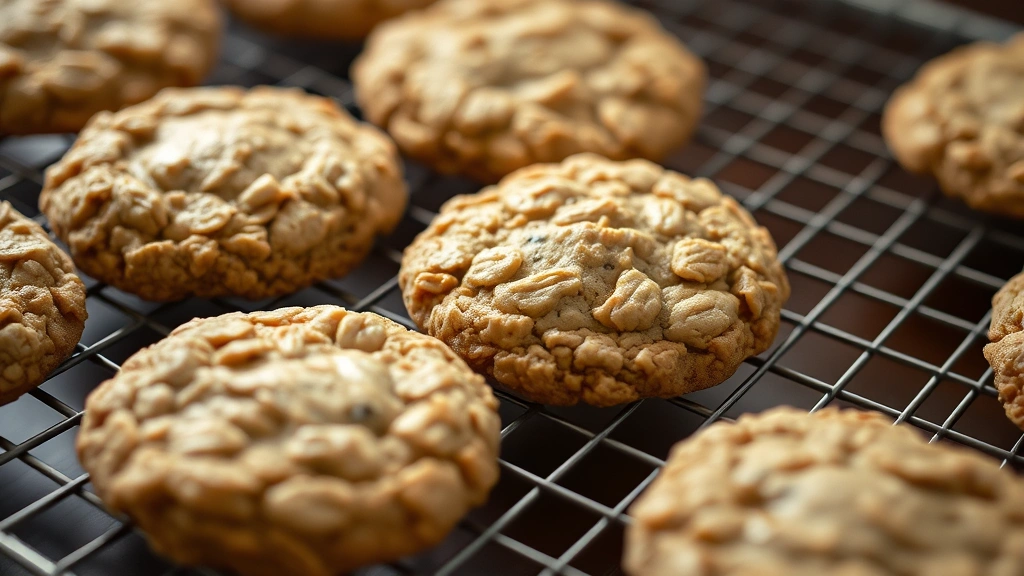
There’s something undeniably magical about old fashioned oatmeal cookies—they transport us back to simpler times with their warm, comforting aroma and satisfying texture. Whether you’re a seasoned baker or just beginning your culinary journey, mastering the art of creating these classic treats will elevate your baking repertoire. These cookies have remained a beloved staple for generations, and today we’re revealing the baker’s secrets that make them truly exceptional.
Old fashioned oatmeal cookies represent more than just a recipe; they’re a tradition that connects families and creates cherished memories. The combination of rolled oats, butter, brown sugar, and warm spices creates a cookie that’s both wholesome and indulgent. In this comprehensive guide, we’ll explore every aspect of baking perfect old fashioned oatmeal cookies, from ingredient selection to troubleshooting common baking mishaps.
Essential Ingredients for Authentic Old Fashioned Oatmeal Cookies
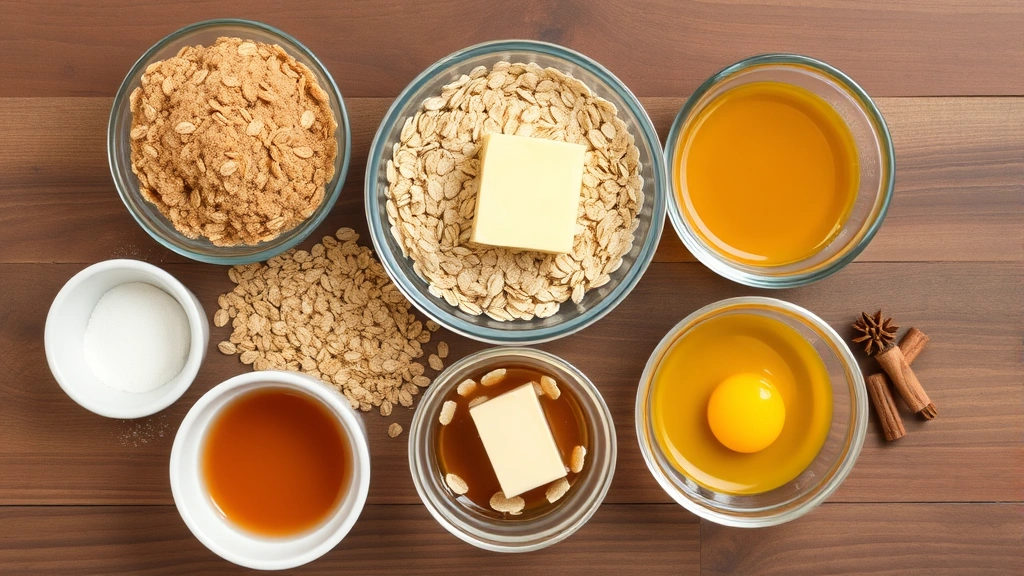
The foundation of exceptional old fashioned oatmeal cookies begins with understanding each ingredient’s role. Rolled oats are the star ingredient, providing texture and that characteristic oatmeal flavor that defines these cookies. Unlike instant oats, rolled oats maintain their structure during baking, creating the perfect chewy-to-crispy balance.
Butter should always be unsalted and at room temperature—this ensures proper creaming with sugar and even distribution throughout the dough. Brown sugar, rather than white sugar, contributes moisture and a subtle molasses flavor that enhances the overall taste profile. The combination of both brown and white sugar creates the ideal texture: brown sugar adds chewiness while white sugar promotes slight spreading and crispness at the edges.
Don’t overlook the importance of eggs—they bind ingredients together and add moisture. Fresh eggs at room temperature incorporate more smoothly into your batter. Vanilla extract amplifies flavors, while spices like cinnamon, nutmeg, and a pinch of salt create complexity and warmth. Many bakers also include raisins or dried cranberries, though this depends on personal preference.
Here’s what you’ll need for a standard batch:
- 2 cups old fashioned rolled oats
- 1 cup unsalted butter, softened
- ¾ cup packed brown sugar
- ¼ cup granulated white sugar
- 2 large eggs, room temperature
- 2 teaspoons vanilla extract
- 1½ cups all-purpose flour
- 1 teaspoon baking soda
- ½ teaspoon salt
- 1 teaspoon ground cinnamon
- ¼ teaspoon ground nutmeg
- ¾ cup raisins or dried fruit (optional)
Quality matters significantly when baking. Invest in premium baking ingredients and store them properly to maintain freshness and potency. Old spices lose their punch, so replace them annually for best results.
The Science Behind Perfect Cookie Texture
Understanding cookie chemistry transforms you from a recipe-follower into a confident baker who can troubleshoot any issue. The texture of old fashioned oatmeal cookies depends on several factors working in harmony.
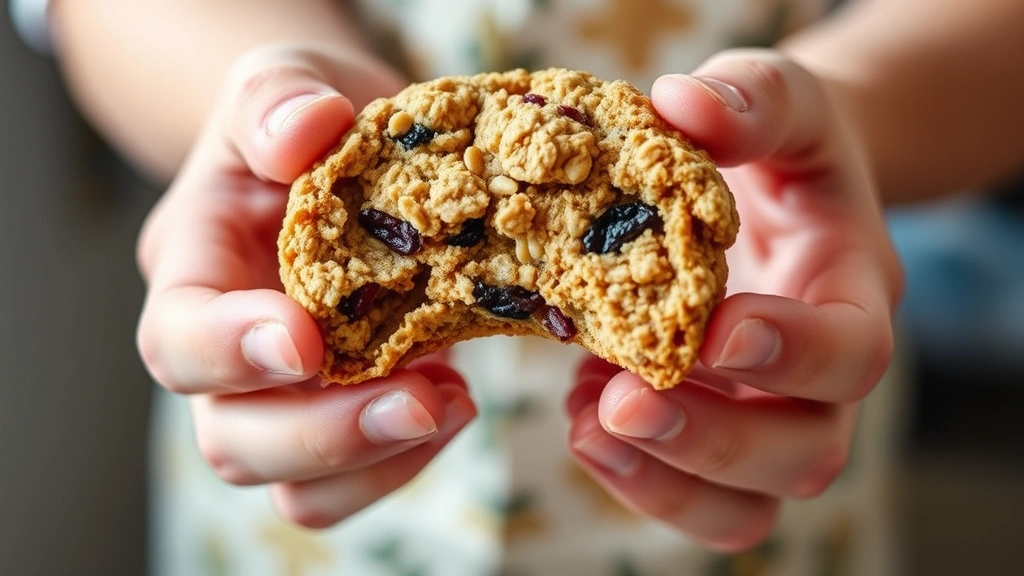
Moisture content is crucial—oatmeal naturally absorbs liquid, which is why these cookies tend toward chewiness. The ratio of butter to flour, the amount of brown sugar, and the number of eggs all influence final texture. More brown sugar and butter create chewier cookies, while additional flour and less fat produce crispier results.
Oat size and type matter tremendously. Old fashioned rolled oats are larger than quick oats, creating visible texture and better structural integrity. Steel-cut oats are too coarse for cookies, while instant oats break down too much during mixing and baking. Always use certified old fashioned rolled oats for authentic results.
The creaming process is where many bakers go wrong. Creaming butter and sugar together for 3-5 minutes incorporates air into the dough, creating lift during baking. Under-creaming results in dense, flat cookies, while proper creaming produces cookies with better volume and texture. You’ll notice the mixture becoming lighter in color and fluffier in texture.
Baking temperature and time directly affect outcomes. A 350°F oven allows cookies to bake evenly, with centers staying slightly soft while edges set properly. Baking for 10-12 minutes creates the ideal chewy-in-the-middle, crispy-around-the-edges texture. Every oven varies, so invest in an oven thermometer to ensure accuracy.
Step-by-Step Baking Instructions
Step 1: Prepare Your Workspace
Begin by preheating your oven to 350°F and lining baking sheets with parchment paper. Gather all ingredients and measure them accurately using a kitchen scale for precision. Room temperature ingredients mix more thoroughly, so remove eggs and butter from the refrigerator 30 minutes before baking.
Step 2: Cream Butter and Sugars
In a large mixing bowl, combine softened butter with brown sugar and white sugar. Using an electric mixer, beat on medium speed for 3-5 minutes until the mixture becomes light, fluffy, and pale yellow. This crucial step incorporates air and ensures even distribution of sugar throughout the dough.
Step 3: Incorporate Eggs and Vanilla
Add eggs one at a time, beating well after each addition. Pour in vanilla extract and mix until fully combined. The mixture should appear smooth and creamy. If it looks slightly curdled, don’t worry—this often happens when cold ingredients meet warm butter, and it won’t affect your final cookies.
Step 4: Combine Dry Ingredients
In a separate bowl, whisk together flour, baking soda, salt, cinnamon, and nutmeg. Whisking distributes leavening agents evenly and prevents lumps. This step ensures consistent flavor and rise throughout your batch.
Step 5: Mix Wet and Dry Ingredients
Gradually add the dry ingredient mixture to the wet ingredients, mixing on low speed until just combined. Overmixing develops gluten, resulting in tough cookies. Mix until you no longer see streaks of flour.
Step 6: Add Oats and Mix-Ins
Fold in rolled oats using a spatula or wooden spoon, stirring gently but thoroughly. Add raisins or other dried fruit if desired. The dough should hold together when squeezed but remain slightly crumbly.
Step 7: Portion and Bake
Drop rounded tablespoons of dough onto prepared baking sheets, spacing them about 2 inches apart. These cookies spread during baking, so proper spacing prevents them from merging together. Bake for 10-12 minutes until edges are golden but centers still appear slightly underbaked.
Step 8: Cool Properly
Allow cookies to cool on baking sheets for 5 minutes before transferring to wire racks. This resting period allows them to set slightly while remaining soft in the center. Cooling on the pan too long results in overly crispy cookies, while immediate transfer causes them to break apart.
Expert Tips for Chewy, Delicious Results
Professional bakers employ several techniques to achieve consistently excellent results. Understanding these baker’s secrets elevates your home baking significantly.
Use Brown Butter for Depth
Brown your butter before creaming by melting it in a saucepan over medium heat, swirling occasionally until it turns golden and develops a nutty aroma (about 5-7 minutes). Allow it to cool before using. This technique adds sophisticated, toasty depth to your cookies.
Chill Your Dough
After mixing, refrigerate dough for at least 30 minutes, preferably overnight. Chilled dough spreads more slowly, preventing overly flat cookies and allowing flavors to meld. This also makes the dough easier to handle and portion.
Don’t Overbake
The most common mistake is baking cookies until they appear done. Remove them when centers still look slightly soft—they’ll continue cooking on the hot baking sheet. This residual heat sets the structure while maintaining chewiness.
Invest in Quality Equipment
A reliable oven thermometer, sturdy baking sheets (preferably aluminum), and accurate measuring tools make tremendous differences. Thin, flimsy baking sheets cause uneven browning, while proper equipment ensures consistent results.
Toast Your Oats
For enhanced nutty flavor, spread rolled oats on a baking sheet and toast at 325°F for 8-10 minutes, stirring occasionally. Cool before using in your recipe. This step intensifies the oatmeal flavor considerably.
Add Texture with Mix-Ins
Beyond raisins, consider adding chopped walnuts, pecans, dried cranberries, or chocolate chips. Toast nuts beforehand to deepen their flavor. The variety adds visual appeal and textural interest to each bite.
Use Parchment Paper
Parchment paper prevents sticking and ensures even browning on the bottom. It’s reusable (up to 5-6 times) and eliminates the need for greasing baking sheets, making cleanup easier.
Flavor Variations and Creative Add-Ins
While classic old fashioned oatmeal cookies are wonderful, creative variations keep baking exciting and allow you to customize cookies to your preferences.
Spiced Varieties
Increase cinnamon to 1½ teaspoons and add ½ teaspoon each of ginger, allspice, and cloves for warming spice cake flavors. Some bakers add a pinch of cardamom for Scandinavian-inspired cookies.
Fruit-Focused Cookies
Replace raisins with dried cranberries, apricots, or figs. Add fresh orange zest to complement tart dried fruits. The brightness of citrus zest (about 1 tablespoon) adds complexity without overpowering.
Nutty Variations
Substitute up to ½ cup of flour with finely ground almonds or pecans. Toast nuts first for maximum flavor. Nut flours add richness and create slightly different texture—more tender and delicate.
Chocolate-Enhanced Cookies
Fold in ¾ cup chocolate chips or chunks in the final mixing stage. Dark chocolate complements oatmeal beautifully, while milk chocolate creates comfort-food vibes. Avoid overmixing once chocolate is added.
Maple and Brown Butter
Replace ¼ cup brown sugar with pure maple syrup, reduce vanilla to 1 teaspoon, and use brown butter (as described earlier). This creates sophisticated, autumn-inspired cookies with complex sweetness.
Coconut Oatmeal Cookies
Add ¾ cup unsweetened shredded coconut and reduce rolled oats to 1¼ cups. This variation creates tropical-flavored cookies with interesting texture.
Storage and Shelf Life Guide
Proper storage extends the life of your old fashioned oatmeal cookies and maintains their ideal texture.
Room Temperature Storage
Store cooled cookies in an airtight container at room temperature for up to 5-7 days. Place parchment paper between layers to prevent sticking. Keep a slice of bread in the container—it absorbs excess moisture and helps maintain chewiness as it dries out.
Refrigerator Storage
For longer storage, keep cookies in an airtight container in the refrigerator for up to 2 weeks. The cool temperature slows staleness and prevents oils from becoming rancid. Allow cookies to reach room temperature before serving for best texture.
Freezer Storage
Freeze baked cookies in freezer-safe containers for up to 3 months. Layer them with parchment paper to prevent sticking. Thaw at room temperature for about 30 minutes before serving. Alternatively, freeze cookie dough in portions—scoop onto baking sheets, freeze until solid, then transfer to freezer bags. Bake directly from frozen, adding 1-2 minutes to baking time.
Dough Storage
Refrigerate cookie dough in an airtight container for up to 5 days or freeze for up to 3 months. Frozen dough requires no thawing—simply add 1-2 minutes to baking time. This allows you to enjoy fresh-baked cookies whenever desired.
Signs of Spoilage
Discard cookies that show visible mold, smell rancid, or taste off. Properly stored cookies rarely spoil, but always use your senses to determine freshness. Stale cookies can be refreshed by placing them in a 300°F oven for 5 minutes.
Understanding how to maintain proper storage conditions helps reduce food waste and ensures you always have delicious cookies available. Proper storage also reflects environmental responsibility in the kitchen.
FAQ
Why are my old fashioned oatmeal cookies spreading too much?
Excessive spreading typically results from warm dough, too much butter, or insufficient flour. Chill your dough for at least 30 minutes before baking. Ensure you’re measuring flour accurately using the spoon-and-level method rather than scooping directly from the bag. Check your oven temperature with a thermometer—if it’s running hot, cookies bake and spread faster.
How can I make my cookies chewier?
Increase brown sugar ratio (up to ¾ cup total), add an extra egg yolk, reduce baking time by 1-2 minutes, or remove cookies from the oven when centers still appear slightly underbaked. Storing cookies with a slice of bread maintains chewiness as the bread transfers moisture to cookies.
Can I substitute ingredients in old fashioned oatmeal cookies?
Most substitutions work reasonably well. Use coconut oil for half the butter, replace white sugar with coconut sugar, or substitute all-purpose flour with whole wheat flour (use only ¾ cup to prevent dense cookies). However, substituting rolled oats with other types significantly affects results—stick with old fashioned oats for authentic texture.
What’s the difference between old fashioned and quick oats?
Old fashioned rolled oats are larger and thicker, maintaining structure during baking and creating visible texture. Quick oats are smaller and thinner, breaking down more during mixing and baking, resulting in denser, less textured cookies. Steel-cut oats are too coarse and don’t work well in cookies.
Why do my cookies bake unevenly?
Uneven baking results from inconsistent oven temperature, improperly spaced cookies, or thin baking sheets. Invest in an oven thermometer and rotate baking sheets halfway through baking. Use sturdy aluminum baking sheets rather than thin ones. Space cookies consistently about 2 inches apart.
Can I make old fashioned oatmeal cookies without eggs?
Yes, though texture differs slightly. Replace each egg with one of these options: ¼ cup unsweetened applesauce, 3 tablespoons aquafaba (liquid from canned chickpeas), or a commercial egg replacer following package directions. Applesauce adds moisture, creating slightly chewier cookies, while aquafaba creates texture closer to traditional cookies.
How do I refresh stale cookies?
Place stale cookies on a baking sheet and warm in a 300°F oven for 5 minutes. This restores softness temporarily. Alternatively, place cookies in an airtight container with a slice of bread for several hours—the bread transfers moisture to cookies as it hardens.
What’s the best way to ship old fashioned oatmeal cookies?
Pack cooled cookies in layers separated by parchment paper in an airtight container, then place that container inside a larger box with cushioning material (bubble wrap, packing peanuts, or crumpled paper). Ship in cooler months when possible, and include a note about proper storage. Cookies typically arrive in good condition when properly packaged.

Related Posts
Perfect Old Fashioned Donut: Baker’s Secrets
Old Fashioned Chocolate Pie Recipe? Chef’s Favorite