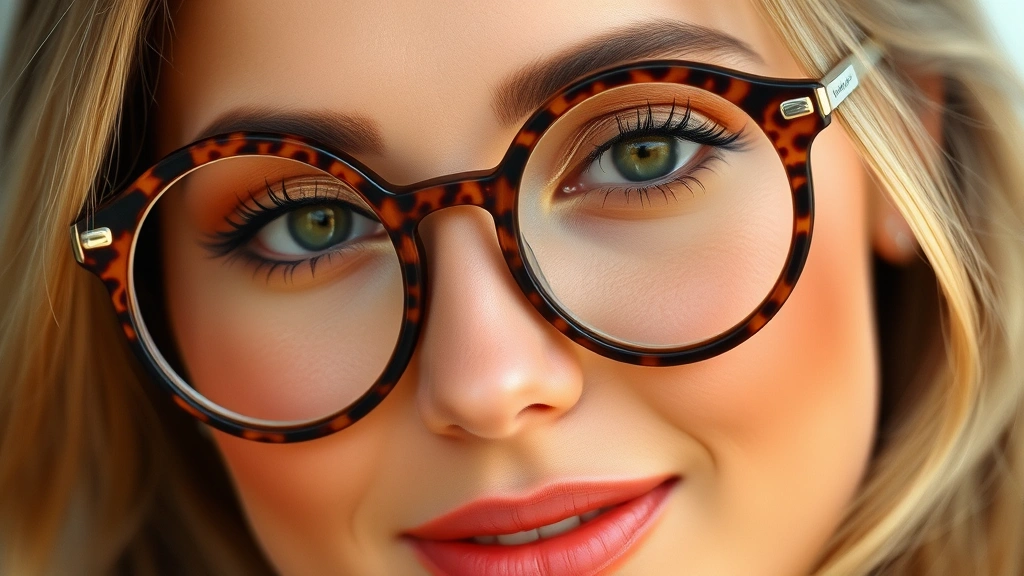
Retro Makeup Looks: Old-Fashioned Glasses Tips
Retro Makeup Looks: Old-Fashioned Glasses Tips
Old-fashioned glasses are making a major comeback in the beauty and fashion world, and pairing them with the right makeup look can transform your entire aesthetic. Whether you’re channeling 1950s elegance, 1970s groovy vibes, or 1980s boldness, your makeup needs to complement those vintage frames perfectly. The key to mastering retro makeup looks with old-fashioned glasses lies in understanding which eyeshadow palettes, eyeliner styles, and lip colors work best with your frame shape and lens size.
This comprehensive guide will walk you through everything you need to know about creating stunning makeup looks that enhance rather than compete with your vintage glasses. From winged eyeliner techniques to the perfect winged liner paired with cat-eye frames, we’ll explore how to make your eyes the focal point while keeping your glasses front and center. Let’s dive into the world of retro beauty and discover how to rock old-fashioned glasses with confidence and style.
Understanding Your Frame Style
Before you apply a single stroke of makeup, it’s essential to understand what type of old-fashioned glasses you’re working with. The frame shape, size, and color will significantly influence which makeup looks will complement your overall appearance. Cat-eye frames from the 1950s, for instance, demand a completely different makeup approach than oversized round frames from the 1970s.
When wearing old-fashioned glasses, your makeup needs to consider the visual weight of your frames. Larger frames require bolder, more defined makeup to ensure your eyes don’t disappear behind the lenses. Smaller, delicate frames allow for more subtle, refined makeup applications. The color of your frame—whether tortoiseshell, black, clear, or vintage rose gold—should also influence your color palette choices.
Consider how much of your eye area the glasses cover. If your frames are quite large, you’ll want to focus makeup application on the visible portions of your eyelid and brow bone. This is where understanding beauty fundamentals becomes crucial for creating a cohesive look that works with, not against, your frames.
Classic 1950s Makeup with Vintage Frames
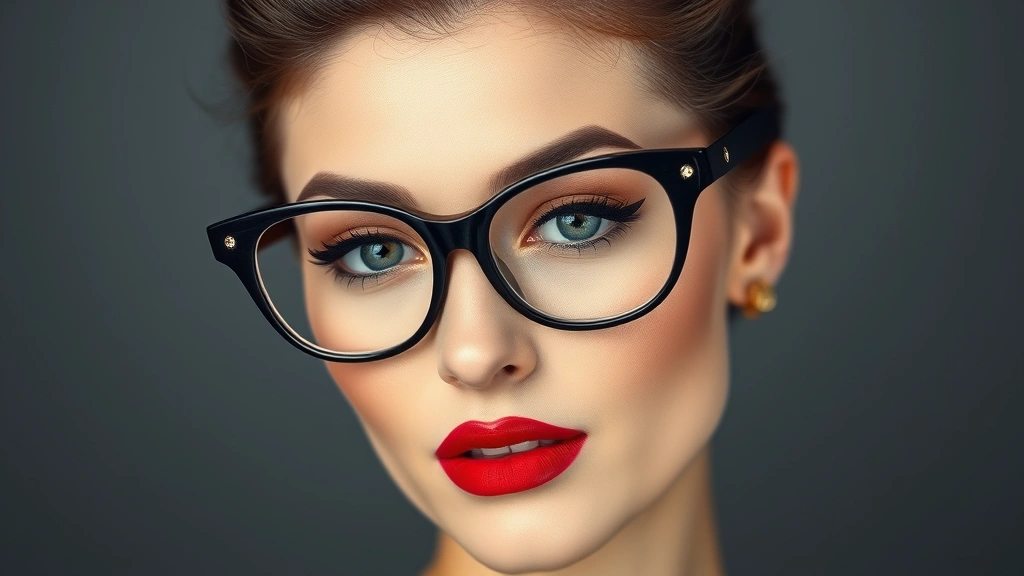
The 1950s represent the golden age of glamorous, polished makeup looks. When pairing your retro makeup with old-fashioned cat-eye or clubmaster-style glasses, think dramatic winged eyeliner, perfectly groomed brows, and rosy cheeks. This era celebrated femininity and precision, making it perfect for those who love meticulous makeup application.
Start with a flawless base using a vintage-inspired matte foundation. The 1950s preferred a porcelain complexion with minimal texture. Apply a light powder to set your base, then move on to creating definition with a warm, peachy blush applied to the apples of your cheeks. This creates that classic doll-like appearance that defined the decade.
For eyeshadow, stick to neutral tones like soft creams, light browns, and warm taupes. Apply a lighter shade across your entire lid, then use a slightly deeper shade in your crease to add dimension. The magic happens with your eyeliner: create a sharp, precise winged line that extends beyond your outer corner. This technique works beautifully with cat-eye frames because the geometry of the glasses echoes the geometry of your eyeliner.
Finish your 1950s look with a bold lip color. Bright red, coral red, or deep berry tones were the standard. The lips should be the statement of your makeup, while the eyes remain defined but not overshadowed by your old-fashioned glasses. Beauty Guerrilla Magazine offers excellent insights into vintage makeup application techniques that remain relevant today.
The brows are equally important in a 1950s look. They should be well-defined, slightly arched, and groomed to perfection. Use a brow pencil or powder to create clean, defined lines that frame your face beautifully without competing with your frames.
” src=”placeholder-image-2″>
1970s Groovy Looks for Retro Glasses
If your old-fashioned glasses lean toward oversized, round, or aviator styles from the 1970s, embrace the groovy aesthetic of that decade. The 1970s were all about earthy tones, bronzed skin, and natural-looking makeup that still packed a punch with color and texture.
For a 1970s-inspired look, focus on warm, earthy eyeshadow palettes featuring browns, golds, oranges, and burnt sienna shades. The application should be softer and more blended than the precise 1950s style. Apply a warm bronze shade all over your lid, then add a deeper brown or gold in your crease, blending thoroughly for a gradient effect.
Eyeliner in the 1970s was often softer and smokier. Rather than sharp winged lines, try a softer smudged liner that creates a sultry, lived-in look. Line your upper lash line with a brown or bronze pencil, then smudge it slightly for that characteristic 1970s vibe. You can also add liner to your lower lash line for extra definition.
The skin in a 1970s look should appear sun-kissed and bronzed. Apply a generous amount of bronzer to your cheekbones, temples, and jawline. A warm peach or coral blush adds dimension without looking too modern. The overall effect should be warm, earthy, and effortlessly cool—like you just came back from a music festival.
Lips in the 1970s ranged from nude browns to warm corals and burnt oranges. Choose a shade that complements your bronzed complexion and the warmth of your eyeshadow. A slightly glossy finish adds to the groovy aesthetic without looking too contemporary.
Bold 1980s Makeup Aesthetics
The 1980s were about excess, boldness, and not being afraid to make a statement. If your old-fashioned glasses are more angular, colorful, or statement-making, a bold 1980s makeup look might be your perfect match. This decade celebrated bright colors, heavy application, and unapologetic glamour.
Start with eyeshadow that makes an impact. Think electric blues, hot pinks, purples, and metallics. The 1980s weren’t subtle—they embraced color in a way that previous decades hadn’t. You can create a monochromatic look using one bold color, or go for contrasting shades that create visual interest. Apply your brightest shade all over the lid, then add a complementary or contrasting shade in the crease.
Eyeliner should be bold and graphic. Thick black or dark colored liner defines the upper lash line, and don’t shy away from lining your lower lash line too. Many 1980s looks featured colored eyeliner—matching your shadow shade or creating contrast with a complementary color. This is where you can really play with your old-fashioned glasses’ color and make them part of your overall aesthetic statement.
Blush in the 1980s was often applied heavily and in bright shades. Fuchsia, hot pink, and coral were popular choices. Apply your blush generously to the apples of your cheeks, and don’t be afraid to blend it up toward your temples. The overall look should be bold and confident.
Lips in the 1980s were equally statement-making. Bright reds, hot pinks, deep purples, and even black were all fair game. A matte finish was often preferred, though glossy lips also had their moment. Choose a lip color that either complements or boldly contrasts with your eyeshadow—there’s no wrong answer in the 1980s aesthetic.
Eye Makeup Techniques That Work Best
Certain eye makeup techniques are particularly effective when wearing old-fashioned glasses. Understanding these methods will help you create looks that enhance your eyes rather than making them appear smaller or lost behind your frames.
Eyeshadow placement is crucial when wearing glasses. Focus on applying color to the visible portions of your eyelid. If your frames cover a significant portion of your lid, concentrate your darkest shadows in your crease and brow bone area, where they’ll be visible above your frames. This creates definition and makes your eyes appear larger and more alert.
The cut-crease technique works beautifully with old-fashioned glasses. This involves creating a sharp line between your lid color and your crease color, which adds dimension and makes eyes appear more open. The precision required for a cut crease also complements the structured aesthetic of vintage frames.
For those wanting a softer approach, the gradient technique involves blending multiple shades from light to dark, creating a seamless transition. This works particularly well with 1970s-style frames and creates a more romantic, blended appearance.
Eyeshadow primer is essential when wearing glasses, as the frames can cause friction that leads to creasing and fading throughout the day. A good primer ensures your makeup stays put and maintains its color intensity from morning to night. Allure Magazine consistently recommends quality primers as essential for long-lasting eye makeup.
Eyeshadow Palettes for Vintage Vibes
Choosing the right eyeshadow palette is fundamental to creating authentic retro makeup looks with old-fashioned glasses. Different decades favored different color families, and selecting a palette that aligns with your chosen aesthetic is key.
For 1950s aesthetics, look for palettes featuring soft creams, warm taupes, champagne, light browns, and subtle golds. These neutral, sophisticated palettes create the polished, elegant look that defined the era. Brands often release vintage-inspired palettes that capture this essence perfectly.
For 1970s vibes, seek out palettes with warm, earthy tones: burnt sienna, warm browns, golden yellows, terracotta, and bronze shades. These colors create that sun-kissed, natural-yet-glamorous aesthetic that the 1970s perfected. Look for palettes that emphasize warm undertones and organic color combinations.
For 1980s boldness, embrace palettes featuring bright, saturated colors: electric blues, hot pinks, purples, teals, and metallics. These palettes often include both matte and shimmer finishes, allowing you to create dimension and impact. Don’t limit yourself to traditional “eyeshadow colors”—the 1980s were about breaking rules and having fun with makeup.
When shopping for eyeshadow palettes, consider your skin tone and undertones. Warm undertones pair beautifully with golden, bronze, and warm-colored palettes. Cool undertones look stunning with silvers, cool browns, and jewel tones. If you’re unsure about your undertones, Dermstore’s beauty experts offer helpful guides on determining your undertones and selecting appropriate colors.
Eyeliner Styles and Application Tips
Eyeliner is perhaps the most transformative element of any makeup look, and it’s especially important when wearing old-fashioned glasses. The right eyeliner style can either enhance or detract from your frames, so choosing wisely is essential.
The classic winged liner is perfect for cat-eye frames and 1950s aesthetics. To create this look, start by lining your upper lash line from the inner corner to the outer corner. At the outer corner, angle your liner upward and outward, creating a wing that extends beyond your eye. The angle should complement the shape of your frames—if your frames are more angular, create a sharper wing; if they’re more rounded, soften the angle slightly.
The smudged liner technique works beautifully with 1970s-style frames. Apply liner to your upper lash line using a pencil, then gently smudge it with a blending brush or your fingertip. This creates a softer, more romantic look that complements oversized or round frames. You can also line your lower lash line and smudge it for added depth.
The graphic liner style is perfect for 1980s aesthetics. This involves creating bold, defined lines that make a statement. You might try a thick upper lash line, extended wings, or even colored eyeliner. The key is boldness and precision. Beauty Professionals Organization offers resources on advanced eyeliner techniques used by makeup artists worldwide.
Tightlining is a technique that works wonderfully with old-fashioned glasses. This involves applying eyeliner to the waterline (the area between your lash line and your eye), which makes your lashes appear fuller and your eyes appear larger without the obvious look of eyeliner. This is particularly helpful if your frames are large and cover a significant portion of your lid.
When choosing an eyeliner product, consider the formula. Pencil liners are easier to smudge and blend, making them ideal for softer looks. Liquid liners create sharp, precise lines perfect for winged and graphic styles. Gel liners offer the best of both worlds—precision with blendability. Waterproof formulas ensure your eyeliner stays put throughout the day, especially important if you wear glasses that may create friction.
Lip Color Combinations
While eyes are the primary focus when wearing old-fashioned glasses, your lip color plays an important supporting role in your overall makeup look. The right lip color ties your entire aesthetic together and ensures your face appears balanced and intentional.
For 1950s looks, classic red lipstick is the gold standard. The shade of red matters—blue-based reds create a more sophisticated, cool-toned look, while orange-based reds feel warmer and more playful. Apply your red lipstick with precision using a lip liner in a matching shade for clean edges and longer-lasting color. Deep berries and corals also work beautifully with 1950s aesthetics.
For 1970s aesthetics, warm, earthy lip colors are ideal. Think warm nudes, peachy tones, warm browns, and burnt oranges. These colors complement the warm eyeshadow palette and create a cohesive, harmonious look. A slightly glossy finish adds to the groovy vibe without appearing too modern or trendy.
For 1980s boldness, don’t hold back with your lip color. Bright reds, hot pinks, deep plums, and even black lips were all embraced in the 1980s. Choose a shade that either complements or boldly contrasts with your eyeshadow. A matte finish often feels more authentic to the era, though glossy lips also have their place.
When wearing bold eyeshadow, you might consider a more neutral lip to avoid overwhelming your face. Conversely, if your eyeshadow is more subtle and neutral, a bolder lip color allows you to make a statement. The key is balance—ensure your overall makeup look feels intentional rather than chaotic.
Always prepare your lips before applying color. Exfoliate gently to remove dead skin, apply a hydrating lip balm, and blot away excess moisture. This creates a smooth canvas for your lip color and ensures even application. Using a lip liner prevents feathering and extends the wear time of your lipstick.
Skin Prep and Base Products
A flawless base is the foundation of any successful makeup look, especially when wearing old-fashioned glasses that draw attention to your face. Taking time to properly prep and prime your skin ensures your makeup stays put and looks fresh throughout the day.
Skincare is essential before applying any makeup. Cleanse your face thoroughly, apply a hydrating toner or essence, follow with a moisturizer appropriate for your skin type, and don’t forget sunscreen. Allowing these products to set for a few minutes before moving on to makeup ensures better product adhesion and longer-lasting results.
A primer is non-negotiable for long-lasting makeup. Choose a primer that addresses your specific skin concerns—mattifying primers for oily skin, hydrating primers for dry skin, or pore-minimizing primers for textured skin. Apply primer to your entire face, focusing on areas where makeup tends to fade or crease.
Foundation should match your skin tone perfectly. Test foundation on your jawline in natural light to ensure a seamless blend. Apply foundation using a beauty sponge, brush, or your fingertips, blending thoroughly for a natural-looking finish. Remember that the area around your eyes and where your glasses sit may require extra attention to ensure even coverage.
Concealer helps address any blemishes, dark circles, or discoloration. Apply concealer to problem areas and blend carefully. If you have dark circles under your eyes, use a concealer one to two shades lighter than your skin tone to create a brightening effect. Set concealer with a light powder to prevent creasing.
Powder sets your base and controls shine. Use a light hand—too much powder can appear cakey and emphasize texture. Focus powder application on your T-zone and areas prone to oiliness. A translucent powder works universally across skin tones, or choose a powder matched to your skin tone for a more seamless finish.
Setting spray is the final step in your base routine. A good setting spray locks everything in place and extends the wear time of your entire makeup look. This is particularly important when wearing glasses, as the friction from frames can cause makeup to shift or fade. Dermatology Association resources provide information on skin-friendly makeup products and application techniques.
FAQ
How do I prevent my eyeshadow from creasing when wearing glasses?
Use a quality eyeshadow primer on your lids before applying any color. This creates a barrier that prevents creasing and fading caused by friction from your frames. Additionally, avoid applying too much product—use less than you think you need and build gradually. Set your eyeshadow with a setting spray for extra longevity.
What eyeshadow colors work best with tortoiseshell glasses?
Tortoiseshell frames feature warm, earthy tones, so they pair beautifully with warm eyeshadow palettes. Golds, bronzes, warm browns, burnt siennas, and warm teracottas complement tortoiseshell frames perfectly. You can also use these frames as inspiration for your overall makeup aesthetic—think 1970s groovy vibes or warm, earthy tones.
Can I wear dramatic makeup with old-fashioned glasses?
Absolutely! The key is ensuring your eye makeup doesn’t compete with your frames but rather complements them. Bold eyeshadow, dramatic eyeliner, and statement lips all work beautifully with vintage glasses. Focus on the visible portions of your eye area and ensure your makeup enhances rather than overwhelms your frames.
Should my eyeliner match my frame color?
Not necessarily. While matching can create a cohesive look, contrast can be equally striking. If your frames are black, you might choose a black eyeliner for a coordinated look, or try a bold color that contrasts beautifully. Experiment and see what feels right for your personal aesthetic.
How do I make my eyes appear larger when wearing big glasses?
Focus on eyeshadow in your crease and brow bone where it’s visible above your frames. Use lighter shades on your lid and darker shades in your crease to create depth. Tightline your upper waterline with a light-colored pencil to make your lash line appear fuller. Apply mascara generously to open up your eyes. These techniques make eyes appear larger and more awake even when partially obscured by frames.
What’s the best mascara formula for wearing glasses?
A waterproof, volumizing mascara works best with glasses. Waterproof formulas prevent smudging caused by friction from your frames, while volumizing formulas make lashes appear fuller and more dramatic. Apply mascara generously to both upper and lower lashes for maximum impact and to compensate for any lash coverage your frames might create.
Can I wear colored eyeliner with old-fashioned glasses?
Colored eyeliner can look stunning with vintage frames, particularly with 1970s and 1980s aesthetics. Bronze, gold, and warm brown liners complement warm-toned frames beautifully. Cool-toned frames look striking with silver, teal, or purple liners. Experiment with colored eyeliner to create unique, personalized looks that reflect your style.
How often should I update my makeup look with old-fashioned glasses?
You can change your makeup look daily if desired—the beauty of makeup is its temporary nature and ability to transform your appearance. However, finding a signature look that you love and feels authentic to you creates a cohesive personal brand. Many people enjoy rotating between different retro aesthetics depending on their mood and the occasion.

Related Posts

Perfect Old Fashioned Donut: Baker’s Secrets
Old Fashioned Chocolate Pie Recipe? Chef’s Favorite