Mezcal Old Fashioned: Bartender’s Secret Recipe
Mezcal Old Fashioned: Bartender’s Secret Recipe
The mezcal old fashioned represents a sophisticated evolution of the classic cocktail, transforming a whiskey staple into something distinctly smoky, complex, and utterly captivating. Unlike its bourbon-based predecessor, this agave-forward variation captures the essence of Mexican craftsmanship while honoring the timeless structure that makes an old fashioned so enduringly perfect. Whether you’re a home bartender looking to impress guests or simply curious about craft cocktails, mastering this drink opens doors to understanding both traditional mixology and modern spirit innovation.
What makes the mezcal old fashioned truly special is how the spirit’s natural characteristics—those distinctive smoky, earthy, and sometimes fruity notes—interact with classic cocktail components like bitters, sugar, and citrus. The result is a drink that feels both nostalgic and refreshingly contemporary, offering complexity in every sip. This guide walks you through everything you need to know, from selecting the right mezcal to perfecting your technique and understanding the spirit’s rich cultural significance.
Understanding Mezcal: Beyond the Worm
Mezcal often gets unfairly pigeonholed as the tequila’s exotic cousin, complete with the infamous worm (which actually appears in very few bottles today). In reality, mezcal is a beautifully complex spirit with deep roots in Mexican tradition, particularly in Oaxaca. The spirit is produced from agave plants using methods that have remained largely unchanged for centuries, with production involving roasting agave hearts in underground pits, creating that signature smoky character.
The production process fundamentally shapes mezcal’s flavor profile. When agave hearts are roasted in earthen pits using wood and charcoal, they develop deep caramelization and smoke infusion that distinguishes mezcal from tequila, which uses steam ovens. This traditional method, called pib roasting, creates the foundation for mezcal’s complexity. Different agave varieties, terroir, and production techniques create remarkable diversity within mezcal—something many people don’t realize when first exploring the category.
Understanding mezcal’s cultural significance enhances your appreciation of the mezcal old fashioned. This spirit represents generations of Mexican craftsmanship and indigenous knowledge. When you order or make this cocktail, you’re participating in a tradition that connects to centuries of agave cultivation and spirit-making expertise. Many craft bartenders view the mezcal old fashioned as a respectful way to showcase this spirit’s qualities rather than mask them with excessive sweetness or overcomplicated ingredients.
The Classic Mezcal Old Fashioned Recipe
The foundation of a perfect mezcal old fashioned rests on balance and restraint. Here’s the bartender-approved formula:
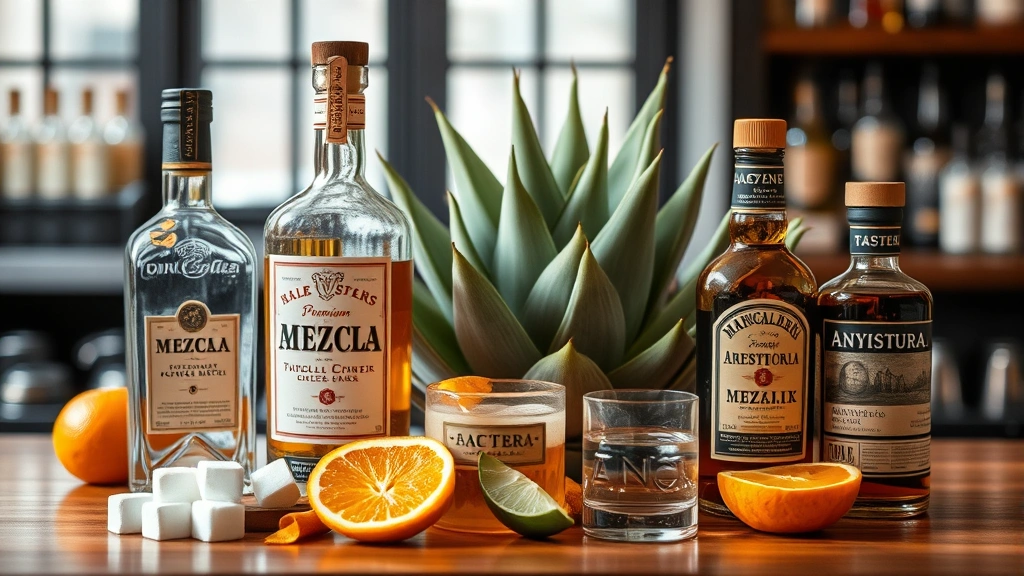
- 2 ounces premium mezcal (ideally 100% agave, espadin variety)
- 1 sugar cube (or ½ teaspoon demerara sugar)
- 2-3 dashes Angostura bitters
- 1 dash orange bitters (optional but recommended)
- Large ice cube or sphere
- Orange peel (for expression and garnish)
- Optional: pinch of sea salt
The preparation technique is crucial. Begin by placing your sugar cube in a rocks glass, then add the bitters directly onto the sugar. Using a bar spoon, gently muddle the sugar and bitters together until the sugar begins to dissolve and becomes paste-like. This step should take only 10-15 seconds—you’re not trying to pulverize the sugar but rather create a sweetened bitters base that will distribute throughout your drink.
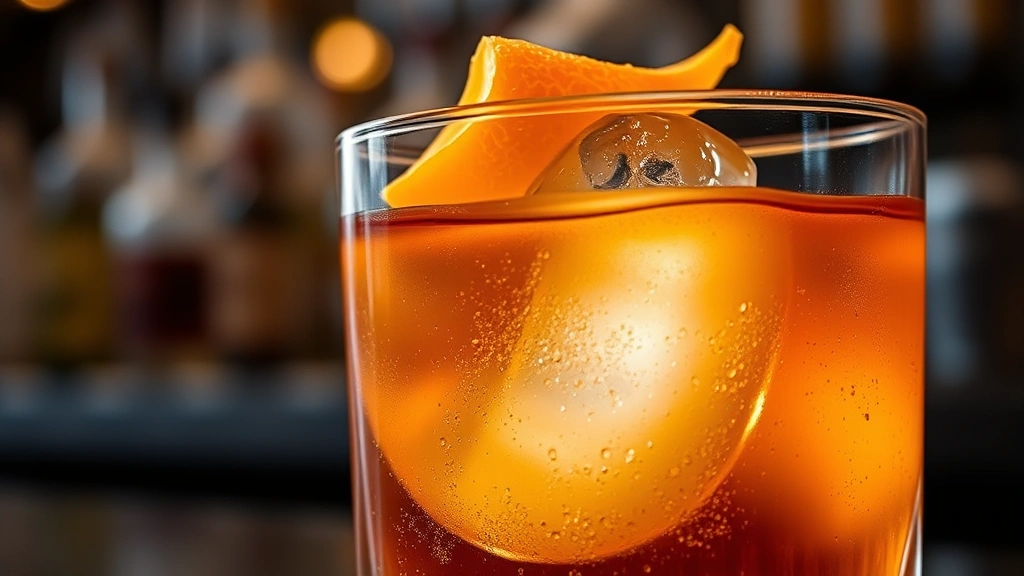
Next, add your large ice cube. The size matters significantly; a single large cube melts more slowly than multiple smaller ones, preventing over-dilution while allowing gradual cooling and opening of the spirit. Pour your mezcal over the ice slowly, allowing it to incorporate with the sugar-bitters mixture. Stir gently for about 20 seconds, which accomplishes two things: it chills the drink to proper serving temperature and allows the sugar and bitters to fully integrate with the spirit.
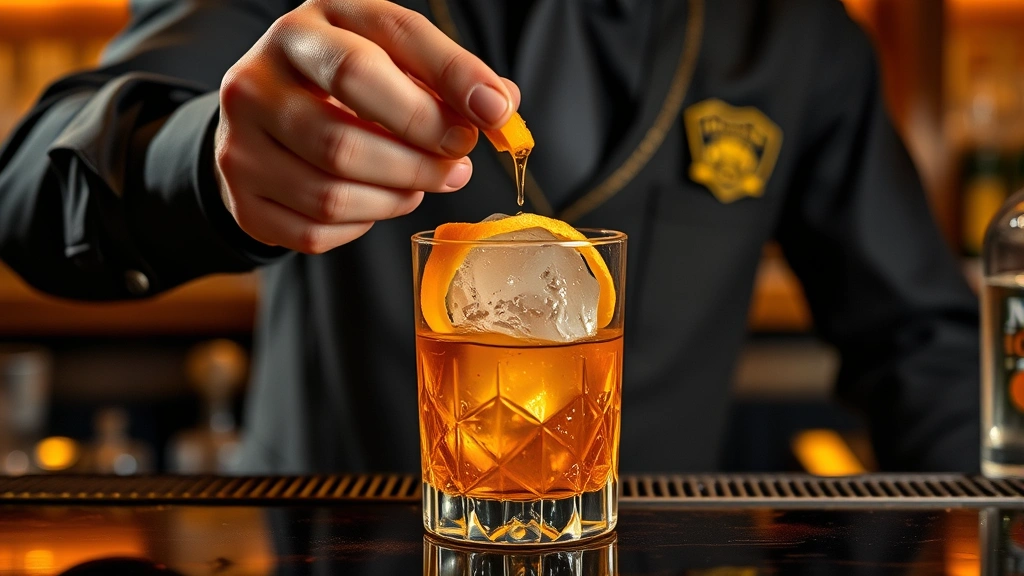
Finally, express the orange peel oils over the drink by holding it about two inches above the glass and twisting firmly so the oils spray across the surface. Drop the peel into the glass as your garnish. Some bartenders add a single large ice sphere instead of a cube—this is purely aesthetic but creates a more dramatic presentation. The entire process should take under two minutes from start to finish.
Choosing Your Mezcal Spirit
Not all mezcals perform equally in cocktails. When selecting mezcal for your old fashioned, consider these factors:
Age and Type: Joven (unaged) mezcals showcase the spirit’s pure character and smokiness, making them ideal for cocktails where you want mezcal’s personality to shine. Reposado mezcals, aged briefly in wood, offer additional complexity and vanilla notes. Avoid older, more expensive añejo expressions in cocktails—their subtlety deserves neat appreciation. Smithsonian’s mezcal guide provides excellent background on different categories.
Agave Variety: Espadin is the workhorse agave, producing balanced, approachable mezcals with moderate smokiness. Tobala mezcals offer more delicate, fruity characteristics. Arroqueño varieties tend toward earthiness. For a classic mezcal old fashioned, espadin provides the best foundation, though experimenting with other varieties reveals how dramatically agave selection impacts your final drink.
Production Method: Look for traditionally produced mezcals using pib roasting rather than industrial methods. Check the label for terms like artisanal or traditional. These spirits demonstrate superior complexity that justifies their place in a cocktail. Many craft bartenders recommend specialized mezcal reviews for detailed tasting notes and production information.
Price Point: Quality mezcal for cocktails typically ranges from $40-$70 per bottle. Avoid extremely cheap mezcals, which may lack character, and reserve premium bottles ($100+) for sipping neat. Mid-range options from respected producers like Vida, Del Maguey, or Sombra consistently deliver excellent cocktail results.
Technique Matters: Building Your Drink
The difference between a mediocre and exceptional mezcal old fashioned often comes down to technique rather than ingredients. Professional bartenders emphasize several key points:
Temperature Control: Pre-chill your glass by placing it in the freezer for at least five minutes or filling it with ice water while you prepare your drink. A warm glass dilutes your cocktail too quickly and prevents proper chilling. When you add your ice cube, the glass should be cold enough that condensation forms immediately on the exterior.
Sugar Dissolution: The muddling step requires a delicate touch. You want the sugar to dissolve into the bitters, creating an integrated sweetness rather than granular texture in your finished drink. Use a wooden bar spoon’s flat end, pressing downward with gentle twisting motions. If you’re using a sugar cube, it should gradually break apart and dissolve; if it remains intact after 15 seconds, you haven’t muddled enough.
Stirring Technique: This might seem basic, but stirring significantly impacts your drink’s final character. Use a bar spoon with a long handle, stirring continuously for 20-30 seconds. The ice should make gentle clinking sounds against the glass. Proper stirring accomplishes three things: it thoroughly chills the spirit, it achieves proper dilution (adding roughly ¼ ounce of water through ice melt), and it fully integrates all components. Many home bartenders under-stir their cocktails, resulting in drinks that lack proper integration.
Dilution Understanding: Unlike shaken cocktails that incorporate significant water, stirred drinks like the old fashioned require careful dilution management. A large ice cube melts slowly, providing controlled dilution over your drinking experience. If you use multiple small ice cubes, your drink becomes watered down within minutes. This is why ice selection truly matters—invest in a good ice mold or Lewis bag for proper large-format ice.
Garnish Expression: The orange peel isn’t merely decorative; it’s an essential flavor component. When you twist the peel, you’re expressing aromatic oils that add brightness and complexity to the drink. These oils should visibly mist across the drink’s surface. Some bartenders rub the peel around the glass rim before dropping it in, adding an extra layer of citrus aroma. This small gesture significantly elevates your final product.
Creative Variations and Twists
Once you’ve mastered the classic mezcal old fashioned, exploring variations allows you to customize the drink to your preferences and available ingredients:
Smoky Variation: Add a small pinch of smoked sea salt to your sugar-bitters mixture before adding the mezcal. This intensifies the smokiness already present in the spirit, creating an almost campfire-like complexity. Some bartenders add a single drop of liquid smoke, though this requires a careful hand to avoid overpowering the drink.
Spiced Version: Incorporate a small piece of cinnamon stick or a pinch of ground cinnamon into your muddled sugar. Cinnamon complements mezcal’s earthy character while adding warmth. A single clove or star anise pod can work similarly, though these require a lighter touch to avoid overwhelming the spirit’s natural character.
Citrus-Forward Approach: Replace orange bitters with grapefruit bitters, or add a small amount of fresh grapefruit juice (about ¼ ounce) to your drink. This creates a more refreshing variation while maintaining the cocktail’s structural integrity. The bitterness in grapefruit beautifully complements mezcal’s smoke.
Agave Nectar Version: Substitute the sugar cube with ½ ounce of agave nectar, stirring it directly into your mezcal and bitters. This creates a slightly silkier mouthfeel while honoring the agave-based spirit. However, many purists argue this strays too far from the classic formula, so consider it an occasional variation rather than your go-to preparation.
Herbal Infusion: Create a simple syrup infused with herbs like sage, rosemary, or chamomile. Use this in place of your sugar cube for a drink with additional botanical complexity. The herbal notes complement mezcal’s earthiness while adding sophistication that impresses discerning guests.
Food Pairing Suggestions
The mezcal old fashioned’s complex flavor profile makes it remarkably food-friendly. Understanding how to pair it with dishes elevates your entertaining game:
Savory Appetizers: The drink’s smokiness pairs exceptionally well with charred or grilled foods. Serve it alongside grilled shrimp, charred vegetables, or smoked meats. The bitters add complexity that complements savory umami flavors beautifully. Consider how Bon Appétit’s cocktail pairing guide approaches spirit selection with food.
Mexican Cuisine: This pairing feels almost obvious but shouldn’t be overlooked. The mezcal old fashioned complements authentic Mexican dishes—chile-forward preparations, mole sauce, carnitas, or chile rellenos. The spirit’s terroir creates a harmonious connection to the cuisine’s heritage and flavor profiles.
Cheese and Charcuterie: The drink’s balance makes it excellent with cheese boards. Pair it with aged cheddar, smoked gouda, or sharp manchego. For charcuterie, spicy chorizo and prosciutto work particularly well. The bitters cut through fat while the mezcal’s smokiness echoes any smoke flavors in the charcuterie.
Chocolate Desserts: The mezcal old fashioned’s complexity extends to dessert pairings. Serve it alongside dark chocolate preparations, mole-based desserts, or chocolate-chile combinations. The spirit’s earthiness complements chocolate’s depth while the bitters add brightness that prevents richness from overwhelming.
Spiced Dishes: Foods featuring cumin, coriander, or other warm spices pair beautifully with this cocktail. The mezcal’s natural spice notes create harmonic resonance with these flavors. Think Indian-inspired appetizers, Middle Eastern mezze, or Southwestern preparations.
FAQ
What’s the difference between mezcal and tequila in an old fashioned?
While both are agave spirits, mezcal offers significantly more smokiness and complexity due to its traditional pib roasting process. Tequila, which uses steam ovens, produces a cleaner, more neutral spirit. In an old fashioned, mezcal creates a more distinctive, memorable drink with deeper character. The smoke in mezcal interacts beautifully with bitters and citrus in ways tequila cannot replicate.
Can I make a mezcal old fashioned without a sugar cube?
Absolutely. Use ½ teaspoon of demerara sugar or other coarse sugar instead. You’ll achieve similar results, though the ritual of muddling a cube provides slightly better sugar dissolution. Some bartenders prefer simple syrup, using ½ ounce in place of sugar, though purists argue this deviates from the classic formula by adding unnecessary dilution.
Should I use agave nectar instead of sugar?
While agave nectar adds silky mouthfeel, it masks mezcal’s character more than sugar does. The classic formula with sugar allows the spirit to shine. Reserve agave nectar for variations or when specifically aiming for a silkier texture. Sugar’s crystalline sweetness complements mezcal’s complexity better than agave nectar’s rounder sweetness.
What if I can’t find quality mezcal locally?
Online retailers specializing in spirits offer excellent mezcal selection with detailed descriptions. Websites like Drizly or ReserveBar ship to many states and provide customer reviews helping you select quality bottles. Alternatively, many local bars serve mezcal old fashioneds—order one to experience the drink before investing in home bottles.
How does the mezcal old fashioned compare to other mezcal cocktails?
The mezcal old fashioned prioritizes the spirit’s character through minimal, complementary ingredients. Other mezcal cocktails like margaritas or palomas add significant citrus and sweetness, which can mask mezcal’s subtle qualities. The old fashioned format allows you to truly experience what makes mezcal special, making it ideal for spirit appreciation.
Can I batch mezcal old fashioneds for parties?
Pre-batching works well for this drink. Combine your mezcal, bitters, and a small amount of water (about 1 ounce per drink) in a bottle, then chill thoroughly. When serving, pour into ice-filled glasses and stir briefly. However, freshly made drinks taste superior because the stirring process with ice creates better integration and temperature control. If batching, prepare drinks in small batches rather than one large batch.
What bitters work best?
Angostura is the classic choice, providing aromatic complexity that complements mezcal beautifully. Orange bitters add brightness and citrus notes. For variations, try chocolate bitters with darker mezcals or walnut bitters for earthier expressions. Avoid overly trendy bitters that might overpower the spirit—stick with established brands that bartenders trust.
Should I chill the mezcal before making the drink?
Chilling mezcal before cocktail preparation isn’t necessary if you stir properly with a large ice cube. The stirring process sufficiently chills the spirit while achieving proper dilution. Some bartenders keep mezcal in the freezer anyway for convenience, though this doesn’t significantly improve the final drink if your technique is solid.

Related Posts
Perfect Old Fashioned Donut: Baker’s Secrets
Old Fashioned Chocolate Pie Recipe? Chef’s Favorite