Luxury Makeup Trends? Insider Fashion Insights
Luxury Makeup Trends: Insider Fashion Insights from High-End Beauty Houses
The world of luxury makeup has undergone a remarkable transformation in recent years, with prestigious fashion houses elevating beauty to an art form that rivals haute couture itself. What was once considered a secondary category within the luxury goods market has become a primary focus for brands like Chanel, Dior, and Tom Ford, who invest billions in research, packaging innovation, and celebrity partnerships to create products that transcend mere cosmetics. These aren’t just makeup items; they’re status symbols, investment pieces, and expressions of personal identity that reflect the wearer’s understanding of contemporary beauty culture.
The intersection of fashion and makeup has never been more pronounced, with luxury fashion house collaborations pushing creative boundaries and setting trends that trickle down to mainstream beauty within seasons. From the runways of Paris Fashion Week to the Instagram feeds of beauty influencers, we’re witnessing an unprecedented moment where makeup application techniques, color palettes, and product formulations are being dictated by the same creative directors who design billion-dollar clothing collections. This article explores the most compelling luxury makeup trends reshaping the industry, insider perspectives from makeup artists who work with these prestigious brands, and practical guidance for understanding why these trends matter to your beauty routine.
The Rise of Fashion House Beauty Empires
The luxury fashion house makeup category represents one of the most lucrative segments in the global cosmetics industry, with projections suggesting the market will exceed $80 billion by 2030. Major fashion conglomerates like LVMH, Kering, and Richemont have recognized that beauty products offer higher profit margins than apparel, with repeat purchase cycles that create sustained revenue streams. When Chanel released their iconic Rouge Coco lipstick, they weren’t simply selling a lip color; they were extending the Chanel brand narrative into a category where consumers interact with the brand multiple times daily.
What distinguishes luxury fashion house makeup from mass-market alternatives isn’t solely the formulation, though that certainly matters. It’s the entire ecosystem surrounding the product: the heritage storytelling, the association with creative excellence, the limited availability, and the aspirational positioning that makes owning a Dior lipstick feel fundamentally different from purchasing a drugstore equivalent. The intersection of luxury branding and environmental responsibility has also become crucial, with consumers increasingly expecting high-end brands to demonstrate ethical sourcing and sustainable practices.
Contemporary luxury makeup trends reflect broader shifts in how fashion houses approach their brand extensions. Rather than treating beauty as an afterthought to their primary clothing business, houses like Gucci Beauty, Valentino Beauty, and Saint Laurent Beauty employ the same level of creative rigor and investment in their cosmetics lines. These brands employ world-renowned makeup artists, collaborate with dermatologists and cosmetic chemists, and conduct extensive research into consumer preferences and emerging beauty aesthetics.
Color Trends Dominating Luxury Collections
The color palettes emerging from luxury fashion houses in 2024 tell a fascinating story about contemporary beauty aesthetics and cultural shifts. Warm, earthy tones have dominated for several seasons, reflecting a broader movement toward natural, skin-tone-harmonious makeup that celebrates individual beauty rather than imposing universal standards. However, luxury houses are simultaneously pushing boundaries with unexpected jewel tones, muted metallics, and unexpected color combinations that challenge conventional makeup application wisdom.
Dior’s latest collection showcases a sophisticated approach to color theory, with their makeup artists developing custom formulations that work across diverse skin tones. The brand’s recent launch of their Dior Addict lip collection features colors with names rooted in haute couture heritage, such as “Midnight Bloom” and “Golden Hour,” each designed to evoke specific emotional and aesthetic responses. Tom Ford Beauty, another leader in luxury makeup innovation, has pioneered the use of advanced pigment technology that creates colors appearing to shift and transform depending on lighting conditions and skin tone.
The trend toward personalization means luxury brands are moving away from one-size-fits-all color recommendations. Instead, they’re developing sophisticated tools and consulting with beauty experts to help consumers identify which luxury makeup shades will work best with their specific undertones. This represents a significant departure from previous decades when luxury brands often dictated color trends rather than responding to consumer diversity.
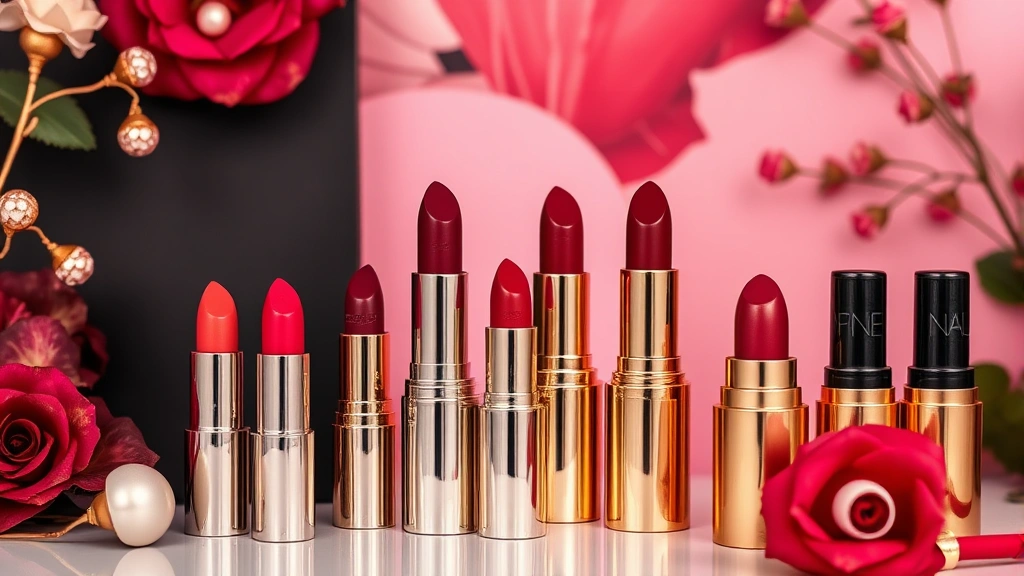
Burgundy, oxblood, and deep plum shades have experienced a remarkable resurgence, particularly in lip products from luxury houses. These colors, which were considered risky or unflattering just five years ago, are now positioned as sophisticated, empowering choices that signal confidence and fashion-forward thinking. The psychological aspect of luxury makeup color selection cannot be overstated; choosing a bold shade from a prestigious fashion house feels like making a deliberate style statement rather than simply applying makeup.
Texture Innovation and Formulation Excellence
Beyond color, the texture and performance characteristics of luxury makeup have evolved dramatically. High-end fashion houses are investing heavily in research and development to create products that deliver superior wear time, blendability, and finish quality. The luxury market has seen a shift toward hybrid formulations that combine the best properties of different product types: the precision of cream makeup with the blendability of powder, or the longevity of liquid products with the comfort of solid formats.
Chanel’s recent innovation in their foundation line demonstrates this commitment to formulation excellence. Their latest releases feature adaptive pigment technology that adjusts to skin tone variations across the face, eliminating the need for precise shade matching while ensuring seamless blending. This represents years of cosmetic chemistry research and represents the kind of innovation that justifies the premium pricing consumers associate with luxury fashion house makeup.
The texture landscape has also embraced unexpected finishes. Matte finishes, once considered aging or unflattering, have been reformulated to deliver sophisticated, velvety textures that feel luxurious rather than drying. Simultaneously, luminous finishes have evolved beyond simple shimmer, with luxury houses creating products that deliver a healthy glow without appearing glittery or artificial. The balance between these finishes represents a maturation in luxury beauty aesthetics.
Sustainability considerations are influencing formulation approaches as well. Many luxury fashion houses are reformulating products to reduce synthetic ingredients, incorporate natural extracts with skincare benefits, and eliminate problematic chemicals. This movement toward cleaner luxury makeup represents a fascinating convergence of how consumer choices impact environmental outcomes and personal beauty preferences.
Sustainability Meets Luxury in Modern Makeup
The luxury makeup market is experiencing a profound shift toward environmental and social responsibility, driven by both consumer demand and regulatory pressures. Fashion houses like Gucci and Burberry have committed to eliminating plastic packaging from their beauty lines, replacing traditional containers with refillable systems and sustainable materials. This represents a significant departure from the industry norm, where packaging often comprises 40-50% of a product’s environmental footprint.
The concept of “conscious luxury” has emerged as a defining trend, where consumers are willing to pay premium prices specifically because brands demonstrate genuine commitment to sustainability. Luxury fashion house makeup collections increasingly feature transparency about ingredient sourcing, manufacturing processes, and supply chain ethics. Brands are publishing detailed sustainability reports and third-party certifications that validate their environmental claims.
This shift also relates to broader conversations about how human activities affect environmental systems and individual responsibility for consumption choices. Luxury makeup consumers, by virtue of their purchasing power, represent a demographic capable of driving meaningful change through their buying decisions. When Chanel announces they’re eliminating single-use packaging or sourcing rare ingredients through ethical partnerships, they’re signaling that luxury and responsibility can coexist.
Refillable luxury makeup has become increasingly sophisticated, with brands designing beautiful, reusable containers that customers actually want to keep. This approach transforms makeup from disposable consumables into lasting objects, aligning with broader luxury goods philosophy where items are meant to be cherished and preserved rather than discarded.
Celebrity Collaborations and Limited Editions
The celebrity-driven makeup trend has evolved considerably, with luxury fashion houses moving beyond simple endorsement deals toward genuine creative collaborations. When a celebrity partners with a luxury fashion house makeup line, the resulting products are often developed through collaborative design processes where the celebrity’s personal aesthetic directly influences formulation, color selection, and packaging design.
These collaborations serve multiple strategic purposes: they generate excitement and urgency through limited availability, they provide authentic celebrity endorsement (since the products genuinely reflect the collaborator’s preferences), and they create cultural moments that extend beyond the beauty category into fashion, entertainment, and lifestyle discourse. A makeup collaboration between a beloved actress and a luxury fashion house becomes a cultural event worthy of media coverage and social discussion.
The scarcity model employed by luxury houses creates psychological appeal that transcends the actual product quality. When a collaboration is limited to 10,000 units globally, consumers experience genuine urgency and investment value. These limited-edition releases often appreciate in secondary markets, with certain luxury makeup collaborations becoming collectible items that retain or increase in value over time.
However, the luxury makeup collaboration landscape is becoming increasingly sophisticated and selective. Brands are moving away from collaborations that feel opportunistic or misaligned with their core aesthetic. Instead, they’re seeking partnerships that feel authentic and culturally resonant. This evolution reflects maturation in luxury brand strategy and recognition that not every celebrity partnership enhances brand prestige.
The Art of Luxury Packaging and Unboxing
In the luxury makeup category, packaging isn’t merely functional; it’s integral to the product experience and brand narrative. High-end fashion houses invest extensively in packaging design, materials, and the unboxing experience, recognizing that the moment a consumer opens their purchase significantly influences their perception of value and satisfaction.
Recent luxury makeup packaging trends emphasize minimalism paired with unexpected luxury materials. Where brands once relied on excessive gold detailing and ornate designs, contemporary luxury packaging often features clean lines, premium materials like sustainable wood or recycled glass, and sophisticated typography. This shift reflects broader design trends where restraint and quality materials communicate luxury more effectively than excessive ornamentation.
The unboxing experience has become crucial to luxury brand positioning. Brands like Dior and Valentino Beauty have designed packaging that unfolds or reveals products in ways that feel theatrical and memorable. This attention to detail transforms purchasing makeup into an event rather than a transaction, creating shareable moments that extend the brand experience beyond the product itself.
Personalization in packaging has also emerged as a significant luxury trend. Some fashion houses now offer custom engraving, monogramming, or bespoke packaging options that transform makeup into individualized luxury goods. This approach aligns with broader luxury industry trends toward customization and exclusivity, allowing consumers to create truly unique products that reflect their personal identity.
The sustainability conversation has also transformed luxury packaging philosophy. Brands are discovering that sustainable, minimal packaging often feels more luxurious than excessive, wasteful designs. This convergence of aesthetic appeal, environmental responsibility, and functional excellence represents the direction luxury packaging is heading.
Investment Pieces: Makeup as Collectibles
An emerging trend in luxury beauty involves treating makeup as investment pieces and collectible items rather than consumables. Certain limited-edition luxury makeup releases have demonstrated remarkable appreciation in secondary markets, with rare collaborations or discontinued shades commanding premium prices on resale platforms.
This collectibility stems from several factors: the limited production quantities, the association with specific designers or celebrities, the quality and uniqueness of the formulations, and the cultural significance of particular releases. A vintage Chanel lipstick in a discontinued shade can appreciate substantially over time, particularly if it’s still sealed or gently used. This investment potential has created an entirely new market dynamic where serious beauty enthusiasts approach luxury makeup purchases with the same consideration they’d apply to other luxury goods investments.
The authentication and condition of luxury makeup collectibles matters tremendously. Serious collectors maintain detailed records of their acquisitions, understand market values, and participate in communities dedicated to luxury beauty curation. This phenomenon demonstrates how luxury fashion house makeup has transcended its primary function to become a legitimate category within luxury goods collecting.
Museums and fashion institutions have begun recognizing the cultural and artistic significance of luxury makeup design. Major fashion houses have established makeup archives documenting the evolution of their beauty products, acknowledging that makeup represents important design history and cultural commentary. This institutional recognition further legitimizes makeup as worthy of serious aesthetic and historical consideration.
For consumers interested in luxury makeup investment, the key is understanding which products are likely to appreciate: limited collaborations with renowned designers, discontinued shades in iconic color families, and releases tied to significant cultural moments or fashion house anniversaries tend to hold value most effectively.
FAQ
What makes luxury fashion house makeup worth the premium price?
Luxury fashion house makeup commands premium pricing due to superior formulation quality, innovative ingredient technology, extensive research and development investment, prestigious brand heritage, limited availability, sophisticated packaging, and the cultural cachet associated with fashion houses. These brands employ world-class cosmetic chemists, conduct rigorous testing across diverse skin tones, and maintain higher quality control standards than mass-market alternatives. The premium also reflects the brand’s broader luxury positioning and the investment in marketing and celebrity partnerships that create cultural relevance.
How should I choose between different luxury makeup brands?
Selection should consider your personal aesthetic preferences, skin tone compatibility, specific product performance needs, and brand values alignment. Research shade ranges and reviews specific to your skin tone, as luxury brands vary in their inclusivity. Consider visiting department stores or brand boutiques for professional color matching. Think about whether the brand’s sustainability practices and ethical standards align with your values. Additionally, assess texture preferences and finish types that work best with your skin type, as different luxury houses emphasize different formulation philosophies.
Are luxury makeup products actually better than drugstore alternatives?
Luxury makeup generally offers superior formulation, performance, and longevity compared to drugstore products, though the difference varies by category. Luxury foundations and concealers typically provide better shade range, blendability, and wear time. Color cosmetics like eyeshadows and lipsticks often feature more sophisticated pigments and finishes. However, some drugstore products perform comparably in specific categories. The primary distinction lies in consistency, innovation, and the overall experience rather than universal superiority across all product types.
Which luxury makeup trends are actually wearable for everyday use?
Warm, earthy tones and natural finishes remain highly wearable for daily application, particularly when sourced from luxury houses that prioritize skin-tone-harmonious colors. Sophisticated nude and brown lip shades from brands like Chanel offer versatility across occasions. Neutral eyeshadow palettes with subtle shimmer finishes work beautifully for professional and casual settings. The key is selecting luxury products that align with your personal style rather than pursuing trends that feel uncomfortable or inauthentic. Luxury brands increasingly offer products designed for everyday wearability alongside statement pieces.
How do I authenticate luxury makeup and avoid counterfeits?
Purchase exclusively from authorized retailers, including brand boutiques, department stores, and official online platforms. Examine packaging carefully for printing quality, weight of the product, and proper branding. Counterfeit luxury makeup often features misspelled text, poor packaging quality, and incorrect batch codes. Research specific brand authentication markers before purchasing rare or vintage items. Be suspicious of significantly discounted prices on full-size products, as luxury brands maintain price consistency across authorized retailers. For vintage or limited-edition pieces, consider authentication services or expert consultation before making significant investments.
What’s the difference between luxury and prestige makeup categories?
Luxury makeup refers to products from high-fashion houses and heritage beauty brands, typically priced at $40+ for lipsticks and $60+ for foundations, with emphasis on brand heritage and prestige. Prestige makeup occupies a middle category, priced between drugstore and luxury, including brands like MAC, Urban Decay, and Estée Lauder. Prestige brands often emphasize innovation and trendy aesthetics, while luxury brands prioritize heritage, exclusivity, and the broader brand narrative. The distinction increasingly blurs as prestige brands adopt luxury positioning strategies and luxury brands develop more accessible product lines.
External Resources:

Related Posts
Perfect Old Fashioned Donut: Baker’s Secrets
Old Fashioned Chocolate Pie Recipe? Chef’s Favorite