How to Do Eye Makeup for Beginners
Table of Contents
Introduction
Let’s be honest—eye makeup can feel intimidating when you’re just starting out. But here’s the thing: it’s actually one of the most rewarding skills you can learn. Think about it. A little eyeshadow here, some well-placed eyeliner there, and suddenly your eyes are doing all the talking. Whether you want to keep things simple for everyday wear or go bold for a night out, mastering the basics of eye makeup opens up a whole world of possibilities. And the best part? You don’t need to be an artist to get stunning results.
I get it—walking into a makeup store can feel overwhelming. There are so many products, brushes, and techniques that it’s easy to freeze up and wonder where to even begin. (Trust me, we’ve all been there.) But here’s what I’ve learned: once you understand the fundamentals, everything else starts to click. It’s not just about looking good—though you absolutely will. It’s about that confidence boost you get when you catch yourself in the mirror and think, “Wow, I did that.” Plus, knowing what you’re doing helps you avoid those cringe-worthy makeup mistakes we’ve all made at some point.
Want to fast-track your learning? Sometimes it helps to see the pros in action. Finding the best beauty salons near you can be a game-changer for picking up new tricks and getting personalized advice for your unique features. Watching a professional work their magic can inspire you and give you ideas you never would have thought of on your own. And while you’re building your skills, don’t overlook the basics—like learning how to use a beauty blender properly. These little details make a huge difference in how polished your final look appears.
Now, here’s something that took me way too long to figure out: not all eye makeup techniques work for every eye shape. Seriously, this was a revelation. If you have hooded eyes, for instance, the standard tutorials you see everywhere might not work for you—and that’s totally normal! The good news? We’ve got you covered with specific guidance on how to do makeup for hooded eyes. Once you understand what works for your particular eye shape, everything becomes so much easier. Your makeup will look better, and you’ll feel more confident because you’re working with your natural features instead of against them.
What You’ll Learn in This Guide
Ready to dive in? This guide is designed specifically for beginners who want to master eye makeup without feeling overwhelmed. We’ll start with the absolute basics and build up your skills step by step. No confusing jargon, no assumptions that you already know what a “transition shade” is—just clear, practical advice you can actually use.
- Understanding the Basics: We’ll start at square one—how to prep your eyelids, what products to buy first, and which ones you can skip until later (your wallet will thank you).
- Identifying Your Eye Shape: This is where the magic happens. Learn to identify your unique eye shape and discover which techniques will make your eyes look their absolute best.
- Essential Tools and Products: Cut through the marketing hype and focus on what you actually need. We’ll cover the must-have brushes, eyeshadows, eyeliners, and mascaras that belong in every beginner’s kit.
- Step-by-Step Application: Time to put it all together! Follow our detailed walkthrough to create your first complete eye look, with tips on blending, eyeliner tricks, and mascara application that actually works.
As we work through this together, you’ll pick up insider knowledge that usually takes months of trial and error to discover. We’ll tackle those common beginner mistakes (like using too much eyeshadow or making your eyeliner too thick) and share practical tips for making your makeup stay put all day. Because let’s face it—what’s the point of spending time on your makeup if it’s going to disappear by lunch?
Up next, we’re diving into eye shapes and product selection. You’ll learn how to choose tools that actually work for your needs instead of just buying whatever looks pretty in the store. We’ll also start practicing techniques that can instantly upgrade your look. No more guessing or feeling frustrated—just clear guidance that builds your confidence with every step. And if you’re the type who loves to go deeper, we’ll share some pro tips that can take your skills to the next level.
By the time we’re done, you’ll have everything you need to create beautiful eye makeup that enhances your natural features and reflects your personal style. The best part? You’ll actually enjoy the process instead of stressing about it. So grab your favorite beverage, get comfortable, and let’s start this journey together. Your eyes are about to become your new favorite feature!
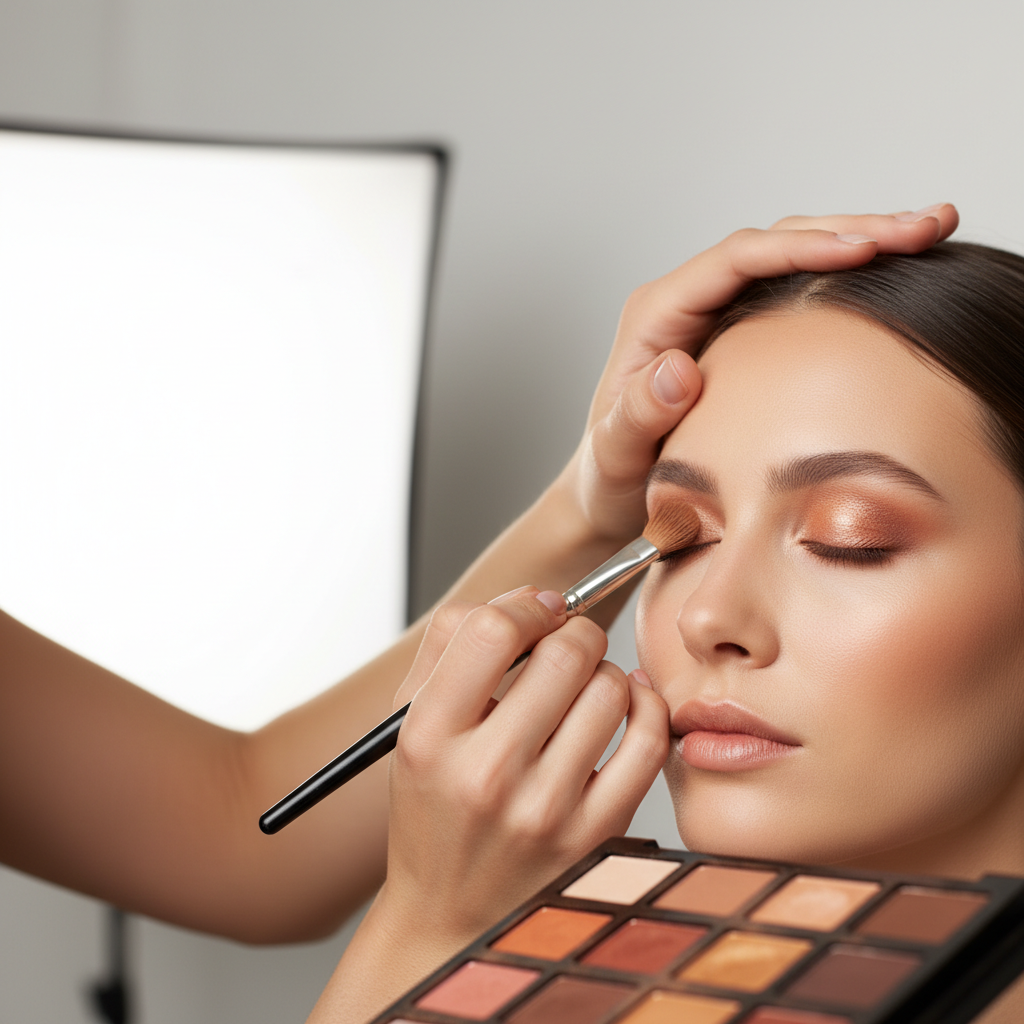
Ready to dive into eye makeup? I get it—it’s exciting and terrifying all at once. One minute you’re watching a tutorial thinking “this looks easy,” and the next you’re staring at your reflection wondering what went wrong. But here’s the thing: once you nail down a few basics (like figuring out your eye shape and getting the right tools), everything else starts clicking into place. We’re going to walk through the two game-changers that’ll take you from fumbling around to actually knowing what you’re doing. Trust me, these fundamentals will give you the confidence to play around and find your own style.
Understanding Your Eye Shape for Flawless Makeup Application
Here’s something most tutorials won’t tell you upfront: your eye shape changes everything. Seriously. You could follow the most gorgeous Instagram tutorial step-by-step, but if it’s designed for almond eyes and you have hooded eyes? Yeah, it’s probably not going to work the way you hoped. There are five main eye shapes—round, hooded, almond, monolid, and downturned—and each one has its own little quirks that affect how makeup shows up. Once you figure out which category you fall into, you can stop trying to force techniques that weren’t meant for your eyes and start working with what you’ve got. Speaking of hooded eyes, if you think that might be you, definitely check out this expert guide on how to do makeup for hooded eyes—it’s a total game-changer.
When you understand your eye shape, everything becomes intentional. Instead of randomly applying eyeshadow and hoping for the best, you’ll know exactly where to place that darker shade to make your eyes pop. Hooded eyes? You’ll learn to bring that crease color up higher than you think you should. Almond eyes? Classic winged liner is your best friend. It’s like having a roadmap instead of just wandering around lost. And honestly, once you see how much more vibrant and open your eyes look with the right techniques, you’ll wonder why nobody taught you this stuff earlier.
Key Features of Common Eye Shapes
Let’s break down what makes each eye shape unique—because knowing these details will totally change your approach:
- Round Eyes: These have that wide, circular look with lots of visible eyelid space. Your mission? Create length and definition with strategic eyeliner and contouring to elongate the shape.
- Hooded Eyes: That little fold of skin drapes over your eyelid, sometimes hiding your eyeshadow work. The trick is working above the natural crease and keeping liners subtle to open things up.
- Almond Eyes: Lucky you—these are slightly upturned with a visible crease, and they’re basically the Swiss Army knife of eye shapes. Most techniques work beautifully, especially those classic winged looks.
- Monolid Eyes: No visible crease means you get to create depth through blending magic. Gradient eyeshadow looks are your secret weapon for adding dimension.
- Downturned Eyes: The outer corners dip lower than the inner ones, but don’t worry—lifting liner techniques and strategic shading can totally balance things out.
Here’s what I wish someone had told me when I started: embrace your eye shape instead of fighting it. Those “mistakes” you think you’re making? Half the time, you’re just using techniques meant for different eyes. Once you start working with your natural shape instead of against it, you’ll avoid those frustrating thick eyeliner disasters and eyeshadow-that-disappears moments.
Now that we’ve got the eye shape thing sorted (and trust me, this knowledge is going to save you so much time and frustration), let’s talk about the tools that’ll actually help you execute these techniques properly.
Essential Tools and Products to Master for Beginner Eye Makeup
Okay, let’s be real about the tools situation. Walk into any beauty store and you’ll find approximately a million different brushes, each claiming to be “essential.” It’s overwhelming, and honestly, half of them are just marketing nonsense. What you actually need is a solid lineup of versatile tools that’ll grow with you as you get better. Quality beats quantity every single time—I’d rather have three amazing brushes than fifteen mediocre ones that shed all over my face. And if you’re looking to up your blending game beyond just eyes, this comprehensive guide on how to use a beauty blender is pure gold for mastering those seamless finishes.
Start with the basics: a good eyeshadow palette (neutral shades are your friend while you’re learning), some reliable eyeliners, mascara that actually works, and—this is non-negotiable—eye primer. I know primer seems like an extra step you don’t need, but trust me on this one. It’s the difference between eyeshadow that looks vibrant all day and eyeshadow that creases into oblivion by lunch. Begin with pencil eyeliners because they’re forgiving, then work your way up to gels and liquids once you’ve got your confidence up. And mascara? Find one that works for your lashes and stick with it—there’s no need to overcomplicate this part.
Core Brushes and Eye Makeup Products for Beginners
Here’s your starter kit breakdown—these are the real MVPs that’ll actually make a difference in your results:
- Blending Brush: This fluffy wonder is your best friend for creating those seamless color transitions. No more harsh lines that scream “amateur hour.” Master this brush and you’re halfway to pro-looking eyes.
- Flat Shader Brush: Perfect for packing color exactly where you want it with maximum intensity. No fallout, no mess—just pure, concentrated color payoff.
- Angled Brush: Your precision tool for sharp eyeliner and defined brows. It’s like having a tiny, controllable paintbrush for all your detail work.
- Eyeshadows: Start with a palette that has both matte and shimmer shades in neutral territory. You can create everything from subtle day looks to dramatic evening vibes with the right neutral palette.
- Eyeliner: Begin with pencils—they’re forgiving and buildable. Once you’re comfortable, graduate to gels and liquids for those sharp, Instagram-worthy lines.
- Mascara: Whether you need volume, length, or waterproof staying power, find your formula and stick with it. This is what pulls your whole look together.
- Eye Primer: Non-negotiable. It prevents creasing, makes colors pop, and keeps everything looking fresh for hours. Seriously, don’t skip this step.
Here’s the truth: having the right tools makes everything easier and more enjoyable. When your brushes actually blend properly and your products stay put, you’ll find yourself wanting to experiment more instead of getting frustrated and giving up. Start with these essentials, get comfortable with how they work, and then you can branch out into more specialized tools as your skills (and enthusiasm) grow.

Here’s the thing about eye makeup—it might feel overwhelming when you’re starting out, but trust me, it becomes one of the most fun parts of your routine once you get the hang of it. We’ve walked through everything you need to know, starting with the game-changer: figuring out your eye shape. Whether you’ve got almond, hooded, round, monolid, or downturned eyes, knowing this changes everything. It’s like having a secret weapon that helps you work with what you’ve got instead of fighting against it. And honestly? When you tailor your technique to your natural features, your eyes don’t just look good—they look like the best version of themselves.
We also covered all the essentials you’ll want in your makeup bag. A decent blending brush, versatile eyeshadow palettes, reliable eyeliners—these aren’t just nice-to-haves, they’re your new best friends. Choosing products that match your skill level (and let’s be real, your budget) makes the whole learning curve so much smoother. Then we broke down the actual process: prepping with primer (seriously, don’t skip this step), blending eyeshadow like a pro, nailing those eyeliner techniques, and finishing with mascara that actually opens up your eyes. Those common mistakes we talked about? They’re basically rites of passage. Skip the primer once, and you’ll never forget it again. Over-apply mascara? We’ve all been there.
But here’s what really matters: practice. Every time you try a new look, you’re building muscle memory and confidence. Soon enough, you’ll be experimenting with styles that are totally you—not just copying what everyone else is doing. Because let’s face it, makeup should be fun. It’s about feeling good in your own skin, not just looking picture-perfect.
Now that you’ve got the basics down, let’s talk next steps. If you’re dealing with hooded eyes, definitely check out our detailed guide on how to do makeup for hooded eyes—it’s packed with tricks that actually work for your eye shape. Want your makeup to look seamless? Learning to use a beauty blender properly is a total game-changer. Our beauty blender guide covers everything you need to know about blending like a pro. And if you want some hands-on help or just need inspiration, finding the best beauty salons near you can be amazing for getting personalized tips and trying new techniques with professional guidance.
With everything you’ve learned and these resources at your fingertips, you’re ready to dive in. Practice regularly, play around with different looks, and don’t be afraid to make it your own. The more you experiment, the more you’ll discover what works for you—and what makes you feel amazing.
Remember something important: every makeup artist you admire started exactly where you are right now. They learned the basics, practiced until their hands knew what to do, and built their skills one look at a time. You’ve got the foundation, the tools, and the knowledge to create beautiful eye looks that bring out your natural beauty. Be patient with yourself (seriously, this stuff takes time), have fun with it, and celebrate those little wins along the way. Each time you nail that winged liner or blend those shadows perfectly, you’re one step closer to becoming your own makeup artist. Keep exploring tutorials and expert advice as you get more comfortable—there’s always something new to learn, and that’s part of what makes this journey so exciting.
Frequently Asked Questions
-
What is the best eyeshadow palette for beginners?
- Neutral palettes with a mix of matte and shimmer shades offer versatility and ease of use, making them ideal for beginners.
-
How do I choose the right eyeliner?
- Start with pencil eyeliner for easy application and control. As your confidence grows, you can experiment with gel or liquid liners.
-
How can I prevent my eye makeup from smudging?
- Use an eye primer before applying eyeshadow and set your look with a setting spray to increase longevity and prevent smudging.
-
How often should beginners practice eye makeup?
- Practicing a few times a week helps you build skills and increase your speed and confidence over time.
-
Can I wear eye makeup if I have sensitive eyes?
- Choose hypoallergenic and ophthalmologist-tested products designed for sensitive eyes to minimize irritation risks.

Related Posts

How to Make Your Eyelashes Grow Faster

How to Apply False Eyelashes: Step-by-Step Guide