Grandma’s Sweet Potato Pie Recipe: Tried & True
Grandma’s Sweet Potato Pie Recipe: Tried & True Family Favorite
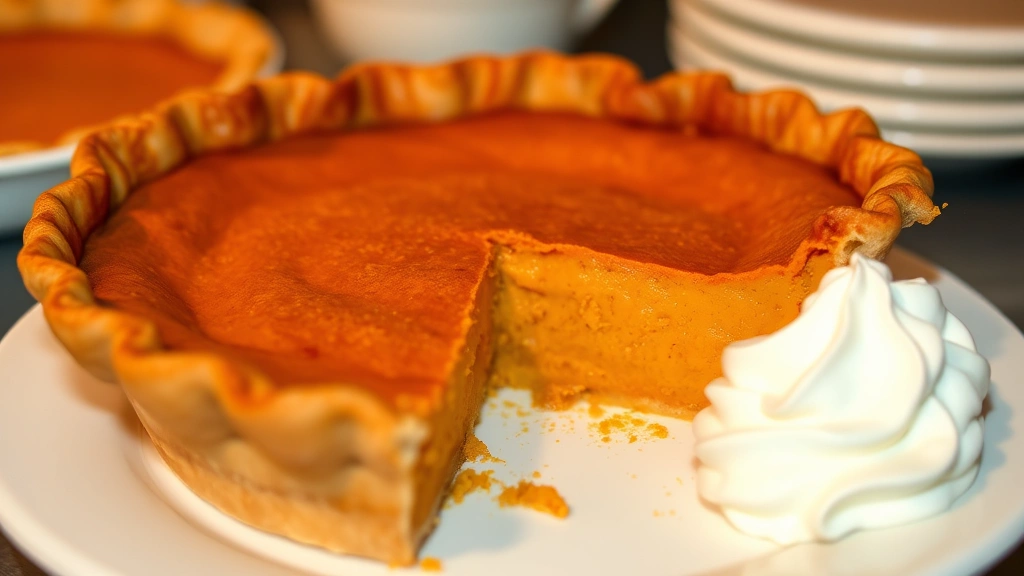
There’s something truly magical about the aroma of sweet potato pie baking in the oven on a crisp autumn morning. This classic dessert has graced family tables for generations, carrying with it the warmth of tradition and the comfort of home. My grandmother’s sweet potato pie recipe isn’t just any dessert—it’s a time-honored creation that has been perfected over decades, passed down through our family with love and meticulous care. Every slice tells a story of patience, quality ingredients, and the kind of cooking that comes straight from the heart.
What makes grandma’s old fashioned sweet potato pie recipe truly special is the simplicity of its approach combined with the depth of its flavors. Unlike modern shortcuts and store-bought alternatives, this traditional recipe relies on fresh sweet potatoes, warm spices, and a buttery homemade crust that rivals any bakery. The filling achieves that perfect balance between creamy and slightly textured, with a subtle sweetness that doesn’t overwhelm the palate. Whether you’re preparing this for Thanksgiving, Christmas, or simply craving that nostalgic taste of home, this grandmother’s recipe delivers authenticity and deliciousness in every bite.
Essential Ingredients for Authentic Sweet Potato Pie
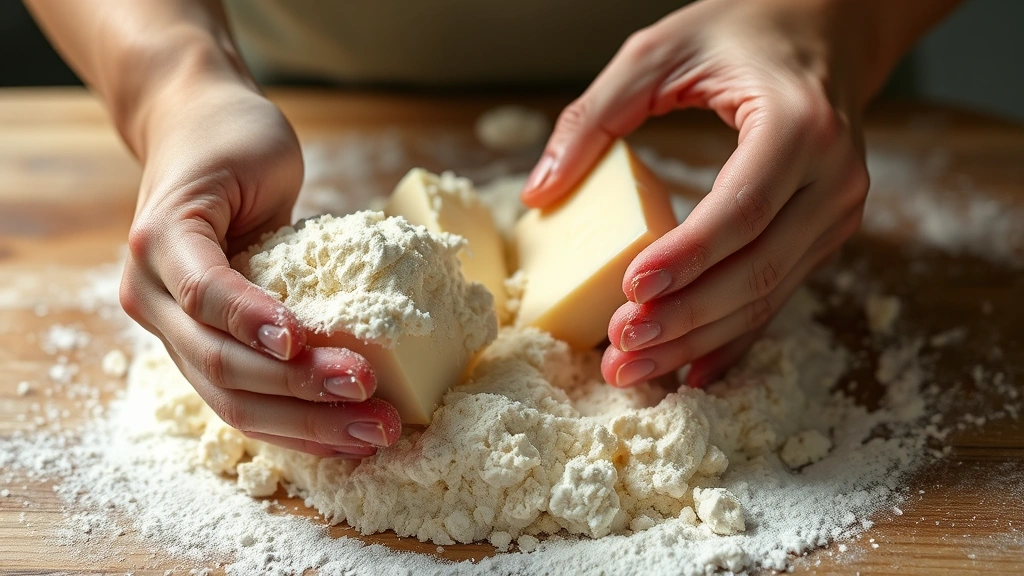
The foundation of any excellent sweet potato pie begins with selecting the right ingredients. My grandmother always insisted on using fresh sweet potatoes rather than canned versions, believing that quality ingredients produce superior results. For a standard 9-inch pie, you’ll need approximately three medium sweet potatoes, which should yield about two cups of puree when cooked and processed.
The spice profile is where this recipe truly shines. Unlike many modern interpretations that rely too heavily on cinnamon, grandma’s version uses a more nuanced blend: ground cinnamon, nutmeg, ginger, and a pinch of cloves. These warm spices complement the natural sweetness of the potatoes without overpowering them. You’ll also need brown sugar, granulated sugar, butter, eggs, evaporated milk, and vanilla extract. The combination of both brown and granulated sugar adds complexity—the brown sugar provides molasses notes while the granulated sugar offers brightness.
For the crust, gather all-purpose flour, salt, cold butter, ice water, and a touch of sugar. Some bakers prefer adding a small amount of cornstarch to the flour mixture for extra tenderness. Fresh nutmeg, when possible, makes a noticeable difference in the filling’s depth and aroma.
Making the Perfect Homemade Pie Crust
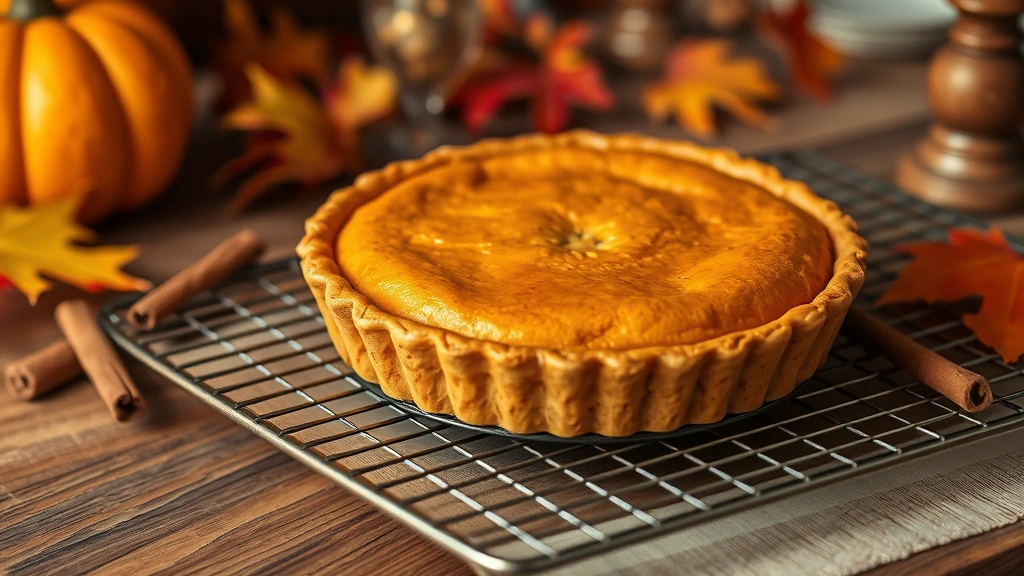
A homemade pie crust separates grandma’s recipe from ordinary versions. This isn’t complicated—it simply requires attention to detail and proper technique. Begin by combining two cups of all-purpose flour with one teaspoon of salt and one tablespoon of granulated sugar in a large mixing bowl. The salt enhances flavor while the sugar adds subtle sweetness without making the crust noticeably sweet.
Cut one cup of cold unsalted butter into small cubes. The butter must be cold—this is non-negotiable. Cold butter creates steam pockets during baking, resulting in a flaky, tender crust. Using a pastry cutter, two knives, or your fingertips, work the butter into the flour mixture until it resembles coarse breadcrumbs. The pieces of butter should still be visible; don’t overmix.
Add six to eight tablespoons of ice water, one tablespoon at a time, mixing gently until the dough just comes together. It should be slightly shaggy but hold together when pressed. Overworking develops gluten, which toughens the crust. Form the dough into a disk, wrap it in plastic wrap, and refrigerate for at least two hours, or preferably overnight. This resting period allows the gluten to relax and the flavors to develop.
When ready to use, remove the dough from the refrigerator and let it sit at room temperature for five to ten minutes to soften slightly. Roll it out on a floured surface to approximately 12 inches in diameter, about 1/8-inch thick. Transfer carefully to your pie pan, trim the edges, and crimp them decoratively with your fingers or a fork. Grandma always pinched the edges into a beautiful fluted pattern—it’s both functional and beautiful.
Creating the Silky Sweet Potato Filling
Preparing the sweet potatoes properly is crucial for achieving that signature creamy texture. Wash three medium sweet potatoes thoroughly and pierce each several times with a fork. Bake them at 400°F for 45 to 60 minutes, depending on size, until they’re very soft and the skin begins to wrinkle slightly. Baking rather than boiling concentrates the flavor and prevents the potatoes from becoming waterlogged.
Once cooled enough to handle, scoop the flesh from the skins and place it in a food processor. Add one tablespoon of butter, one-half teaspoon of salt, one-quarter teaspoon of ground cloves, one-half teaspoon of ground ginger, three-quarters teaspoon of ground cinnamon, and one-quarter teaspoon of freshly grated nutmeg. Process until completely smooth, about two to three minutes. The puree should be silky without any lumps.
Transfer the puree to a large mixing bowl and add one-half cup of brown sugar, one-quarter cup of granulated sugar, and two large eggs, beaten. Mix thoroughly, incorporating air into the filling. Pour in one cup of evaporated milk slowly while stirring constantly, ensuring no lumps form. Add two teaspoons of vanilla extract and mix until the filling is uniform and creamy. The consistency should be thick enough to hold its shape but pourable—similar to thick pudding.
Some bakers prefer adding a tablespoon of cornstarch to the filling mixture to ensure it sets properly without becoming too watery. This is entirely optional but can be beneficial if your sweet potatoes are particularly moist.
Baking Tips for Golden Perfection
Preheat your oven to 350°F at least 15 minutes before baking. Pour the filling into your prepared crust, filling it nearly to the top—the filling should come within about half an inch of the rim. Some filling may remain; this is normal.
Place the pie on a baking sheet to catch any potential drips. Bake for 50 to 60 minutes, until the filling is set around the edges but still slightly jiggly in the very center when you gently shake the pan. The top should develop a light golden-brown color. If the crust edges brown too quickly, loosely tent them with aluminum foil for the final 15 to 20 minutes of baking.
A helpful tip: insert a knife or toothpick about two inches from the center. If it comes out mostly clean with just a tiny bit of filling clinging to it, the pie is done. The residual heat will continue cooking the center as it cools. Overbaking results in a dry, cracked filling.
Remove the pie from the oven and let it cool on a wire rack at room temperature for at least 30 minutes. This cooling period is essential—it allows the filling to set properly. Resist the urge to slice immediately, though I understand the temptation. For best results, refrigerate the pie for at least four hours, or preferably overnight, before serving.
Storage and Serving Suggestions
A properly made sweet potato pie stores beautifully in the refrigerator for up to four days, covered loosely with plastic wrap or foil. The flavors actually deepen slightly after the first day, making it perfect for advance preparation. You can also freeze the baked pie for up to two months. Wrap it tightly in plastic wrap and then foil, ensuring no air exposure. Thaw overnight in the refrigerator before serving.
Serve your grandma’s sweet potato pie at room temperature or chilled, according to preference. Many traditionalists prefer it at room temperature with a dollop of freshly whipped cream or a scoop of vanilla ice cream. Some family members enjoy it cold straight from the refrigerator. Both preparations are equally valid—it’s about what brings you joy.
For special occasions, consider garnering the top with candied pecans or a drizzle of caramel sauce. A light sprinkle of cinnamon on the whipped cream adds an elegant finishing touch. These embellishments honor the pie while adding your own personal signature.
Traditional Variations and Flavor Tweaks
While grandma’s original recipe is perfect as-is, several time-honored variations exist within traditional Southern cooking. Some families add a tablespoon of bourbon or rum to the filling, which deepens the flavor complexity without creating an alcoholic taste. Others incorporate a teaspoon of orange zest for brightness and subtle citrus notes.
A pecan streusel topping is a popular addition—simply mix one-half cup of chopped pecans, one-quarter cup of brown sugar, three tablespoons of butter, and a pinch of salt, then sprinkle over the filling before baking. The pecans toast during baking, adding textural contrast and nutty flavor.
Some cooks prefer adding a tablespoon of molasses to intensify the depth, while others include a half-teaspoon of cardamom for an unexpected sophisticated twist. Each variation respects the original while allowing for personal preference and family tradition.
For those interested in understanding how traditional recipes connect to broader culinary and cultural practices, exploring community food traditions provides fascinating context. Additionally, learning about how humans interact with their food sources deepens appreciation for ingredients like sweet potatoes, which have rich agricultural histories.
Frequently Asked Questions
Can I use canned sweet potato puree instead of fresh?
While canned puree is convenient, fresh sweet potatoes produce superior flavor and texture. If you must use canned, avoid canned pie filling, which contains added sugars and spices. Plain canned puree can work in a pinch, but you’ll notice a difference in depth and authenticity. Fresh potatoes allow you to control the flavor profile completely.
Why is my pie crust soggy on the bottom?
This common issue occurs when moisture seeps from the filling into the crust. Prevent this by brushing the crust with a thin layer of egg white before adding the filling—this creates a moisture barrier. Additionally, ensure your oven rack is positioned in the lower third, directing heat toward the crust’s bottom. Baking on a preheated baking sheet also helps.
Can I make the pie crust in advance?
Absolutely. Prepare the dough, wrap it well, and refrigerate for up to three days or freeze for up to three months. You can also prepare the entire pie, cover it, and refrigerate unbaked for up to 24 hours. Add five to ten minutes to the baking time if baking directly from refrigeration.
What’s the difference between sweet potato pie and pumpkin pie?
Though often confused, these are distinct desserts. Sweet potato pie features a richer, creamier filling with deeper, more complex spicing. Pumpkin pie typically has a lighter texture and milder flavor. Sweet potatoes contain more natural sugars, requiring less added sweetener. The flavor profiles are quite different—sweet potato is earthier and more luxurious.
How do I know when the pie is perfectly done?
The filling should be set around the edges but still have slight movement in the center, about two inches from the middle. Use the knife test: insert a thin blade two inches from center. It should come out mostly clean. The pie continues cooking as it cools, so slight underbaking is preferable to overbaking, which dries the filling.
Can I reduce the sugar content?
Yes, though this requires care. You can reduce the total sugar by up to 25% without significantly affecting texture, though flavor will be less pronounced. Reduce brown sugar first, as it contributes molasses flavor. Avoid reducing sugar below three-quarters cup total, as it affects both taste and the filling’s ability to set properly.
For broader perspectives on traditional cooking practices and ingredient sourcing, Food & Wine magazine offers excellent resources. The Smithsonian Institution also documents Southern food traditions and their cultural significance. For scientific understanding of baking chemistry, Serious Eats provides detailed explanations of how ingredients interact during the baking process.
Should I serve the pie warm or cold?
Both are traditional, depending on family preference. Warm pie (around 70°F) showcases the spice flavors beautifully, while chilled pie provides a denser, more custard-like texture. Many prefer it at cool room temperature with whipped cream, which offers the best of both worlds—the filling sets nicely while flavors remain vibrant.
Creating grandma’s sweet potato pie is more than following a recipe—it’s participating in a culinary tradition that spans generations. Each time you prepare this dessert, you’re honoring the hands that taught you, the love that inspired the recipe’s perfection, and the joy that comes from sharing homemade food with those you cherish. This tried-and-true recipe deserves a permanent place in your kitchen repertoire.

Related Posts
Perfect Old Fashioned Donut: Baker’s Secrets
Old Fashioned Chocolate Pie Recipe? Chef’s Favorite