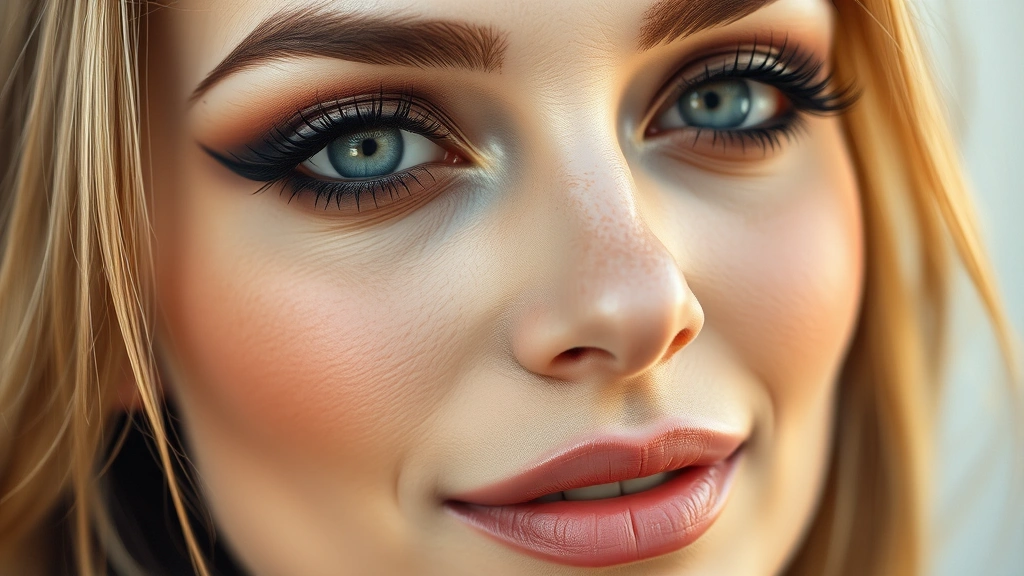
90s Makeup Trends: What Experts Recommend
The 1990s gave us some of the most iconic makeup looks that continue to influence beauty trends today. From barely-there foundation to bold, smoky eyes, the 90s makeup aesthetic represented a shift toward individuality and experimentation. Whether you’re a Gen X beauty enthusiast or a younger generation discovering this era’s appeal, understanding what experts recommend about 90s makeup can help you recreate these timeless looks with modern techniques and products.
Beauty professionals and makeup artists have long praised the 90s for its liberation from heavy, overly-contoured makeup. The decade embraced natural skin texture, strategic minimalism, and a “less is more” philosophy that many dermatologists and skincare experts actually endorse. This guide explores the key makeup trends from the 90s, what beauty experts recommend about achieving them, and how to adapt these looks for contemporary style while maintaining the authentic vintage aesthetic.
The Foundation Philosophy of 90s Makeup
One of the most significant aspects of 90s makeup that beauty experts consistently highlight is the approach to foundation. Unlike the heavy, full-coverage foundations that dominated the 80s, the 90s embraced a lighter, more natural base. Professional makeup artists from Allure Magazine have documented how this shift actually benefited skin health by allowing it to breathe and maintain its natural texture.
The 90s foundation trend focused on evening out skin tone without completely masking it. Experts recommend using a sheer to medium coverage foundation that matches your skin tone precisely. The key is blending it seamlessly and leaving some areas of natural skin visible, particularly around the cheekbones and temples. This technique, which we explore in our blog home, reflects a philosophy of enhancement rather than transformation.
Dermatologists have praised this minimalist approach because it reduces the risk of clogged pores and allows skin to show through. When recreating 90s makeup, consider using a hydrating primer to ensure your skin looks dewy rather than matte. The goal is to achieve that “your skin but better” aesthetic that defined the era. Many beauty influencers today still reference this foundation philosophy as the gold standard for everyday makeup.
Powder was used strategically in the 90s—only where needed to set makeup and control shine. Rather than applying powder all over the face, experts recommend using it selectively on the T-zone and other areas prone to oiliness. This selective approach maintains the natural, slightly luminous finish that characterized authentic 90s makeup.
Iconic Eye Looks Every Expert Recommends
The eyes were undoubtedly the focal point of 90s makeup, and beauty professionals continue to celebrate the creativity and diversity of eye looks from this period. From the grunge-inspired smoky eye to the clean, minimal aesthetic, the 90s offered something for everyone. Makeup artists emphasize that understanding the different eye looks from the decade helps you choose what resonates with your personal style.
The smoky eye was perhaps the most recognizable 90s eye trend. This look involved blending dark eyeshadow—typically charcoal, brown, or black—across the lid and into the crease, creating a diffused, smoky effect. Experts recommend starting with a matte transition shade in your crease, then gradually building darker shades with a fluffy blending brush. The key is maintaining soft edges rather than sharp lines. Professional makeup artists stress the importance of using quality eyeshadow brushes and taking time with the blending process to achieve that signature 90s softness.
The minimal eye look represented the opposite end of the 90s spectrum. This approach used little to no eyeshadow, relying instead on well-defined brows and mascara. Beauty experts recommend this look for those seeking a more understated aesthetic or for everyday wear. A coat or two of volumizing mascara, combined with groomed brows, creates the perfect minimal 90s eye.
Another significant trend was the monochromatic eye, where one color family was used across the lid, crease, and lower lash line. Experts suggest choosing neutral tones like taupe, bronze, or soft brown for a wearable version, or experimenting with jewel tones for a more dramatic interpretation. This approach simplifies the makeup application process while maintaining that distinctive 90s aesthetic.
The brown eyeliner look deserves special mention, as it perfectly captured 90s sensibility. Rather than harsh black liner, makeup artists recommend using warm brown or bronze eyeliner to define the eye. This can be applied to the upper lash line, waterline, or both, depending on your preference. Beauty professionals note that brown liner is incredibly flattering on various skin tones and creates a softer, more wearable look than traditional black.
Lip Trends That Defined the Decade
90s lip makeup was as diverse as the era itself, reflecting different subcultures and personal expressions. Understanding the various lip trends from this period helps you select the look that best suits your style and the specific 90s aesthetic you’re drawn to.
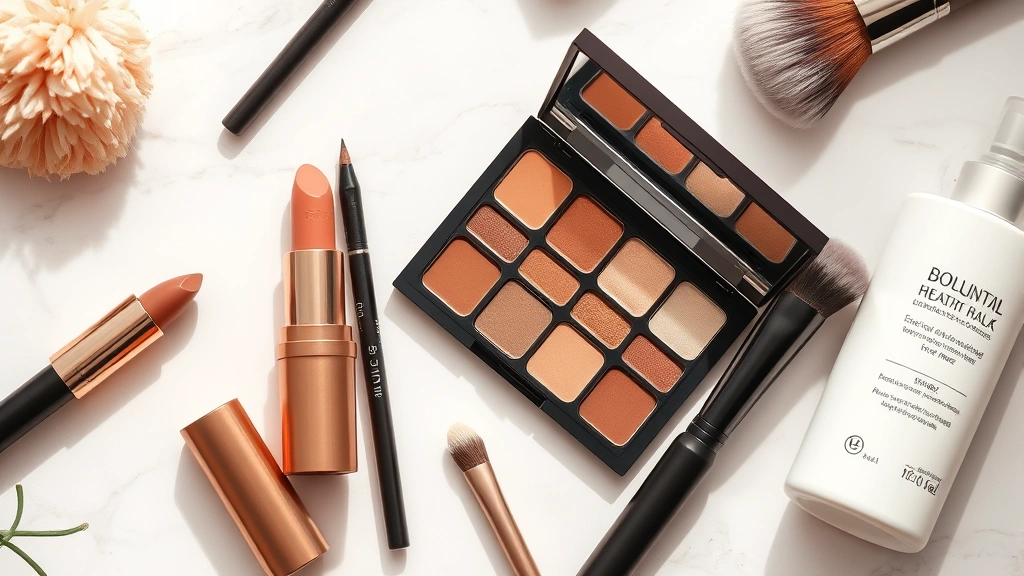
The nude lip was absolutely dominant throughout the 90s. This wasn’t just any nude—it was typically a warm, slightly mauve-toned nude that complemented a range of skin tones. Experts recommend choosing a nude lipstick that matches your natural lip tone or is one or two shades deeper. The formula should be moisturizing rather than matte, as the 90s favored a natural, non-glossy finish. Many beauty professionals suggest using a lip liner slightly darker than your lipstick to define the lip shape before filling in with color.
The berry lip was another iconic 90s look, particularly popular for evening wear and special occasions. Deep plum, wine, and burgundy shades became synonymous with 90s glamour. Makeup artists recommend applying berry lipstick with precision, using a lip brush to ensure clean edges. Pairing a berry lip with minimal eye makeup creates an instantly recognizable 90s look that remains sophisticated today.
The brown lip trend, sometimes called “brownstone” or “chestnut,” was particularly prominent in the mid-to-late 90s. This earthy tone worked beautifully with the decade’s neutral eyeshadow and offered an alternative to traditional reds and pinks. Beauty experts suggest this shade for those seeking a warm, grounded aesthetic that feels authentically 90s.
For those interested in sustainable beauty options, exploring sustainable fashion brands can help you find eco-conscious lip products that align with both 90s values and modern environmental consciousness.
The glossy lip also had its moment in the late 90s, though it was typically paired with more minimal eye makeup to avoid overwhelming the face. Experts recommend using a clear or tinted gloss over your chosen lip color for a modern interpretation that respects the 90s aesthetic while incorporating contemporary preferences.
Brows and Their Evolution
Eyebrows in the 90s were notably different from the bold, sculpted brows that dominate today’s beauty landscape. Understanding the evolution of 90s brows helps you achieve an authentic look while working with your natural brow shape.
The early 90s featured thin, highly arched brows that were often over-plucked. Beauty professionals today recommend a more moderate approach to recreating this look, as excessive plucking can damage hair follicles. If you have naturally fuller brows, you can create the appearance of a thinner brow by using a brow product slightly lighter than your natural color and applying it more sparingly.
As the decade progressed, brow trends began shifting toward a slightly fuller, more natural appearance. By the late 90s, softer, less aggressively arched brows became more common. Makeup artists recommend this version for those seeking a 90s look that doesn’t require extensive plucking or feel too dated. The key is maintaining a natural arch while keeping the overall shape soft and undefined.
Experts emphasize the importance of brow maintenance for achieving any 90s look. Whether you prefer the thinner 90s brow or the fuller late-90s version, keeping stray hairs groomed and the shape intentional makes all the difference. Many beauty professionals recommend consulting with a professional brow specialist before attempting significant changes to your natural brow shape.
Blush and Bronzer Techniques
Blush application in the 90s differed significantly from contemporary techniques, and understanding these differences is crucial for achieving an authentic vintage look. Beauty experts have analyzed how 90s blush placement and intensity contributed to the era’s distinctive aesthetic.
The 90s blush placement was typically higher on the cheekbones than modern blush application. Rather than placing color along the apples of the cheeks, makeup artists recommend applying blush to the apples and then blending it upward toward the temples. This creates a lifted, youthful appearance that characterized 90s makeup. The intensity was often more pronounced than contemporary trends, with visible color that didn’t blend seamlessly into the skin.
Blush colors in the 90s ranged from warm peachy tones to cool berry shades. Experts recommend choosing a blush color that complements your skin tone and the overall color palette of your 90s look. Peachy and warm brown tones worked beautifully with nude lips and brown eyeshadow, while berry blush paired well with smoky eyes and nude lips.
Bronzer, when used in the 90s, was typically applied more heavily than modern contouring techniques suggest. Rather than subtle sculpting, 90s bronzer was often visible and warm-toned. Beauty professionals recommend using a large, fluffy brush to apply bronzer to areas where the sun naturally hits—the forehead, cheekbones, and jawline. The goal is creating a warm, sun-kissed appearance rather than sculpting dimension into the face.
For those interested in exploring how personal style choices connect to broader lifestyle decisions, our article on living environment discusses how fashion and beauty choices reflect our values and environmental awareness.
Creating Your 90s Makeup Look Today
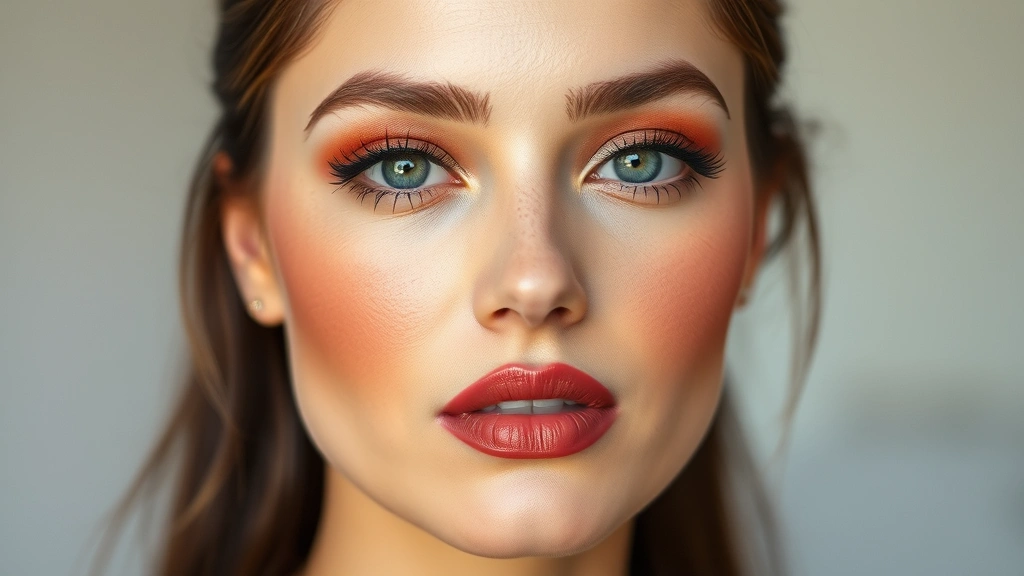
Now that we’ve explored the individual components of 90s makeup, let’s discuss how to create a cohesive 90s look using modern products and techniques. Beauty professionals recommend starting with a clear vision of which 90s aesthetic appeals to you most.
Step 1: Prepare Your Canvas
Begin with a skincare routine that leaves your skin hydrated and primed. Apply a lightweight moisturizer followed by a hydrating primer. This creates the dewy base that characterizes 90s makeup. Allow the primer to set for a minute before moving to foundation.
Step 2: Apply Foundation and Concealer
Using a damp beauty sponge, apply sheer-to-medium coverage foundation in light layers, building coverage where needed. Rather than full face coverage, focus on evening out skin tone while allowing natural texture to show through. Apply concealer only where necessary—typically under the eyes and on any blemishes.
Step 3: Define the Eyes
Choose your 90s eye look—smoky, minimal, monochromatic, or brown-lined. Makeup artists recommend using quality brushes and taking your time with blending. If creating a smoky eye, start with transition shades and gradually build darker colors. For minimal looks, focus on grooming brows and applying mascara.
Step 4: Apply Blush and Bronzer
Using a fluffy brush, apply blush to the apples of your cheeks and blend upward. Add bronzer to areas where the sun naturally hits. Remember that 90s blush was often more visible than contemporary trends—don’t be afraid of visible color.
Step 5: Complete with Lips
Line your lips with a lip liner matching your chosen lipstick shade. Fill in with lipstick using a lip brush for precision. The 90s lip was typically matte or satin rather than glossy, though a light gloss over your chosen color works beautifully.
Step 6: Final Touches
Apply mascara to upper and lower lashes for definition. Set your makeup with a light mist of setting spray rather than powder, which helps maintain that dewy 90s finish. Makeup professionals emphasize that the 90s aesthetic celebrates a natural, slightly luminous appearance rather than a matte, heavily powdered look.
Understanding the philosophy behind 90s makeup—celebrating individuality, embracing natural texture, and prioritizing personal expression over perfection—helps you create authentic looks that feel true to the era. Whether you’re channeling grunge sensibility or 90s minimalism, these expert-recommended techniques ensure your 90s makeup feels both historically accurate and wearable today.
For those interested in how fashion and beauty choices intersect with broader lifestyle decisions, exploring topics like how to reduce carbon footprint can help you make beauty choices that align with your values.
FAQ
What eyeshadow colors were most popular in 90s makeup?
The most popular 90s eyeshadow colors included warm browns, taupes, bronzes, charcoal grays, and blacks. Makeup artists recommend these neutral tones for creating authentic 90s looks. Jewel tones like emerald and sapphire also appeared in evening makeup, while nude and champagne shades worked for minimal eye looks.
How do I achieve the 90s smoky eye without it looking outdated?
Beauty experts recommend using modern blending techniques with classic 90s color placement. Focus on soft, diffused edges rather than harsh lines. Use quality eyeshadow formulas that blend smoothly, and consider incorporating slightly warmer or cooler tones depending on your undertone. This maintains the 90s aesthetic while feeling contemporary.
Is the 90s makeup trend actually flattering on all skin tones?
Yes, makeup artists emphasize that 90s makeup is highly adaptable to different skin tones. The key is selecting the right undertones for your specific complexion. Warm skin tones work beautifully with peachy blush and warm bronzes, while cool undertones pair well with berry shades and cooler-toned shadows. The 90s philosophy of individual expression means you can customize the look to suit you.
What products do experts recommend for creating 90s makeup?
Beauty professionals suggest investing in quality products including a hydrating primer, sheer-to-medium coverage foundation, blending brushes, neutral eyeshadow palettes, and moisturizing lipsticks. According to Beauty Labs, formulation matters significantly when recreating vintage looks—modern products with better staying power help maintain authentic 90s aesthetics throughout the day.
Can I wear 90s makeup for everyday or is it only for special occasions?
The beauty of 90s makeup is its versatility. The minimal eye look, paired with a nude lip and natural blush, works perfectly for everyday wear. The smoky eye and berry lip combinations work beautifully for evening or special occasions. Makeup artists recommend choosing the specific 90s aesthetic that fits your lifestyle and comfort level.
How does 90s makeup differ from modern makeup trends?
The main differences include blush placement (higher in the 90s), eyeshadow approach (softer blending, more monochromatic), lip colors (more neutral and berry-toned), and overall philosophy (celebrating natural texture rather than heavy contouring). Modern makeup emphasizes sculpting and precision, while 90s makeup celebrated a more natural, texture-forward aesthetic.
What should I do if I have naturally full brows but want the thin 90s look?
Beauty professionals recommend caution with excessive plucking, as it can permanently damage hair follicles. Instead, use makeup techniques—apply a lighter brow product and groom hairs to create the appearance of a thinner brow. Alternatively, embrace the late-90s trend toward fuller, softer brows that doesn’t require extensive plucking.

Related Posts
Perfect Old Fashioned Donut: Baker’s Secrets
Old Fashioned Chocolate Pie Recipe? Chef’s Favorite