What Are the Fashion Types? Expert Insights
What Are the Fashion Types? Expert Insights Into Style Categories
Fashion is a dynamic form of self-expression that evolves constantly, yet understanding the fundamental fashion types helps you navigate your personal style with confidence. Whether you’re drawn to classic elegance, bold statements, or sustainable choices, recognizing different fashion categories empowers you to build a wardrobe that truly reflects who you are. This comprehensive guide explores the major fashion types, their characteristics, and how to identify which resonates most with your lifestyle and aesthetic preferences.
The world of fashion extends far beyond runway shows and celebrity endorsements. It encompasses diverse style philosophies, clothing approaches, and aesthetic movements that cater to different personalities, body types, and life circumstances. By understanding these distinct fashion types, you’ll make more intentional clothing choices, invest in pieces that work harder in your wardrobe, and develop a cohesive personal brand that feels authentically you.
Classic and Timeless Fashion
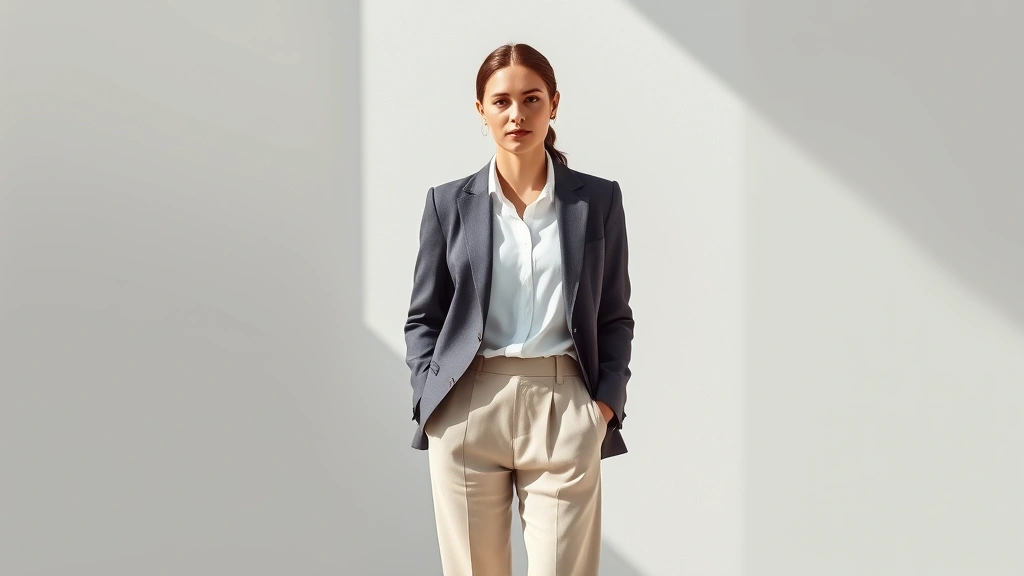
Classic fashion represents the foundation of sophisticated wardrobing, emphasizing quality, elegance, and pieces that transcend seasonal trends. This approach prioritizes investment in well-made basics like tailored blazers, crisp white shirts, perfectly fitting jeans, and neutral-toned sweaters that form the backbone of countless outfits. People who embrace classic fashion types understand that true style isn’t about owning the most pieces—it’s about owning the right pieces that work together seamlessly.
The hallmarks of classic fashion include neutral color palettes dominated by black, white, navy, gray, and beige; clean lines without excessive embellishment; quality fabrics that age beautifully; and timeless silhouettes that flatter rather than distract. A classic wardrobe prioritizes fit above all else, recognizing that an expensive piece that doesn’t fit properly is simply an expensive mistake. This fashion type appeals to professionals, minimalists, and anyone seeking a reliable, sophisticated aesthetic that works across decades and life stages.
Building a classic wardrobe requires patience and strategic investment. Start with foundational pieces like a well-tailored trench coat, quality leather belt, structured handbag, and classic pumps. Add versatile basics in neutral tones, then introduce subtle pattern through small accessories. The beauty of this approach is that classic style provides endless outfit combinations from a relatively modest number of pieces, making it economical over time despite higher upfront costs.
Contemporary and Trendy Styles
Contemporary fashion embraces current trends, seasonal collections, and the excitement of constantly refreshing your wardrobe with what’s new and popular. This fashion type celebrates fashion as an evolving art form, where what’s in style today informs your purchasing decisions and styling choices. Contemporary fashion enthusiasts enjoy experimenting with bold colors, statement pieces, and the latest silhouettes that dominate fashion weeks and social media platforms.
Trendy fashion types appreciate the psychological boost of wearing what’s current, the social connection with others who share fashion interests, and the creative challenge of styling pieces in unexpected ways. This approach works beautifully for those with active social lives, creative careers, or simply those who find genuine joy in fashion experimentation. The key to making contemporary fashion work sustainably is balancing trend pieces with basics, investing wisely in pieces you’ll actually wear frequently, and being honest about whether trends genuinely appeal to you or simply feel like obligatory purchases.
When exploring contemporary fashion, follow trusted style influencers, fashion editors, and publications that align with your aesthetic rather than chasing every trend indiscriminately. Mix trend-forward pieces with timeless basics to create outfits that feel current without requiring a complete wardrobe overhaul each season. Consider renting trendy pieces for special occasions, shopping secondhand for trend pieces you’re unsure about, or setting seasonal budgets specifically for experimental fashion purchases.
Bohemian and Free-Spirited Fashion
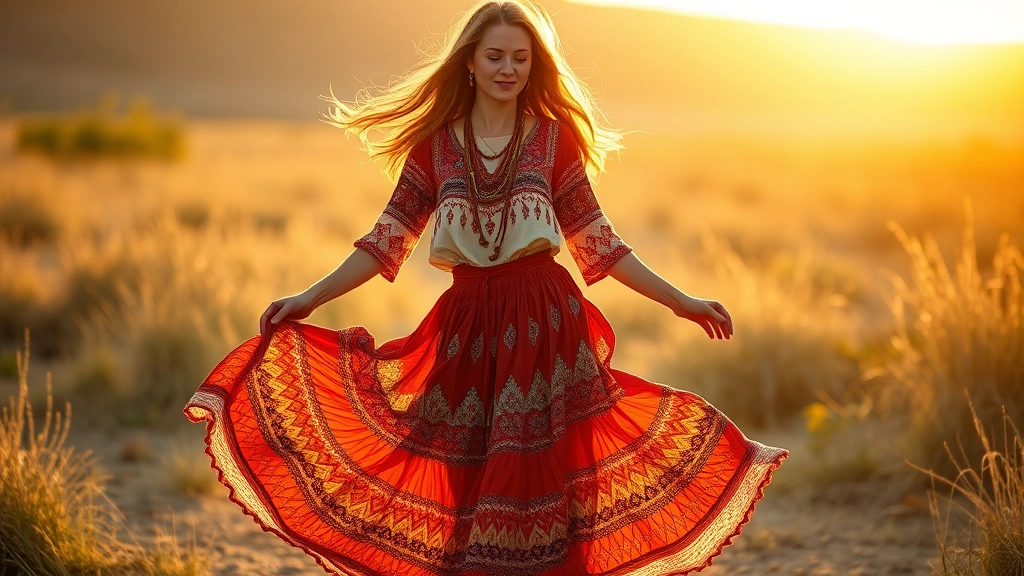
Bohemian fashion celebrates individual expression, cultural influences, and a relaxed approach to dressing that prioritizes comfort and personal meaning over conformity. This fashion type embraces flowing fabrics, earthy tones, eclectic patterns, vintage pieces, handmade accessories, and an overall aesthetic that feels organic and intentionally unconventional. Boho fashion types often draw inspiration from various cultures, nature, and artistic movements, creating uniquely personal style statements.
The bohemian aesthetic includes elements like maxi skirts, peasant blouses, fringe details, layered jewelry, ethnic prints, natural fabrics, and an overall sense of effortless ease. This fashion type attracts creative individuals, travelers, artists, and anyone who views fashion as a form of personal storytelling rather than rule-following. Boho style works particularly well for warm climates and relaxed lifestyles, though it can be adapted for various professional and social contexts.
Building a bohemian wardrobe involves seeking out pieces with character and history—whether from vintage shops, artisan markets, or contemporary brands that celebrate boho aesthetics. Focus on quality natural fabrics like cotton, linen, silk, and hemp. Layer pieces creatively, mixing patterns and textures with confidence. Invest in statement jewelry, scarves, and bags that reflect your travels and interests. The beauty of bohemian fashion types is that personal authenticity matters far more than perfect coordination, making this approach liberating for those tired of strict fashion rules.
Minimalist and Capsule Wardrobes
Minimalist fashion represents an intentional, curated approach to clothing that emphasizes quality over quantity, functionality over flash, and versatility over novelty. This fashion type appeals to those seeking to simplify their lives, reduce decision fatigue, save money, and make environmentally conscious choices. A minimalist wardrobe typically contains 30-50 pieces that work together harmoniously, with each item earning its place through multiple outfit combinations and genuine utility.
The minimalist aesthetic favors neutral colors, simple silhouettes, quality fabrics, and timeless pieces that transcend trends. Rather than following fashion, minimalists establish personal style guidelines and stick to them, creating a signature look that becomes recognizable and authentic. This approach eliminates impulse purchases, reduces closet clutter, and paradoxically makes getting dressed easier because every piece works with everything else.
Creating a minimalist capsule wardrobe requires honest assessment of your lifestyle, climate, and genuine preferences. Start by identifying your core neutral base colors—typically three to four colors that flatter you and complement each other. Add versatile basics like well-fitting jeans, neutral tops, and structured layers. Include a few statement pieces that express your personality within your chosen color palette. Finally, add functional outerwear and shoes appropriate for your climate and activities. The result is a streamlined wardrobe that serves you reliably while freeing mental and financial resources for other life priorities.
Minimalist fashion aligns beautifully with sustainable practices, as it encourages buying less, choosing quality, and keeping pieces longer. This fashion type works across professional and casual contexts, making it ideal for busy professionals, parents, and anyone seeking to reduce decision-making in their daily routine.
Vintage and Retro Fashion
Vintage and retro fashion types celebrate clothing from previous decades, whether authentic vintage pieces from specific eras or contemporary reproductions that capture vintage aesthetics. This approach to dressing connects wearers to fashion history, celebrates craftsmanship from earlier manufacturing eras, and allows for distinctive personal style that stands apart from current trends. Vintage fashion enthusiasts often specialize in specific decades—1950s femininity, 1970s bohemian vibes, 1980s boldness, or 1990s minimalism.
Authentic vintage pieces offer superior quality in many cases, unique character that new clothing rarely provides, and the satisfaction of wearing something with genuine history. Vintage shopping requires patience, knowledge about authentic pieces versus reproductions, and flexibility about sizing since vintage standards differ from modern measurements. The environmental benefits are substantial, as vintage shopping represents the ultimate in sustainable fashion by extending garment lifecycles and reducing demand for new production.
Building a vintage-inspired wardrobe can involve a mix of authentic vintage finds and modern pieces that capture vintage aesthetics. Research your preferred era’s silhouettes, colors, and styling to ensure coherence in your overall look. Visit thrift stores, vintage boutiques, and online vintage retailers to source pieces. When shopping vintage, prioritize condition, fit, and authenticity. Consider having pieces tailored to fit your modern body while preserving their vintage character. Shopping vintage fashion requires strategy and knowledge, but the rewards in terms of unique style and sustainability make the effort worthwhile.
Sustainable and Ethical Fashion
Sustainable and ethical fashion represents a conscious approach to clothing that prioritizes environmental responsibility, fair labor practices, and long-term impact over fast consumption. This fashion type has grown significantly as awareness of fashion industry environmental and social costs has increased. Sustainable fashion types make purchasing decisions based on transparency, production methods, material sourcing, brand values, and garment longevity.
The sustainable fashion movement encompasses various approaches: buying less and choosing quality, shopping secondhand and vintage, supporting ethical brands with transparent supply chains, choosing natural and sustainable materials, and keeping clothes longer through proper care and repair. This fashion type often overlaps with minimalist approaches, as both emphasize quality and intentionality over quantity. However, sustainable fashion can also apply to contemporary, classic, or any other fashion type—it’s fundamentally about making conscious choices rather than following a specific aesthetic.
Transitioning to sustainable fashion involves researching brands’ production practices, learning about sustainable materials like organic cotton, linen, and innovative alternatives, and shifting mindset from disposable to lasting. Support ethical fashion initiatives and transparency organizations that help consumers make informed choices. Shop secondhand platforms, support local makers and artisans, and prioritize quality that justifies investment. When you do purchase new, choose brands aligned with your values. This fashion type requires more intentionality but results in a wardrobe you feel genuinely good about wearing.
Streetwear and Urban Style
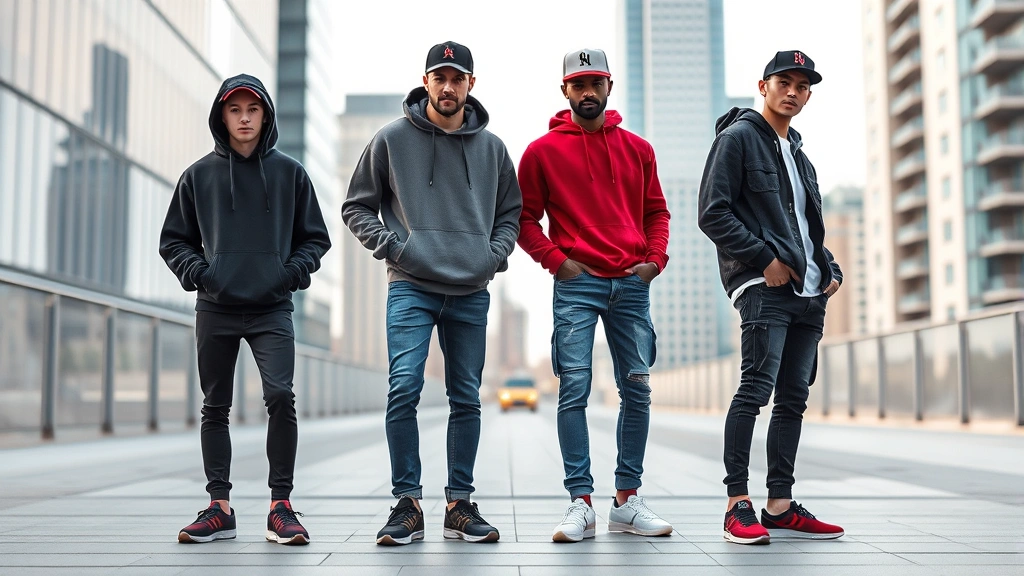
Streetwear and urban fashion types draw inspiration from street culture, hip-hop, skateboarding, and contemporary city living, emphasizing comfort, authenticity, and cultural relevance. This fashion approach celebrates sneakers, oversized silhouettes, graphic tees, hoodies, and a relaxed aesthetic that prioritizes function and self-expression over traditional fashion rules. Streetwear has evolved from subcultural movement to dominant mainstream fashion influence, shaping how millions of people dress daily.
Urban style emphasizes comfort without sacrificing style, mixing high and low fashion, and creating distinctive looks through accessories, customization, and personality-driven styling. This fashion type particularly appeals to younger demographics, creative professionals, and anyone who views fashion as cultural expression rather than status symbol. Streetwear pieces are often highly functional—designed for actual movement, activity, and real-life wear rather than purely aesthetic purposes.
Building a streetwear wardrobe starts with quality basics: well-fitting jeans or track pants, comfortable sneakers, simple graphic tees, and versatile hoodies or bombers. Add personality through accessories like caps, chains, bags, and statement shoes. Mix vintage and contemporary pieces, high and low price points, and unexpected combinations. The key to successful streetwear is confidence in your personal expression and understanding that authenticity matters far more than perfect coordination. This fashion type works beautifully across age groups and professions when styled appropriately for context.
Professional and Business Fashion
Professional and business fashion types serve specific workplace contexts, emphasizing polished appearance, appropriate formality levels, and clothing that supports career credibility and advancement. This fashion category ranges from business formal (traditional suits and tailored pieces) to business casual (structured pants with blouses, blazers, and minimal accessories) to creative professional (allowing more personality while maintaining professionalism). Understanding your workplace’s dress code and culture is essential for navigating professional fashion successfully.
Successful professional fashion balances personal style with workplace expectations, allowing you to feel authentically yourself while meeting professional standards. This often means building a foundation of structured, neutral pieces in quality fabrics, then adding personality through accessories, colors, and styling choices that feel genuine. Professional dress codes continue evolving as workplace cultures shift, making it important to observe your specific workplace environment rather than relying on outdated rules.
Creating a professional wardrobe involves investing in well-tailored pieces that fit your body perfectly, as proper fit is non-negotiable in professional contexts. Prioritize quality fabrics that look polished and hold up to frequent wearing and cleaning. Build a color palette of neutrals with perhaps one or two accent colors that flatter you. Include versatile basics like blazers, trousers, structured skirts, and neutral tops. Add personality through jewelry, scarves, bags, and shoes that reflect your style while maintaining professionalism. Remember that professional fashion should make you feel confident and capable—when you look the part, you’re more likely to feel prepared to perform excellently.
FAQ
What is the difference between fashion types and body types?
Fashion types refer to style categories and aesthetic approaches to clothing, while body types describe physical characteristics like shape and proportions. Understanding both helps you choose fashion types that flatter your body and make you feel confident. For example, someone with an hourglass body type might gravitate toward classic or bohemian fashion types that emphasize curves, while someone with a rectangular body type might prefer minimalist or streetwear aesthetics that create visual interest through layering and proportions.
Can I combine multiple fashion types?
Absolutely! Most people naturally blend elements from several fashion types rather than adhering strictly to one category. You might incorporate classic basics with bohemian accessories, or mix minimalist pieces with contemporary trend items. The key is ensuring your combinations feel cohesive and intentional rather than haphazard. Start with one primary fashion type that resonates most with you, then thoughtfully introduce elements from other types that enhance rather than contradict your overall aesthetic.
How do I determine my personal fashion type?
Reflect on which aesthetics consistently appeal to you, what makes you feel most confident and comfortable, and which fashion philosophies align with your values and lifestyle. Look through your closet—what pieces do you wear repeatedly? What do you avoid? Follow style accounts that inspire you and notice commonalities. Consider your daily activities, climate, profession, and personality. Your personal fashion type should feel authentic rather than forced, making getting dressed enjoyable rather than stressful.
Should I follow trends if my fashion type is classic or minimalist?
You don’t need to follow trends, but you can thoughtfully incorporate them if they genuinely appeal to you and work within your aesthetic framework. For example, a minimalist might add one trend-forward piece in their neutral color palette, while a classic dresser might introduce a trendy accessory without changing their overall style. The key is distinguishing between trends you actually like and trends you feel pressured to follow, then making intentional choices that serve your personal style.
How much should I spend on each fashion type?
Spending depends entirely on your budget, lifestyle, and how long you plan to wear pieces. Generally, classic and professional fashion types justify higher investment in quality pieces you’ll wear for years. Contemporary and streetwear fashion types might involve more moderate spending since pieces have shorter trend lifespans. Sustainable and vintage fashion types can work at any price point—the emphasis is on conscious choice rather than spending level. Set a budget you’re comfortable with and prioritize pieces that work hardest in your wardrobe.
Can my fashion type change over time?
Yes, fashion types often evolve as your life circumstances, preferences, and values change. You might embrace minimalism after years of maximalist dressing, or shift toward sustainable fashion as environmental awareness grows. Life transitions like career changes, relocations, or lifestyle shifts naturally influence fashion choices. Allow yourself permission to evolve, experiment with new fashion types, and let your style reflect who you’re becoming rather than rigidly adhering to past choices.

Related Posts

Perfect Old Fashioned Donut: Baker’s Secrets
Old Fashioned Chocolate Pie Recipe? Chef’s Favorite