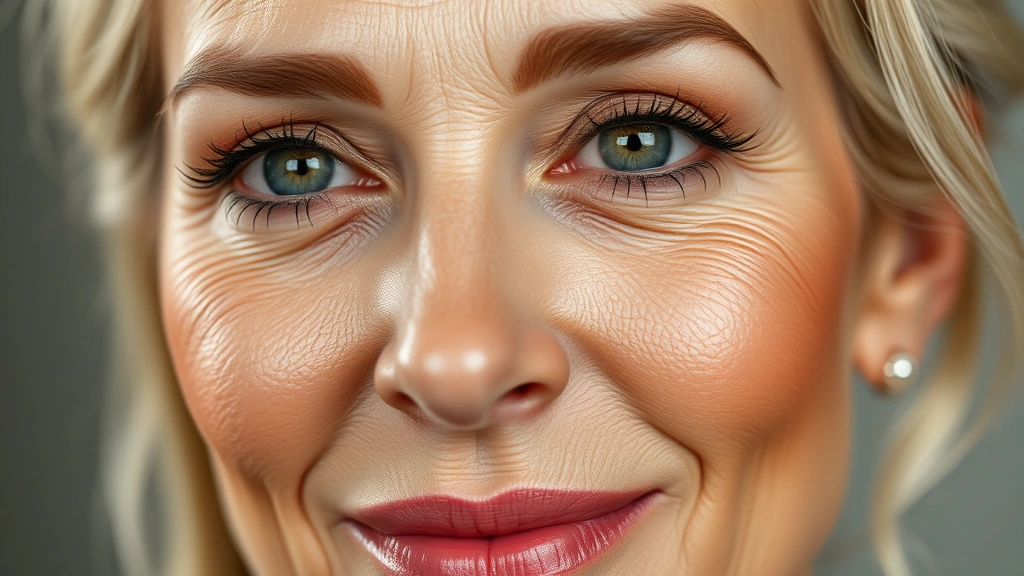
Fashion Over 50: Expert Makeup Tips Revealed
Fashion Over 50: Expert Makeup Tips Revealed
Makeup at 50 and beyond isn’t about hiding—it’s about enhancing your natural beauty with confidence and sophistication. Whether you’re refreshing your beauty routine or discovering makeup for the first time, this comprehensive guide reveals professional techniques that celebrate mature skin while addressing common concerns like fine lines, texture changes, and uneven tone.
The beauty industry has evolved tremendously, and makeup for women over 50 has become an art form that combines skincare knowledge, color theory, and personal style. With the right approach, you can achieve a polished, youthful appearance that feels authentic to who you are. Let’s explore the expert strategies that makeup artists and dermatologists recommend for radiant skin at any age.
Skincare Foundation for Mature Skin
Before any makeup application, skincare is absolutely essential. The condition of your skin determines how well makeup adheres and looks throughout the day. Women over 50 should prioritize hydration and nourishment because mature skin naturally produces less oil and collagen, leading to dryness and fine lines.
Start with a gentle cleanser that won’t strip your skin of natural oils. Follow with a hydrating toner or essence to prepare your skin for serums and moisturizers. According to dermatology experts, hyaluronic acid serums are game-changers for mature skin, plumping fine lines and creating a smooth canvas for makeup. Apply your serum while skin is slightly damp to lock in moisture.
Use a rich moisturizer appropriate for your skin type—whether you have dry, combination, or sensitive mature skin. Don’t skip sunscreen, even on cloudy days. UV protection prevents further aging and helps maintain skin tone consistency. Allow your skincare products to fully absorb before applying makeup, typically 5-10 minutes.
Consider incorporating a retinol product into your evening routine. Retinol boosts cell turnover and collagen production, improving skin texture over time. However, introduce it gradually to avoid irritation. If you’re dealing with specific concerns like age spots or rosacea, consult with a dermatologist about targeted treatments that will enhance your makeup application.
Primer Selection and Application
Primer is non-negotiable for makeup over 50. It creates a smooth base, fills in pores and fine lines, and extends makeup wear time significantly. Choose a primer specifically formulated for mature skin—hydrating primers work better than mattifying ones for women over 50, as they prevent makeup from settling into fine lines.
Silicone-based primers are excellent for creating a smooth, poreless appearance. Apply primer to areas where you have the most texture or fine lines: forehead, around eyes, and cheeks. Use a light hand—a little goes a long way. Gently pat the primer in rather than rubbing, which can disrupt your skincare layers.
For under-eye areas, use a specialized eye primer that’s hydrating and won’t crease. This is crucial because the under-eye area is delicate and prone to showing every fine line. Let your primer set for a minute before applying foundation to ensure longevity.
Foundation Techniques for 50+
Foundation selection is crucial for mature skin. You want coverage without heaviness—full-coverage formulas can actually emphasize fine lines and texture. Instead, opt for medium-coverage foundations with hydrating formulas that meld seamlessly with skin.
Liquid foundations work beautifully for mature skin because they’re easier to blend and less likely to look patchy. Cream foundations offer more coverage if needed. Avoid powder foundations unless your skin is very oily, as they tend to emphasize fine lines and texture changes. The best foundation for fashion over 50 should feel lightweight and flexible, moving with your skin throughout the day.
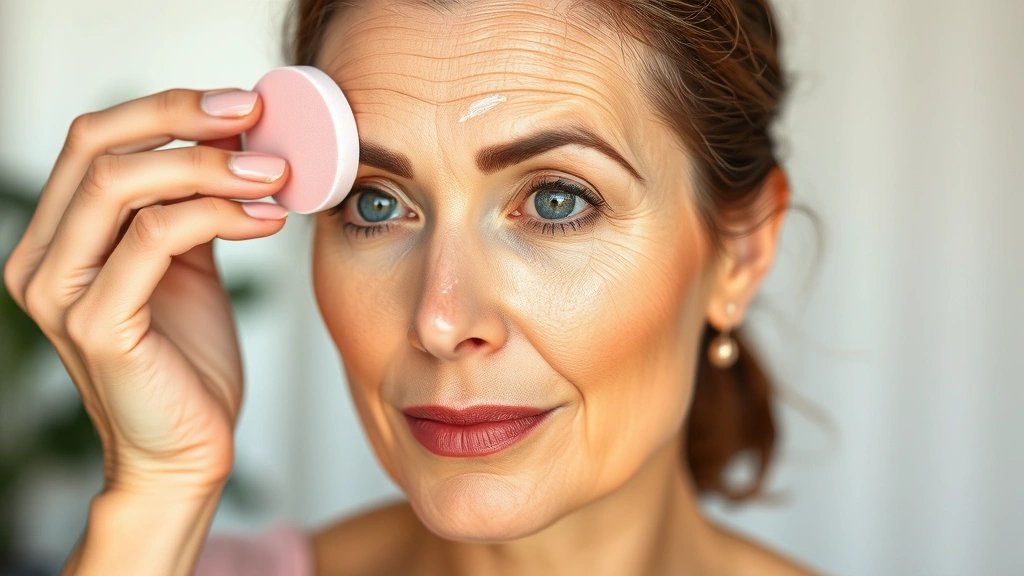
When choosing your shade, match it to your jawline in natural light. Many women over 50 have uneven skin tone, so you might need a shade that’s slightly darker than your natural tone to even things out. Apply foundation with a damp beauty sponge, which creates a more natural, skin-like finish than brushes.
Use a stippling motion rather than dragging or buffing, which can disturb your primer. Focus on areas that need coverage while allowing your natural skin to show through in areas with better tone. This technique prevents that “mask-like” appearance that happens when full coverage is applied everywhere.
Set your foundation lightly with a translucent powder, using a large fluffy brush and applying only where needed—typically the T-zone and areas prone to creasing. Avoid powdering under the eyes and on cheeks, as this emphasizes fine lines.
Concealer Strategies That Work
Concealer is your secret weapon for addressing specific concerns like under-eye circles, age spots, and redness. The key is using the right formula and application technique. For under-eye areas, choose a hydrating concealer with light-reflecting particles that brighten and blur fine lines simultaneously.
Apply concealer in an inverted triangle shape under the eye, extending from the inner corner down toward the cheek. This technique lifts the eye area and looks more natural than applying concealer directly on lines. Use your ring finger (which applies the least pressure) to gently pat the concealer in.
For age spots and hyperpigmentation, use a full-coverage concealer that matches your foundation exactly. Apply with a small brush, tapping gently until the spot is covered. Set with a light dusting of powder only on the spot itself to prevent creasing elsewhere.
Don’t use concealer that’s too light under your eyes—a common mistake. Lighter shades can actually make under-eye circles more noticeable by creating contrast. Instead, choose a shade one or two shades lighter than your foundation that still complements your skin tone.
Eye Makeup for Mature Eyes
Eyes are the focal point of any makeup look, and mature eyes require specific techniques to look their best. As we age, eyelids can become hooded or droopy, and the eye area loses volume. Strategic eyeshadow application can counteract these changes beautifully.
Start with an eyeshadow primer on your lids—this prevents creasing and ensures eyeshadow lasts all day. Mature eyelids have more texture and movement, so primer is essential. Apply it from lash line to brow bone and let it set for a moment.
Choose eyeshadow colors wisely. Jewel tones like emerald, sapphire, and burgundy are incredibly flattering for mature skin and complement most eye colors. Avoid very light, shimmery shadows directly on lids, as shimmer can emphasize fine lines and crepey texture. Instead, place shimmer on the inner corner and brow bone for subtle brightness.
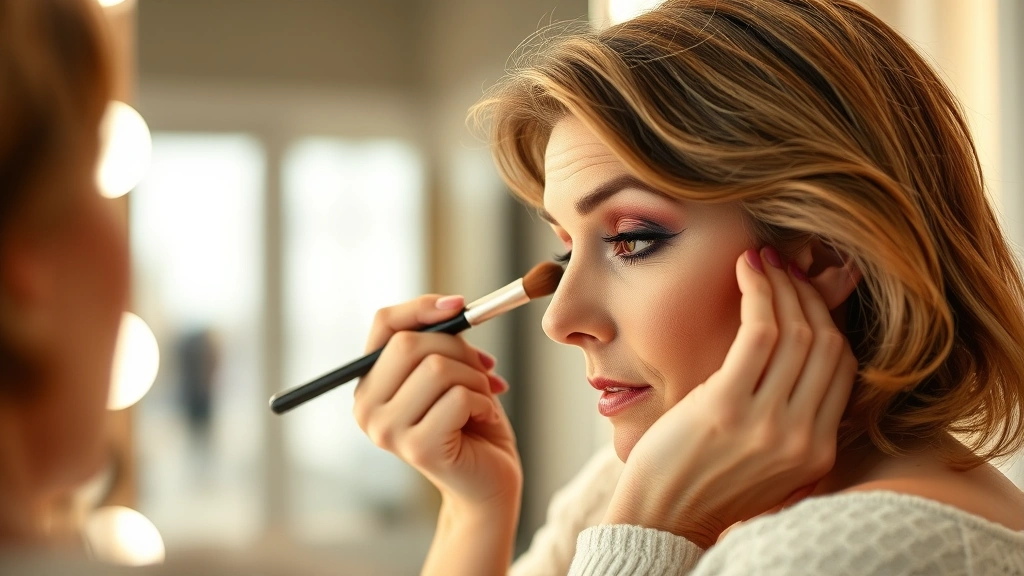
Apply matte shadows on the lid itself, creating subtle definition without heaviness. Use a light hand with darker shades—you can always add more. Blend thoroughly to avoid harsh lines. For hooded eyes, apply shadow slightly higher on the lid so it’s visible when your eyes are open.
Eyeliner should be precise and intentional. A thin line of brown or dark gray along the upper lash line (not too thick) defines without aging. Skip the lower waterline, which can make eyes look smaller and tired. Instead, apply a smudged line along the lower lash line for subtle definition.
Mascara is transformative for mature eyes. Choose a lengthening and volumizing formula that won’t clump. Apply to upper lashes, focusing on the center and outer corners to open up the eye. One to two coats is usually sufficient. Brown or dark brown mascara often looks more natural and softer than black for daytime makeup.
Lip Color and Shape Mastery
Lip color can completely transform your appearance and is one of the easiest ways to update your makeup look. As we age, lips naturally lose color and definition, so strategic lip makeup is important. The key is choosing colors and formulas that flatter mature skin while addressing texture and shape concerns.
Lip liner is essential—it defines lips, prevents feathering, and allows you to adjust lip shape subtly. Choose a shade matching your natural lip tone or slightly darker. Line just outside your natural lip line if desired, but avoid obvious overlining, which can look harsh. Focus on defining the cupid’s bow and corners for a polished appearance.
Lip color should complement your overall makeup and skin tone. Warm reds, berry tones, and mauve shades are universally flattering for women over 50. Cool pinks can sometimes wash out mature skin, though this depends on your undertone. Avoid very bright or neon shades unless you’re going for bold fashion statements.
Formula matters tremendously. Matte lipsticks can be drying on mature lips and emphasize texture. Instead, choose satin or cream formulas that provide color without drying. Lip stains offer gorgeous color with a lightweight feel. Glosses can work but should be subtle—high-shine gloss can emphasize fine lines around the mouth.
Always prep lips before applying color. Use a gentle lip scrub to remove dead skin, then apply lip balm. Blot excess balm before applying liner and color. This ensures smooth, even application and prevents color from looking patchy.
Contouring and Highlighting
Contouring and highlighting can be incredibly flattering for mature faces when done subtly. The goal isn’t dramatic sculpting but rather enhancing your natural bone structure and creating dimension.
For contouring, use cream formulas rather than powders—they blend more naturally into mature skin and don’t emphasize texture. Apply contour in the hollows of cheeks using a light hand. Blend thoroughly so there are no visible lines. A slightly darker foundation shade works beautifully for contouring.
Highlighting should be subtle and strategic. Place highlighter on the high points of your face: cheekbones, brow bones, down the center of the nose, and on the cupid’s bow. Use a light-reflecting highlighter rather than an intensely shimmery one. Cream or liquid highlighters meld beautifully with skin and look more natural than powders.
Remember that less is more with mature skin. Excessive contouring and highlighting can look heavy and emphasize texture. The goal is to look naturally radiant, not dramatically sculpted. Step back frequently while applying to assess your progress.
Color Choices That Flatter
Understanding which colors flatter your skin tone is essential for makeup success at any age. Women over 50 often find that colors they loved in their 20s no longer serve them as well, so it’s worth reassessing your color palette.
If you have warm undertones, you’ll look radiant in warm eyeshadow colors like warm browns, terracotta, warm reds, and warm pinks. Foundation should have warm undertones. Gold and bronze jewelry complements warm undertones beautifully.
Cool undertones are flattered by cool eyeshadow colors like cool grays, cool pinks, cool reds, and jewel tones. Your foundation should have cool or neutral undertones. Silver jewelry works best with cool undertones. Many mature women have neutral undertones, which means you can wear both warm and cool colors—experiment to see what makes you feel most confident.
Consider how your natural hair color has changed. Gray or white hair changes how colors appear on your face. You might find that colors you wore for decades suddenly feel off. This is completely normal and an opportunity to refresh your makeup palette.
According to cosmetic science research, color psychology plays a role in how makeup makes us feel. Wearing colors that genuinely flatter your skin tone boosts confidence and makes makeup application more enjoyable. Don’t be afraid to experiment with new shades—this is part of the fun of refreshing your beauty routine.
Create a simple color palette for yourself: choose 2-3 eyeshadow colors you love, 2-3 lip colors, and 1-2 blush shades. This makes getting ready easier and ensures your makeup always looks cohesive. You can always add more colors later, but having a core palette is a great starting point.
FAQ
What’s the best makeup for sensitive mature skin?
For sensitive mature skin, choose fragrance-free, hypoallergenic products formulated for sensitive skin. Look for products with soothing ingredients like chamomile and aloe. Mineral makeup can be an excellent option for sensitive skin. Always patch test new products before full application.
How do I prevent makeup from settling into fine lines?
Use a hydrating primer, avoid heavy powder application, and ensure your skincare routine is robust and hydrating. Don’t apply foundation too thickly—sheer, buildable coverage works better. Set makeup minimally, using only translucent powder where absolutely necessary.
Should I wear darker or lighter foundation as I age?
Match your foundation to your jawline in natural light. Many mature women benefit from slightly darker shades to even out uneven skin tone, but this varies individually. The best approach is to swatch several shades and choose the one that disappears into your skin.
What eyeshadow colors make mature eyes look younger?
Jewel tones like emerald, sapphire, and rich purples are incredibly flattering. Warm browns and taupes also work beautifully. Avoid very light, shimmery shadows on lids—instead, place shimmer on the brow bone and inner corner for subtle brightness that opens up the eye.
How often should I update my makeup routine?
There’s no set timeline, but reassess your routine every 2-3 years or when your skin changes significantly. Seasonal adjustments are also helpful—lighter foundations and formulas in summer, richer textures in winter. Pay attention to how your makeup makes you feel and adjust accordingly.
Can I wear bold makeup over 50?
Absolutely! Bold makeup can be incredibly empowering and fun. The key is balancing bold elements—if you wear a bold lip, keep eyes more neutral, and vice versa. Ensure your base is flawless so bold colors truly stand out. Fashion over 50 includes bold, creative makeup if that’s what makes you feel confident.
What’s the best way to apply makeup for mature skin with texture?
Prioritize skincare and hydration first. Use a hydrating primer to smooth texture. Apply foundation with a damp beauty sponge using stippling motions rather than buffing. Avoid heavy powder application. Consider using a setting spray instead of or in addition to powder for a more natural finish.

Related Posts

Perfect Old Fashioned Donut: Baker’s Secrets
Old Fashioned Chocolate Pie Recipe? Chef’s Favorite