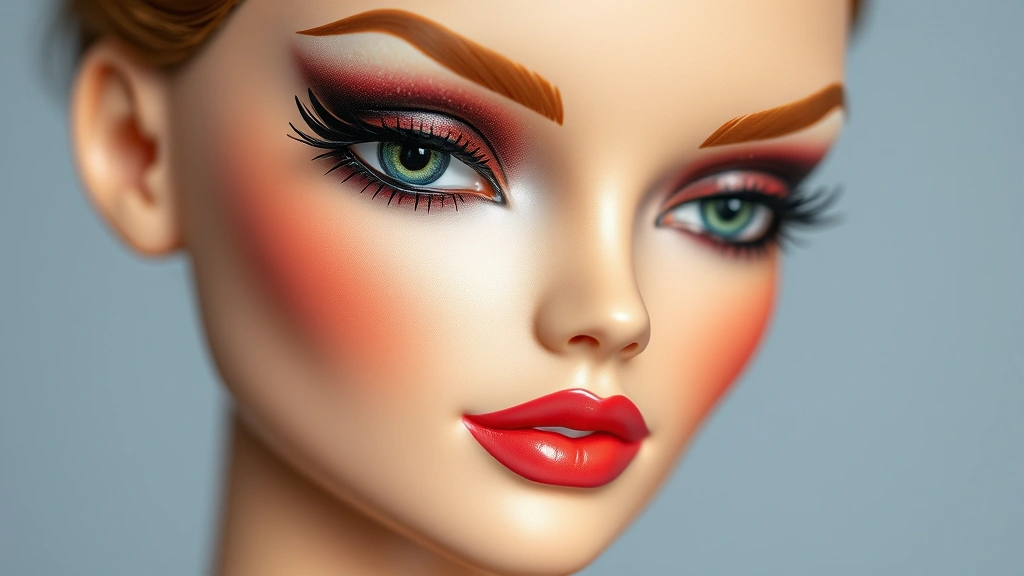
Fashion Dolls Makeup Trends: Expert Insights
Fashion dolls have captivated makeup enthusiasts and collectors for decades, serving as miniature muses for beauty innovation and creative expression. These tiny canvases represent more than just toys—they’re trend forecasters, artistic collaborations, and windows into evolving beauty standards. From haute couture runway looks to everyday glam, fashion dolls showcase makeup artistry at its finest, inspiring both professionals and hobbyists to experiment with color, technique, and storytelling through cosmetics.
The intersection of fashion dolls and makeup trends reveals fascinating insights about consumer preferences, cultural moments, and the democratization of beauty education. Whether you’re a collector, makeup artist, or simply curious about how these miniature figures influence the broader beauty landscape, understanding fashion doll makeup trends provides valuable perspective on where the industry is headed. This guide explores expert insights into the makeup looks adorning fashion dolls, the techniques used to create them, and what these trends tell us about contemporary beauty culture.
Evolution of Fashion Doll Makeup Through the Decades
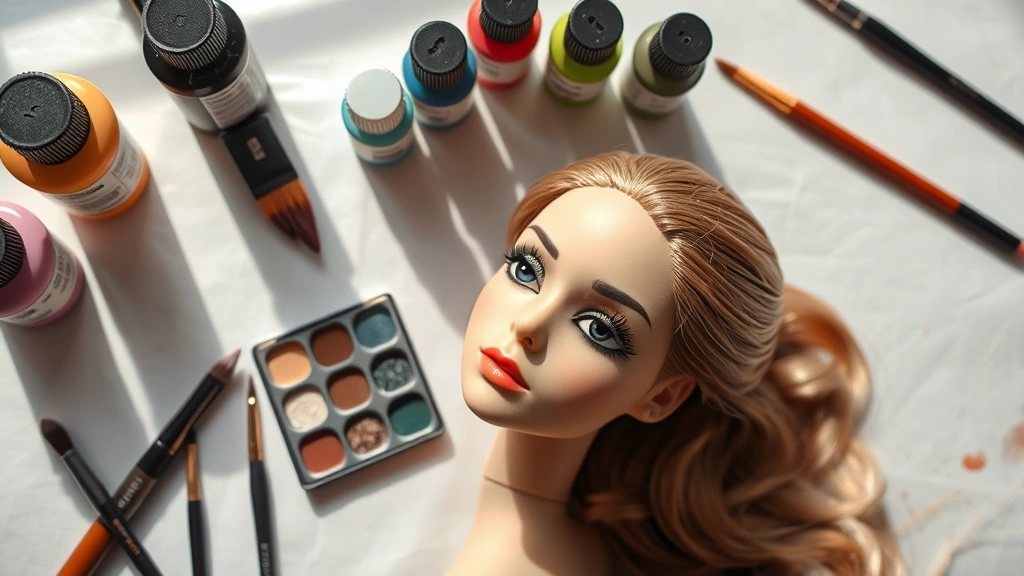
The makeup trends adorning fashion dolls have transformed dramatically since their inception, reflecting broader shifts in beauty culture and societal values. In the 1960s, when fashion dolls first emerged as cultural icons, makeup was bold and graphic—thick black eyeliner, pale eyeshadow, and perfectly defined lips dominated the aesthetic. This era celebrated a somewhat artificial, high-fashion look that prioritized drama and sophistication.
Throughout the 1970s and 1980s, doll makeup evolved to incorporate more colorful eyeshadows, bronzed skin tones, and editorial-style contouring. The 1990s brought a shift toward more naturalistic makeup with emphasis on dewy skin and softer features, reflecting the “heroin chic” movement and minimalist beauty philosophy. Makeup artists working on fashion dolls during this period began experimenting with more nuanced color palettes and blending techniques.
The 2000s introduced digital influence and celebrity culture into doll makeup design. Dolls began sporting makeup inspired by pop stars and red carpet events, featuring smoky eyes, bronzed cheekbones, and statement lips. Today’s fashion doll makeup trends blend all these influences while incorporating contemporary movements like the beauty industry’s broader shift toward inclusivity and diverse representation.
Understanding this evolution helps collectors and enthusiasts appreciate how fashion dolls serve as historical documents of beauty trends. Each decade’s doll tells a story about what society valued aesthetically during that time period.
Current Makeup Trends on Fashion Dolls
Today’s fashion dolls showcase makeup that reflects current real-world beauty trends with impressive accuracy. Clean girl aesthetic has become prominent, featuring minimal makeup with emphasis on flawless skin, natural brows, and neutral lips. This trend mirrors the widespread move away from heavy makeup toward skincare-focused beauty routines.
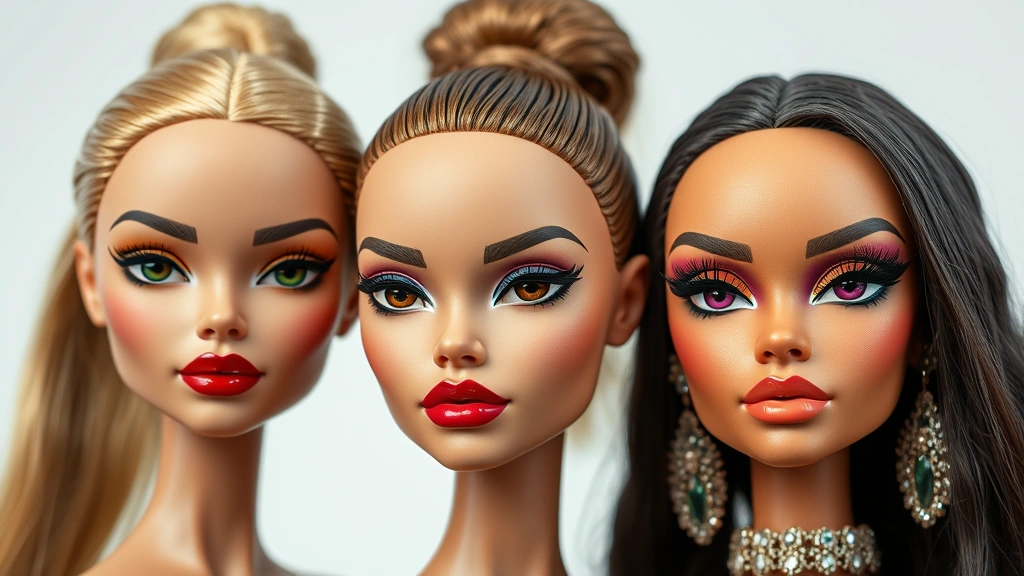
Another dominant trend is maximalist eye makeup, where dolls sport bold eyeshadow colors—from vibrant jewel tones to metallic finishes—combined with dramatic lashes and precise eyeliner. This aesthetic celebrates self-expression and experimentation, appealing to younger collectors interested in pushing creative boundaries.
The no-makeup makeup trend has also gained traction, where dolls appear naturally beautiful with barely-there makeup that enhances rather than transforms features. This approach requires exceptional skill from customizers, as achieving a convincingly natural look on a doll’s small face demands precision and understanding of proportional makeup application.
Inclusivity in doll makeup has expanded significantly, with manufacturers and customizers creating makeup looks suited to diverse skin tones, eye shapes, and facial features. This represents a meaningful shift from historical standards that often favored Eurocentric beauty ideals. Contemporary fashion dolls now feature warm undertones, deeper skin tones, and makeup shades specifically formulated to complement a wider range of complexions.
Color trends currently include earthy neutrals, saturated jewel tones, and unexpected pops of neon. The beauty editorial world’s influence is evident in how dolls incorporate runway-inspired makeup looks, from high-fashion editorial styles to avant-garde artistic expressions.
Techniques Used by Professional Doll Customizers
Creating stunning makeup on fashion dolls requires specialized techniques and materials that differ significantly from traditional makeup application. Professional customizers employ several methods to achieve magazine-quality results on miniature faces.
Paint application techniques form the foundation of doll makeup customization. Artists use fine-tipped brushes, sometimes as small as single-hair brushes, to apply acrylic paints or specialized doll makeup products. Layering thin coats builds color depth and prevents muddy, caked-on appearances. Many professionals apply a primer or base coat to ensure makeup adheres properly to the doll’s vinyl or resin surface.
The blending technique is crucial for creating seamless transitions between colors. Customizers use damp brushes, sponges, or specialized blending tools to merge eyeshadow colors smoothly, creating dimension and preventing harsh lines. This technique is particularly important when achieving the clean girl aesthetic or natural makeup looks.
Highlighting and contouring on dolls requires understanding facial proportions at miniature scale. Artists apply lighter shades to create dimension and darker shades to define features, always considering how the doll’s face shape and existing sculpt interact with these techniques. Strategic placement of highlights on cheekbones, brow bones, and the inner corners of eyes creates luminosity.
Professional customizers also utilize sealant products to protect finished makeup from smudging, fading, or transferring. Matte or glossy finishes are applied depending on the desired aesthetic—matte creates a more sophisticated, editorial look while glossy finishes add youthful vibrancy and dimension.
Many experts recommend understanding the science behind makeup formulation to select products that work optimally on doll surfaces. Different materials—vinyl, resin, or composition—may require specific paint types and application methods for best results.
Eyebrow shaping on dolls involves careful consideration of the existing sculpted brow shape, then enhancing it with precise painting to create definition and character. Brow placement dramatically affects overall facial expression, making this technique essential for successful doll customization.
Sustainability and Ethical Considerations
As beauty and fashion industries increasingly prioritize sustainability, fashion dolls and their makeup customization practices face similar scrutiny and opportunities for improvement. Collectors and customizers are becoming more conscious of environmental impact and ethical sourcing.
The reduction of carbon footprints in fashion manufacturing extends to doll production. Many collectors now seek dolls from manufacturers committed to sustainable practices, including responsible sourcing of materials and ethical labor standards. Vintage and secondhand dolls have become increasingly popular as a sustainable alternative to new purchases, reducing demand for new production.
Customizers working with sustainable materials have developed innovative approaches, including using eco-friendly makeup products that contain natural pigments and non-toxic binders. Some artisans create custom makeup using plant-based paints and organic sealants, aligning their practice with broader environmental values.
The concept of positive human-environment interaction applies to doll customization communities, where sharing techniques, trading materials, and collaborating on projects reduces waste and encourages resourcefulness. Online communities dedicated to doll customization facilitate the exchange of materials and knowledge, promoting circular economy principles.
Ethical considerations also extend to representation and cultural sensitivity in doll makeup design. Customizers and manufacturers increasingly prioritize authentic, respectful approaches to diverse beauty traditions rather than appropriative or stereotypical interpretations.
DIY Doll Makeup: Tips and Tutorials
Creating custom makeup on fashion dolls is an accessible hobby for enthusiasts of all skill levels. With proper materials, patience, and practice, anyone can develop impressive customization abilities.
Essential materials for doll makeup customization include:
- Fine-tipped brushes in various sizes (0, 00, and 000 are particularly useful)
- Acrylic paints or specialized doll makeup products
- Water for brush cleaning and thinning paints
- Palette for color mixing
- Primer or base coat
- Matte or glossy sealant
- Soft cloths for blending
Preparation steps set the foundation for successful makeup application. First, thoroughly clean the doll’s face with warm water and mild soap, removing any dust or residue. Allow complete drying before beginning. Some customizers apply a light primer to help paint adhere better and create a smoother base.
Color selection should consider the doll’s skin tone, hair color, and intended aesthetic. Warm skin tones pair beautifully with earthy eyeshadows and warm-toned lips, while cool skin tones suit jewel tones and cool-toned cosmetics. Test colors on a hidden area first or use a separate practice doll.
Step-by-step application process:
- Begin with eyeshadow, applying a light wash of color across the entire eyelid
- Add depth by applying darker shades to the crease and outer corner
- Blend colors seamlessly using a damp brush
- Define the upper lash line with eyeliner, keeping lines thin and precise
- Apply highlight to the inner corner of the eye and brow bone
- Move to cheeks, applying blush in circular motions on the apples of the cheeks
- Add contour to the hollows of cheeks if desired, blending thoroughly
- Apply lip color, using a very fine brush for precise application
- Allow paint to dry completely before applying sealant
Common mistakes to avoid include applying paint too thickly, which creates a cakey appearance; using insufficient blending, which results in harsh color transitions; and neglecting to allow adequate drying time between coats. Patience is essential—multiple thin layers create better results than single heavy applications.
Practice techniques that build skills include working on inexpensive practice dolls before attempting valuable collectibles, studying reference photos of professional customizations, and experimenting with different brush types and paint brands to discover personal preferences.
The Influence on Real-World Beauty Standards
Fashion dolls function as cultural artifacts that both reflect and shape real-world beauty standards. The makeup adorning these miniature figures influences how people perceive attractiveness, makeup application techniques, and aspirational beauty ideals.
The relationship between doll aesthetics and consumer beauty choices operates bidirectionally. Manufacturers design doll makeup based on current trends, but collectors and consumers also internalize these looks as desirable, potentially influencing their own makeup purchases and application choices. This creates a feedback loop where doll trends and real-world beauty trends mutually reinforce each other.
Representation matters significantly in this context. When fashion dolls featured limited diversity in makeup shades and styles, it communicated narrow beauty standards to young consumers. The contemporary shift toward inclusive doll makeup—featuring diverse skin tones, varied eye shapes, and culturally authentic beauty traditions—sends powerful messages about the legitimacy and beauty of different aesthetic approaches.
Professional makeup artists cite fashion dolls as inspiration sources, referencing doll customizations when developing editorial looks or teaching techniques. The miniature scale of doll makeup actually offers advantages for artists studying proportion and placement—the exaggerated features make subtle techniques more visible and easier to analyze.
Social media has amplified fashion doll makeup’s influence on beauty culture. Collectors share customizations on Instagram and TikTok, reaching audiences far beyond traditional doll enthusiast communities. Viral doll makeup videos introduce trends to millions, sometimes preceding broader real-world adoption of these looks.
The beauty industry’s recognition of doll customization as legitimate artistic practice has elevated the status of this hobby. Major beauty publications now feature articles about doll customizers, and some makeup brands have partnered with customization artists to create collaborative products or content.
Understanding how fashion dolls influence beauty standards helps consumers make more intentional choices about which aesthetic ideals they embrace. Rather than passively accepting beauty norms, awareness of doll-driven trends enables critical engagement with these cultural messages.
FAQ
What materials are best for fashion doll makeup customization?
Acrylic paints work well for most customizers due to their quick drying time and vibrant colors. Specialized doll makeup products offer better adhesion on vinyl and resin surfaces. Always use fine-tipped brushes (sizes 0-000) and apply multiple thin coats rather than single thick applications. Seal finished makeup with matte or glossy sealant to prevent smudging.
How can I make doll makeup look natural and realistic?
Focus on subtle color application and thorough blending. Use neutral, skin-tone-matching colors for base eyeshadow and minimal product on the lips. Study real faces and makeup photos to understand proper placement and proportions at miniature scale. Practice blending techniques extensively, as seamless color transitions create the most natural appearance.
Are there specific makeup trends for different doll brands?
Different doll brands have distinct aesthetics. Fashion-forward brands often feature editorial makeup with bold colors and precise techniques, while lifestyle-focused brands showcase more natural, everyday looks. Understanding each brand’s design philosophy helps when customizing dolls to match their intended aesthetic or when selecting customization inspiration.
What’s the difference between customizing vintage dolls versus modern dolls?
Vintage dolls may have different surface finishes requiring specific primer and paint types. Modern dolls typically feature improved sculpting and surface preparation, making customization slightly easier. Always research the specific doll material (composition, vinyl, resin) before beginning customization, as each requires slightly different techniques and products.
How do I fix makeup mistakes on dolls?
If paint hasn’t dried, gently remove it with a damp brush or cloth. Once dry, carefully paint over mistakes with a matching base color, then reapply the desired makeup. For significant errors, some customizers use specialized paint removers designed for doll restoration, though these require careful application to avoid damaging the doll’s finish.
Can I use regular makeup products on fashion dolls?
Regular makeup products aren’t ideal for dolls due to formulation differences and adhesion issues. Acrylic paints and specialized doll makeup products adhere better to vinyl and resin surfaces. Regular cosmetics may smudge, crack, or transfer onto clothing and hands more easily than paint-based products designed specifically for customization.

Related Posts
Perfect Old Fashioned Donut: Baker’s Secrets
Old Fashioned Chocolate Pie Recipe? Chef’s Favorite