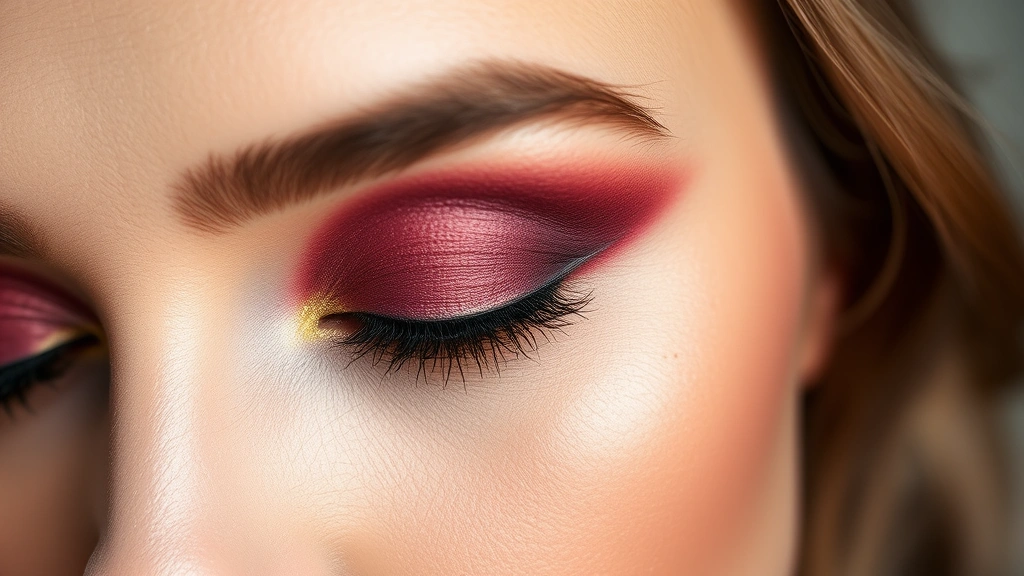
Dark Academia Makeup: Tips from Industry Experts
Dark academia makeup is more than just a trend—it’s a sophisticated aesthetic that blends intellectual elegance with moody, atmospheric beauty. Whether you’re drawn to the candlelit libraries of gothic literature or the refined charm of prestigious institutions, this makeup style captures a sense of mystery and timeless sophistication. Industry experts agree that mastering dark academia makeup requires understanding color theory, texture layering, and the psychology behind this captivating look.
The dark academia movement has evolved from a niche fashion subculture into a mainstream beauty phenomenon, with makeup artists and beauty influencers sharing their interpretations across social media. What makes this aesthetic particularly appealing is its versatility—it can be subtle and wearable for everyday occasions or dramatically intense for special events. In this comprehensive guide, we’ll explore professional techniques, product recommendations, and insider tips to help you create an authentic dark academia makeup look that feels both polished and purposeful.
Understanding the Dark Academia Aesthetic
Dark academia represents a romanticized vision of intellectual life, drawing inspiration from classic literature, historical institutions, and vintage aesthetics. The makeup associated with this style emphasizes a naturally enhanced yet deliberately moody appearance. According to Beautylish, dark academia makeup prioritizes a polished, almost scholarly elegance that suggests someone who spends their time absorbed in books rather than in front of a mirror—though the artistry is undeniably intentional.
The core philosophy of dark academia makeup centers on creating a look that feels both intellectual and atmospheric. This means avoiding overly trendy or playful elements in favor of timeless, sophisticated choices. The aesthetic values depth, richness, and subtle complexity. Many makeup artists describe it as creating a “moody canvas”—one that invites intrigue and conversation. The look often incorporates earthy tones, deep jewel shades, and rich metallics that evoke candlelight and old libraries.
Understanding the context behind dark academia makeup helps you make more intentional choices about which products and techniques to use. Rather than simply applying dark eyeshadow, you’re creating a narrative through color, texture, and placement. This approach to makeup aligns with the broader sustainable fashion brands aesthetic that values quality and timelessness over disposable trends.
Essential Color Palettes for Dark Academia Makeup
The color palette is absolutely fundamental to achieving an authentic dark academia makeup look. Rather than reaching for bright, saturated shades, dark academia makeup celebrates deep, complex colors that evoke a sense of mystery and intellectual pursuit. The primary colors to consider include burgundy, deep plum, rich chocolate brown, forest green, and charcoal gray. These shades work beautifully together because they share similar undertones and create a cohesive, intentional appearance.
Burgundy stands out as perhaps the most iconic dark academia color. This wine-inspired shade flatters virtually every skin tone and can be applied subtly to the lids or built up for dramatic impact. Dermatologic research on color theory and skin undertones confirms that jewel tones like burgundy, emerald, and sapphire enhance natural skin luminosity while creating the moody aesthetic dark academia demands.
Deep plum offers another excellent option, particularly for creating dimension in the eye area. When layered with lighter browns or champagne shades, plum creates depth without appearing harsh. Forest green provides an unexpected but sophisticated choice, especially for those seeking to differentiate their dark academia look. This shade works particularly well for creating graphic liner looks or subtle wash applications across the lid.
Brown tones—ranging from warm chocolate to cool taupe—serve as the foundational shades in most dark academia palettes. These neutrals allow you to build complexity and prevent the look from appearing too costume-like. Charcoal and black function as your defining shades, perfect for creating dramatic liner or deepening the crease for added dimension. The key to working with this palette is understanding how to layer these colors to create depth and movement rather than a flat, one-dimensional appearance.
Metallics play a crucial supporting role in dark academia makeup. Instead of bright gold or silver, opt for antique gold, bronze, or gunmetal finishes. These sophisticated metallics catch light in a way that feels intentional and refined rather than flashy. They work beautifully as inner-eye highlights or subtle lid toppers that add just enough luminosity to prevent the look from appearing completely matte and heavy.
Foundation and Base Techniques
A flawless base is essential for any makeup look, but it’s particularly important for dark academia makeup where the focus is on refined sophistication. Start with a primer that addresses your specific skin concerns—whether that’s oiliness, dryness, or texture issues. A good primer ensures that your eyeshadow stays put throughout the day and prevents creasing, which is crucial when working with darker, more visible shades.
When selecting foundation, choose a shade that matches your skin perfectly. Dark academia makeup often features a relatively minimal base, so any mismatch will be immediately noticeable. Apply foundation with a damp beauty sponge, using gentle pressing motions rather than dragging, which can disturb your primer and create an uneven application. Build coverage gradually, focusing on areas that need more pigmentation while keeping the base sheer in areas where you have even skin tone.
Concealer application deserves special attention in dark academia makeup. Rather than applying concealer under the entire eye area, use it strategically to brighten the inner corner and under the arch of the brow bone. This technique creates the illusion of lifted, awake eyes—a crucial counterbalance to darker eyeshadow. Set your base with a translucent powder, using a light hand to avoid a heavy, cakey appearance that contradicts the refined aesthetic.
Consider the undertone of your base products carefully. Dark academia makeup benefits from bases with slightly warm or neutral undertones rather than pink or peachy ones. This helps create a cohesive look when paired with the earthy and jewel-toned eyeshadows that define the aesthetic. If you’re working with deeper skin tones, ensure your foundation, concealer, and powder are specifically formulated to match, as many mainstream brands historically offered limited shade ranges.
Eye Makeup Mastery
The eyes are undoubtedly the focal point of dark academia makeup. This is where you’ll apply most of your color and create the dramatic, moody effect that defines the aesthetic. Begin by applying an eyeshadow primer to create a smooth, even surface and ensure longevity. Even if you don’t use primer elsewhere, it’s non-negotiable for dark eyeshadow application.
Start with a neutral transition shade across your entire lid, blending it into your crease. This shade—typically a warm brown or taupe—serves as a bridge between your skin tone and the darker colors you’ll apply next. Use a fluffy blending brush and windshield-wiper motions to create a smooth gradient. This foundational step is crucial because it prevents harsh lines and creates a sophisticated, blended appearance.
Next, apply your primary dark academia shade—perhaps a deep burgundy or plum—to the lid itself. Use a flat or slightly domed brush to press the color onto your lid, building intensity gradually. Many makeup artists recommend using a damp brush for deeper color payoff, as moisture helps pigment adhere better to the lid. Work the color into your crease, creating dimension and depth. This layering technique is what separates a basic dark eyeshadow look from a truly sophisticated dark academia creation.
Deepen your crease with a darker shade—charcoal, black, or a deeper version of your primary shade. Apply this color with a pencil or smaller blending brush, focusing on the outer corner and working inward. This creates a natural-looking shadow that mimics the way light naturally creates dimension on the eye. Blend thoroughly to avoid harsh lines that can appear costume-like rather than refined.
Add dimension with a subtle highlight on the inner corner and brow bone. Rather than a bright, obvious shimmer, choose an antique gold, bronze, or even a soft champagne. Apply this with a small brush or your finger, using a light hand. This highlight serves an important function—it prevents the entire eye from appearing dark and heavy, and it creates a subtle focal point that draws attention to the eye itself.
Eyeliner application completes your dark academia eye makeup. A dark brown or black liner applied close to the lash line creates definition without appearing harsh. Many makeup artists recommend using a pencil or gel liner rather than liquid for a softer, more blended appearance. For a more dramatic effect, you might extend the liner slightly at the outer corner, creating a subtle cat-eye that feels sophisticated rather than trendy.
Lip Color Selection and Application
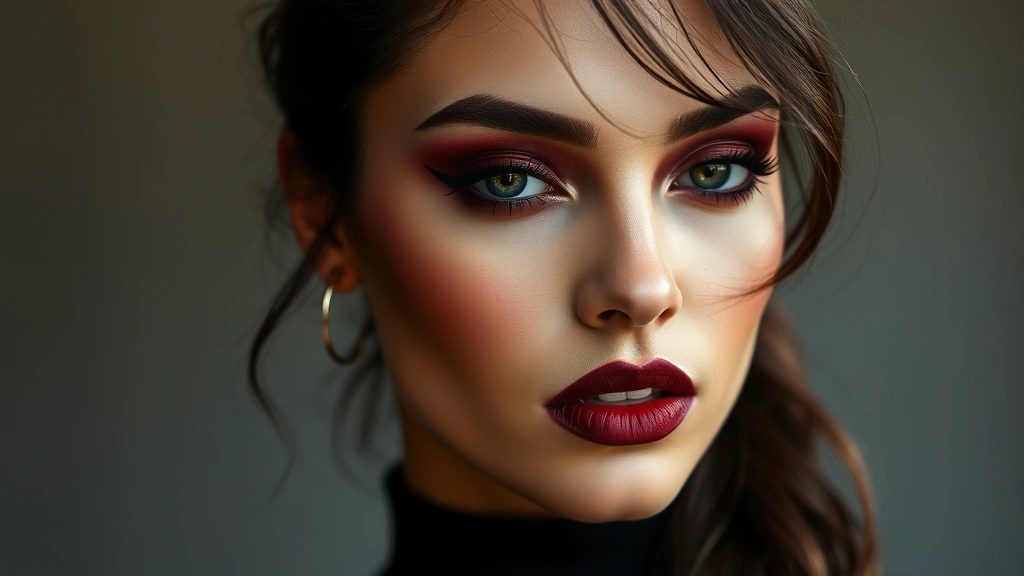
Lip color choices significantly impact the overall dark academia makeup aesthetic. Rather than matching your eyeshadow or going extremely bold, aim for complementary shades that feel intentional and refined. Deep burgundy, wine, oxblood, and mauve are quintessential dark academia lip colors. These shades work beautifully with the eye makeup while maintaining the sophisticated, intellectual vibe the aesthetic demands.
The finish of your lip color matters as much as the shade itself. Matte lipsticks provide a bold, statement-making appearance that feels intentional and artistic. Satin finishes offer a middle ground—they provide color and definition without appearing completely flat. Glossy finishes can work for dark academia if you choose a shade with depth; however, avoid overly shiny finishes that can appear playful rather than refined.
Application technique ensures your lip color looks polished and intentional. Start by exfoliating and moisturizing your lips, as dark lipstick emphasizes texture. Use a lip liner in a matching shade to define your lips and prevent feathering. Apply lipstick with a brush for precise application and better control. If you’re using a matte formula, consider applying a very light, barely-there gloss to the center of your lips to add dimension and prevent a completely flat appearance.
If you prefer a more subtle approach, a tinted lip balm or stain in a burgundy or mauve shade provides dark academia aesthetic without the commitment of full lipstick. This option works particularly well for daytime or professional settings where full dark academia makeup might feel too intense. The beauty of this aesthetic is its flexibility—you can adapt it to your comfort level and the occasion.
Blush and Contour for Definition
Blush and contour play supporting but important roles in dark academia makeup. Rather than using bright, obvious blush shades, choose deeper, more muted tones that complement your eyeshadow and lip color. Terracotta, rust, deep rose, and warm brown blushes work beautifully within the dark academia palette. Apply blush to the apples of your cheeks, blending upward and backward toward your temples. Use a light hand—you want to suggest color rather than announce it.
Contour adds structure and definition to your face, which is particularly important when wearing darker eye makeup that can sometimes make features appear softer. Use a shade approximately two shades deeper than your skin tone, applied in the hollows of your cheeks, along the sides of your nose, and along your jawline. Blend thoroughly to avoid harsh lines. The goal is creating subtle definition that enhances your natural bone structure rather than creating an obviously sculpted appearance.
Bronzer can add warmth to your complexion, particularly if you’re working with cooler-toned eyeshadows like plum or cool-toned burgundy. Apply bronzer sparingly to areas where the sun naturally hits your face—your forehead, cheekbones, nose, and chin. This creates a cohesive, intentional appearance rather than appearing makeup-heavy. The overall effect should feel like an enhanced version of yourself, not a completely transformed appearance.
Highlighting completes your base makeup and adds the final touch of sophistication. Rather than using an obvious, glittery highlight, choose a subtle, luminous shade in champagne, antique gold, or even a cool pearl. Apply highlight to the highest points of your cheekbones, the bridge of your nose, the inner corners of your eyes, and your cupid’s bow. These strategic applications create dimension and draw light to your best features without appearing over-the-top.
Professional Tips from Makeup Artists
Industry professionals consistently emphasize the importance of understanding your own features and how they interact with dark academia makeup. The Cut’s beauty section features interviews with professional makeup artists who stress that dark academia isn’t about copying a specific look but rather adapting the aesthetic to suit your unique features, skin tone, and personal style. What works beautifully on one person might need adjustment for another.
One universal professional tip is investing in quality eyeshadow formulas. Dark colors require excellent pigmentation and blending capability to appear sophisticated rather than muddy. Cream, powder, and liquid eyeshadows all have their place in dark academia makeup, but they must be high-quality formulations that perform reliably. Many makeup artists recommend brands known for their complex, richly pigmented palettes that provide the depth necessary for this aesthetic.
Blending is perhaps the most critical technique professional makeup artists emphasize. Dark academia makeup can easily appear costume-like or harsh if colors aren’t blended seamlessly. Invest in quality brushes and take time to blend transitions thoroughly. This single technique separates amateur dark academia attempts from polished, professional-looking applications. Professional makeup artists often recommend having multiple blending brushes in various sizes to handle different areas and layering needs.
Lighting plays a significant role in how dark academia makeup appears. Professional makeup artists note that this aesthetic often looks more dramatic in natural light than under artificial lighting. When applying dark academia makeup, test it in various lighting conditions to ensure it appears intentional and beautiful rather than muddy or unclear. This is particularly important if you’re creating dark academia makeup for photography or special events.
Skincare preparation cannot be overstated. Professional makeup artists consistently emphasize that flawless makeup begins with healthy, well-prepared skin. Establish a skincare routine that addresses your specific concerns, use hydrating primers, and ensure your base products are appropriate for your skin type. Dark academia makeup, with its emphasis on sophistication and refinement, looks best on skin that’s properly moisturized and free from obvious texture issues.
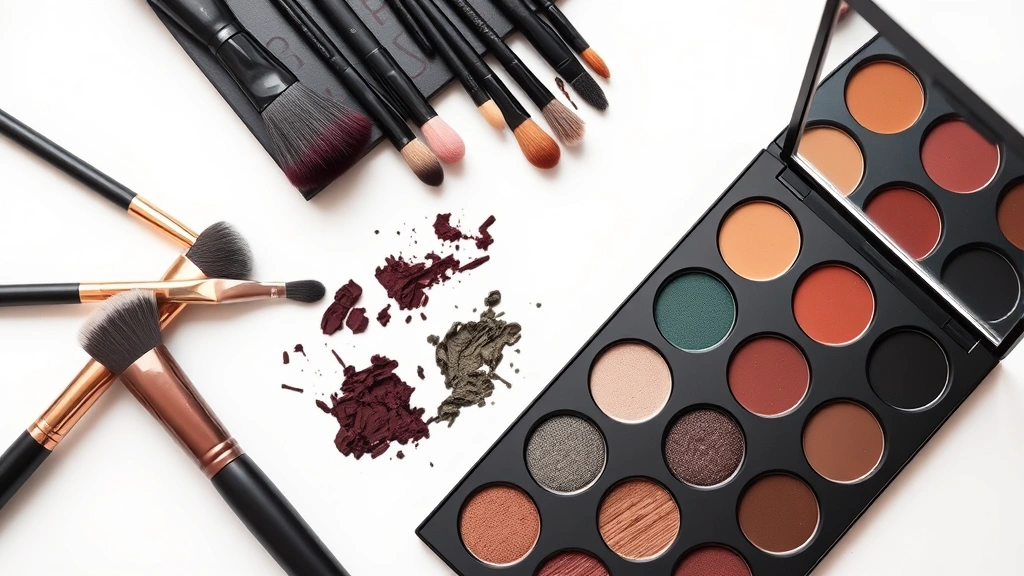
Consider creating a dark academia makeup kit with your essential products. Rather than using whatever eyeshadow palette is available, curate a collection of specific shades that work cohesively. This might include a burgundy shade, a deep plum, warm and cool browns, charcoal, and a subtle metallic highlight. Having these specific shades readily available makes creating dark academia makeup faster and more consistent. Many makeup artists recommend creating a reference photo collection of dark academia looks you love, which helps you identify patterns in color choices and application techniques you’re drawn to.
Professional makeup artists also emphasize the importance of makeup removal and skin recovery. Dark eyeshadow, particularly in matte finishes, can be drying to the delicate eye area. Use a gentle makeup remover formulated for eyes, and follow up with a nourishing eye cream. This ensures your skin remains healthy and ready for your next dark academia makeup application. Consistency in skincare directly impacts how well your makeup applies and how long it lasts throughout the day.
Finally, experts recommend practicing dark academia makeup application regularly. Like any skill, makeup application improves with repetition. Set aside time to practice blending, experiment with different color combinations, and develop muscle memory for application techniques. Many makeup artists suggest practicing on days when you’re not planning to go anywhere, allowing you to experiment without pressure. This practice translates into faster, more confident application when you’re actually wearing the makeup for an event or outing.
The relationship between dark academia makeup and broader fashion movements is worth exploring. While dark academia makeup stands on its own aesthetic merit, it often complements dark academia fashion choices. Understanding how to coordinate your makeup with dark academia clothing—think vintage blazers, pleated skirts, oversized sweaters, and classic accessories—creates a cohesive, intentional overall appearance. This holistic approach to styling is what separates someone simply wearing dark makeup from someone authentically embodying the dark academia aesthetic.
Sustainability considerations increasingly influence makeup choices. As with sustainable fashion choices, many beauty enthusiasts now prioritize makeup brands that use ethical sourcing, sustainable packaging, and cruelty-free practices. Fortunately, many excellent dark academia-compatible makeup brands align with these values, allowing you to create this sophisticated look while supporting responsible beauty companies.
Seasonal adaptations of dark academia makeup offer interesting creative opportunities. In autumn and winter, you might lean into deeper, richer shades and warmer metallics. Spring and summer adaptations might incorporate slightly lighter browns, cooler-toned purples, or softer metallics while maintaining the overall dark academia aesthetic. This seasonal flexibility keeps the look fresh and interesting throughout the year while maintaining its essential character.
Dark academia makeup for different occasions requires thoughtful adaptation. Professional or academic settings might call for a more subtle interpretation—perhaps just dark eyeshadow with neutral lips and minimal contour. Social events, parties, or creative settings allow for more dramatic, fully realized dark academia looks. Understanding how to scale the intensity of dark academia makeup ensures you feel confident and appropriate in any context.
FAQ
What’s the best dark academia eyeshadow shade for beginners?
Burgundy is the most forgiving and flattering dark academia shade for beginners. It’s less intimidating than pure black or plum, works on most skin tones, and blends more easily. Start with a burgundy eyeshadow, blend it with a warm brown, and add a touch of black in your crease for dimension. This simple approach creates an authentic dark academia look without requiring advanced blending skills.
Can I wear dark academia makeup to work or school?
Absolutely, though you may want to adapt the intensity. A subtle dark academia look—perhaps just a burgundy or brown eyeshadow with neutral lips and minimal contour—works beautifully in professional or academic settings. You can always build toward a more dramatic dark academia look during your personal time or for special events. The beauty of this aesthetic is its flexibility across different contexts.
How do I prevent dark eyeshadow from looking muddy or unclear?
Quality products and thorough blending are essential. Invest in eyeshadow formulas with excellent pigmentation and blending capability. Use an eyeshadow primer to ensure colors stay true and don’t shift throughout the day. Most importantly, blend transitions carefully using multiple brushes and blending motions. Take your time during application rather than rushing—blending is what separates professional-looking dark academia makeup from amateur attempts.
What’s the difference between dark academia and goth makeup?
While both aesthetics use dark colors, dark academia emphasizes intellectual sophistication and scholarly elegance, often with warmer undertones and more subtle application. Goth makeup typically uses cooler tones, more dramatic intensity, and often incorporates additional elements like graphic liner or darker lip colors. Dark academia feels refined and intentional, while goth can be more theatrical and expressive. That said, there’s overlap, and personal interpretation varies widely.
How long does dark academia makeup typically last?
With proper application—including primer, quality products, and setting spray—dark academia makeup can last 8-12 hours. Darker eyeshadows tend to have better staying power than lighter shades, though individual results vary based on skin type, product quality, and environmental factors like humidity or activity level. Using an eyeshadow primer is crucial for ensuring longevity, particularly with matte finishes.
Can I create dark academia makeup with drugstore products?
Absolutely. While high-end brands often offer excellent quality, many drugstore brands produce beautiful eyeshadow palettes and lip colors suitable for dark academia makeup. Focus on finding quality formulas with good pigmentation and blending capability rather than worrying about price point. Many makeup artists recommend testing products before purchasing and reading reviews from other users with similar skin types.
What should I do if my dark eyeshadow looks too harsh or costume-like?
Blend more thoroughly and consider adding more transition shades between your skin tone and dark colors. Harsh lines are often the culprit behind costume-like appearances. Additionally, ensure you’re using quality brushes and taking time during application. If the overall look feels too intense, try scaling back to a more subtle interpretation or using lighter versions of dark academia shades.

Related Posts

Perfect Old Fashioned Donut: Baker’s Secrets

Old Fashioned Chocolate Pie Recipe? Chef’s Favorite