How to Rock 70s Disco Fashion? Expert Tips
The 1970s disco era wasn’t just about music—it was a complete fashion revolution that celebrated bold colors, shimmering textures, and unapologetic glamour. Whether you’re attending a themed party, exploring retro fashion, or simply channeling that iconic Studio 54 energy, mastering 70s disco fashion is all about confidence and embracing the sparkle. This guide will walk you through every essential element, from sequin dresses to platform shoes, helping you create an authentic disco look that turns heads.
Disco fashion represented a cultural shift toward self-expression and liberation. Unlike the minimalist trends of other decades, the 70s disco scene celebrated excess, luminescence, and body-confident silhouettes. The movement emerged from underground nightclub culture and eventually dominated mainstream fashion, making it one of the most recognizable and fun eras to recreate today. Understanding the core principles of this era will help you build a cohesive, showstopping disco ensemble.
Essential Disco Dress Codes and Silhouettes
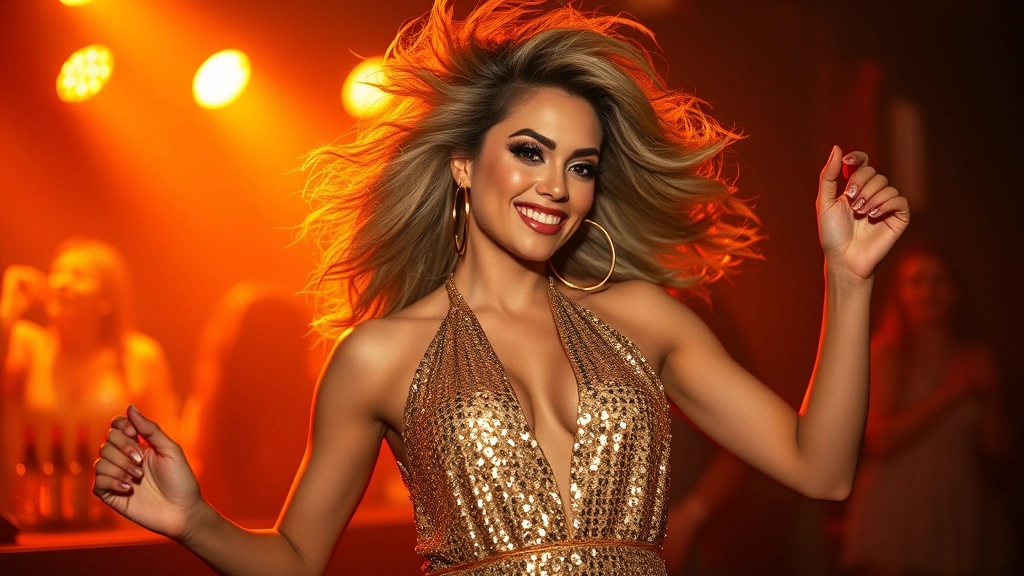
The foundation of any 70s disco fashion look starts with understanding the silhouettes that defined the era. Disco fashion celebrated body-hugging cuts, wrap dresses, and flowing jumpsuits that allowed for movement while maintaining that glamorous aesthetic. The iconic disco dress typically featured a plunging neckline, fitted waist, and a hemline that ranged from mid-thigh to floor-length, creating an elegant yet sexy vibe.
For women, the disco dress is the quintessential choice. Look for pieces with halter necklines, backless designs, or off-shoulder cuts that showcase confidence and skin. Wraparound dresses in metallic or jewel-toned fabrics were particularly popular, as they offered versatility and that signature disco elegance. The key is finding a dress that hugs your curves while allowing you to move freely on the dance floor.
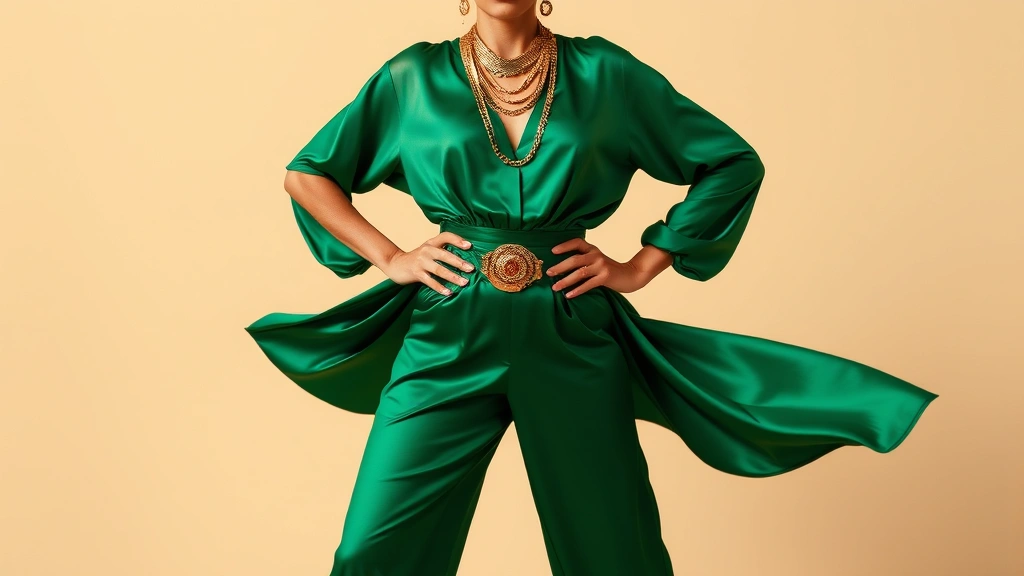
Jumpsuits were another major player in disco fashion, offering a sophisticated alternative to traditional dresses. Wide-leg jumpsuits with cinched waists created a stunning silhouette, while the fabric choices ranged from satin to lamé to sequined materials. Pairing a jumpsuit with minimal accessories creates an instantly polished disco look that works for both themed events and costume parties.
Men’s disco fashion centered around tailored suits, often in bold colors or patterns. Leisure suits—those iconic, soft, short-sleeved button-ups—became synonymous with the era, though they’re best approached with irony or complete commitment to the theme. Wide-collared shirts, often left unbuttoned to show chest hair and gold chains, paired with fitted trousers created the classic male disco silhouette. Consider exploring sustainable fashion brands that offer vintage-inspired pieces if you’re building an eco-conscious disco wardrobe.
Mastering Metallic and Sequin Fabrics
No 70s disco fashion guide is complete without discussing the fabrics that made the era shine—literally. Sequins, lamé, holographic materials, and metallics were the hallmarks of disco dressing, catching light with every movement and creating that mesmerizing dance floor effect.
Sequins are the most recognizable disco element, and they come in various styles. All-over sequined dresses create maximum impact, while strategic sequin placement on one side or as an accent stripe offers a more subtle approach. When wearing a heavily sequined piece, keep other elements simple to let the fabric be the star. Metallic fabrics like lamé and lurex offer a similar sparkle with a smoother, more refined appearance—perfect if you prefer elegance over maximum glitter.
Holographic and iridescent fabrics were also beloved during this period, creating color-shifting effects that seemed futuristic and magical under disco lighting. These materials work wonderfully for belts, tops, or accent pieces. When shopping for disco fabrics, remember that quality matters—cheap sequins can snag and fall off, so invest in well-made pieces that will last through multiple dance sessions.
Satin and silk were equally important to the disco aesthetic, offering luxury and fluidity. A simple satin slip dress in jewel tones paired with a sequined jacket creates a balanced, sophisticated disco look. The contrast between matte and shiny fabrics adds visual interest and prevents your outfit from feeling costume-like. For those interested in sustainable fashion choices, consider vintage disco pieces that give new life to existing garments.
Footwear: Platform Shoes and Beyond
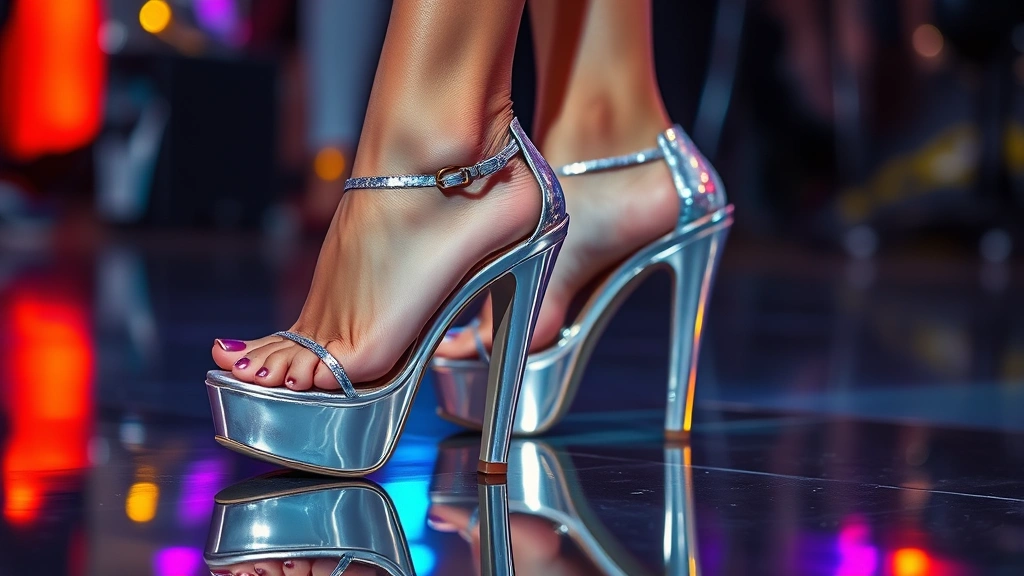
Platform shoes are absolutely essential to completing your 70s disco fashion ensemble. These weren’t just a trend—they were a statement of style and practicality, elevating your height while creating that elongated leg line that disco fashion demanded.
The classic disco platform came in several styles: platform heels with chunky heels (often 3-4 inches), platform boots that reached mid-calf or knee, and even platform sneakers. Gold, silver, and metallic finishes were preferred, though patent leather in bold colors worked beautifully too. Mary Jane platforms, with their distinctive strap across the instep, became iconic disco footwear and remain instantly recognizable today.
For a more comfortable option, platform boots in suede or leather offered both style and practicality for extended wear. Boots paired with hot pants or mini dresses created a bold, confident look that dominated the disco scene. If you’re concerned about comfort during long events, modern platform shoes offer better support than vintage originals while maintaining that authentic aesthetic.
Don’t overlook the power of strappy heels with platforms. Thin straps in metallic or coordinating colors create an elegant, elongated foot line while showcasing pedicure-ready toes. Gold and silver platforms were the most popular choices, but don’t shy away from bold colors like red, orange, or even white platforms that complemented specific outfit color schemes.
Accessorizing Your Disco Look
Accessories transform a basic outfit into a complete 70s disco fashion statement. The disco era embraced maximalism, so layering and combining multiple accessories was not only acceptable—it was encouraged.
Jewelry was bold, chunky, and often gold-toned. Long pendant necklaces, choker necklaces, and layered chains created depth and movement. Hoop earrings in various sizes, particularly large door-knocker style hoops, were essential. Don’t be afraid to mix metals or combine gold with silver—disco fashion celebrated abundance over coordination.
Belts were crucial accessories that often featured large, ornamental buckles. A wide belt cinching the waist over a dress or jumpsuit created definition and emphasized the silhouette. Metallic belts, chain belts, and those with prominent geometric buckles all worked beautifully. A good belt could instantly transform a simple dress into an authentic disco look.
Bags ranged from small, structured clutches to larger shoulder bags, often in metallic finishes or with chain straps. Beaded bags, particularly in gold or silver, added luxury and sparkle. The key was choosing a bag that complemented your outfit without overwhelming it—since disco dresses were already statement pieces, sometimes a simple metallic clutch was all you needed.
Sunglasses, even at nighttime, were a disco staple. Large, oversized frames in tinted colors (pink, blue, or mirrored lenses) added attitude and glamour. These weren’t just practical—they were a fashion essential that completed the disco aesthetic. Scarves, particularly silk scarves tied around the neck or waist, added movement and color.
Hair and Makeup for Disco Nights
Your hair and makeup are just as important as your outfit when channeling 70s disco fashion. The era celebrated volume, shine, and drama in both categories, creating looks that were memorable and photo-worthy.
Hair in the 70s disco scene was all about volume and movement. Big, voluminous curls created that iconic feathered or afro-textured look depending on hair type. If you have naturally straight hair, consider using hot rollers or a curling iron to create loose waves and volume throughout. Blow-drying with a round brush and teasing at the roots creates that signature disco height.
Hair accessories were equally important—metallic clips, jeweled barrettes, and decorative combs added shimmer and held voluminous styles in place. Some disco looks featured slicked-back styles with embellished clips, while others showcased loose, tousled waves with strategic sparkle accents. The key is making your hair look intentional and glamorous rather than naturally casual.
Makeup for disco was bold and dramatic. Heavy eyeliner, whether in classic black or metallic colors, created definition and attitude. Eyeshadow ranged from neutral bronzes to dramatic blues, purples, and greens—often applied with a heavy hand for maximum impact. False lashes or multiple coats of mascara created that wide-eyed, glamorous expression. Allure Magazine offers contemporary takes on disco-inspired makeup that can guide your application techniques.
Foundation should be matte or slightly dewy, creating a smooth canvas for bold eyeshadow and liner. Blush in warm tones like peach, coral, or bronzy shades gave cheeks dimension and that healthy disco glow. Lips ranged from neutral to bold—nude lips let dramatic eyes take center stage, while bold reds or earth tones created balanced, complete looks. The disco aesthetic didn’t require perfection; it celebrated confidence and boldness.
Color Palettes That Define the Era
Understanding the color palettes of 70s disco fashion helps you create cohesive, authentic looks that immediately evoke the era. While sequins and metallics dominate, the base colors matter significantly.
Gold and silver were the most popular metallic tones, with gold slightly edging out silver in prevalence. However, these weren’t just accent colors—entire outfits in gold lamé or silver satin were common and stunning. Jewel tones like emerald green, sapphire blue, ruby red, and deep purple created luxurious, elegant looks. These colors paired beautifully with gold accessories and created sophisticated disco aesthetics.
Earth tones including rust, burnt orange, mustard yellow, and warm browns offered a different disco approach. These colors evoked the natural, earthy movement that influenced 70s culture while still maintaining glamour through fabric choices and silhouettes. Warm caramel, cognac, and terracotta shades created sophisticated alternatives to brighter colors.
Bold, saturated colors like hot pink, electric blue, and vibrant orange represented the playful, energetic side of disco. These colors worked best in solid fabrics or when paired with metallics rather than patterns. Black was also essential—a black sequined dress or black jumpsuit with gold accents created timeless, elegant disco looks.
Pastels, particularly soft pink, peach, and lavender, offered a gentler approach to disco fashion while maintaining the era’s glamorous spirit. These colors in satin or lamé fabrics created sophisticated, feminine looks. The key is choosing colors that complement your skin tone while embracing the disco era’s boldness.
Building Your Disco Wardrobe on a Budget
Creating an authentic 70s disco fashion look doesn’t require spending a fortune. With strategic shopping and creativity, you can build a stunning disco wardrobe that celebrates the era without breaking the bank.
Thrift stores and vintage shops are treasure troves for authentic disco pieces. You’ll find genuine 70s garments, often in excellent condition, at fraction of retail prices. Websites specializing in vintage fashion offer curated selections with detailed descriptions and sizing information. Shopping vintage also aligns with sustainable fashion principles—when you choose sustainable fashion brands and vintage pieces, you reduce environmental impact while building unique wardrobes.
Online retailers now offer affordable disco-inspired pieces that capture the aesthetic without the vintage price tag. Look for budget-friendly options in sequined dresses, metallic fabrics, and platform shoes. These modern interpretations often offer better sizing options and durability than authentic vintage pieces.
DIY customization can transform basic pieces into disco statements. Adding sequins to a plain dress, applying metallic paint to shoes, or adding chain straps to a simple clutch creates personalized pieces while keeping costs low. Iron-on sequins, fabric glue, and metallic paint are inexpensive tools that create impressive results.
Rental services offer another budget-friendly option, particularly if you need authentic vintage pieces for a special event. Renting allows you to wear high-quality, genuinely vintage disco pieces without the commitment and cost of purchase. This approach also supports sustainable fashion practices by maximizing garment use.
Mixing high and low-cost pieces creates balanced budgets. Invest in one statement piece—perhaps an authentic vintage sequined dress or quality platform shoes—and pair it with affordable modern pieces. This approach gives you that genuine disco aesthetic while keeping overall costs manageable.
FAQ
What’s the most essential piece for a disco fashion look?
Platform shoes are arguably the most essential element—they instantly elevate any outfit (literally and figuratively) and are instantly recognizable as disco. However, a well-fitting sequined or metallic dress runs a close second. Together, these two pieces create an undeniable disco aesthetic.
Can I wear 70s disco fashion to non-costume events?
Absolutely! Disco fashion has experienced a major resurgence in mainstream style. A sophisticated metallic slip dress with platform heels and minimal jewelry works beautifully for modern events. The key is choosing elevated pieces and avoiding costume-like extremes unless that’s your intention.
What makeup look complements disco fashion best?
Bold, dramatic eye makeup with winged eyeliner and metallic eyeshadow complements disco fashion perfectly. Pair this with glossy or matte lips depending on your preference. The makeup should feel confident and intentional rather than subtle or natural.
How do I style 70s disco fashion for different body types?
Disco fashion celebrates all body types when styled correctly. Choose silhouettes that make you feel confident—wrap dresses and jumpsuits flatter most bodies, while fitted dresses work beautifully for those comfortable showing curves. The key is choosing pieces that fit well and make you feel amazing.
Where can I find authentic 70s disco fashion pieces?
Vintage shops, thrift stores, and online vintage retailers offer authentic pieces. Estate sales and online marketplaces like Etsy also feature genuine 70s disco garments. For modern pieces inspired by the era, contemporary retailers offer affordable alternatives.
What’s the difference between disco fashion and other 70s styles?
Disco fashion specifically emphasizes sparkle, metallics, bold colors, and body-conscious silhouettes designed for dancing. Other 70s styles like bohemian or hippie fashion celebrated natural fabrics and looser silhouettes. Disco was urban, glamorous, and intentionally eye-catching.
Can I mix disco fashion with modern pieces?
Yes! A vintage sequined top with modern jeans, or a contemporary blazer over a metallic slip dress creates interesting modern-retro hybrids. The key is balancing disco statement pieces with understated modern items to avoid looking costume-like.
What undergarments work best under disco dresses?
Smooth, seamless undergarments prevent visible panty lines under form-fitting dresses. Body-shaping undergarments create smooth silhouettes under sequined or metallic fabrics. Nude or black options work best. For backless or low-back styles, consider adhesive bras or specialized backless bra options.

Related Posts

Perfect Old Fashioned Donut: Baker’s Secrets
Old Fashioned Chocolate Pie Recipe? Chef’s Favorite