How to Rock 90s Men’s Fashion? Expert Tips
How to Rock 90s Men’s Fashion: Expert Tips for Timeless Style
The 1990s gave us some of the most iconic and enduring menswear aesthetics in fashion history. From grunge flannel to minimalist streetwear, the decade’s style rebellion continues to influence contemporary fashion today. Whether you’re drawn to the anti-fashion attitude of Seattle’s music scene or the clean, understated elegance of ’90s minimalism, mastering 90s men’s fashion means understanding the cultural movements that shaped these trends and learning how to adapt them for modern wear.
What makes 90s style so compelling is its rejection of excess and pretension. The era celebrated authenticity over designer logos, comfort over constriction, and individuality over conformity. This philosophy makes 90s men’s fashion surprisingly relevant and wearable in today’s fashion landscape. Whether you’re building your first vintage collection or refreshing your entire wardrobe with retro-inspired pieces, this guide will help you understand the key elements and styling principles that defined a generation.
Grunge Essentials: The Foundation of 90s Style
Grunge emerged from Seattle’s music scene in the late 1980s and dominated the early-to-mid 1990s, fundamentally changing how men approached fashion. The aesthetic rejected the polished, power-suit culture of the 1980s in favor of a deliberately unkempt, lived-in look that prioritized comfort and authenticity. Understanding grunge fundamentals is essential for anyone wanting to capture genuine 90s men’s fashion.
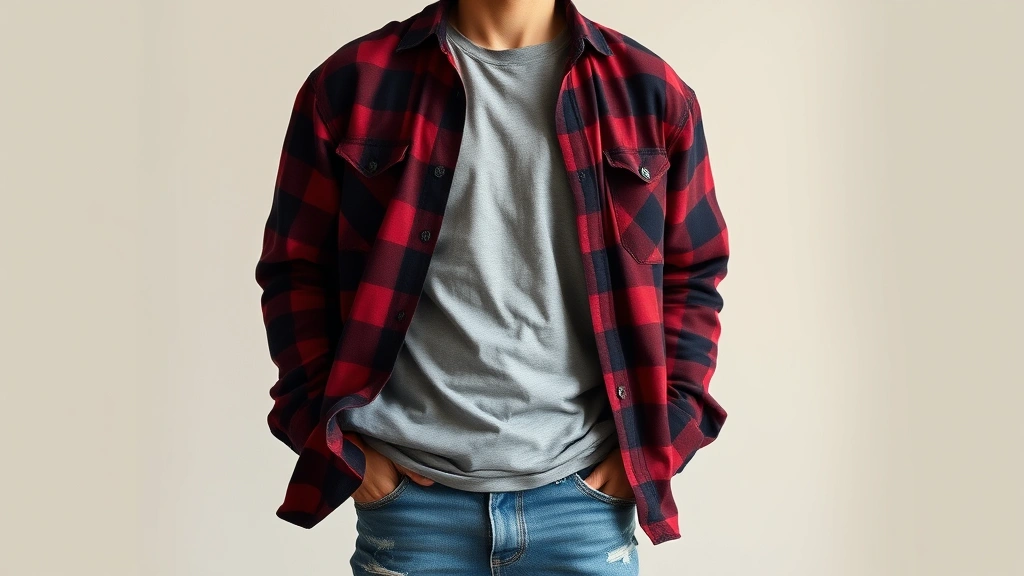
The cornerstone of grunge style is the flannel shirt. These oversized, plaid button-ups became synonymous with the era, worn unbuttoned over graphic band t-shirts or layered under vintage cardigans. The key to wearing flannel authentically is embracing the oversized fit—grunge was never about tailoring or structure. Look for genuine vintage flannels in muted color palettes like forest green, burgundy, faded blue, or black and white checks. Thrift stores remain your best source for authentic pieces that carry the worn-in character grunge demands.
Band t-shirts formed the visual foundation of grunge fashion, with wearers using their chest as a canvas for musical allegiance. Nirvana, Soundgarden, Alice in Chains, and Pearl Jam tees became cultural artifacts. While vintage originals command premium prices, modern reproductions from legitimate sources capture the aesthetic without the investment. The styling principle remains simple: keep the shirt visible and slightly faded, worn with confidence rather than irony.
Ripped and distressed denim became another grunge staple, though the approach differed from modern ripped jeans. 90s distressing looked organic—the result of actual wear rather than intentional design. Opt for classic blue denim in a straight or slightly tapered cut, then let natural wear happen, or find vintage pairs that show authentic aging. The fit should be relaxed but not baggy, sitting at your natural waist with a slight break at the ankle.
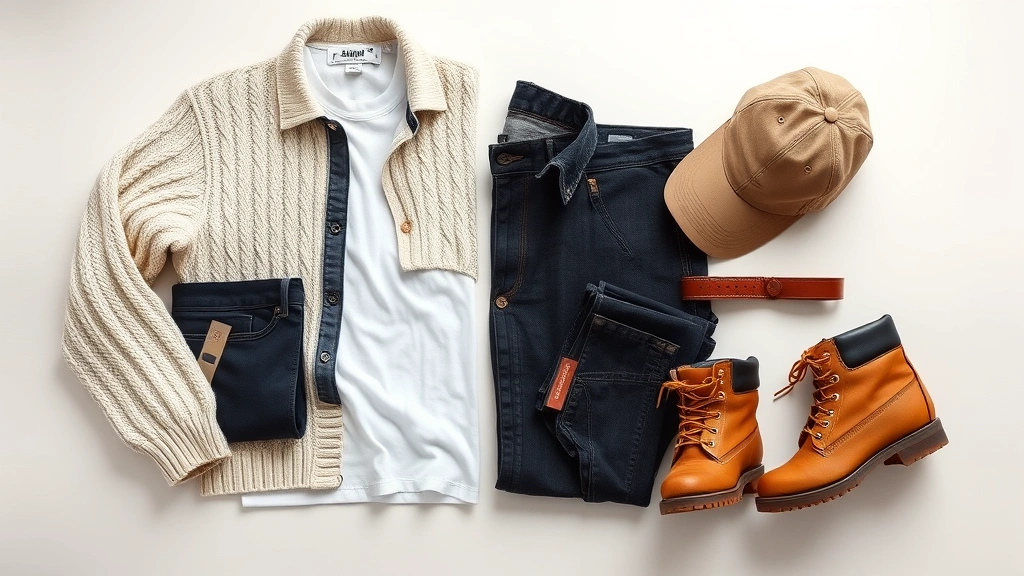
Cardigans and oversized sweaters added another layer to grunge’s textural depth. Chunky knits in neutral colors—cream, gray, brown, black—provided warmth and visual interest. These pieces worked equally well as standalone garments or worn open over band tees and flannels. The beauty of grunge layering is its forgiving nature; pieces don’t need to match perfectly or fit precisely.
For a deeper understanding of how sustainable fashion brands now approach vintage and secondhand styling, exploring ethical grunge shopping methods can enhance your wardrobe building process while supporting environmental responsibility.
The Minimalist Approach to 90s Fashion
While grunge dominated popular perception, another crucial 90s aesthetic emerged from Japanese and European fashion capitals: minimalism. This philosophy stripped away decoration, favoring clean lines, neutral palettes, and quality construction. Minimalist 90s men’s fashion represented a completely different approach to the decade’s style, yet both aesthetics shared core values of authenticity and rejection of 1980s excess.
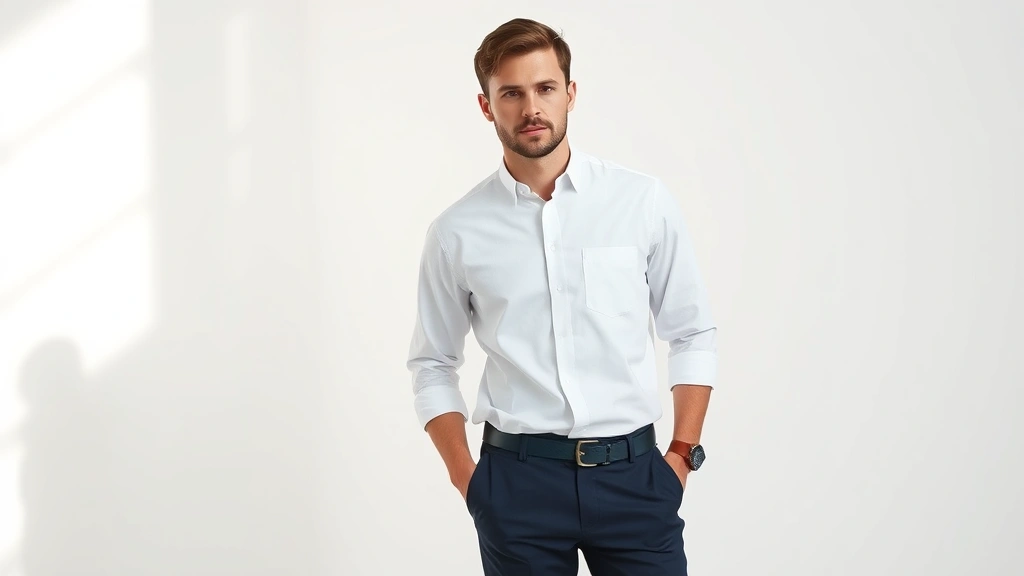
Minimalist 90s style centered on essential basics in neutral colors: white, black, gray, navy, and beige. The approach emphasized quality over quantity, with each piece carefully selected for versatility and longevity. A minimalist 90s wardrobe might include plain white t-shirts, crisp oxford shirts, simple crew-neck sweaters, and well-fitted trousers in neutral tones. The styling philosophy was almost meditative—less is more, and every piece earns its place through utility and aesthetic contribution.
Simple silhouettes were paramount. Unlike the oversized grunge aesthetic, minimalist 90s fashion favored clean tailoring and proper proportions. Shirts fit the body without excess fabric, trousers hit the ankle with precision, and sweaters skimmed the frame without bunching. This approach required understanding your body and investing in pieces that flattered your specific proportions.
Color restraint defined the minimalist palette. While grunge embraced muted plaids and faded earth tones, minimalism pushed toward near-monochromatic dressing. A minimalist 90s outfit might feature black trousers, a white t-shirt, a gray sweater, and black shoes—a study in tonal harmony and textural variation. When color appeared, it came in subtle forms: a navy shirt, charcoal sweater, or cream cardigan.
Monochromatic dressing became a signature minimalist move. Wearing the same color from head to toe created visual elongation and emphasized silhouette and fabric quality. This technique worked particularly well in neutral tones and remains a powerful styling tool for modern interpretations of 90s minimalist fashion.
Minimalist accessories were intentional and restrained. A simple leather belt, basic watch, and minimal jewelry completed looks without adding visual noise. This philosophy contrasted sharply with the accessory maximalism of other 90s subcultures, emphasizing that less decoration required more thoughtful curation.
Hip-Hop and Streetwear Influence
Parallel to grunge and minimalism, hip-hop culture created a third major 90s men’s fashion movement that celebrated bold self-expression, luxury branding, and innovative silhouettes. West Coast and East Coast hip-hop developed distinct aesthetic identities that influenced mainstream fashion and continue shaping contemporary streetwear.
West Coast hip-hop style, pioneered by artists like Snoop Dogg and Dr. Dre, emphasized baggy silhouettes, oversized sports jerseys, and relaxed proportions. Baggy jeans sat well below the waist, oversized t-shirts and jerseys provided room for movement and attitude, and Timberland boots grounded the aesthetic in authentic street culture. The approach celebrated visibility and presence—these were clothes designed to be noticed and worn with confidence.
East Coast hip-hop developed a more tailored streetwear approach, with artists like Nas and Jay-Z incorporating luxury brands and vintage designer pieces into their aesthetic. Oversized button-up shirts from Tommy Hilfiger, Ralph Lauren, and other premium brands became status symbols, worn with precision and styled with intention. This version of 90s streetwear proved more accessible to mainstream fashion adoption, influencing high-end designers and contemporary luxury streetwear.
Sports jerseys became canvas for personal expression. Authentic NBA and NFL jerseys, often oversized and worn over long-sleeve shirts, represented team loyalty and cultural affiliation. The styling principle was straightforward: pair jerseys with baggy jeans, distinctive sneakers, and minimal additional accessories to let the jersey command visual attention.
Oversized button-up shirts became foundational pieces, worn unbuttoned over t-shirts, partially tucked, or completely loose. The key was intentionality—oversized proportions needed styling confidence to avoid looking accidental. Pairing oversized shirts with fitted pieces created balance; wearing them with equally voluminous bottoms created a cohesive silhouette.
Brand visibility distinguished 90s hip-hop streetwear from other era aesthetics. Visible logos on Tommy Hilfiger, Ralph Lauren, Nautica, and FUBU pieces represented cultural participation and aspirational status. This contrasted with grunge’s anti-brand philosophy, yet both aesthetics claimed authenticity within their respective cultural contexts.
Footwear Guide: Shoes That Define the Decade
Footwear choices made crucial statements in 90s men’s fashion, with different subcultures adopting distinct shoe philosophies. Understanding shoe selection is essential for authentically capturing any 90s aesthetic.
Timberland boots became iconic across multiple 90s subcultures. The wheat-colored, six-inch work boot appeared in grunge outfits, hip-hop styling, and alternative fashion. Timbs projected toughness and authenticity, grounding any outfit with utilitarian presence. Original Timberlands remain the gold standard, though modern reproductions capture the aesthetic effectively.
Vintage Nike Air Jordan sneakers represented peak hip-hop footwear aspiration. The shoes symbolized basketball culture, cultural pride, and sneaker collecting passion that exploded during the 1990s. Specific colorways and limited editions became status symbols and cultural artifacts. If investing in authentic Jordans seems prohibitive, wearing any classic Nike silhouette from the era communicates the aesthetic intention.
Converse Chuck Taylor All-Stars provided grunge footwear authenticity. These simple canvas sneakers appeared in countless grunge and alternative fashion contexts, offering affordability and genuine vintage appeal. Worn-in Chuck Taylors in black or white complemented flannel shirts and ripped jeans perfectly, requiring no styling pretense.
Vans sneakers, particularly the classic slip-on silhouette, bridged multiple 90s subcultures. Skate culture, alternative fashion, and casual streetwear all embraced Vans for their simplicity and authentic heritage. Wearing Vans connected wearers to skate culture without requiring actual skateboarding participation.
Doc Martens and combat boots provided an edgier alternative, favored by more hardcore grunge and alternative fashion adherents. The heavy, utilitarian aesthetic projected attitude and anti-fashion positioning. Modern Doc Martens lack the aged character of vintage pairs, but they capture the silhouette and philosophy effectively.
Minimalist sneakers in neutral colors suited the decade’s minimalist fashion approach. Simple leather sneakers in white, black, or navy provided clean silhouettes that complemented minimalist wardrobes without visual distraction. Brands like Adidas and Puma offered understated options that emphasized form over decoration.
Mastering Layering Techniques
Layering defined 90s men’s fashion across all subcultures. Whether grunge, minimalist, or streetwear, the decade celebrated depth, texture, and visual interest created through strategic piece combination. Mastering layering transforms your ability to rock authentic 90s style.
The foundational layer typically consisted of a simple t-shirt or long-sleeve shirt. This base provided visual interest and color while serving practical thermal functions. Graphic band tees, plain white tees, or striped long-sleeves all worked as foundation pieces, depending on your chosen aesthetic.
The mid-layer added texture and warmth. Flannels, denim shirts, oversized sweaters, or cardigans provided the visual foundation of many 90s outfits. This layer often featured pattern, color, or distinctive texture that gave the outfit its character. Styling involved leaving mid-layers partially unbuttoned or worn open to reveal foundation layers beneath.
The outer layer provided final visual statement and practical protection. Vintage denim jackets, leather jackets, oversized windbreakers, or vintage sports jackets completed layered outfits. The outer layer should coordinate with underlying pieces without matching exactly—intentional contrast created visual interest.
Proportional balance remained crucial. If you wore oversized mid and outer layers, keep the foundation layer fitted. If bottom layers were voluminous, balance with a more fitted top. The principle was creating visual coherence through thoughtful proportional relationships rather than matching.
Texture variation elevated layered outfits from simple to sophisticated. Combining smooth cotton with rough flannel, adding a chunky knit sweater, and finishing with a leather jacket created tactile depth. Running your hand over the outfit should reveal multiple distinct textures.
Color coordination in layered outfits followed either tonal or complementary approaches. Monochromatic layering—stacking neutrals in varying shades—created cohesion and visual elongation. Alternatively, complementary colors (navy and cream, black and white, burgundy and gray) created intentional contrast while maintaining 90s aesthetic restraint.
Accessories and Styling Details
Accessories completed 90s looks with subtle but important details. The decade’s aesthetic generally favored minimal accessories compared to other eras, but intentional choices elevated outfits significantly.
Hats provided practical and stylistic function. Baseball caps, beanies, and bucket hats appeared across 90s subcultures, worn with varying degrees of irony and intentionality. Vintage sports caps, plain solid-color beanies, and oversized bucket hats all communicated 90s authenticity. The key was choosing hats that complemented your outfit’s overall proportions and aesthetic direction.
Belts served both practical and stylistic purposes. Simple leather belts in brown or black provided necessary function while adding subtle visual detail. Oversized buckles appeared in some streetwear contexts, but generally, 90s belts remained understated. Vintage leather belts with character—creasing, patina, worn edges—added authentic period detail.
Watches and jewelry remained minimal in most 90s aesthetics. A simple analog watch, perhaps a slim silver chain necklace, or basic rings provided personal touch without visual excess. Some hip-hop contexts embraced visible gold jewelry, but grunge and minimalism celebrated near-total jewelry absence.
Bags and backpacks served practical needs while contributing to overall aesthetic. Vintage canvas backpacks, simple nylon bags, or leather messenger bags complemented 90s outfits without adding visual noise. Choosing bags in neutral colors ensured they integrated seamlessly into layered outfits.
Socks provided unexpected styling opportunities. Visible socks—white athletic socks with black shorts, colored socks with cropped pants—became subtle 90s details. The approach communicated casual confidence and intentional styling awareness. Mismatched or patterned socks occasionally appeared in more fashion-forward 90s contexts.
Integrating 90s Fashion into Today’s Wardrobe
The challenge for contemporary wearers involves translating 90s men’s fashion into modern contexts without appearing costume-like or overly nostalgic. The key is understanding core 90s principles and applying them thoughtfully to contemporary life.
Start by identifying which 90s aesthetic resonates with your personal style. Grunge’s relaxed, anti-fashion attitude? Minimalism’s clean lines and neutral restraint? Hip-hop streetwear’s bold self-expression? Your authentic connection to these movements determines how naturally you’ll wear 90s-inspired pieces.
Build foundational pieces gradually. Invest in quality basics—neutral t-shirts, simple sweaters, well-fitted jeans—that align with your chosen aesthetic. These pieces form the foundation upon which more distinctive 90s items sit. A vintage flannel works better when paired with quality basic pieces than when worn as a costume element.
Source authentic vintage pieces when possible. Thrift stores, vintage retailers, and online marketplaces offer genuine 90s items that carry the period’s authentic character. Wearing actual vintage pieces communicates more authentic appreciation than modern reproductions, though budget and availability may necessitate contemporary alternatives.
Mix 90s pieces with contemporary items intentionally. A vintage flannel pairs beautifully with modern slim-fit jeans, creating period-appropriate styling with contemporary proportions. A minimalist 90s sweater works with current tailored trousers. This mixing creates personal style rather than costume recreation.
Understand that 90s men’s fashion principles—authenticity, comfort, individuality, rejection of excess—remain eternally relevant. You’re not adopting an old aesthetic so much as embracing timeless values that happened to flourish during the 1990s. This philosophical approach prevents your styling from feeling dated or ironic.
For insights into how reducing your carbon footprint connects to fashion choices, consider that buying vintage and secondhand aligns 90s style appreciation with contemporary environmental consciousness. Similarly, exploring human environment interaction through sustainable fashion practices enhances the authenticity of your style philosophy.
Pay attention to fit and proportion. Modern bodies and contemporary contexts may require adjusting how you wear 90s pieces. An oversized grunge flannel might be cropped or tucked by contemporary standards. Baggy streetwear jeans might be styled with contemporary sneakers and fitted tops. The goal is honoring 90s principles while respecting modern aesthetics and your body’s specific proportions.
Develop styling confidence. 90s men’s fashion celebrated individuality and anti-fashion attitude. Wearing 90s pieces should feel natural and personal rather than studied or self-conscious. When you genuinely connect with the aesthetic and understand the principles underlying specific choices, that authenticity communicates through your presentation.
Consider your lifestyle and context. While 90s aesthetics work across many contemporary settings, extreme grunge might feel inappropriate in formal professional contexts. Minimalist 90s style translates beautifully to modern workplaces. Hip-hop streetwear works in creative industries and casual settings. Adapting your 90s styling to contemporary life ensures you’re rocking the look authentically rather than forcing it.
Explore the Ecorise Daily Blog for additional perspectives on how vintage fashion and secondhand shopping practices align with sustainable living principles, creating a holistic approach to style that honors both 90s aesthetics and contemporary values.
FAQ
What are the key pieces needed for authentic 90s men’s fashion?
Essential 90s pieces include flannel shirts, band t-shirts, well-fitted jeans (preferably distressed), vintage sneakers (Timberlands, Converse, or Vans), and layering pieces like cardigans or oversized sweaters. The specific combination depends on your chosen aesthetic—grunge, minimalist, or streetwear—but these foundational items work across most 90s contexts.
Can I wear 90s fashion without looking like I’m in costume?
Absolutely. The key is understanding that 90s men’s fashion represented genuine style philosophy rather than trend-chasing. Wear 90s pieces because they align with your authentic aesthetic preferences, not because you’re recreating a decade. Mix vintage and contemporary items, ensure proper fit for your body and modern contexts, and develop genuine styling confidence rather than self-conscious irony.
Where can I find authentic 90s clothing?
Thrift stores, vintage retailers, online marketplaces like Depop and Grailed, and specialty vintage shops offer authentic 90s pieces. Expect to invest more in genuine vintage items, but the authenticity and quality often justify the cost. Contemporary brands also offer 90s-inspired reproductions at lower price points, though they lack the character of actual vintage pieces.
How do I style oversized 90s pieces without looking sloppy?
Balance oversized mid and outer layers with fitted foundation pieces. Tuck oversized shirts partially, cuff sleeves for intentional detail, and pair voluminous tops with tapered or fitted bottoms. Proportion and intentionality prevent oversized pieces from appearing accidental. Ensure all pieces are clean and well-maintained; part of 90s authenticity involves looking intentionally styled rather than genuinely unkempt.
Is 90s men’s fashion still relevant in 2024?
Absolutely. Contemporary fashion continues drawing inspiration from 90s aesthetics, and the decade’s core principles—authenticity, comfort, individuality, quality—remain eternally relevant. Many contemporary designers reference 90s silhouettes and styling approaches. More importantly, 90s fashion represents genuine personal style philosophy rather than dated trend, making it perpetually wearable for those who authentically connect with the aesthetic.
How do I choose between grunge, minimalist, and streetwear 90s aesthetics?
Consider your personal style preferences and lifestyle. Grunge suits those who prefer relaxed, comfortable, anti-fashion attitudes. Minimalism appeals to those who value clean lines, neutral palettes, and thoughtful curation. Streetwear works for those who celebrate bold self-expression and cultural affiliation. You might also blend elements from multiple aesthetics, creating personal style that draws from different 90s movements.

Related Posts

Perfect Old Fashioned Donut: Baker’s Secrets
Old Fashioned Chocolate Pie Recipe? Chef’s Favorite