Faux Fur Fashion: Is It Eco-Friendly? Experts Weigh In
Faux Fur Fashion: Is It Eco-Friendly? Experts Weigh In
The allure of luxurious fur has captivated fashion enthusiasts for decades, but ethical and environmental concerns have sparked a global conversation about alternatives. Faux fur fashion has emerged as a seemingly guilt-free solution, promising the glamour of real fur without the animal cruelty. However, the reality is far more complex. Industry experts, environmental scientists, and fashion analysts are increasingly questioning whether faux fur is truly the eco-friendly hero we’ve been led to believe, or if it’s simply shifting the environmental burden from animals to our planet.
As consumers become more conscious about their fashion choices, understanding the true environmental impact of faux fur materials becomes essential. This comprehensive guide explores what experts are saying about faux fur fashion sustainability, the science behind synthetic alternatives, and what the future might hold for ethical, eco-conscious style.
Understanding Faux Fur: What It Really Is
Faux fur is a synthetic textile designed to mimic the appearance and feel of genuine animal fur. The most common faux fur fabrics are made from acrylic, polyester, and modacrylic fibers—all petroleum-based plastics. These materials are manufactured through complex chemical processes that transform crude oil derivatives into soft, luxurious-feeling fabrics that can be virtually indistinguishable from real fur to the naked eye.
The production of faux fur begins with polymerization, where monomers are chemically bonded to create long polymer chains. These chains are then spun into fibers, dyed, and tufted onto a backing material to create the characteristic pile that gives faux fur its plush appearance. The backing is typically made from cotton, polyester, or other synthetic materials, and adhesives are used to bond the fibers securely.
What makes faux fur so appealing to fashion designers and consumers is its versatility. It can be engineered to replicate specific fur types—from delicate mink to bold leopard patterns—and it’s significantly cheaper to produce than real fur. Additionally, faux fur doesn’t require the complex supply chains and ethical concerns associated with animal farming. However, this convenience comes with hidden environmental costs that are only now becoming fully understood by the scientific community.
The fashion industry’s embrace of faux fur accelerated dramatically after major designers like Gucci, Burberry, and PETA-backed brands committed to going fur-free. What seemed like a clear victory for animal welfare has raised new questions about whether we’ve simply traded one environmental problem for another. Understanding the full lifecycle of faux fur—from raw material extraction to end-of-life disposal—is crucial for making informed fashion choices.

The Environmental Cost of Synthetic Materials
The production of faux fur begins with fossil fuel extraction. Since most faux fur is made from acrylic and polyester, the process starts in oil refineries where crude oil is processed into feedstock for plastic production. This extraction process has significant environmental consequences, including habitat destruction, carbon emissions, and water contamination. The human environment interaction in petroleum industries exemplifies how fashion’s demand for synthetic materials directly impacts ecosystems worldwide.
Once crude oil is refined, it undergoes polymerization in chemical plants where conditions must be carefully controlled. These facilities consume enormous amounts of energy, primarily from fossil fuels, meaning the carbon footprint begins accumulating before a single garment is even manufactured. According to research from the Ellen MacArthur Foundation, the production of synthetic fibers accounts for approximately 92 million tons of textile waste annually, with polyester alone representing a significant portion of this environmental burden.
The dyeing and finishing processes add another layer of environmental impact. Textile dyeing is the second-largest polluter of water globally, according to the World Wildlife Fund. Faux fur requires intensive dyeing to achieve the desired colors and patterns, and this process generates chemical-laden wastewater that contaminates waterways in manufacturing regions, typically in countries with less stringent environmental regulations. Heavy metals like chromium, lead, and cadmium can persist in ecosystems for years, affecting aquatic life and human health in nearby communities.
Energy consumption throughout the manufacturing process is staggering. Creating one kilogram of polyester requires approximately 100 megajoules of energy, and this energy is predominantly sourced from non-renewable resources. When you consider that a single faux fur coat might weigh several kilograms, the cumulative energy expenditure becomes substantial. This energy intensity directly translates to carbon emissions, contributing to climate change—a consequence that often goes unmentioned in marketing materials promoting faux fur as an ethical choice.
Microplastic Pollution and Fashion Waste
Perhaps the most concerning aspect of faux fur fashion is its contribution to microplastic pollution. Unlike natural fibers that biodegrade, synthetic faux fur garments shed microplastics throughout their lifecycle—during manufacturing, wearing, washing, and ultimately in landfills or oceans.
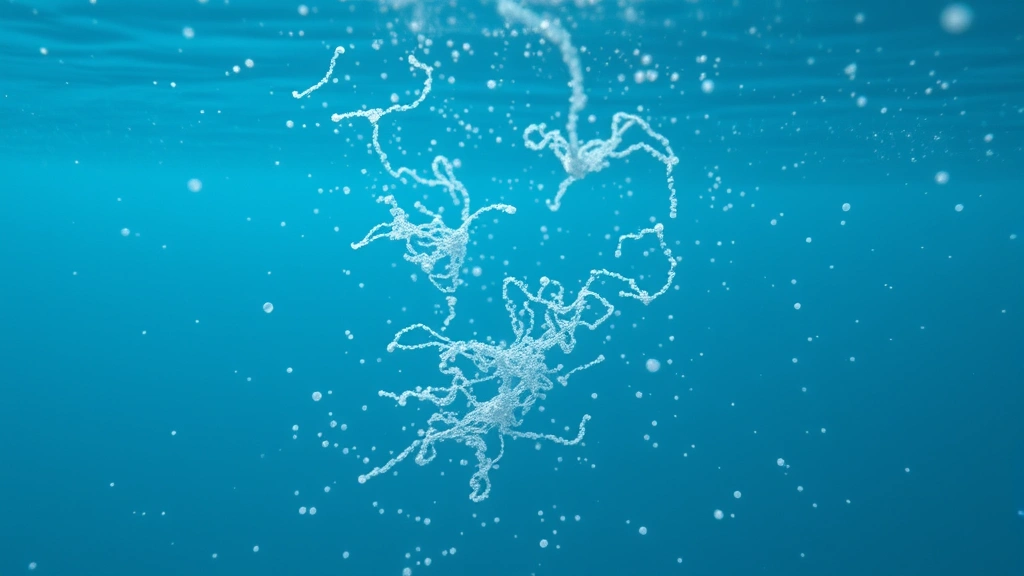
When you wear a faux fur coat or accessory, the friction from movement causes the synthetic fibers to break down into tiny particles. Each wash accelerates this process exponentially. Research published in environmental science journals has shown that a single synthetic garment can shed thousands of microplastic fibers per wash cycle. These microscopic particles are too small to be filtered by wastewater treatment systems, so they enter rivers, lakes, and oceans where they’re ingested by aquatic organisms, bioaccumulating up the food chain.
The persistence of these microplastics is another critical concern. Unlike cotton or wool that decompose within months to a few years, polyester and acrylic fibers can take 200+ years to break down in the environment. During this time, they continue fragmenting into smaller pieces, potentially becoming incorporated into soil, groundwater, and even the air we breathe. Scientists have detected microplastics in human blood, lungs, and placental tissue, raising alarming questions about long-term health impacts.
At the end of a faux fur garment’s life, disposal presents another challenge. Most faux fur items end up in landfills where they remain essentially unchanged for centuries. Unlike natural fur, which returns to the earth as organic matter, synthetic faux fur persists as plastic waste. Some faux fur items are incinerated, which generates carbon emissions and can release toxic compounds into the atmosphere if proper controls aren’t in place. The concept of built environment sustainability must also consider how our fashion waste integrates into urban ecosystems and infrastructure.
Comparing Faux Fur to Real Fur: The Truth
The comparison between faux fur and real fur is not as straightforward as animal rights advocates initially suggested. While real fur production undoubtedly involves animal suffering and welfare concerns, it doesn’t automatically make faux fur the environmentally superior choice.
Real fur production carries its own significant environmental burdens. Fur farming requires substantial land, feed, water, and resources. Mink farms, for example, are often concentrated in specific regions, leading to water pollution from animal waste and feed runoff. Additionally, fur farming contributes to methane emissions from livestock, a potent greenhouse gas. However, real fur is biodegradable—once a fur garment reaches the end of its life, it decomposes naturally without leaving persistent plastic residue in the environment.
The durability argument also favors real fur. A well-maintained real fur coat can last 20-30 years or longer, whereas faux fur typically degrades within 5-10 years of regular wear. This means that a faux fur garment might need to be replaced multiple times during the lifespan of a single real fur coat, multiplying the environmental impact across multiple production cycles. From a lifecycle analysis perspective, the total environmental cost of replacing multiple faux fur items may actually exceed that of a single, durable real fur garment.
However, this doesn’t mean real fur is the answer. The ethical concerns regarding animal welfare remain valid, and the environmental impact of fur farming—particularly water pollution and land use—is substantial. The ideal solution would be garments made from sustainable, biodegradable materials that don’t rely on animal exploitation or synthetic plastics. This recognition has sparked innovation in the fashion industry.
Expert Opinions on Faux Fur Sustainability
Leading environmental scientists and fashion sustainability experts are increasingly vocal about the faux fur paradox. Nature, one of the world’s most prestigious scientific journals, has published multiple studies examining the lifecycle impacts of synthetic textiles, consistently showing that the environmental burden of faux fur is greater than initially assumed by the general public.
Dr. Kirsi Niinimäki, a leading researcher in sustainable fashion at the University of the Arts Helsinki, has emphasized that switching from real fur to faux fur without addressing the fundamental issue of synthetic material production doesn’t solve the environmental crisis—it merely redistributes it. She advocates for a circular economy approach where garments are designed for longevity, repairability, and eventual recycling or composting.
The Ellen MacArthur Foundation, which focuses on circular economy principles, has called for the fashion industry to move away from both real and conventional faux fur toward innovative materials. Their research suggests that the most sustainable fur alternative would be materials that are biodegradable, durable, and produced with minimal environmental impact during manufacturing.
Fashion industry analysts point out that the aggressive marketing of faux fur as an ethical choice represents a form of greenwashing—making products appear more environmentally friendly than they actually are. Brands capitalize on the legitimate ethical concerns about animal welfare while downplaying or ignoring the substantial environmental costs of synthetic production. This marketing strategy has successfully shifted consumer perception without fundamentally addressing sustainability.
Experts also highlight the importance of transparency in supply chains. Many faux fur products are manufactured in countries with minimal environmental regulations, meaning the true environmental cost—including water pollution, chemical waste, and worker health impacts—is often hidden from consumers. Demanding transparency and accountability from brands is essential for driving real change.
Emerging Eco-Friendly Alternatives
The recognition of faux fur’s environmental limitations has sparked innovation in developing truly sustainable fur alternatives. Several promising materials are emerging that offer the aesthetic appeal of fur without the ethical or environmental compromise.
Lab-grown fur represents one of the most exciting frontiers. Companies are developing biofabricated fur using mycelium (mushroom root structure) and bacterial cellulose. These materials are grown from renewable biological sources, are completely biodegradable, and require significantly less energy and water than both real fur farming and synthetic faux fur production. The resulting material has a surprisingly authentic fur-like texture and appearance, opening possibilities for fashion applications.
Recycled synthetic fibers offer another avenue. Using reclaimed polyester from post-consumer plastic waste or textile scraps to create faux fur reduces the demand for virgin petroleum-based materials. While this doesn’t completely solve the microplastic shedding issue, it does reduce the environmental impact of raw material extraction and initial production. Brands like Patagonia have pioneered recycled synthetic technologies that are increasingly being adopted by other manufacturers.
Natural plant-based alternatives are also gaining traction. Specialized fabrics made from pineapple leaf fibers, cork, or other agricultural byproducts can create textured materials that approximate the appearance of fur while remaining entirely biodegradable. These materials support agricultural communities and create value from waste products that would otherwise be discarded.
Regenerated cellulose fibers from sustainably managed forests offer another option. Materials like Tencel (made from wood pulp) can be engineered to create fur-like textures. These fibers are biodegradable and, when produced responsibly, have minimal environmental impact. The key is ensuring that the source forests are managed sustainably without contributing to deforestation.
The challenge with these alternatives is scaling production to meet global demand and achieving price points competitive with conventional faux fur. However, as consumer demand for truly sustainable options grows and manufacturing processes become more efficient, these innovative materials are becoming increasingly viable.
How to Shop for Sustainable Fashion
Understanding the environmental complexities of faux fur empowers consumers to make more informed fashion choices. Rather than assuming faux fur is inherently ethical, consider these strategies when shopping for sustainable style:
Prioritize durability and timelessness. The most sustainable garment is one you’ll wear for years. Invest in well-made pieces in classic styles that won’t feel dated in a season. A high-quality coat, whether real or faux fur, will have a lower environmental impact per wear if it lasts longer.
Seek transparency from brands. Look for companies that openly discuss their manufacturing processes, material sourcing, and environmental impact. Brands committed to sustainability will provide detailed information about where and how their products are made. Visit the Blog – Ecorise Daily for more information on evaluating brand sustainability claims.
Explore innovative materials. Research brands experimenting with lab-grown fur, mycelium leather, and other cutting-edge sustainable alternatives. Supporting these innovations with your purchases sends a market signal that consumers value environmental responsibility.
Consider secondhand options. Buying vintage or gently used fur items—whether real or faux—extends their lifecycle and prevents additional production-related environmental impact. Secondhand shopping also supports circular economy principles and is often more affordable.
Question marketing claims. Be skeptical of brands that heavily promote being “fur-free” without discussing the environmental impact of their faux fur alternatives. True sustainability requires comprehensive consideration of all environmental factors, not just animal welfare.
Reduce overall consumption. The most sustainable piece of clothing is the one you don’t buy. Before purchasing any fur-like item, consider whether you truly need it and whether existing pieces in your wardrobe could serve the same purpose.
Support policy change. Advocate for regulations requiring transparency in textile production and incentivizing development of sustainable alternatives. Individual consumer choices matter, but systemic change requires policy support.
FAQ
Is faux fur worse for the environment than real fur?
The answer is nuanced. While real fur production involves animal welfare concerns and water pollution from farming, faux fur’s synthetic materials persist in the environment for centuries and shed microplastics throughout their lifecycle. Lifecycle analysis studies suggest the total environmental impact is comparable, with faux fur potentially being worse in terms of long-term plastic pollution. The ideal solution involves neither, favoring innovative sustainable alternatives instead.
How long does faux fur take to decompose?
Faux fur made from acrylic and polyester can take 200+ years to decompose in natural environments. Unlike natural fibers that break down within months to a few years, synthetic faux fur persists essentially unchanged, fragmenting into microplastics that remain in ecosystems indefinitely.
What are the best eco-friendly fur alternatives?
Emerging sustainable alternatives include lab-grown fur made from mycelium, recycled synthetic fibers from post-consumer waste, plant-based materials like pineapple leather, and responsibly sourced regenerated cellulose fibers. These options offer the aesthetic appeal of fur while minimizing environmental impact and ethical concerns.
Does washing faux fur release microplastics?
Yes, washing faux fur garments releases thousands of microplastic fibers per cycle. These particles are too small for wastewater treatment systems to filter, so they enter aquatic ecosystems where they’re ingested by organisms and accumulate up the food chain. Using a microfiber filter bag when washing synthetic garments can reduce this impact.
Are there certifications I should look for when buying fur-like items?
Look for certifications like Global Organic Textile Standard (GOTS) for natural fibers, Forest Stewardship Council (FSC) for cellulose-based materials, and B Corp certification for companies demonstrating comprehensive sustainability practices. Research brand-specific transparency reports and environmental impact assessments before purchasing.
Can faux fur be recycled?
Most conventional faux fur cannot be easily recycled due to the combination of different synthetic materials (fibers, backing, adhesives) bonded together. However, some innovative companies are developing recyclable faux fur products, and recycled polyester faux fur (made from post-consumer waste) is becoming more available, though it still requires eventual disposal.

Related Posts

Perfect Old Fashioned Donut: Baker’s Secrets

Old Fashioned Chocolate Pie Recipe? Chef’s Favorite