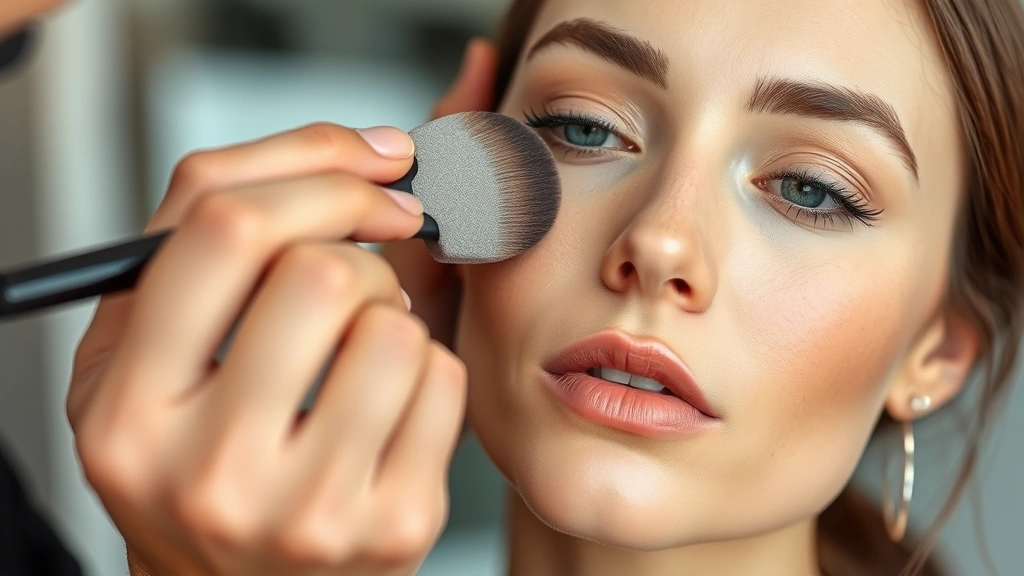
Best Foundation for Oily Skin? Expert Picks
Best Foundation for Oily Skin? Expert Picks and Application Secrets
Finding the perfect foundation for oily skin can feel like navigating a maze of products, each promising to be the answer to your shine control prayers. The truth is, oily skin requires a specific approach—one that balances coverage with breathability while maintaining a matte finish throughout the day. Whether you’re dealing with occasional shine or persistent oiliness, the right foundation can transform your makeup routine and boost your confidence from morning to night.
Oily skin produces excess sebum, which can cause foundation to slip, separate, and emphasize pores. This is why choosing a foundation formulated specifically for oily or combination skin types is crucial. Beyond the product itself, understanding application techniques, primer selection, and setting methods will help you achieve a flawless, long-lasting base that withstands heat, humidity, and daily activities.
Understanding Oily Skin and Foundation Needs
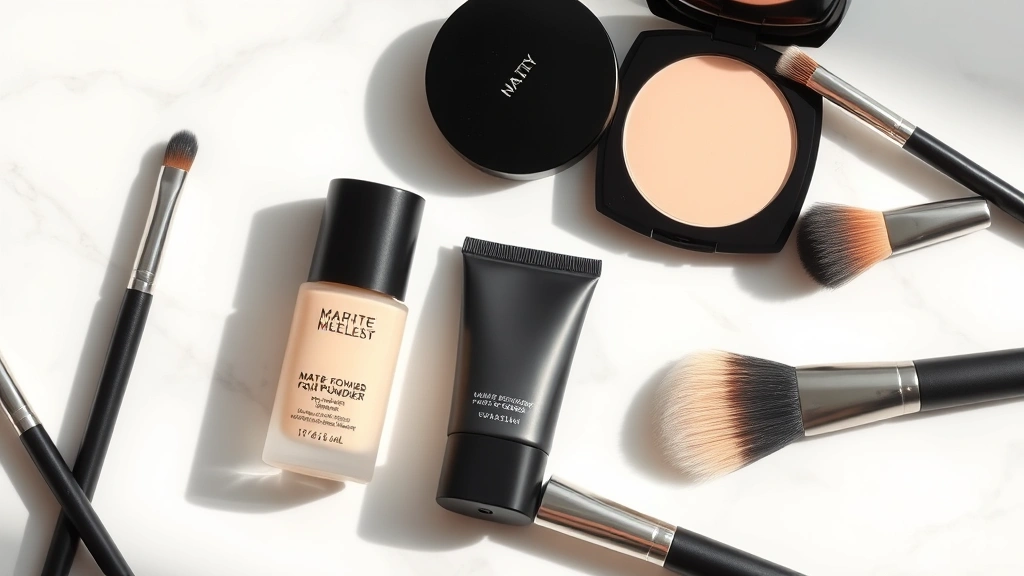
Oily skin is characterized by overactive sebaceous glands that produce more sebum than necessary. This natural oil serves a purpose—protecting and moisturizing the skin—but when produced in excess, it can wreak havoc on makeup application. Understanding your skin’s unique needs is the first step toward finding a foundation that actually works for you.
The key to selecting a foundation for oily skin lies in looking for specific ingredients and formulations. Mattifying foundations contain silicones and polymers that create a smooth surface and absorb excess oil throughout the day. Water-based formulas are often better than oil-based alternatives, as they won’t add additional shine or clog pores. Additionally, foundations with ingredients like salicylic acid or clay can help control sebum production while providing coverage.
When shopping for foundation, pay attention to the undertone as well. Oily skin is prone to redness and inflammation, so choosing a shade with the correct undertone will help neutralize any unwanted tones and create a more natural, cohesive base. Consider visiting a beauty counter to get matched by a professional, or order samples online to test before committing to a full-size product. Your foundation should feel lightweight and breathable, never heavy or suffocating on the skin.
Top Foundation Formulas for Oily Skin
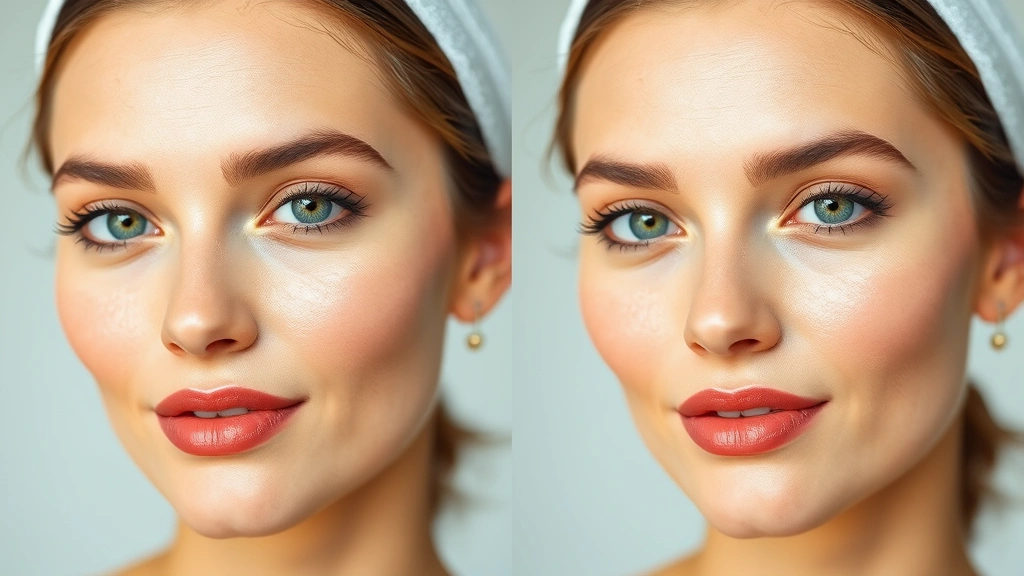
Several foundation formulas have earned acclaim from makeup artists and beauty experts for their performance on oily skin. Powder foundations remain a classic choice, offering immediate oil control and long-lasting coverage. These products are pressed or loose formulations that can be applied with a brush or sponge, providing buildable coverage without the heaviness of liquid alternatives.
Liquid foundations specifically designed for oily skin often feature matte or semi-matte finishes. Brands have developed advanced technologies that allow these foundations to stay put for 12+ hours while maintaining a natural appearance. Look for formulations labeled as oil-free, pore-minimizing, or designed for oily and combination skin types. Many professional makeup artists recommend foundations with a silicone-based formula for oily skin, as silicones create a smooth base that allows oil control products to work more effectively.
Stick foundations have gained popularity in recent years and work exceptionally well for oily skin types. These concentrated formulas provide full coverage with a matte finish, and they’re incredibly convenient for touch-ups throughout the day. The compact nature of stick foundations makes them travel-friendly, and they typically contain less moisture than liquid alternatives, making them ideal for controlling shine.
BB creams and tinted moisturizers can work for oily skin if you choose ones formulated with oil-control technology. However, these products typically provide lighter coverage than traditional foundations. If you prefer a more natural look and your oiliness is manageable with proper priming and setting, these options might suit your needs perfectly.
When considering foundation options for your daily routine, think about your lifestyle and activity level. If you work in a humid environment or exercise frequently, you’ll want a foundation with superior staying power. If you work in an air-conditioned office, you might have more flexibility with product choice.
Primer Essentials for Extended Wear
A quality primer is absolutely essential when working with oily skin. Primers create a barrier between your skin and foundation, helping the base product adhere better and last longer. For oily skin, silicone-based primers are often the best choice, as they create a smooth, pore-minimizing base that foundation can grip onto.
Mattifying primers specifically formulated to control shine are game-changers for oily skin makeup applications. These primers often contain ingredients like dimethicone, which creates a smooth surface, or oil-absorbing powders that help manage sebum production. Apply primer to your entire face, paying special attention to your T-zone where oiliness tends to be most prominent.
Some makeup artists recommend using a hydrating primer under a mattifying primer for oily skin. This might seem counterintuitive, but a light hydrating layer prevents your skin from overcompensating and producing even more oil in response to dryness. Layer a mattifying primer on top to seal everything in place. This technique works particularly well if you have combination skin with oily zones and drier areas.
Allow your primer to set for 30-60 seconds before applying foundation. This gives the primer time to create its full effect and helps your foundation adhere more effectively. When you rush this step, you risk compromising the primer’s ability to control oil and extend your foundation’s wear time.
Application Techniques That Work
How you apply your foundation matters just as much as which product you choose. For oily skin, using a damp beauty sponge is often superior to brushes or fingers. A slightly damp sponge helps foundation blend seamlessly while the moisture prevents the product from absorbing too much into the sponge, ensuring better coverage with less product waste.
Start by applying small dots of foundation across your face—forehead, cheeks, nose, and chin. Use your sponge to gently bounce and blend the product, working in sections. This bouncing motion helps the foundation meld with your skin and primer rather than sitting on top. Avoid dragging or swiping motions, which can disrupt your primer and cause uneven application.
Build coverage gradually rather than applying too much product at once. Oily skin benefits from thinner, layered applications rather than one thick coat. Two to three light layers will provide better coverage and longevity than a single heavy application. After each layer, allow the product to set for a few seconds before adding more.
Pay special attention to areas prone to oiliness. Your T-zone typically needs more attention and may require additional setting powder between foundation layers. However, avoid over-applying foundation to these areas, as excess product will slide around throughout the day. Instead, focus on proper priming and setting techniques to manage shine in these zones.
If you’re incorporating dermatologist-recommended skincare into your routine, allow your moisturizer and any treatment products to fully absorb before applying primer. Applying primer to wet or damp skin will compromise its effectiveness and your foundation’s staying power.
Setting Sprays and Powders
Setting your foundation is crucial for oily skin, as it locks everything in place and extends wear time significantly. Many people with oily skin skip powder, fearing it will look heavy or cake-like. However, the right application of the right powder can transform your makeup’s longevity without sacrificing appearance.
Translucent powder is your friend when you have oily skin. This colorless powder sits on top of your foundation, absorbing oil without adding visible color or texture. Apply powder only where you need it—typically the T-zone and any other areas prone to oiliness. Use a light hand and a fluffy brush, buffing the powder in with circular motions rather than pressing it onto your skin.
Setting spray is an excellent addition to your oily skin routine. These products come in various formulations, with some designed specifically to control shine and extend wear time. Spray setting products after you’ve applied and set your makeup with powder. Hold the bottle 6-8 inches from your face and mist lightly, allowing the spray to dry completely before touching your face. Many makeup artists swear by setting spray for oily skin, as it creates a protective layer that helps maintain your makeup throughout the day.
Some beauty experts recommend using both powder and spray for maximum longevity. Apply powder first to absorb oil and set your foundation, then finish with a setting spray to lock everything in place. This combination works exceptionally well for important events or situations where your makeup needs to last 12+ hours.
Common Mistakes to Avoid
Even with the right products, common application mistakes can sabotage your makeup. One of the biggest errors people with oily skin make is skipping primer to reduce layers. This is counterintuitive but important: primer actually helps your foundation last longer and look better, reducing the need for touch-ups throughout the day. The few seconds it takes to apply primer is worth the improved results.
Another mistake is applying too much foundation in an attempt to achieve full coverage on the first try. This backfires with oily skin, as excess product will slide around and look patchy. Remember that building coverage with light layers is far superior to applying one heavy coat. Your foundation will look more natural and last longer with this approach.
Touching your face throughout the day is tempting but detrimental to your makeup’s longevity. Every time you touch your face, you’re transferring oil, bacteria, and environmental debris onto your foundation, which breaks it down faster. If you absolutely must touch your face, use blotting papers rather than your fingers, and follow up with a light powder touch-up if needed.
Many people also make the mistake of using the wrong undertone or shade, which can emphasize oiliness and redness. Take time to get properly matched or order samples before committing to a full-size product. Your foundation should match your skin tone exactly, disappearing into your skin rather than sitting visibly on top.
Using heavy moisturizers or oils on your face before foundation can also compromise your makeup’s staying power. If you have oily skin, opt for lightweight, non-comedogenic moisturizers, and always allow them to fully absorb before applying primer. Some people with oily skin find that skipping moisturizer entirely (or using only a very light hydrating mist) helps their foundation last longer, though this approach doesn’t work for everyone.
Finally, avoid using brushes or application methods that don’t work for oily skin. While some people prefer brushes, those with oily skin typically achieve better results with damp beauty sponges or fingers combined with a sponge. Experiment with different application tools to find what works best for your skin.
FAQ
What’s the best foundation type for severely oily skin?
Powder and stick foundations typically perform best for severely oily skin, as they offer immediate oil control and long-lasting coverage. If you prefer liquid foundation, choose a matte or semi-matte formula specifically designed for oily skin with oil-absorbing ingredients. Always pair your foundation with a quality mattifying primer and setting powder for optimal results.
Can I use foundation for normal skin if I have oily skin?
While you can technically use any foundation, products formulated for normal or combination skin may not provide adequate oil control for oily skin types. These foundations typically contain more moisturizing ingredients, which can exacerbate shine and cause your makeup to break down faster. It’s worth investing in a foundation specifically designed for oily skin.
How often should I touch up my foundation throughout the day?
With proper application, priming, and setting, your foundation should last 8-12 hours without touch-ups. If you find yourself needing frequent touch-ups, reassess your primer, foundation choice, and application technique. You might also benefit from carrying blotting papers and a small container of translucent powder for quick midday adjustments without completely reapplying your foundation.
Is it necessary to use both primer and setting powder for oily skin?
While not absolutely necessary, using both primer and setting powder dramatically improves results for oily skin. Primer creates a smooth base that helps foundation adhere and last longer, while powder absorbs oil and locks everything in place. Together, they create a protective barrier that keeps your makeup looking fresh throughout the day. If you can only choose one, prioritize primer, as it’s the foundation of a long-lasting makeup application.
What should I do if my foundation still gets oily by midday?
If your foundation breaks down despite proper application and setting, consider reassessing your skincare routine. Your skin might be overproducing oil in response to insufficient hydration or harsh products. Ensure you’re using a lightweight, non-comedogenic moisturizer and that your skincare products aren’t stripping your skin. You might also benefit from a more heavy-duty mattifying primer or a different foundation formula altogether. Additionally, consider factors like environmental humidity and temperature, which can affect how your makeup performs throughout the day.
Are there any skincare changes that can help with oily skin makeup?
Absolutely. Incorporating a proper skincare routine can significantly improve how your makeup performs. Use a gentle cleanser to remove excess oil without stripping your skin, follow with a lightweight toner, apply a non-comedogenic moisturizer, and use a mattifying sunscreen. Some people with oily skin benefit from using a clay mask once or twice weekly to help control sebum production. Consistency with skincare often leads to more manageable oiliness and better makeup application overall.

Related Posts

Perfect Old Fashioned Donut: Baker’s Secrets

Old Fashioned Chocolate Pie Recipe? Chef’s Favorite