Makeup for Pale Skin? Expert Tips Inside
Makeup for Pale Skin: Expert Tips to Enhance Your Complexion
Pale skin is a beautiful canvas that deserves makeup techniques tailored specifically to its unique characteristics. Whether you’re a style-conscious fashionista or someone discovering their best makeup looks for the first time, understanding how to work with fair complexions can transform your beauty routine. Pale skin tones have the remarkable ability to showcase a wider range of colors and finishes than many other skin tones, making it an exciting opportunity to experiment with bold shades, subtle warmth, and luminous finishes.
The key to mastering makeup for pale skin lies in understanding undertones, selecting the right color palettes, and using strategic application techniques. This comprehensive guide will walk you through everything from foundation matching to eyeshadow selection, ensuring you feel confident and radiant every single day.
Understanding Your Pale Skin Undertones
Before diving into specific makeup products and techniques, it’s essential to identify your skin’s undertone. Pale skin can have cool, warm, or neutral undertones, and this distinction dramatically affects which colors will make you look your absolute best. Cool undertones have hints of pink, red, or blue beneath the surface, while warm undertones contain golden, peachy, or yellow notes. Neutral undertones blend both characteristics, giving you flexibility with color choices.
To determine your undertone, examine the veins on your wrist in natural daylight. If they appear blue or purple, you likely have cool undertones. Green or olive-tinted veins suggest warm undertones, while a mix of both indicates neutral undertones. Another method involves holding up cool-toned (silver) and warm-toned (gold) jewelry next to your face. The metal that looks more flattering typically matches your undertone.
Understanding undertones helps you select makeup shades that harmonize with your natural coloring rather than clash with it. Cool-toned pale skin beauties should gravitate toward foundations, blushes, and eyeshadows with rosy, mauve, or berry undertones. Warm-toned pale skin looks stunning with peachy, golden, and warm brown shades. Neutral undertones have the advantage of pulling off both cool and warm palettes beautifully.
Foundation and Base Product Selection
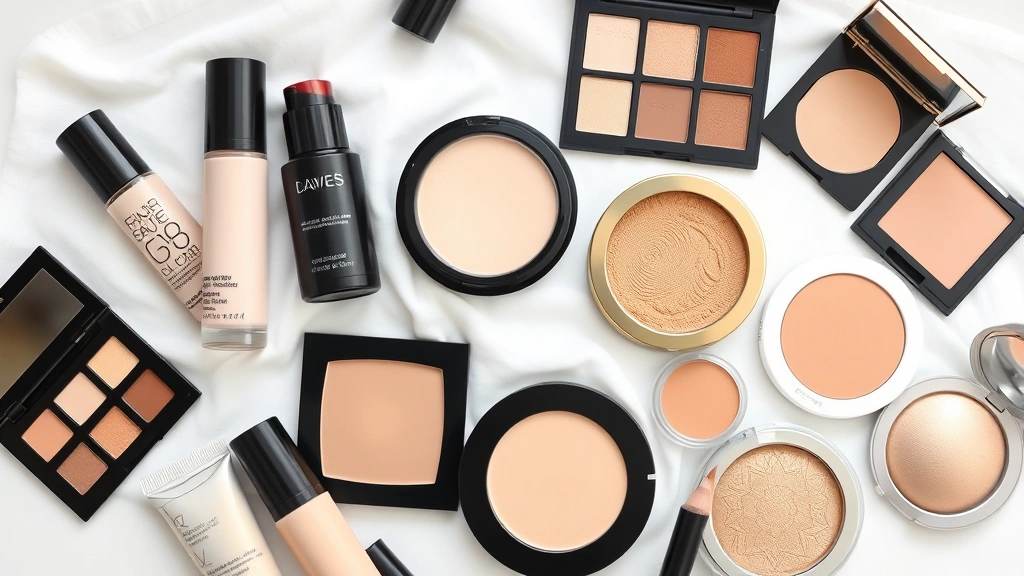
Finding the perfect foundation shade is crucial for pale skin, as many mainstream brands offer limited options in the lightest range. The foundation should match your jawline exactly—not your neck, as neck color often differs from face color. Look for foundations specifically labeled as fair, light, or porcelain shades.
When shopping, always test foundation in natural light rather than store lighting. Many pale-skinned individuals find that their perfect shade appears too dark indoors but matches beautifully outside. Consider visiting Sephora or similar beauty retailers that offer extensive shade ranges and liberal return policies, allowing you to test products at home before committing.
Beyond traditional liquid foundations, pale skin can benefit from various base products. Paula’s Choice and similar dermatological resources recommend using primer before foundation to create a smooth canvas and extend wear time. Primers also help balance the skin’s texture and can neutralize redness common in some pale complexions.
For pale skin with pink or rosy undertones, choose primers with slight yellow or peach undertones to neutralize any excessive redness. Cool-toned foundations work beautifully on cool-undertone pale skin, while warm-toned bases enhance warm-undertone complexions. Don’t overlook powder foundations or cushion compacts, which offer buildable coverage and are excellent for touch-ups throughout the day.
Contouring and Highlighting Techniques
Contouring and highlighting create dimension and structure on pale skin when executed correctly. The contrast between light and shadow is particularly striking on fair complexions, making these techniques especially effective. However, pale skin requires a more delicate approach than deeper skin tones to avoid harsh, unnatural-looking shadows.
For contouring, choose shades only one to two shades deeper than your natural skin tone—going too dark creates obvious stripes rather than subtle shadows. Cool-toned pale skin suits mauve or ash-brown contour products, while warm-toned pale skin looks better with warm browns or bronze shades. Apply contour in the hollows of your cheeks, along your jawline, and on the sides of your nose using a fluffy blending brush.
Highlighting is where pale skin truly shines—literally. Pale complexions showcase luminous, icy highlights beautifully. Look for highlighters with champagne, pearl, or cool-toned shimmer. Apply highlights to the tops of cheekbones, down the center of your nose, on your brow bones, and on your cupid’s bow. The contrast between your fair skin and a radiant highlight creates an ethereal, glowing effect that’s absolutely stunning.
Blend both contour and highlight thoroughly to avoid a patchy appearance. Many makeup artists recommend using damp beauty sponges to blend these products seamlessly into your base. This technique works exceptionally well on pale skin, where blending is particularly noticeable.
Eye Makeup for Fair Complexions
Pale skin offers a magnificent backdrop for eyeshadow experimentation. While deeper skin tones might struggle with certain light shades, fair complexions can wear nearly any eyeshadow color imaginably. The key is understanding which colors complement your undertone and create the most flattering eye look.
Cool-toned pale skin looks absolutely breathtaking with cool eyeshadow palettes featuring purples, blues, silvers, and mauves. These shades create stunning contrast against fair skin and make blue or green eyes particularly pop. Warm-toned pale skin beauties should explore warm-toned palettes with oranges, golds, warm browns, and terracottas. These shades complement golden or warm-toned eyes beautifully and create a harmonious, cohesive look.
Neutral undertone pale skin can pull off virtually any eyeshadow palette, making it easy to follow current trends or experiment with bold looks. When applying eyeshadow, use a light, neutral shade as a base across your entire eyelid. This primes the lid and helps other colors adhere better. Apply your main color to the lid, a deeper shade in the crease for definition, and highlight the brow bone with a light, shimmery shade.
Eyeliner choices matter significantly on pale skin. Black eyeliner can appear harsh on very fair complexions—consider trying dark brown, burgundy, or even deep purple instead for a softer yet still defined look. Colored eyeliners are particularly striking on pale skin; a deep teal or navy eyeliner can make pale blue eyes absolutely luminous.
Lip Colors That Complement Pale Skin
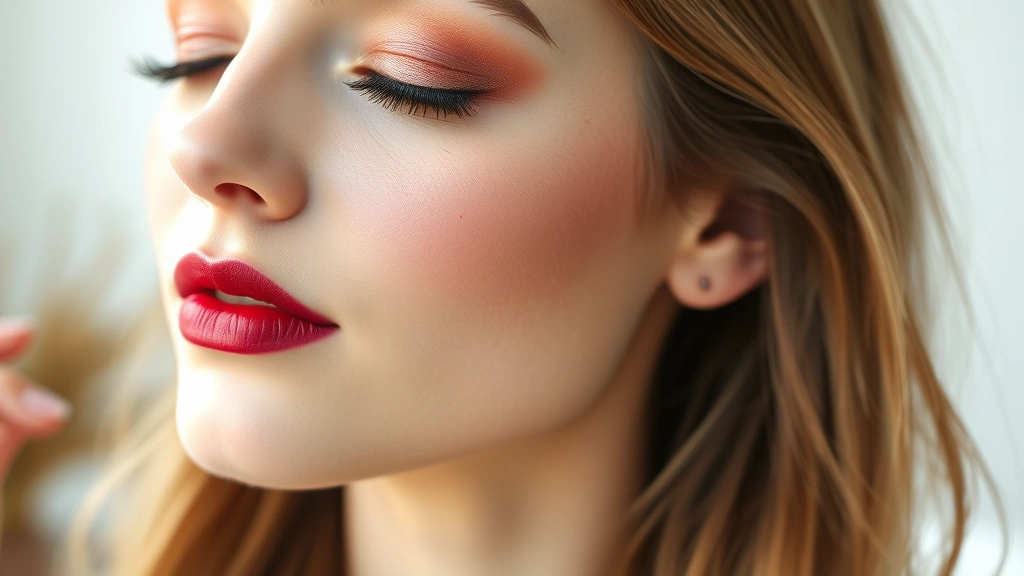
Lip color selection can be transformative for pale skin makeup looks. Fair complexions showcase bold lip colors beautifully, from classic reds to trendy cool-toned purples. The contrast between pale skin and a saturated lip shade creates a striking, polished appearance.
Cool-toned pale skin looks stunning with blue-based reds, berry shades, mauve lipsticks, and cool pinks. These colors complement cool undertones and create a cohesive, harmonious appearance. Classic blue-red shades like those found in traditional lipstick collections are particularly flattering. Berry and plum shades offer a more modern, editorial aesthetic that’s perfect for the adventurous fashionista looking to make a statement.
Warm-toned pale skin should explore warm reds with orange undertones, coral shades, warm pinks, and peachy tones. These colors warm up the complexion and create a naturally flushed, healthy appearance. Warm reds are timeless and universally flattering on warm-toned pale skin, making them an essential wardrobe staple.
Neutral undertone pale skin has the advantage of wearing virtually any lip color. However, pairing your lip color with your eye makeup creates the most cohesive look. If you’re wearing warm eyeshadow, choose a warm-toned lip color. Cool eyeshadow pairs beautifully with cool-toned lips.
Pale skin can sometimes appear washed out with very light, nude lip colors. If you prefer subtle lip looks, opt for shades with slightly more pigment or warmth than your natural lip tone. A nude with peachy or rosy undertones looks more flattering than a truly nude shade on most pale complexions.
Blush and Bronzer Application
Blush and bronzer add vital color and warmth to pale skin, preventing a washed-out appearance. These products are particularly important for pale-skinned individuals who naturally lack color in their cheeks. Strategic application creates a healthy, vibrant complexion.
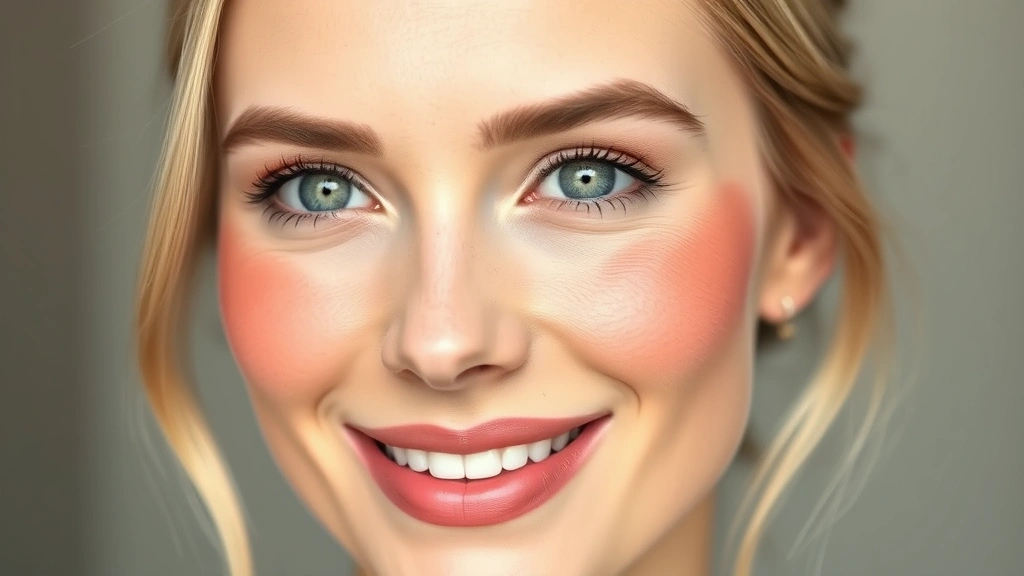
Cool-toned pale skin should choose blush shades in pink, rose, berry, and mauve tones. These colors complement cool undertones and create a naturally flushed appearance. Apply blush to the apples of your cheeks, blending upward toward your temples. Start with a light hand—it’s easier to add more blush than remove excess.
Warm-toned pale skin looks beautiful with peachy, coral, and warm pink blush shades. These colors add warmth and radiance to fair complexions while harmonizing with warm undertones. The same application technique applies: smile and apply blush to the apples of your cheeks, blending toward your temples.
Bronzer adds definition and warmth to pale skin. However, many pale-skinned individuals find traditional bronzer too dark or orange. Look for bronzer shades specifically designed for fair skin, or use a warm-toned contour product as a light bronzer. Apply bronzer to areas where the sun naturally hits your face: along your jawline, temples, and the sides of your forehead.
The key to successful blush and bronzer application on pale skin is using light layers and blending thoroughly. Pale skin shows product buildup more obviously than deeper tones, so multiple light applications look more natural than one heavy application.
Common Mistakes to Avoid
Even experienced makeup enthusiasts sometimes make mistakes when applying makeup to pale skin. Awareness of these common pitfalls helps you avoid them and achieve flawless results every time.
Choosing foundation too dark: This is the most common mistake. Pale skin deserves a shade that matches perfectly, not one that’s slightly darker. If you’re between shades, choose the lighter option.
Using harsh contour shades: Contour that’s too dark creates obvious stripes on pale skin. Stick to shades only one to two shades deeper than your natural tone.
Neglecting to blend: Pale skin makes blending mistakes obvious. Always blend thoroughly using damp beauty sponges or fluffy brushes.
Applying too much product: Pale skin shows product buildup easily. Use less product than you think you need, building gradually.
Ignoring undertones: Choosing the wrong undertone creates a disconnected, unflattering appearance. Always consider your undertone when selecting makeup shades.
Using overly warm or cool tones inconsistently: Mixing warm and cool tones throughout your makeup can create a disjointed look. Keep your color story cohesive.
Forgetting to set makeup: Pale skin can sometimes appear shiny or oily without proper setting. Use a translucent powder to set your makeup and extend wear time.
FAQ
What foundation shade should I choose if I can’t find my exact match?
If you’re between two foundation shades, choose the lighter option. You can always adjust with bronzer or contour if needed. Going too dark is harder to correct and looks less natural on pale skin.
Can I wear bold lip colors with pale skin?
Absolutely! Pale skin provides a stunning canvas for bold lip colors. Cool-toned pale skin suits berry and blue-based reds, while warm-toned pale skin looks beautiful with warm reds and corals. Neutral undertone pale skin can wear virtually any bold lip color.
How do I prevent my makeup from looking ashy on pale skin?
Ashy makeup typically results from using undertones that don’t match your skin. Always consider your undertone when selecting makeup shades. If your makeup looks ashy, you’ve likely chosen the wrong undertone for your skin.
What eyeshadow colors are best for pale skin with blue eyes?
Pale skin with blue eyes looks stunning with warm-toned eyeshadows like golds, oranges, and warm browns, which create complementary contrast. Cool-toned shades like purples and silvers also look beautiful, though they don’t create as much contrast.
Should pale skin wear light or dark eyeliner?
Both work beautifully on pale skin. Dark eyeliner creates definition and contrast, while lighter eyeliner can create a softer, more subtle look. Consider your overall aesthetic when choosing eyeliner shade.
How can I make my pale complexion look less washed out?
Use blush and bronzer strategically to add color and warmth. Choose blush shades that complement your undertone, and apply bronzer to areas where the sun naturally hits your face. A luminous highlighter also adds radiance and prevents a washed-out appearance.
What’s the best primer for pale skin?
The best primer depends on your skin concerns and undertone. If you have redness, choose a primer with yellow or peach undertones to neutralize it. For general use, a hydrating or smoothing primer works beautifully on pale skin. Visit Dermstore for dermatologist-recommended primer options.
Can pale skin wear orange or warm tones?
Absolutely! Warm-toned pale skin looks beautiful with orange, coral, and peachy shades. Even cool-toned pale skin can wear warm tones if they’re slightly muted or paired with cool-toned products elsewhere in the makeup look.

Related Posts

Perfect Old Fashioned Donut: Baker’s Secrets
Old Fashioned Chocolate Pie Recipe? Chef’s Favorite