Makeup Tips for 60+ Skin: Expert Advice
Makeup Tips for 60+ Skin: Expert Advice for Timeless Beauty
Makeup application transforms beautifully with age, and the techniques that worked in your thirties simply won’t deliver the same results now. The good news? Your sixties and beyond are the perfect time to embrace a makeup philosophy that celebrates mature skin while addressing its unique needs. This comprehensive guide shares professional strategies from makeup artists and dermatologists who specialize in aging skin, helping you achieve a polished, natural look that feels authentic to who you are today.
Whether you’re refining your everyday routine or preparing for special occasions, understanding how your skin changes—and how to work with those changes rather than against them—makes all the difference. From foundation selection to strategic highlighting, we’ll explore every step of creating makeup that enhances rather than settles into fine lines, emphasizes your best features, and makes you feel confident and beautiful.
Skincare Foundation: The Secret to Flawless Makeup
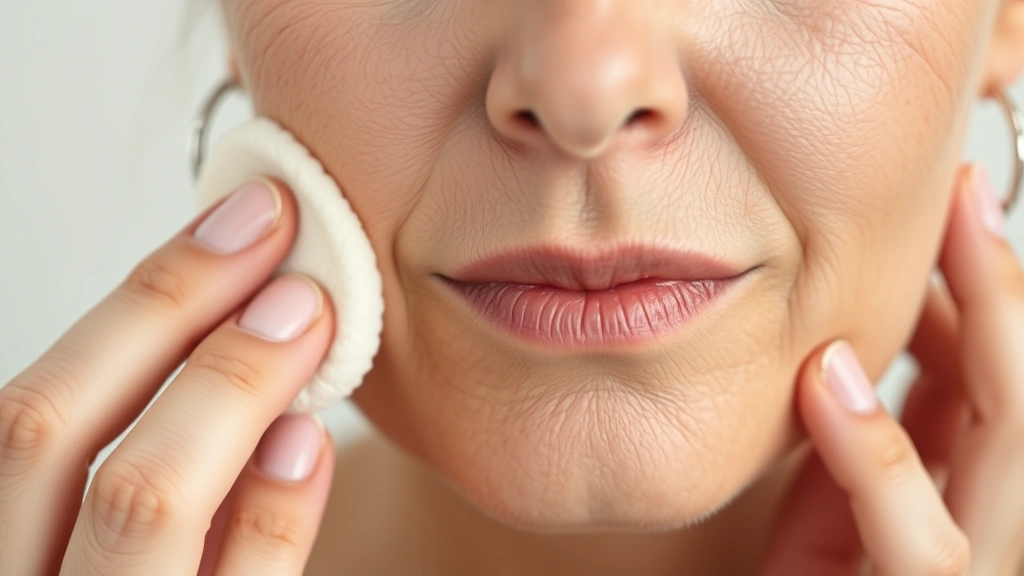
The most transformative makeup tip for women over 60 isn’t actually about makeup at all—it’s about skincare. Proper hydration and preparation create the canvas that makes every subsequent product look better. Mature skin tends toward dryness, which causes makeup to cling to fine lines, settle into pores, and appear patchy throughout the day. This is why dermatologists consistently recommend investing in a solid skincare routine before focusing on cosmetics.
Begin with a hydrating cleanser that won’t strip your skin’s natural oils. Follow with a hydrating toner or essence to plump the skin, then apply a nourishing moisturizer while your skin is still slightly damp—this locks in hydration. Many makeup artists recommend waiting five to ten minutes after moisturizer application before applying primer, allowing the skincare to fully absorb. This small step prevents that slippery feeling that causes makeup to slide throughout the day.
Serums containing hyaluronic acid, peptides, or niacinamide work beautifully under makeup for mature skin. These ingredients improve skin texture, boost elasticity, and create a smoother surface for foundation application. Consider applying serum to specific areas where you notice the most dryness or fine lines—typically around the eyes, mouth, and forehead—for targeted hydration that shows immediate results.
Sun protection deserves special mention in your pre-makeup routine. The American Academy of Dermatology emphasizes that daily SPF is crucial for preventing further sun damage and maintaining skin health. Look for lightweight, hydrating sunscreens that won’t interfere with makeup application or leave a white cast on mature skin tones.
Choosing the Right Foundation for Mature Skin
Foundation selection makes or breaks the entire makeup look for women over 60. The best formulas for mature skin are hydrating, buildable, and offer medium to full coverage without appearing heavy or cakey. Matte finishes, popular in recent years, tend to emphasize fine lines and can look harsh on mature skin. Instead, seek dewy or satin finishes that reflect light subtly and create a youthful appearance.
Liquid foundations work beautifully for most mature skin types when applied with the right technique. Cream foundations offer excellent coverage and hydration but require careful blending to avoid looking overdone. Avoid powder foundations entirely—they settle into fine lines and can emphasize texture issues. If you prefer a powder finish for longevity, apply liquid foundation first, then set only with a light dusting of powder in specific areas.
The key to flawless foundation application lies in using the right tools and techniques. A damp beauty sponge (like a Beautyblender) works better than brushes for most mature skin because it allows you to press product into skin rather than sweep it across, preventing emphasis of fine lines. Dampen your sponge, then bounce it gently across your face in upward motions, focusing on areas needing more coverage.
Color matching deserves careful attention. Test foundation on your jawline in natural light, not on your wrist or hand. Your face and neck should match seamlessly—a common mistake is choosing foundation too light or too dark, which creates an obvious line. Many beauty counters offer shade-matching services; take advantage of these to ensure you’re selecting the perfect tone for your unique complexion.
Apply foundation to areas needing coverage rather than your entire face. Most makeup artists recommend focusing on the center of the face (where skin tone is most uneven) and blending outward, using less product on cheeks and temples. This technique prevents the “mask” effect that makes makeup look obvious on mature skin.
Strategic Concealer Application
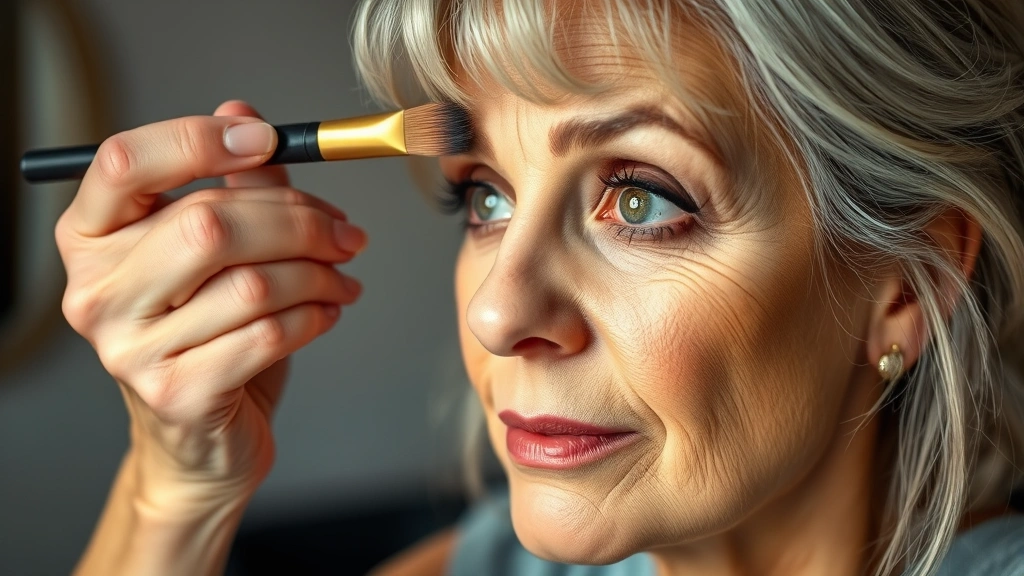
Concealer is where mature skin makeup truly shines—when applied correctly, it addresses specific concerns without emphasizing fine lines. The goal is brightening and evening skin tone, not heavy coverage that settles into wrinkles. Choose a concealer one to two shades lighter than your foundation, with a hydrating formula that won’t dry out delicate under-eye skin.
The under-eye area requires special attention for women over 60. Instead of applying concealer directly under the eye in a line (which emphasizes darkness), apply it in an inverted triangle shape: place concealer on the inner corner of the eye, down toward the cheekbone, then along the orbital bone. This technique brightens the entire eye area while avoiding the hollow areas where fine lines are most pronounced.
Set concealer lightly with translucent powder, but only in areas that truly need setting. The under-eye area often doesn’t require powder; instead, allow concealer to set naturally, which prevents that creased, powdery appearance. Use a light hand—mature skin benefits from less powder overall, as it can settle into fine lines and emphasize texture.
For addressing specific concerns like age spots or redness, use a color-correcting concealer before your main concealer. A peach or orange corrector works for deeper skin tones to neutralize darkness, while a yellow corrector suits lighter skin tones. Apply sparingly only where needed, then layer your regular concealer over top for seamless blending.
Eye Makeup That Brightens and Opens the Eyes
Eye makeup for mature skin should emphasize brightness and openness rather than heavy drama. The goal is making eyes appear larger and more awake—a natural-looking enhancement that feels authentic. This requires understanding how aging affects the eye area and adjusting techniques accordingly.
Eyeshadow application changes with age as eyelids lose elasticity and skin becomes looser. What worked beautifully in your forties may now disappear into the lid or create unwanted creasing. Apply eyeshadow with eyes open, checking how it appears in your natural gaze rather than with eyes closed. This ensures the color you apply is actually visible when you’re looking at someone.
Neutral, warm-toned eyeshadows work beautifully on mature skin. Champagne, warm bronze, soft gold, and peachy tones enhance rather than compete with mature features. Avoid overly cool-toned shadows that can make mature skin appear ashy or drained. Apply shadow to the lid with a damp brush—dampening the brush helps color adhere better and prevents fallout throughout the day.
The inner corner of the eye deserves special attention. Apply a tiny amount of shimmery, light eyeshadow or highlighter to the inner corner and inner lid. This technique instantly brightens the entire eye area and creates the illusion of larger, more youthful eyes. It’s one of the most effective tricks makeup artists use for mature skin.
Eyeliner application requires a lighter touch for women over 60. Heavy black liner can look harsh and aging, especially on mature skin. Instead, line only the upper lash line with a soft brown or charcoal pencil, keeping the line thin and close to the lashes. For the lower lash line, use a nude or white pencil on the inner rim—this technique makes eyes appear larger and brighter without harsh definition.
Mascara is non-negotiable for mature skin. One coat of volumizing mascara on upper lashes opens the eye and creates immediate youthfulness. Skip lower lash mascara, which can emphasize fine lines under the eyes and create a heavy appearance. Choose a brown or charcoal mascara instead of black for a softer, more natural look that still provides definition.
Eyebrows frame the entire face and become increasingly important with age. Well-groomed, slightly fuller brows lift the face and create a more youthful appearance. Use a brow pencil to fill in sparse areas, then set with a clear or tinted brow gel. Avoid overly thin, highly arched brows—fuller, softer brows with a gentle arch suit mature faces better.
Lips and Cheeks: Adding Dimension Without Drama
Cheek and lip color bring life to the face and create dimension that flatters mature skin. The key is choosing shades that complement your natural coloring and applying them strategically to enhance rather than overwhelm.
Blush application for mature skin differs from younger skin because color can emphasize texture and fine lines if applied incorrectly. Apply blush to the apples of your cheeks (smile to find them) with an upward sweep toward the temples. Use a light hand, building color gradually—it’s easier to add more than to remove excess. Cream blushes work beautifully on mature skin, blending seamlessly and providing a natural flush that looks like your own color.
Color selection matters significantly. Warm pinks, corals, berries, and peachy tones work beautifully on most mature skin tones. Avoid overly cool or ashy blushes that can make mature skin appear tired or sallow. If you’re unsure about a shade, test it on your cheek in natural light before purchasing.
Lip color requires careful consideration for women over 60. Fine lines around the mouth become more apparent with bold lip color, so technique and shade selection are crucial. Avoid matte lipsticks, which can look dry and emphasize lip lines. Instead, choose satin or cream formulas that provide color while maintaining a hydrated appearance.
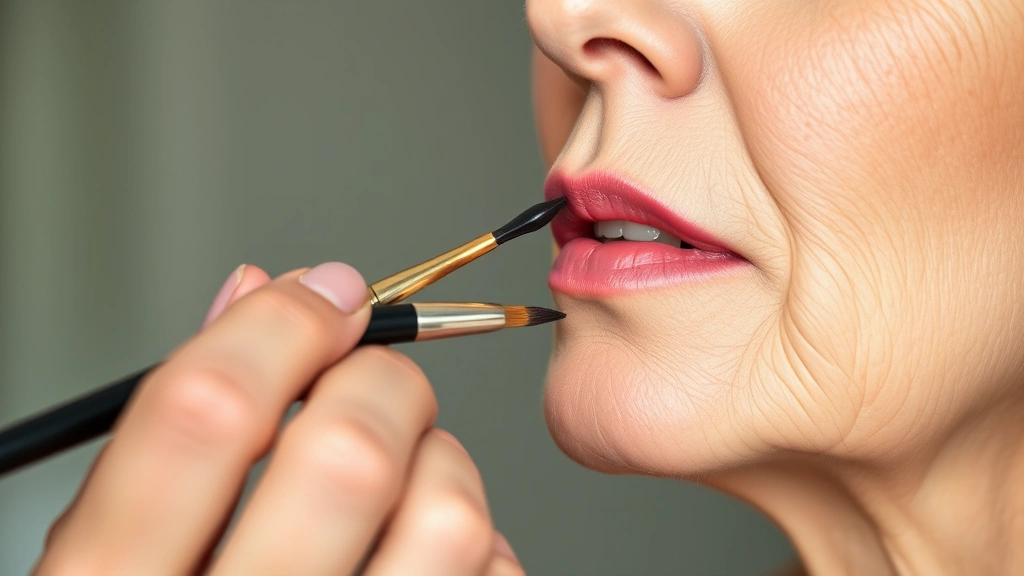
Line your lips before applying color to prevent feathering and create definition. Use a lip liner slightly darker than your lipstick, outlining just inside your natural lip line. This prevents that obvious drawn-on appearance while keeping color exactly where you want it throughout the day. Blend the liner slightly with your lip to avoid harsh edges.
Nude and warm-toned lipsticks suit mature skin beautifully. Warm reds, terracotta, brick, warm pinks, and nude-berries all work wonderfully. Avoid cool-toned reds or very dark shades, which can look harsh. If you love bold color, apply it only to the center of your lips, blending toward the edges for a softer, more natural appearance.
Lip gloss adds dimension and makes lips appear fuller. Apply gloss only to the center of your lips for a subtle plumping effect, or use a clear or barely-tinted gloss over your lipstick for added shine and hydration.
Setting Your Makeup for All-Day Wear
Setting makeup properly ensures it lasts throughout the day without looking heavy or settling into fine lines. The goal is creating longevity while maintaining a natural, fresh appearance.
Powder application requires a very light hand on mature skin. Use a large fluffy brush and translucent powder, applying only where needed—typically the T-zone (forehead, nose, chin) rather than the entire face. Many makeup artists recommend using a setting spray instead of or in addition to powder for mature skin, as it provides longevity without the risk of emphasizing fine lines.
Setting spray is a game-changer for women over 60. Apply it as the final step, misting your entire face lightly. This locks makeup in place while keeping it looking fresh and dewy rather than powdery. Choose hydrating setting sprays that won’t dry out mature skin.
Throughout the day, touch up with a hydrating facial mist rather than powder. This refreshes makeup while adding hydration and preventing the dry, caked appearance that powder can create. Keep a facial mist in your purse for easy midday refreshment.
For special occasions, consider having your makeup professionally applied. Makeup artists who specialize in mature skin understand techniques and products specifically designed for aging skin. They can demonstrate application methods you can replicate at home and recommend products that work beautifully on your unique skin.
FAQ
What’s the best foundation formula for 60+ skin?
Hydrating liquid foundations with dewy or satin finishes work best for mature skin. Look for formulas containing hyaluronic acid or glycerin for added hydration. Avoid matte formulas, which emphasize fine lines and can look harsh on mature skin.
How do I prevent makeup from settling into fine lines?
Proper skincare preparation is essential—use hydrating serums and moisturizers before makeup. Apply foundation with a damp beauty sponge using pressing motions rather than sweeping. Use minimal powder, and choose setting spray over powder when possible. These techniques prevent makeup from settling into fine lines throughout the day.
Should I wear bold lip color after 60?
Absolutely! Bold lip color looks beautiful on mature skin when applied correctly. Choose satin or cream formulas (never matte), line your lips to prevent feathering, and consider warm-toned reds, berries, or corals rather than cool-toned shades. Apply color slightly lighter in the center for a softer effect if desired.
What eyeshadow colors work best for mature skin?
Warm neutrals like champagne, warm bronze, soft gold, and peachy tones enhance mature skin beautifully. Avoid cool-toned shadows that can appear ashy. Always apply eyeshadow with eyes open to ensure color is visible in your natural gaze, and use a damp brush for better adhesion and color payoff.
Is contouring appropriate for women over 60?
Light contouring can work beautifully on mature skin when done subtly. Use warm-toned bronzer (not cool shadows) applied only to areas that genuinely need definition. Blend extensively to avoid harsh lines. Many mature skin makeup artists recommend skipping traditional contouring in favor of strategic blush placement and highlighting, which provides dimension without looking overdone.
How often should I update my makeup routine?
Skin changes continuously, so reassess your routine every few years. What worked at 60 may need adjustment at 65 or 70 as skin continues evolving. Stay open to trying new products and techniques—the beauty industry continuously develops formulas and methods specifically designed for mature skin.

Related Posts

Perfect Old Fashioned Donut: Baker’s Secrets
Old Fashioned Chocolate Pie Recipe? Chef’s Favorite