90s Men’s Fashion: Timeless Trends Explained
90s Men’s Fashion: Timeless Trends Explained
The 1990s revolutionized men’s fashion in ways that continue to influence contemporary style today. From the grunge movement’s deliberately disheveled aesthetic to the rise of minimalist streetwear, this decade broke traditional fashion rules and gave men permission to experiment with their personal style. Whether you’re looking to recreate iconic 90s looks or understand how these trends shaped modern menswear, this comprehensive guide explores the key styles, cultural influences, and pieces that defined an entire generation.
What made 90s men’s fashion so distinctive was its rejection of the excess that characterized the 1980s. Instead of power suits and shoulder pads, men embraced a more relaxed, authentic approach to dressing. This shift reflected broader cultural changes, including the rise of alternative music, hip-hop culture, and a growing emphasis on individuality over conformity. Understanding these trends helps you appreciate why certain pieces remain relevant and how to incorporate 90s-inspired elements into your modern wardrobe.

Grunge Style: The Seattle Sound Meets Fashion
Grunge fashion emerged directly from Seattle’s music scene, particularly through bands like Nirvana, Pearl Jam, and Soundgarden. Musicians weren’t trying to make fashion statements; they were simply wearing what was comfortable and affordable. Flannel shirts, worn jeans, and oversized silhouettes became the uniform of authenticity. This anti-fashion stance ironically became the most influential fashion movement of the decade, with high-end designers like Marc Jacobs at Perry Ellis creating expensive versions of thrift-store aesthetics.
The grunge look prioritized comfort and functionality over appearance. Flannel shirts in red, black, and green plaids became wardrobe staples, often worn oversized and unbuttoned over band t-shirts. Distressed jeans with rips and tears weren’t a style choice but rather a reflection of actual wear and tear. Leather jackets, typically worn, cracked, and faded, completed the look. The beauty of grunge fashion was its accessibility—you could assemble an authentic outfit from your local thrift store for minimal cost, which contributed to its widespread adoption.
Grunge also introduced the concept of strategic layering as a design element rather than merely functional dressing. Men would layer oversized shirts over long-sleeve thermal shirts, creating visual depth and texture. This approach to layering became a technique used in modern fashion design and remains relevant today, particularly in how contemporary designers approach sustainable fashion practices by encouraging garment longevity through versatile layering pieces.
The grunge aesthetic also democratized fashion by removing the pressure to look polished or put-together. Men could wear mismatched patterns, faded colors, and intentionally wrinkled clothing without judgment. This shift in attitude opened conversations about what fashion actually means and challenged the idea that style requires expense or perfection. The legacy of grunge lives on in contemporary men’s fashion through the continued popularity of flannel, the acceptance of casual wear in professional settings, and the value placed on authenticity over trends.
Minimalism and Clean Lines
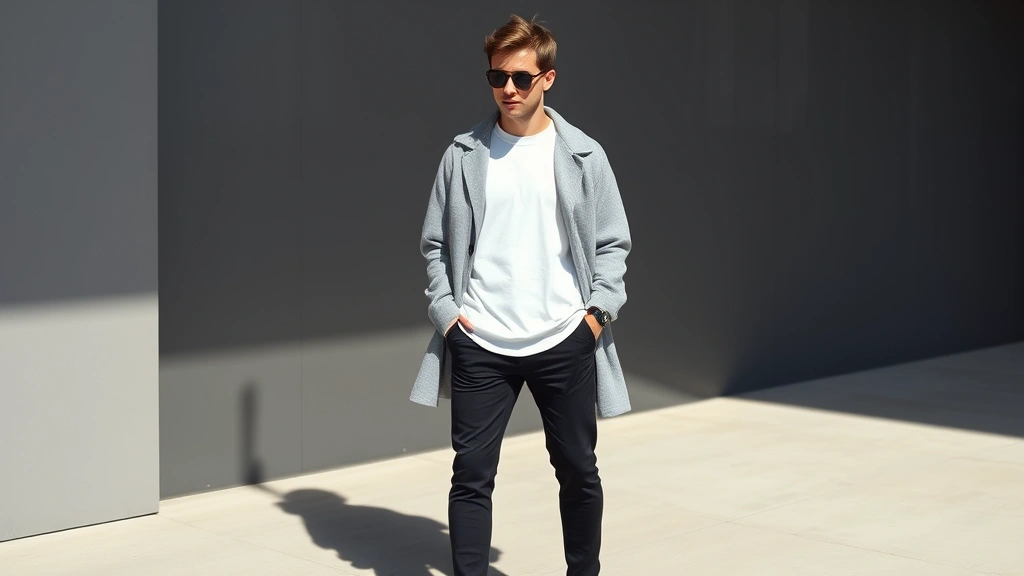
While grunge dominated the early 90s, the latter half of the decade saw the rise of minimalism—a stark contrast that coexisted peacefully in the fashion landscape. Minimalist 90s fashion embraced simplicity, neutral color palettes, and clean geometric silhouettes. Designers like Calvin Klein, Jil Sander, and Helmut Lang championed this aesthetic, creating collections built on essential basics in black, white, gray, and navy.
Minimalist style emphasized quality over quantity. Rather than accumulating numerous pieces, the philosophy centered on investing in well-constructed basics that could be mixed and matched effortlessly. A perfectly fitted white t-shirt, simple black trousers, and a neutral overshirt became the foundation of a sophisticated wardrobe. This approach to dressing influenced how men think about building a capsule wardrobe and remains the foundation of modern menswear advice.
The minimalist movement also introduced the concept of uniform dressing to mainstream culture. Steve Jobs, Bill Gates, and other influential figures adopted simplified personal uniforms, proving that wearing essentially the same thing repeatedly could be both practical and stylish. This trend reflected broader cultural shifts toward efficiency and intentional living, concepts that continue to resonate with contemporary consumers interested in sustainable lifestyle choices.
Minimalism also influenced fabric choices, with an emphasis on natural materials and subtle textures. Linen, cotton, and wool became preferred materials over synthetic fabrics. The beauty of minimalist design lies in how details become more significant when the overall aesthetic is simplified—a single perfectly placed seam, the drape of a fabric, or the fit of a garment becomes the focal point rather than bold patterns or colors.
Hip-Hop Culture and Streetwear
The 90s witnessed hip-hop’s explosive growth from a niche cultural movement to a mainstream phenomenon, and fashion evolved accordingly. East Coast and West Coast hip-hop scenes developed distinct style languages, with New York favoring Timberland boots, oversized Polo Ralph Lauren, and Kangol hats, while Los Angeles embraced baggy jeans, oversized sports jerseys, and Starter jackets representing various NBA teams.
Hip-hop fashion prioritized oversized silhouettes as a deliberate aesthetic choice. Baggy jeans, oversized basketball jerseys, and loose-fitting sweatshirts created a bold, confident silhouette that stood in contrast to the fitted styles of previous decades. This approach to proportion continues to influence contemporary fashion, with designers regularly returning to oversized cuts as a statement against restrictive, body-conscious dressing.
The influence of sneaker culture cannot be overstated in 90s hip-hop fashion. Air Jordans, in particular, became status symbols and cultural icons. Limited releases created collecting culture, and certain colorways became synonymous with specific regions and artists. This relationship between hip-hop and sneakers established sneaker culture as we know it today, with drops, collaborations, and resale markets becoming integral to fashion.
Brands like Tommy Hilfiger and Ralph Lauren became central to hip-hop fashion, though this adoption happened somewhat unexpectedly. These preppy brands found new audiences through hip-hop artists, creating an interesting fusion of styles. The cross-pollination between high fashion and streetwear accelerated during the 90s, eventually leading to the current landscape where streetwear commands premium prices and collaborations between luxury brands and street labels are commonplace.
Essential 90s Pieces Every Man Should Know
Certain garments became absolutely iconic during the 1990s and remain relevant today. Understanding these pieces helps you appreciate 90s fashion and incorporate elements into your modern style. The white t-shirt was elevated to an art form, with fit and fabric quality becoming paramount. Vintage band t-shirts also served as both fashion statements and cultural references, with specific bands and tour dates becoming collectible items.
The denim jacket experienced a renaissance, worn oversized, cropped, or fitted depending on the specific subculture. Levi’s 501s and other classic cuts became uniform staples, often worn at the hip with the waistband sitting lower than contemporary standards. Cargo pants emerged as a functional alternative to traditional jeans, with multiple pockets becoming a design feature rather than merely practical.
The bomber jacket became a versatile piece that worked within both grunge and minimalist aesthetics. Made from various materials including nylon, leather, and wool, bombers offered structure without formality. Windbreakers and track jackets also gained prominence, particularly those in solid colors or simple colorblock designs, influenced heavily by hip-hop and 90s sportswear trends.
The button-up shirt served multiple purposes throughout the decade. Flannel shirts defined grunge, while crisp Oxford shirts in white or light blue became minimalist essentials. Hawaiian shirts and other patterned button-ups also experienced moments of popularity, often worn unbuttoned as an overshirt. The versatility of this simple garment meant that virtually every 90s aesthetic incorporated button-ups in different ways.
Footwear: From Timberlands to Air Jordans
Shoes became increasingly important status symbols and style statements during the 90s. Timberland boots, originally designed as work boots, became iconic through hip-hop culture, particularly in East Coast scenes. The wheat-colored leather and thick rubber sole became instantly recognizable, and wearing Timberlands signaled cultural awareness and style credibility. These boots remain popular today, cycling through periods of trendiness and proving their timeless appeal.
Air Jordan sneakers achieved unprecedented cultural significance during this period. Michael Jordan’s dominance in basketball and Nike’s brilliant marketing created a sneaker line that transcended sports. Collectors sought specific colorways, and limited releases created anticipation and demand. The sneaker resale market, now a multi-billion-dollar industry, has roots in 90s Air Jordan collecting culture.
Adidas Superstars and other classic sneaker silhouettes also gained popularity, particularly through hip-hop influence. The shell-toe Superstar, originally released in the 1960s, found new audiences through 90s fashion. Classic Converse Chuck Taylors also remained relevant, worn by grunge musicians and skateboarders alike, proving that sometimes the most iconic pieces are those that have already stood the test of time.
Vans, particularly the slip-on style, became synonymous with skate culture and alternative fashion. The simplicity and durability of Vans made them accessible and practical, while their association with skateboarding added cultural cachet. Doc Martens, originally work boots, also experienced a fashion moment, worn by alternative and grunge-adjacent individuals throughout the decade.
The diversity of footwear options during the 90s reflected the decade’s multiple coexisting fashion movements. Whether you were wearing expensive Air Jordans, thrifted work boots, or classic canvas sneakers, your shoe choice communicated your cultural affiliations and personal style. This democratization of sneaker culture and the importance placed on footwear continues to define contemporary men’s fashion.
Accessories That Defined the Decade
Hats served as important style elements throughout the 90s. Kangol hats became associated with New York hip-hop culture, while baseball caps worn backward or at various angles worked within multiple aesthetics. Beanies, particularly in solid colors or simple patterns, became grunge staples. The humble hat transformed into a significant accessory that could completely change an outfit’s vibe.
Chains and jewelry played a role in hip-hop fashion, with gold chains, dog tags, and other statement pieces adding visual interest. The contrast between minimalist fashion’s jewelry restraint and hip-hop’s more abundant approach highlighted how different 90s subcultures expressed themselves through accessories. Even minimalists incorporated subtle jewelry, such as simple silver rings or pendant necklaces.
Sunglasses became iconic accessories, with specific styles defining different aesthetics. Wraparound sunglasses suggested sportswear influence, while smaller, rectangular frames worked within minimalist looks. Colored lenses and mirrored finishes also appeared, particularly in hip-hop influenced fashion. The sunglasses you wore communicated your style tribe and cultural awareness.
Bags and backpacks served both functional and style purposes. Oversized backpacks worked within grunge and hip-hop aesthetics, while minimalists favored simple, structured bags. Crossbody bags and messenger bags also gained popularity, offering practical solutions for carrying essentials while maintaining style. The emphasis on functional accessories reflected the decade’s overall move toward practicality and authenticity.
Belts became more visible and important, particularly as pants sat lower on the hip. Wide leather belts, chains, and woven styles all appeared depending on the specific aesthetic. The belt transformed from a purely functional item to a style statement that could elevate or complete an outfit.
How to Style 90s Fashion Today
Incorporating 90s elements into contemporary wardrobes requires understanding the underlying principles rather than simply copying specific outfits. Start with fit, which remains the most important factor in any era. While 90s fashion embraced oversized silhouettes, contemporary styling requires intentionality—oversized pieces should be balanced with fitted elements to avoid appearing sloppy or costumey. Pair oversized button-ups with fitted trousers or tapered jeans for a modern interpretation.
Consider the minimalist approach by building a capsule wardrobe of essential basics. Invest in quality white t-shirts, classic jeans, simple button-ups, and neutral outerwear. This foundation allows you to experiment with 90s-inspired pieces without overwhelming your overall aesthetic. The minimalist philosophy of quality and intentionality remains more relevant than ever, particularly as consumers become increasingly interested in sustainable fashion and reducing environmental impact.
Incorporate statement pieces thoughtfully. A vintage band t-shirt, a flannel shirt worn as an overshirt, or a classic sneaker can add 90s flavor without requiring a complete wardrobe overhaul. The key is ensuring these pieces feel intentional rather than nostalgic or costume-like. Pair them with contemporary basics that ground the look in the present.
Pay attention to proportions and how different pieces interact. The 90s weren’t just about oversized clothing; they were about how oversized pieces were combined and balanced. Wearing oversized everything creates a shapeless silhouette, while strategic oversizing with fitted pieces creates visual interest and sophistication. This principle applies whether you’re dressing in grunge, minimalist, or hip-hop influenced styles.
Invest in quality footwear that works across multiple outfits. Classic sneakers, work boots, or simple leather shoes can be worn with various 90s-inspired outfits while remaining practical for contemporary life. The emphasis on quality shoes reflects 90s values and remains relevant today, particularly through the lens of sustainable consumption and investing in pieces that last.
Embrace authenticity as the guiding principle. The 90s rejected excessive styling and artificial fashion rules. Wearing what feels genuine to you, whether that’s grunge-inspired comfort or minimalist simplicity, captures the true spirit of 90s fashion. The decade’s greatest contribution to contemporary style was permission to dress according to personal preference rather than rigid fashion rules.
Layer intentionally using the techniques popularized during the 90s. A simple t-shirt under an oversized button-up, or a long-sleeve thermal under a graphic tee, creates visual depth and works practically across seasons. This approach to dressing remains functional and stylish, reflecting the 90s emphasis on practical fashion.
Finally, consider your cultural references and what 90s aesthetic resonates with you personally. Different 90s subcultures expressed themselves through fashion in distinct ways. Understanding which movement speaks to you—whether grunge’s authenticity, minimalism’s simplicity, or hip-hop’s boldness—helps you curate a cohesive personal style that incorporates 90s elements authentically.
FAQ
What makes 90s men’s fashion still relevant today?
90s fashion principles—authenticity, quality, comfort, and personal expression—remain timeless. The decade’s rejection of excessive styling and emphasis on individual style over trends created a foundation that continues to influence contemporary fashion. Modern designers regularly reference 90s aesthetics because they represent a genuine shift in how people think about clothing and identity.
How can I wear 90s fashion without looking like I’m wearing a costume?
The key is balance and intentionality. Pair 90s-inspired pieces with contemporary basics, focus on fit and quality, and ensure pieces feel authentic to your personal style rather than nostalgic references. Avoid wearing multiple statement pieces simultaneously, and choose elements that genuinely appeal to you rather than pieces purely for their historical significance.
What’s the difference between grunge and minimalist 90s fashion?
Grunge emphasized oversized, distressed, and layered pieces in darker colors, reflecting anti-fashion attitudes and authenticity. Minimalism focused on clean lines, neutral palettes, and essential basics emphasizing quality and simplicity. Both movements coexisted and represented different responses to 1980s excess—grunge through casual disregard and minimalism through intentional simplicity.
Are cargo pants and oversized jeans coming back?
Yes, both have experienced renewed popularity in contemporary fashion. Cargo pants appeal through their functionality and nostalgic value, while oversized jeans work within current styling trends emphasizing comfort and relaxed fits. The key to wearing these pieces today is combining them with fitted elements and contemporary styling approaches rather than recreating complete 90s outfits.
What 90s sneakers are worth investing in?
Classic styles like Air Jordan 1s, Adidas Superstars, and Timberland boots remain valuable investments due to their cultural significance and timeless appeal. These pieces work across multiple aesthetic styles and outfits, making them practical investments beyond their collectible value. Focus on classic colorways that work with various outfits rather than trendy limited editions.
How do I find authentic 90s pieces today?
Vintage and thrift stores remain excellent sources for authentic 90s clothing. Online platforms specializing in vintage fashion also offer curated selections. Additionally, many contemporary brands now produce pieces inspired by 90s aesthetics, offering new alternatives to vintage pieces. Consider your budget and whether you prefer authentic vintage items or contemporary reproductions.
Can I mix 90s fashion with other style eras?
Absolutely. The beauty of 90s fashion is its versatility and compatibility with other styles. Mixing 90s pieces with contemporary items, vintage pieces from other eras, or other style inspirations creates interesting, personalized looks. The key is ensuring pieces work together cohesively rather than appearing randomly assembled.

Related Posts

Perfect Old Fashioned Donut: Baker’s Secrets
Old Fashioned Chocolate Pie Recipe? Chef’s Favorite