90s Male Fashion: Expert Tips for a Retro Look
90s Male Fashion: Expert Tips for a Retro Look
The 1990s remain one of the most influential decades for men’s fashion, blending minimalism with bold statement pieces in ways that continue to inspire contemporary style. Whether you’re drawn to the grunge aesthetic of Seattle, the sleek silhouettes of high fashion, or the casual comfort of hip-hop culture, 90s male fashion offers something for every style preference. This comprehensive guide explores how to authentically recreate this iconic era while adapting it to modern sensibilities.
Mastering 90s male fashion isn’t just about throwing on vintage pieces—it requires understanding the cultural movements that shaped the decade and knowing which elements work best for your personal style. From oversized flannel shirts to tailored minimalist blazers, the 90s celebrated both extremes of the fashion spectrum. Let’s dive into the essential components that will help you achieve that coveted retro aesthetic.
Grunge Essentials and Flannel Culture
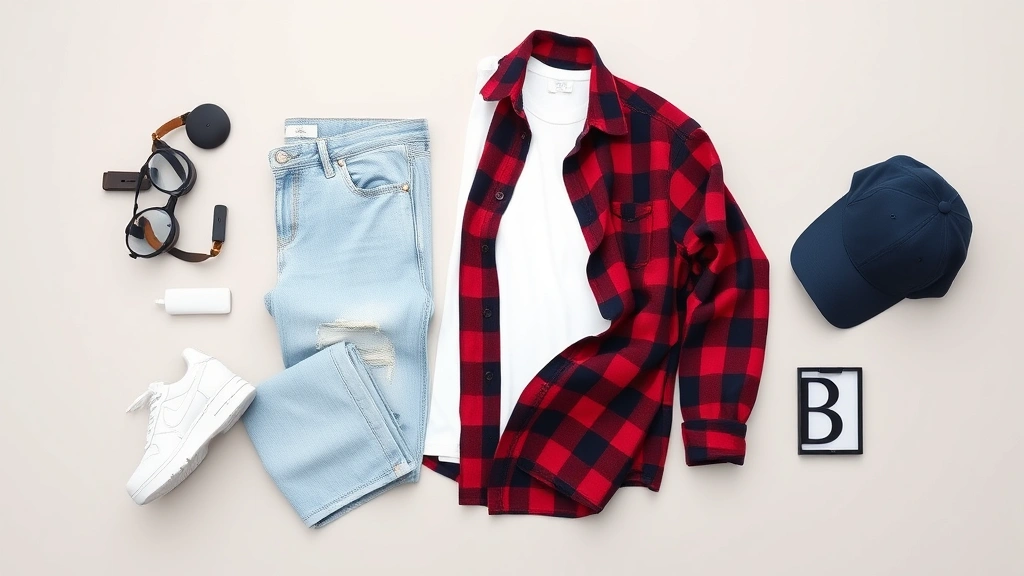
When discussing 90s male fashion, you cannot overlook the grunge movement that emerged from Seattle and revolutionized casual menswear. Flannel shirts became the unofficial uniform of the decade, worn by everyone from Kurt Cobain to high school students. The key to nailing this look is understanding that authenticity comes from appearing effortless, not polished.
Flannel shirts in 90s male fashion serve multiple purposes—they can be worn oversized as a standalone piece, tied around the waist as a secondary layer, or buttoned casually over a plain t-shirt. Look for classic plaid patterns in earthy tones like burgundy, forest green, brown, and black. The quality matters less than the worn-in aesthetic; vintage flannel from thrift stores often carries the perfect patina that new pieces struggle to achieve.
Pair your flannel with classic wardrobe staples like plain white or gray t-shirts to keep the focus on texture and pattern. Oversized fit is essential—your flannel should drape naturally without clinging to your frame. The beauty of grunge-inspired 90s male fashion lies in its deliberate casualness and rejection of formality.
Beyond flannel, consider incorporating other grunge staples like thermal shirts in contrasting colors, worn band t-shirts, and distressed elements. The grunge aesthetic celebrates imperfection and authenticity, so don’t shy away from visible wear on your garments.
The Minimalist Approach
While grunge dominated the casual sphere, 90s male fashion also embraced a clean, minimalist aesthetic championed by designers like Calvin Klein and Jil Sander. This approach emphasizes quality basics, neutral colors, and impeccable tailoring—a stark contrast to the deliberately disheveled grunge look. Understanding both sides allows you to create a versatile 90s-inspired wardrobe.
The minimalist 90s aesthetic focuses on simplicity, functionality, and understated elegance. Invest in well-fitted basics: crisp white shirts, black long-sleeve tees, and neutral-colored sweaters. These pieces form the foundation of a 90s male fashion wardrobe that works for various occasions. The minimalist approach doesn’t mean boring—it’s about letting quality and fit do the talking.
Tailored blazers in charcoal, navy, or black work beautifully in this context, worn with simple trousers or even jeans for a relaxed-formal hybrid that screams 90s. A perfectly fitted white button-up shirt, slightly oversized but intentionally so, represents the epitome of 90s minimalist male fashion. Pair these pieces with intentional styling choices that prioritize proportion and balance.
The minimalist approach also emphasizes the importance of fabric quality. Look for natural materials like cotton, linen, and wool that age gracefully and develop character over time. This investment-focused strategy means buying fewer pieces that last longer and look better.
Denim Mastery for the 90s Look
No discussion of 90s male fashion is complete without addressing denim, the fabric that defined the decade. The 90s celebrated diverse denim styles, from baggy hip-hop-inspired jeans to slim, clean-cut silhouettes. The key is selecting the right fit for your body type and style preference.
Baggy, relaxed-fit jeans dominated the early 90s, influenced heavily by hip-hop culture and West Coast street style. These jeans typically featured a high waist and loose taper through the leg, often worn with oversized shirts and chunky sneakers. If you’re recreating this look, seek vintage Levi’s 550s or 560s in medium to light washes.
As the decade progressed, denim became slightly more tailored. Mid-to-late 90s 90s male fashion incorporated slim, straight-leg jeans in darker washes, often paired with fitted tops. Brands like Gap and Tommy Hilfiger popularized this cleaner aesthetic. The beauty of 90s denim is its versatility—you can rock either style depending on your mood and occasion.
When shopping for authentic 90s denim, pay attention to specific details: button flies instead of zippers, visible stitching, and proportional leg openings (not overly tapered). The wash matters significantly—avoid heavily distressed contemporary styles in favor of naturally worn or medium-wash denims. Vintage denim from actual 90s production runs carries authenticity that reproductions struggle to match.
Footwear Foundation
Shoes anchor any 90s male fashion outfit, and fortunately, the decade offered numerous iconic options that remain stylish today. Understanding which footwear works with different 90s aesthetics ensures your complete look feels cohesive and intentional.
Chunky sneakers defined 90s male fashion footwear, with brands like Nike, Adidas, and New Balance leading the charge. The bulkier the silhouette, the more authentically 90s it feels. Look for platform soles, oversized logos, and that distinctive 90s color blocking. Vintage Air Jordans, Nike Air Max models, and classic Adidas Superstars work beautifully in any 90s-inspired outfit.
For a more polished take on 90s male fashion, consider clean leather sneakers in white or neutral tones, slip-on Vans, or classic Converse Chuck Taylors. These versatile options work across multiple style categories and pair equally well with baggy jeans or tailored trousers. The minimalist crowd often favored these simpler silhouettes paired with carefully curated basics.
Combat boots and Doc Martens also featured prominently in 90s male fashion, particularly within grunge and alternative subcultures. These chunky, utilitarian boots add an edge to any outfit and work wonderfully with oversized clothing. Loafers and slip-ons offered a preppy alternative popular among certain 90s demographics.
The golden rule for 90s footwear: avoid anything too refined or contemporary-looking. Chunky, slightly clunky shoes that look purposefully substantial work best. Your shoes should feel like a statement piece rather than a neutral afterthought.
Accessories and Finishing Touches
Accessories elevate any 90s male fashion outfit from basic to authentically styled. The decade embraced both minimal and maximalist approaches, so your accessory choices should reflect your chosen aesthetic.
Caps and beanies were ubiquitous in 90s male fashion, worn by everyone from skaters to hip-hop enthusiasts. Baseball caps with oversized logos, vintage band beanies, and wool winter hats all work beautifully. These accessories add personality and help complete your retro vibe. Look for slightly worn vintage caps or contemporary reproductions of classic 90s designs.
Backpacks served both functional and fashion purposes in 90s male fashion culture. Canvas backpacks, nylon sports bags, and vintage school bags all work depending on your overall aesthetic. Avoid anything too polished or contemporary—seek items with a lived-in quality or vintage authenticity.
Sunglasses deserve special attention in 90s male fashion styling. Oversized frames, narrow rectangular lenses, and colored or mirrored shields all capture the decade’s eyewear aesthetic. Aviators and classic Ray-Ban styles also work beautifully. These accessories immediately signal period authenticity and complete your look.
Watches, chains, and other jewelry should be approached thoughtfully. The 90s celebrated both minimalism and bold statements, so your choice depends on your overall aesthetic. A simple silver chain or a chunky leather bracelet can add texture without overwhelming your outfit. Keep jewelry selections intentional rather than excessive.
Color Palette Strategy
Mastering 90s male fashion requires understanding the decade’s signature color combinations. The palette ranges from muted earth tones to bold primary colors, depending on which 90s aesthetic you’re channeling.
Grunge favored muted, earthy tones: forest green, burgundy, charcoal, olive, and brown dominated the color palette. These colors naturally photograph well in dim lighting and create that intentionally dark, moody aesthetic grunge embraced. Pair these tones with neutral bases like black, white, or gray for maximum impact.
The minimalist 90s palette stuck to neutrals and primary colors used sparingly. White, black, gray, navy, and cream formed the foundation, with occasional pops of color in the form of primary-colored accessories or layering pieces. This restrained approach emphasizes texture and silhouette over color complexity.
Hip-hop and street-style 90s male fashion embraced bolder color blocking, featuring bright primary colors, neon accents, and logo-heavy branding. Bright yellow, electric blue, red, and green appeared alongside neutral bases. This aesthetic celebrated visibility and statement-making through color.
When building your 90s male fashion wardrobe, select a primary color palette that speaks to your preferred aesthetic, then build complementary pieces around it. Consistency in color choices makes mixing and matching easier and creates a more cohesive overall look. Avoid contemporary color trends that immediately date your outfit as modern rather than retro.
Layering Techniques
Layering defines much of 90s male fashion, creating visual interest and allowing temperature flexibility. Understanding how to layer properly ensures you achieve an authentic 90s silhouette rather than an awkward, bulky appearance.
The classic 90s layering formula combines three key pieces: a base layer (t-shirt or thermal), a mid layer (flannel, button-up, or sweater), and an outer layer (jacket or oversized shirt). Each layer should have slightly different proportions to create visual depth. A fitted base under an oversized mid-layer, topped with a structured jacket, creates the quintessential 90s look.
For grunge-inspired 90s male fashion, layer a plain white tee under an oversized flannel, then add a denim or leather jacket. Let the flannel hang open and slightly longer than the jacket for authentic proportion. This combination works across seasons with appropriate fabric weights.
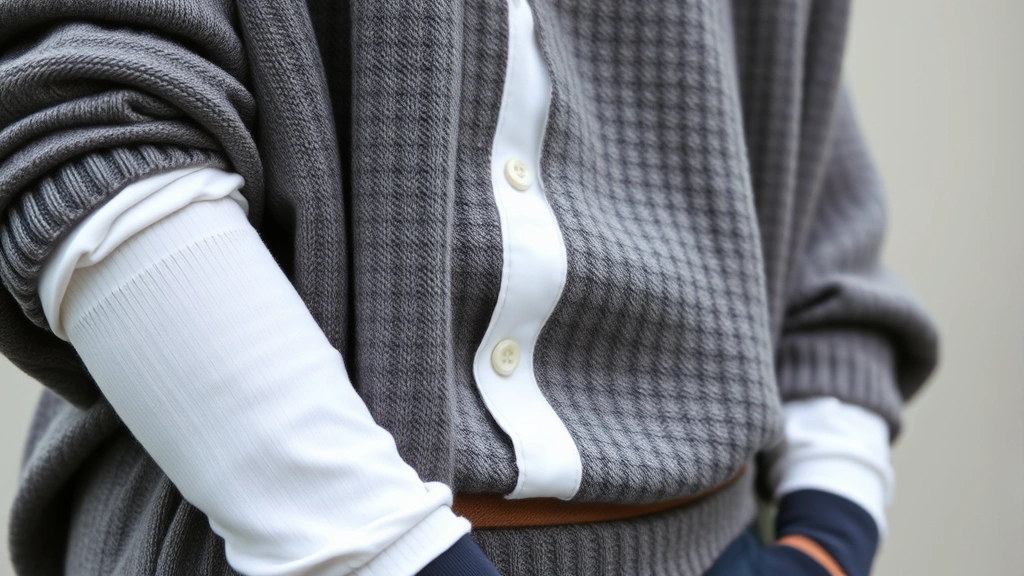
Minimalist layering in 90s male fashion focuses on clean lines and intentional proportions. A fitted white shirt under a chunky knit sweater, paired with tailored trousers and simple sneakers, creates sophisticated 90s style. The key is ensuring each layer complements rather than competes visually.
Thermal shirts in contrasting colors became layering staples in 90s male fashion. A burgundy thermal under a white or gray long-sleeve creates visual interest while maintaining the period aesthetic. Long-sleeve shirts under short-sleeve tees also work beautifully, with contrasting sleeve colors adding subtle style.
When layering for 90s male fashion, remember that oversizing should feel intentional rather than accidental. Each piece should have breathing room without appearing sloppy. The silhouette should suggest that you’ve carefully selected each layer for both style and function.

Practicing these layering techniques transforms basic pieces into authentic 90s male fashion statements. The beauty of layering lies in its versatility—you can adjust your look throughout the day by removing or adding pieces as needed. This practical approach aligns perfectly with the 90s ethos of functional style.
FAQ
What’s the best way to start building a 90s male fashion wardrobe?
Begin with foundational basics: plain t-shirts in neutral colors, a quality pair of jeans in an appropriate 90s silhouette, and comfortable sneakers. Add one flannel shirt and one simple button-up, then gradually incorporate additional pieces as you refine your aesthetic. Shopping vintage and thrift stores accelerates this process while keeping costs manageable.
How can I make 90s male fashion work for professional settings?
Focus on the minimalist 90s aesthetic rather than grunge. Invest in tailored blazers, crisp button-up shirts, and clean-cut trousers in neutral colors. Layer thoughtfully and keep accessories minimal. This approach maintains period authenticity while adhering to workplace dress codes.
Are there specific 90s male fashion brands I should prioritize?
Vintage pieces from original 90s brands carry authenticity: Levi’s, Gap, Tommy Hilfiger, Calvin Klein, and Nike are excellent starting points. Contemporary brands now reproduce authentic 90s styles, but vintage originals offer superior quality and genuine wear patina. Fashion publications regularly feature 90s inspiration for modern interpretations.
How do I avoid looking like I’m wearing a costume?
The key is selectivity and intentionality. Don’t wear every 90s trend simultaneously. Choose a primary aesthetic—either grunge, minimalist, or hip-hop inspired—and commit to it. Mix vintage pieces with contemporary basics to ground your look in present-day context. Confidence in your styling choices prevents a costume-like appearance.
What role does fit play in authentic 90s male fashion?
Fit is absolutely crucial to achieving authentic 90s male fashion. Whether you’re going oversized or fitted, the proportions must feel intentional. Oversized pieces should drape naturally without appearing sloppy, while fitted pieces should allow comfortable movement. Visit a tailor if necessary—proper fit transforms basic pieces into polished statements.
How can I incorporate 90s male fashion into my existing wardrobe?
Start by identifying pieces you already own that align with 90s aesthetics. Plain tees, neutral sweaters, and basic jeans often work perfectly. Add strategic new pieces that bridge your current style with 90s elements. Layer existing pieces differently, experiment with new proportions, and gradually introduce 90s-specific items like flannel or chunky sneakers.
Where should I shop for authentic 90s male fashion pieces?
Thrift stores, vintage boutiques, and online vintage retailers offer genuine 90s pieces. Depop, Vestiaire Collective, and Grailed specialize in vintage menswear. Contemporary brands like Stüssy, Carhartt, and Vans offer authentic reproductions. Style publications regularly feature 90s fashion guides and shopping recommendations.

Related Posts

Perfect Old Fashioned Donut: Baker’s Secrets
Old Fashioned Chocolate Pie Recipe? Chef’s Favorite