70s Makeup Revival? Expert Style Tips
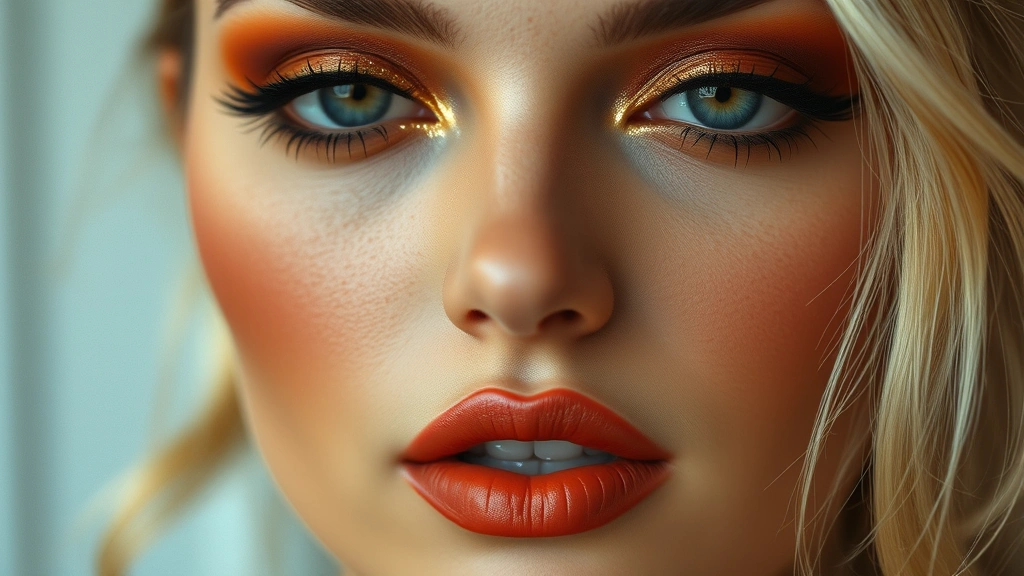
The 1970s are back in a major way, and this time, it’s not just about bell-bottoms and disco fever—it’s about the makeup too. From warm, earthy eyeshadow palettes to bold, graphic eyeliner and that unmistakable groovy aesthetic, 70s makeup is experiencing a full-scale revival that’s captivating beauty enthusiasts everywhere. Whether you’re drawn to the natural, sun-kissed looks of the early 70s or the more avant-garde, glittery vibes of the disco era, there’s something undeniably magnetic about bringing retro makeup techniques into your modern routine.
What makes the 70s makeup trend so compelling today is how it celebrates texture, warmth, and individual expression. Unlike the heavily contoured, Instagram-ready looks that dominated the 2010s, 70s makeup embraces imperfection, softness, and that “I woke up like this” authenticity that modern beauty lovers crave. The best part? You don’t need to commit to a full costume or theme—these techniques work beautifully when incorporated thoughtfully into your everyday makeup routine.
Understanding the 70s Makeup Aesthetic
The 1970s makeup movement wasn’t monolithic—it evolved throughout the decade, reflecting broader cultural shifts and fashion trends. The early 70s embraced a more natural, earthy philosophy influenced by the hippie movement and environmental consciousness. People were thinking about how we define environment and our relationship with nature, and this philosophy extended to makeup choices. Makeup artists favored minimal products, focusing on enhancing natural features rather than masking them.
As the decade progressed, disco culture exploded onto the scene, bringing with it more dramatic, glamorous makeup aesthetics. Suddenly, shimmery eyeshadows, bold graphic liners, and statement-making looks became the norm. Both approaches, however, shared common DNA: warm undertones, emphasis on texture, and a rejection of the heavy, matte makeup trends that had dominated previous decades.
What’s fascinating about the 70s makeup revival is that it encourages experimentation and personal style. There’s no single “right” way to do 70s makeup—it’s about understanding the core principles and adapting them to suit your face, skin tone, and personal aesthetic. The interaction between individual style and broader beauty trends creates a unique space for creative expression.
Essential Color Palettes for the Era
The color story of 70s makeup is perhaps its most distinctive feature. Forget cool-toned, ashy grays and silvers—the 70s was all about warm, rich, earthy tones that felt luxurious and inviting.
Warm Neutrals and Earth Tones: Terracotta, burnt orange, warm brown, bronze, and golden yellow form the foundation of most 70s makeup looks. These colors work beautifully on virtually every skin tone because they’re inherently warm and flattering. The key is finding the right depth and intensity for your specific coloring.
Jewel Tones and Saturated Colors: Emerald green, deep teal, rich plum, and burnt sienna bring drama and sophistication. These colors were particularly popular during the disco era and work wonderfully for evening looks or anyone wanting to make a bold statement.
Metallic and Shimmer Finishes: Gold, bronze, and copper metallics were absolutely everywhere in the 70s. These shimmery, reflective finishes captured light beautifully and created that glamorous disco effect. Modern makeup formulations make achieving this look easier than ever.
Muted Pastels: Soft peach, dusty rose, pale yellow, and muted mauve offered a softer alternative within the 70s aesthetic. These colors were popular for those favoring the gentler, more natural early-70s approach.
Understanding different types of color environments and how they interact with your complexion will help you select the most flattering 70s-inspired palette for your skin.
Eye Makeup Techniques That Define the Decade
The eyes are absolutely central to capturing authentic 70s makeup aesthetics. This era produced several signature eye techniques that remain instantly recognizable.
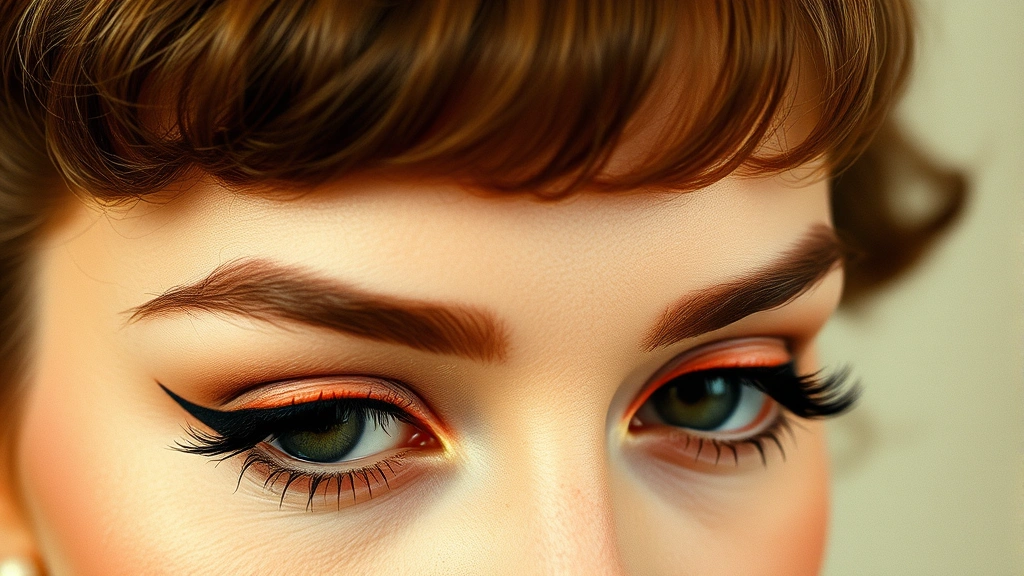
The Graphic Eyeliner: One of the most iconic 70s eye elements is bold, graphic eyeliner. Rather than the subtle, precise wings of modern makeup, 70s eyeliner was often thicker, more heavily applied, and sometimes extended beyond the eye in experimental ways. Winged eyeliner was popular, but so was thick upper-lid lining that created a bold frame. Some looks featured eyeliner on the lower waterline or even creative graphic patterns.
Eyeshadow Application and Blending: 70s eyeshadow was often applied in distinct color blocks rather than seamlessly blended. You might see a warm brown in the crease, a shimmer gold on the lid, and perhaps a contrasting color on the outer corner—all with visible transitions between colors. This wasn’t considered a mistake; it was part of the aesthetic. That said, soft blending was also used, particularly in more natural looks.
The Smokey Eye Evolution: While the smokey eye as we know it today didn’t exist in the 70s, the decade featured plenty of layered, blended eye looks using warm, smoky tones. Warm grays, taupes, and browns were blended together to create depth and drama.
Colored Mascara: Brown and burgundy mascaras were surprisingly popular in the 70s, offering an alternative to traditional black. This created a softer, warmer eye look that felt less harsh than black mascara.
Lower Lash Definition: The 70s paid significant attention to the lower lash line. Whether with eyeliner, eyeshadow, or both, defining and emphasizing lower lashes created that characteristic wide-eyed, open expression.
Lips and Cheeks: The Warm, Natural Approach
While eyes commanded attention, lips and cheeks played equally important roles in completing the 70s makeup look.
Lip Colors and Finishes: The 70s favored warm, earthy lip tones: terracotta, warm coral, burnt orange, warm red, and nude-brown shades. Matte finishes were common, but glossy lips also had their moment, particularly during the disco era. Some looks combined both—a matte lip with a glossy top coat for dimension. The key was finding a lip color that complemented your warm eyeshadow palette rather than contrasting sharply with it.
Cheek Application: Blush in the 70s was applied generously, often with a focus on creating a flushed, natural appearance. Warm peach, coral, and terracotta blushes were favored. Application was typically concentrated on the apples of the cheeks, sometimes blended slightly upward toward the temples. The goal was a healthy, sun-kissed glow rather than the sculpted, high-cheekbone definition that became popular later.
Bronzer and Glow: Before bronzer was a mainstream product, the 70s achieved warmth and dimension through layering warm-toned blushes and using shimmer strategically. A warm, golden shimmer applied to the high points of the face created that coveted glowing effect.
Tools and Products You’ll Need
Creating authentic 70s makeup requires the right tools and product formulations. Here’s what to gather for your 70s beauty kit:
- Eyeshadow Brushes: A fluffy blending brush, a flat shader brush, and a pencil brush for precise application or eyeliner
- Blush and Bronzer Brushes: A large, fluffy brush for blending and a slightly smaller brush for precise placement
- Eyeliner Options: Liquid eyeliner for graphic precision, or a creamy pencil eyeliner for softer definition
- Cream Eyeshadows: These blend beautifully and create that signature 70s texture
- Shimmer and Metallic Eyeshadows: Loose pigments or pressed shadows in gold, bronze, and copper
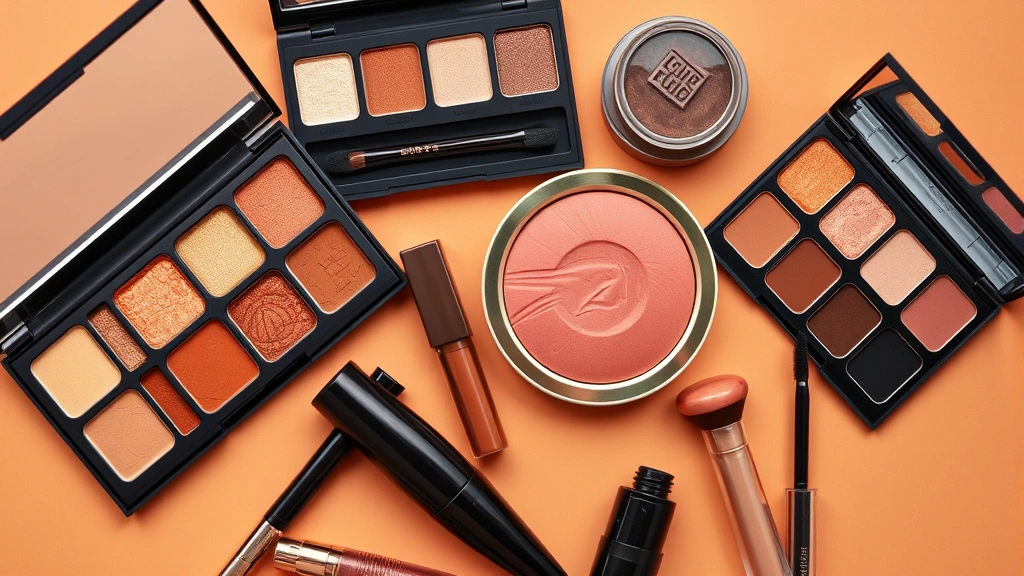
- Warm-Toned Eyeshadow Palettes: Look for palettes dominated by terracotta, warm brown, bronze, and gold shades
- Cream Blush: Easier to apply and blend than powder, creating that natural flush
- Mascara: Black, brown, or burgundy—whichever suits your look
- Lip Products: Both matte and glossy options in warm tones
Quality matters more than quantity. A few excellent products beat a drawer full of mediocre ones. Fashion and beauty publications consistently recommend investing in blendable formulas that allow for the soft, textured application characteristic of 70s makeup.
Adapting 70s Makeup to Modern Skin Tones
One concern many people have about retro makeup trends is whether they’ll work with their specific skin tone. The beautiful truth: 70s makeup is incredibly versatile and flatters all complexions when adapted thoughtfully.
Fair Skin Tones: Warm peach, coral, and light bronze eyeshadows create beautiful contrast. Warm terracotta and coral blushes provide a natural flush. Golden shimmer highlights fair skin beautifully.
Medium Skin Tones: This range can wear virtually the entire 70s color palette. Warm browns, terracotta, burnt orange, and rich golds are particularly stunning. Coral and warm peach blushes create a gorgeous glow.
Deep Skin Tones: Rich jewel tones like emerald, deep plum, and burgundy are absolutely gorgeous on deeper complexions. Warm bronzes, burnt orange, and deep terracotta eyeshadows create dimension. Deeper coral and warm brick-toned blushes provide beautiful contrast and dimension.
The key across all skin tones is maintaining that warm color temperature that defines the 70s aesthetic. Think about how individual choices impact broader trends—your personal adaptation of 70s makeup contributes to the overall evolution of the trend.
Common Mistakes to Avoid
As you explore the 70s makeup revival, watch out for these common pitfalls that can derail your look:
- Using Cool-Toned Products: The biggest mistake is reaching for cool-toned eyeshadows or blushes. Silver, cool gray, and ashy tones will fight against the warm aesthetic that defines this era.
- Over-Blending: While some blending is beautiful, over-blending can erase the textured, multi-color look that’s so characteristic of 70s makeup. Embrace visible color transitions.
- Skipping the Lower Lash Line: Ignoring the lower lash line creates an incomplete look. Even subtle definition here makes a huge difference.
- Using Black Eyeliner Exclusively: While black eyeliner works, brown or even bronze can feel more authentically 70s and often more flattering.
- Applying Too Much Product: 70s makeup is generous, but there’s a difference between generous and heavy. Build color gradually for better control and a more natural finish.
- Forgetting About Texture: The 70s loved texture—shimmer, matte, cream, and powder all working together. Don’t stick to one finish type.
- Neglecting Skin Preparation: Beautiful 70s makeup requires a smooth, well-moisturized base. Prep your skin properly so colors apply evenly and blend beautifully.
Professional makeup artists emphasize that understanding foundational makeup principles helps you execute retro trends more effectively. The techniques haven’t changed—only the aesthetic preferences have.
FAQ
Can I wear 70s makeup to a modern workplace?
Absolutely! The key is adapting intensity to context. A warm, neutral eyeshadow palette with subtle eyeliner works beautifully for professional settings. Save the bold graphic liner and shimmer for evenings and weekends if you prefer a more conservative work aesthetic. Many people successfully incorporate 70s-inspired warm tones into their everyday makeup without it reading as costume-y.
What’s the best way to achieve that authentic 70s shimmer?
Cream eyeshadows or loose shimmer pigments applied with a damp brush create the most authentic 70s shimmer. Modern pressed shimmer shadows also work beautifully. Apply to the center of the lid or inner corner for a subtle effect, or use it more liberally for a disco-inspired look. The key is choosing warm-toned shimmer (gold, bronze, copper) rather than cool metallics.
How do I prevent 70s makeup from looking dated rather than trendy?
Focus on skin quality and modern grooming. Flawless skin, well-groomed brows, and clean, healthy-looking hair make any makeup look current. Also, keep your overall aesthetic balanced—if you’re doing bold 70s eye makeup, consider toning down your lip color, and vice versa. Mixing retro makeup with modern clothing and styling creates an intentional, fashion-forward look rather than an accidental costume vibe.
Are there specific eyebrow styles that complement 70s makeup?
The 70s featured fuller, more natural brows compared to the heavily plucked eyebrows of the 1980s and 90s. A natural, slightly fuller brow shape works beautifully with 70s makeup. You don’t need to grow your brows out dramatically—just maintain a soft, natural arch rather than a severe, high arch.
What’s the difference between early 70s and disco-era makeup?
Early 70s makeup was more natural and minimal, emphasizing natural features with warm, earthy tones and less shimmer. Disco-era (mid-to-late 70s) makeup was more dramatic, featuring bold eyeliner, significant shimmer, and more saturated colors. Both are valid interpretations of “70s makeup”—choose based on your personal preference and the occasion.
Can men wear 70s makeup?
Absolutely. The 70s saw significant experimentation with makeup across gender lines, and that spirit of creative expression is alive today. Whether you’re interested in subtle warm eyeshadow, graphic eyeliner, or fuller 70s looks, the techniques and color principles apply regardless of gender. Many modern makeup artists and beauty influencers celebrate gender-neutral approaches to makeup inspired by this era.

Related Posts
Perfect Old Fashioned Donut: Baker’s Secrets
Old Fashioned Chocolate Pie Recipe? Chef’s Favorite