70s Disco Makeup Trends: Expert Tips
70s Disco Makeup Trends: Expert Tips for Glamorous Retro Looks
The 1970s disco era brought an explosion of bold, fearless makeup trends that continue to inspire beauty enthusiasts today. From shimmering eyeshadow palettes to dramatic winged eyeliner and luminous skin, disco makeup was all about making a statement on the dance floor. Whether you’re preparing for a themed party, creating content for your beauty blog, or simply want to explore retro glamour, understanding authentic 70s disco makeup techniques is essential for nailing this iconic look.
Disco makeup was revolutionary because it rejected minimalism in favor of maximum impact. Performers and partygoers embraced iridescent pigments, bold colors, and techniques that caught light from every angle. The disco ball aesthetic wasn’t just about fashion—it was a complete beauty philosophy that celebrated self-expression, confidence, and unapologetic glamour. Today’s makeup artists frequently reference 70s disco inspiration when creating editorial looks, festival makeup, and vintage-themed photoshoots.
Essential Disco Eyeshadow Techniques
Eyeshadow was the focal point of 70s disco makeup, and understanding proper application techniques is crucial for recreating authentic looks. The disco era celebrated metallics, shimmers, and iridescent finishes that reflected light beautifully under the dance floor’s strobes and mirrors. Professional makeup artists recommend starting with a quality eyeshadow primer to ensure longevity throughout a night of dancing and movement.
The classic disco eyeshadow approach involves layering multiple shades to create dimension and depth. Begin with a neutral base shade across the entire lid—think cream, beige, or soft gold—to create a smooth canvas. According to Allure Magazine, the key to authentic 70s makeup is understanding color theory and how different pigments interact under various lighting conditions. Apply a deeper shade in the crease using a fluffy blending brush, creating a soft transition that adds definition without looking harsh.
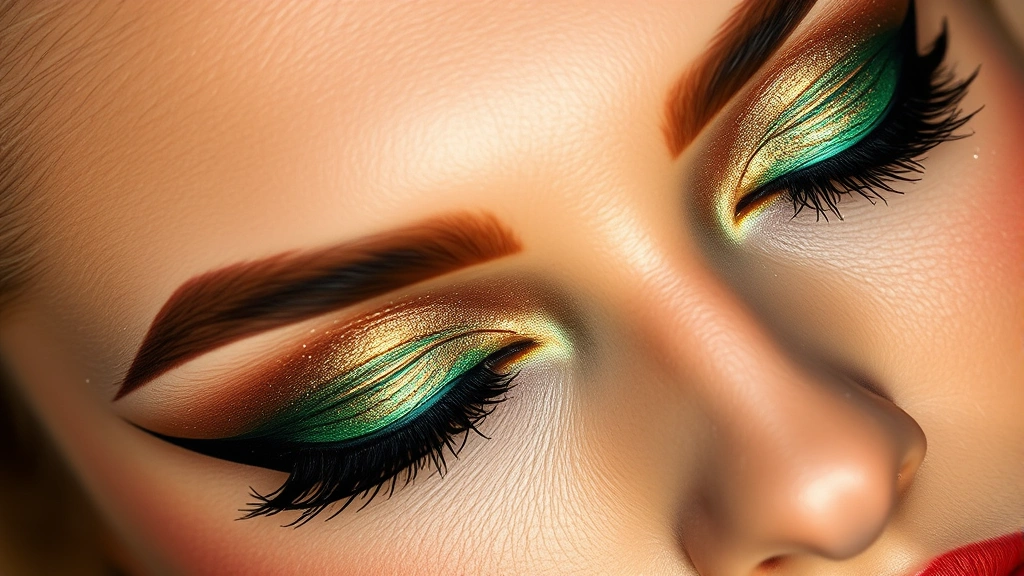
The lid itself deserves the most glamorous treatment. Use highly pigmented, shimmery eyeshadows in jewel tones—emerald green, sapphire blue, rich purple, or warm bronze. Apply these with a flat shader brush, packing the color onto the lid for maximum intensity. The disco aesthetic thrived on boldness, so don’t be shy with pigment application. Many makeup artists of the 70s used loose pigments and eyeshadow creams rather than pressed powders, which created a more dimensional, almost wet appearance that’s highly coveted today.
Blending is essential, but not in the modern sense of creating seamless gradients. Instead, 70s disco makeup often featured distinct color blocks with softer transitions. The under-eye area and inner corner received special attention—these areas were often highlighted with the brightest shimmer to create an eye-opening effect. Consider applying a touch of highlighter or light shimmer to the inner corner and brow bone for that authentic disco sparkle.
Perfecting the Iconic Winged Eyeliner
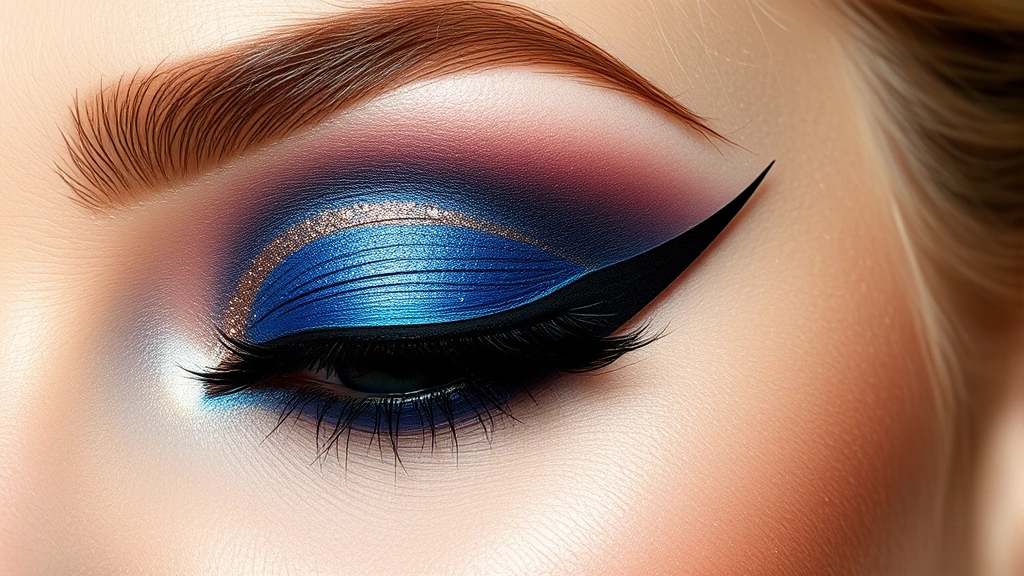
No 70s disco makeup look is complete without dramatic winged eyeliner. This wasn’t the thin, precise wing of modern cat-eye makeup—disco wings were bolder, thicker, and often extended further from the eye. Understanding the historical context helps you execute this technique authentically and confidently.
Start by lining the upper lash line with a dark liquid or gel eyeliner, keeping the line relatively close to the lashes. The disco wing extends from the outer corner of the eye, angling upward and outward at approximately 45 degrees. The thickness of your wing should be substantial—aim for a line that’s at least 3-4mm at its thickest point. This boldness is what distinguished 70s disco eyeliner from other eras’ interpretations.
The wing should extend beyond the outer corner of your eye, creating a graphic, almost geometric effect. Some disco makeup enthusiasts extended their wings all the way to the temple. The key is confidence—hesitant, thin lines don’t capture the spirit of disco makeup. Practice on multiple days before a special event to build muscle memory and steady hand control.
For the lower lash line, options varied during the 70s. Some looks featured a thin line of eyeliner along the entire lower lash line, while others used only a subtle smudge in the outer corner to echo the upper wing. Experiment to find what flatters your eye shape. If you prefer a softer effect, use a dark eyeshadow and a small brush to create a more blended lower-line definition. Remember that disco makeup was about expressing individual style rather than following rigid rules.
Achieving That Coveted Disco Glow
The skin was a canvas in 70s disco makeup, and achieving that signature luminous, glowing complexion required specific techniques and products. The disco aesthetic celebrated dewy, reflective skin that caught and bounced light in multiple directions—essential for looking radiant under the era’s characteristic disco ball lighting.
Foundation application differed significantly from modern standards. Rather than seeking a perfectly matte or natural finish, disco makeup artists aimed for a subtle sheen that suggested health and vitality. Choose a foundation with light-reflecting properties or mix your regular foundation with a small amount of highlighter or luminizing primer. Apply foundation to the entire face, blending carefully along the jawline and hairline.
Highlighter placement was strategic and generous. Apply highlighter to the high points of the face—cheekbones, brow bones, the bridge of the nose, and the cupid’s bow. The disco era loved an almost wet appearance, so don’t be timid with highlighter application. Many makeup artists used cream or liquid highlighters that created a more dimensional, glass-skin effect compared to powder formulations. According to Vogue Beauty, the trend toward luminous skin has roots in 70s disco makeup philosophy.
Setting spray is your friend when creating disco makeup. A light mist of setting spray over the entire face—including over foundation and before blush application—helps create that coveted dewy finish while ensuring longevity. The disco setting spray should enhance rather than mattify, so choose formulations specifically designed for luminous finishes.
Bold Lip Colors and Finishes
Lips in 70s disco makeup ranged from nude to deep jewel tones, but the common thread was always finish and intensity. The disco aesthetic rejected subtle lips in favor of statement-making color that coordinated with the overall eye makeup look.
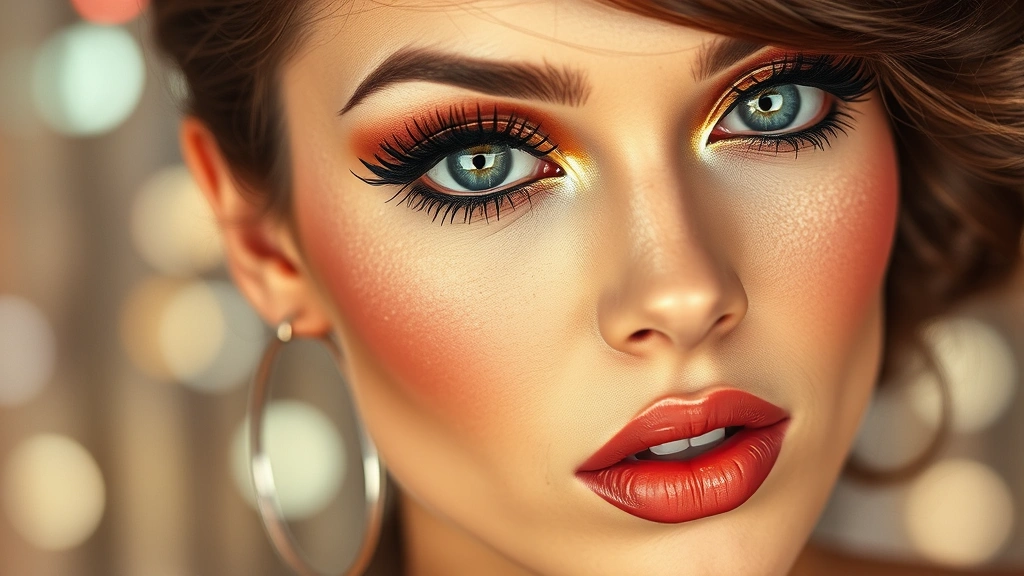
Nude and brown tones were surprisingly popular during the 70s disco era, but these weren’t pale, washed-out nudes—they were rich, warm, and often had a bronze or peachy undertone. These neutral lip choices allowed the eyes to remain the focal point while still creating a cohesive, finished look. Pair warm nude lips with bronze and gold eyeshadow for an elegant disco interpretation.
For bolder lip choices, consider deep burgundy, wine, plum, or even metallic finishes. Metallic lipsticks, while challenging to wear, were absolutely embraced during the 70s. Gold, bronze, and copper metallic lips paired beautifully with coordinating eyeshadow for a completely unified, head-to-toe disco moment. If metallic lipstick feels too extreme, try a metallic lip gloss over a cream or satin lipstick for easier wearability.
Application technique matters for authentic 70s disco lips. Use a lip liner in a matching or slightly darker shade to define the lip shape. The disco era generally favored fuller-looking lips, so don’t be afraid to slightly overline if it flatters your natural lip shape. Apply lipstick with a brush for precision and even coverage. Finish with a glossy topcoat or lip gloss for that signature disco shine.
The key to successful disco lip color is choosing shades that complement your skin tone and coordinate with your eyeshadow choices. A makeup artist specializing in retro beauty trends will tell you that color harmony across the entire face creates the most impactful disco look.
Blush and Bronzer Application
Blush in 70s disco makeup served multiple purposes—adding dimension to the face, creating a healthy glow, and contributing to the overall color story. The disco aesthetic favored noticeable blush that suggested both health and glamour.
Choose blush shades that complement your skin tone and coordinate with your eyeshadow. Warm skin tones pair beautifully with peach, coral, warm pink, and bronze blushes. Cool skin tones are flattered by cool pinks, mauves, berry shades, and cool-toned bronzers. Apply blush to the apples of the cheeks using a fluffy brush, blending upward toward the temples. The disco approach to blush was generous—aim for a visible flush that suggests vitality without appearing clownish.
Bronzer played an important role in creating dimension and warmth. A light bronzer applied to the hollows of the cheeks, along the jawline, and across the temples added subtle contouring and warmth to the face. The disco era didn’t embrace harsh contouring like modern makeup trends—instead, bronzer created a subtle warmth and dimension that enhanced the face’s natural structure.
The combination of blush and bronzer created the foundation for that coveted disco glow. When applied correctly, these products work together to create a three-dimensional, luminous appearance that photographs beautifully and looks stunning under disco lighting. Practice blending to ensure smooth transitions between products.
Complete Disco Makeup Look Breakdown
Creating an authentic 70s disco makeup look requires understanding how all the elements work together. Let’s break down a complete look from start to finish, incorporating all the techniques discussed above.
Step 1: Preparation and Base
Begin with well-moisturized skin and a hydrating primer. Apply eyeshadow primer to the eyelids and allow it to set for one minute. Apply foundation using a damp beauty sponge, building coverage as needed. Set with translucent powder only where necessary—disco makeup emphasized luminosity, so avoid over-powdering the entire face.
Step 2: Eye Makeup
Apply a neutral base shade across the entire lid. Using a fluffy blending brush, apply a deeper shade in the crease, blending carefully. Pack a shimmery jewel-tone shade onto the lid using a flat shader brush. Apply the brightest shimmer to the inner corner and brow bone. Line the upper lash line with a bold winged eyeliner, extending the wing outward and upward. Apply mascara generously to upper and lower lashes.
Step 3: Face Contouring
Apply bronzer to the hollows of the cheeks and along the jawline, blending carefully. Apply blush to the apples of the cheeks, blending upward. Apply highlighter to the high points of the face—cheekbones, brow bones, nose bridge, and cupid’s bow. Mist lightly with setting spray.
Step 4: Lips
Line lips with a matching or slightly darker lip liner. Apply lipstick with a brush for precise coverage. Finish with a glossy topcoat or lip gloss. Add a final mist of setting spray over the entire face.
This complete approach creates an authentic 70s disco makeup look that’s both historically accurate and flattering for modern faces. The key is balancing boldness with wearability—disco makeup was dramatic, but it should still enhance your natural beauty.
FAQ
What eyeshadow colors are most authentic for 70s disco makeup?
Jewel tones like emerald green, sapphire blue, rich purple, and warm bronze are most authentic. Gold, copper, and bronze metallics were also extremely popular. The key is choosing highly pigmented, shimmer-finish eyeshadows that reflect light beautifully.
Can I wear 70s disco makeup for everyday occasions?
Absolutely! You can dial back the intensity for everyday wear. Use slightly less pigment, choose more neutral undertones, and apply a lighter hand with eyeliner. Many elements of 70s disco makeup—like luminous skin, bold brows, and colorful eyeshadow—work beautifully in modern everyday looks.
What’s the best way to remove disco makeup?
Use a gentle makeup remover or cleansing oil to dissolve shimmer and metallic products. Follow with a regular facial cleanser and moisturizer. The heavy pigmentation and shimmer of disco makeup requires thorough but gentle removal to protect your skin.
How do I make my disco makeup last all night?
Use quality primers on both the face and eyelids. Choose long-wearing formulas for eyeshadow and eyeliner. Set makeup with setting spray rather than powder for that luminous finish. Reapply lipstick and gloss throughout the evening as needed.
Are false lashes necessary for authentic 70s disco makeup?
While false lashes were popular during the 70s, they’re not absolutely necessary. Heavy mascara application on natural lashes can achieve an impactful look. If you choose false lashes, opt for fuller, more dramatic styles that match the bold aesthetic of disco makeup.
How does 70s disco makeup differ from other retro makeup eras?
The 70s disco era emphasized shimmer, luminosity, and boldness more than other decades. While 60s makeup focused on graphic eyeliner and mod aesthetics, and 80s makeup embraced bold colors and sharp edges, 70s disco makeup celebrated reflective, dimensional finishes and generous applications of color and shimmer.

Related Posts

Perfect Old Fashioned Donut: Baker’s Secrets
Old Fashioned Chocolate Pie Recipe? Chef’s Favorite