How to Style 1950s Dresses? Vintage Expert Tips
How to Style 1950s Dresses: Vintage Expert Tips
The 1950s remain one of fashion’s most iconic decades, and for good reason. The silhouettes, the elegance, and the timeless appeal of 1950s fashion dresses continue to captivate style enthusiasts today. Whether you’ve inherited a vintage piece from your grandmother’s closet or purchased a reproduction dress online, styling it authentically requires understanding the era’s key elements: the structured silhouettes, the attention to detail, and the polished femininity that defined post-war fashion.
This guide will walk you through everything you need to know about styling 1950s dresses like a vintage expert. From selecting the right undergarments to choosing complementary accessories, we’ll cover the techniques that make these dresses truly shine. The beauty of 1950s fashion lies not just in the garment itself, but in how you present it—the shoes you pair it with, the jewelry you choose, and the overall attitude you bring to wearing it.
Understanding 1950s Silhouettes and Dress Types
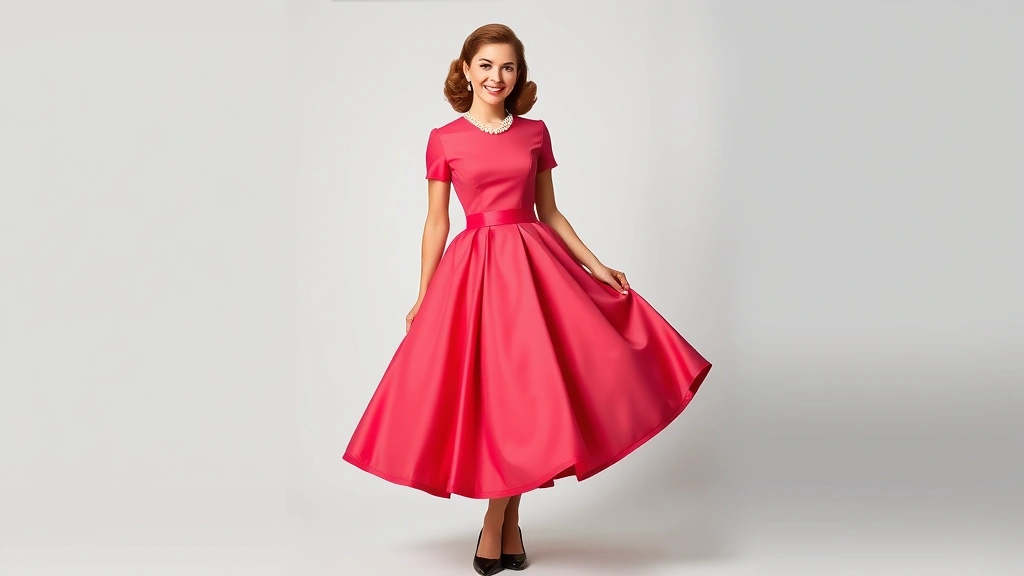
The 1950s introduced several distinctive dress silhouettes that remain instantly recognizable. The most famous is the full-skirted dress, popularized by designers like Christian Dior and his “New Look” collection. These dresses typically feature a fitted bodice with a nipped waist and a voluminous skirt that falls to the knee or just below, creating an hourglass figure that epitomized feminine beauty of the era.
Another popular style is the sheath dress, a more streamlined silhouette that hugs the body while maintaining elegance and sophistication. Sheath dresses were often worn by professional women and those attending cocktail events. The fit-and-flare dress bridges these two styles, offering a fitted bodice with a moderately flared skirt that’s less voluminous than the full circle skirt but more dynamic than a sheath.
Understanding which type of 1950s dress you own is crucial for styling it properly. A ball gown-style dress requires different accessories and attitude than a simple day dress or a sophisticated cocktail number. When exploring sustainable fashion brands, you’ll notice many now offer vintage-inspired pieces that capture these classic silhouettes while using modern, eco-conscious materials.
The Foundation: Essential Undergarments
No 1950s dress looks authentic without the proper undergarments. The foundation garments of this era were specifically designed to create the silhouettes that made these dresses so striking. Understanding and investing in the right undergarments is non-negotiable if you want to achieve that authentic 1950s aesthetic.
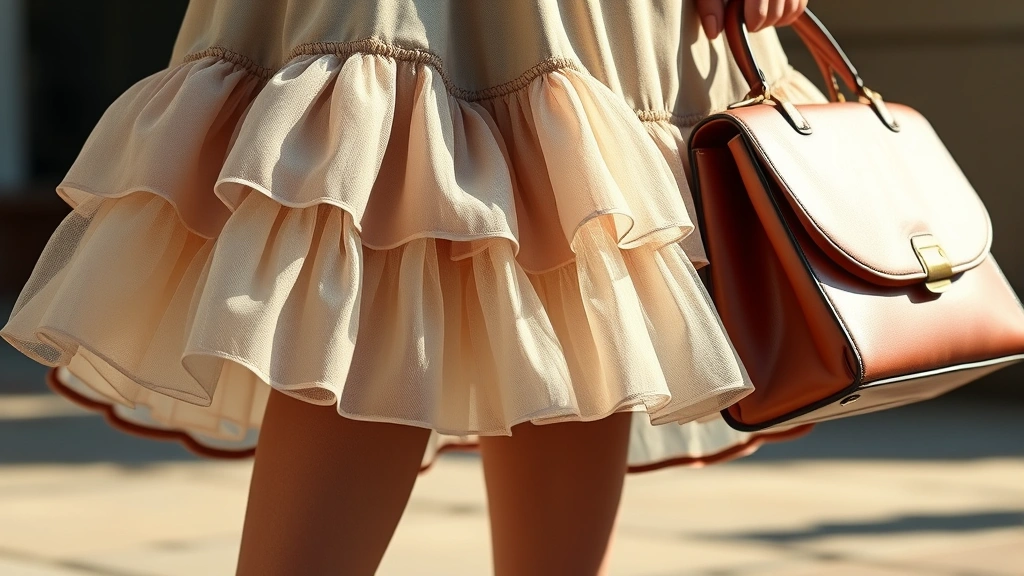
Petticoats and Crinolines are absolutely essential for full-skirted dresses. A quality petticoat adds volume and structure to your skirt, creating that signature bell shape. For dresses with particularly full skirts, a crinoline (a stiffer, more structured petticoat) works best. These undergarments typically have layers of tulle or netting that create the dramatic volume characteristic of the decade. Without proper petticoats, even an authentic vintage dress will look limp and lose its intended silhouette.
Girdles and Corsets create the smooth, controlled waistline that 1950s fashion demanded. A girdle smooths the stomach and hips while creating a defined waist. For dresses with especially fitted bodices, a light corset or waist cincher can help achieve that extreme hourglass figure. Modern shapewear can replicate this effect if authentic vintage girdles feel too restrictive.
Stockings complete the foundation. Nylon stockings with seams running down the back were standard during the 1950s. If you’re wearing a vintage dress, seamed stockings are essential for authenticity. Pair them with garter belts to keep them in place, adding another layer of period-accurate styling.
Footwear That Completes Your Look
Shoes in the 1950s were designed to elongate the leg and complement the feminine silhouettes of the era. The most iconic 1950s shoe is the kitten heel—a modest heel of about two inches that was comfortable enough for everyday wear yet elegant enough for special occasions. These heels typically featured closed toes and came in neutral colors like black, white, red, or nude.
For formal occasions, pumps with slightly higher heels (three to three-and-a-half inches) were preferred. Mary Jane pumps with a strap across the instep were particularly popular and work beautifully with full-skirted dresses. The strap adds a charming, slightly playful element that’s quintessentially 1950s.
Saddle shoes—two-tone leather shoes with a contrasting saddle across the instep—were popular for casual and daytime wear. These work particularly well with cotton day dresses and give an approachable, girl-next-door vibe. Ballet flats also appeared in the 1950s and offer a comfortable alternative for casual styling.
The color of your shoes should complement both your dress and your overall color palette. Nude shoes elongate the leg and work with almost any dress color. Red shoes add drama and personality. Black provides sophistication and works with virtually any color combination. Consider the occasion and the overall mood you’re trying to create when selecting your footwear.
Jewelry and Accessories for Authentic Style
1950s jewelry was bold, glamorous, and designed to draw attention. Understanding the jewelry trends of this era helps complete your vintage look authentically.
Necklaces ranged from delicate pearls to statement pieces. Pearl strands were incredibly popular and work beautifully with almost any 1950s dress. Choker-style necklaces sat close to the neck and created an elegant, elongating effect. For more dramatic looks, bib necklaces and chandelier styles added glamour and sophistication.
Bracelets and Brooches added personality and polish. Wide bangle bracelets were worn in groups, often in gold or with rhinestones. Brooches—especially those with figural designs or gemstone detailing—were pinned to bodices, collars, or waistlines. A well-placed brooch can instantly elevate a simple dress and add that finishing touch of 1950s elegance.
Earrings were typically clip-on styles (pierced ears were less common in the early 1950s). Chandelier earrings, pearl studs, and hoops all appeared during the decade. Your choice should complement your hairstyle—if you’re wearing your hair up, more dramatic earrings work beautifully. If your hair is down and framing your face, simpler styles prevent visual clutter.
Handbags were structured and polished. Small, boxy handbags with metal frames were popular for evening wear. Larger structured bags with handles worked for daytime and casual occasions. Patent leather, smooth leather, and textured fabrics all appeared in 1950s designs. The bag should complement your shoe color and overall palette.
For a deeper dive into how fashion choices impact our world, explore how humans affect the environment through fashion consumption and consider investing in quality vintage pieces rather than fast fashion alternatives.
Hairstyles and Makeup to Match Your Dress
Your hair and makeup are just as important as your dress when creating an authentic 1950s look. The decade had very specific beauty standards that complemented the fashion silhouettes.
Popular 1950s Hairstyles included the victory rolls, pin curls, and soft waves. The most iconic hairstyle was the poodle cut—a short, curly style that required regular professional setting. For those with longer hair, rolled waves created volume and elegance. Half-up styles combined the volume of full curls with the sophistication of an updo. Ponytails, often high on the head with a decorative scarf or ribbon, offered a playful alternative.
The key to authentic 1950s hair is volume and control. Modern hair products like volumizing mousse and light hairspray can help recreate these styles without damaging your hair. Consider visiting a salon experienced in vintage styling for special occasions—professionals understand how to achieve these looks authentically.
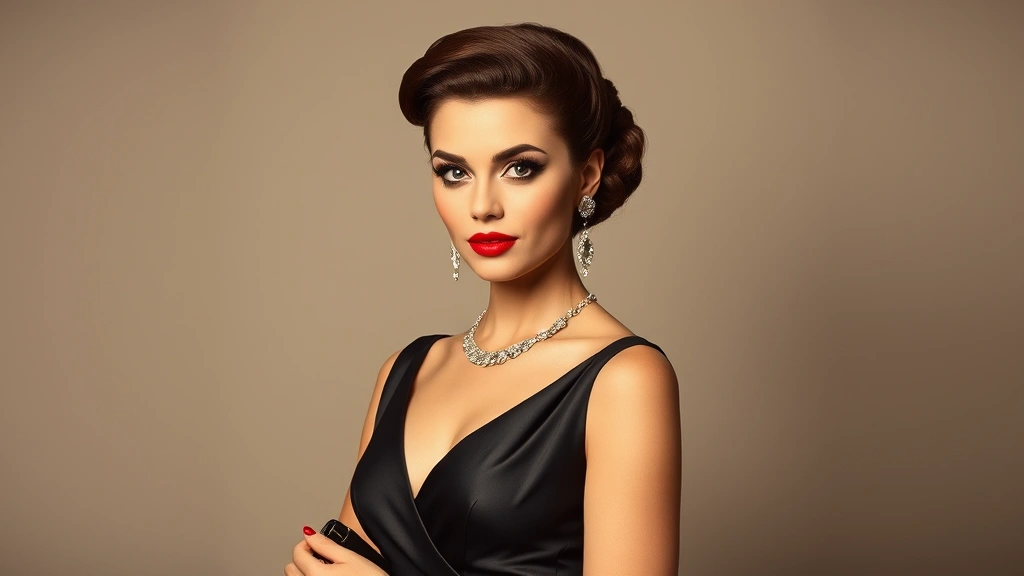
Makeup Techniques focused on creating a youthful, polished appearance. Foundation was applied smoothly and evenly, creating a porcelain-like base. Eyes were defined with winged eyeliner—a technique that’s experiencing a major revival in modern makeup. Eyeshadow was typically neutral or pastel, applied to the lid and blended upward. Mascara was applied generously to create dramatic, separated lashes.
Lips were the focal point of 1950s makeup. Bright reds, corals, and pinks were standard. Lipstick was applied with precision using a lip liner, and many women carried their lipstick for touch-ups throughout the day. Blush was applied to the apples of the cheeks, creating a youthful, healthy flush. Brows were typically thin and arched, though modern beauty standards have shifted toward fuller brows.
According to Allure Magazine, vintage makeup techniques are having a major moment in contemporary beauty, with makeup artists frequently drawing inspiration from 1950s aesthetics for both editorial and bridal work.
Outerwear and Layering Techniques
Completing your 1950s ensemble often requires appropriate outerwear. The 1950s offered several options that maintain the era’s elegance and femininity.
Cardigans and Sweaters were worn over dresses for casual occasions. Cropped cardigans that hit at the waist worked beautifully with full-skirted dresses, maintaining the silhouette while adding warmth and a preppy element. Angora and cashmere sweaters were luxurious options for those who could afford them. Pastel colors like pink, white, and baby blue were particularly popular.
Jackets and Blazers added sophistication for more formal occasions. Tailored blazers with nipped waists complemented the feminine silhouettes of 1950s dresses. Cropped jackets that ended at the waist or slightly below created elegant proportions. Structured fabrics like wool and linen held their shape beautifully.
Coats ranged from practical wool coats for winter to lightweight spring coats. Full coats with nipped waists and peplum details echoed the dress silhouettes underneath. Shorter, cropped coats created a chic, modern look for the era. Fur collars and cuffs added luxury and glamour to special occasion coats.
Stoles and Wraps were perfect for formal occasions. Faux fur stoles draped elegantly over the shoulders, adding drama and warmth. Lightweight wraps in silk or satin worked beautifully for evening wear. These accessories added the finishing touch to formal 1950s ensembles.
Styling for Different 1950s Occasions
Different occasions called for different styling approaches in the 1950s. Understanding these distinctions helps you style your dress appropriately.
Casual Daytime Wear focused on comfort and practicality while maintaining polish. Cotton print dresses with simple silhouettes worked beautifully for everyday occasions. Pair them with flat shoes or low heels, minimal jewelry, and a structured handbag. A cardigan or lightweight jacket adds functionality. Hair could be in a simple ponytail or soft waves, and makeup could be lighter and more natural.
Office and Professional Settings required tailored, sophisticated styling. Sheath dresses or simple fit-and-flare styles in neutral colors worked perfectly. Pair with a blazer, simple jewelry like pearl studs or a delicate necklace, and professional pumps. A structured handbag in black or neutral tones completed the look. Hair should be neatly styled, and makeup should be polished but professional.
Cocktail and Evening Events were opportunities to showcase glamour. Full-skirted dresses in jewel tones or metallics, paired with dressy heels, statement jewelry, and an elegant handbag created showstopping looks. Hair could be styled in elaborate waves or an elegant updo. Makeup should be dramatic with defined eyes and bold lips. A stole or wrap added the final touch of sophistication.
Formal and Black-Tie Events called for the most glamorous styling. Ball gown-style dresses in luxurious fabrics like silk or satin, paired with heeled pumps, chandelier earrings, and sophisticated updos created elegant formal looks. Minimal but high-quality jewelry, such as a pearl strand or diamond studs, added luxury without overwhelming the look. A fur stole or evening wrap completed the ensemble.
Casual Social Gatherings like picnics or informal parties allowed for more playful styling. Shorter, simpler dresses in bright colors or fun prints worked beautifully. Saddle shoes or flats provided comfort. A lightweight cardigan or denim jacket added a relaxed element. Hair could be in a ponytail or half-up style with a decorative scarf or ribbon. Makeup could be fresh and youthful with emphasis on a bright lip color.
When considering building a vintage wardrobe, understanding the definition of environment in science and how fashion choices affect our surroundings makes sustainable choices important. Investing in quality vintage pieces is inherently more sustainable than constantly purchasing new fast fashion items.
According to Vogue, vintage fashion has become increasingly mainstream, with fashion editors and stylists regularly incorporating authentic 1950s pieces into contemporary looks. The key is understanding the rules of the era well enough to know when and how to break them for modern sensibilities.
FAQ
What’s the best way to find authentic vintage 1950s dresses?
Authentic vintage 1950s dresses can be found through specialized vintage boutiques, online platforms like Etsy and Vestiaire Collective, estate sales, and thrift stores. Look for period-appropriate labels, construction techniques, and fabric content. Reproduction dresses from modern brands designed to replicate 1950s styles are also excellent options if you prefer new garments. When shopping, pay attention to sizing—1950s sizing differs significantly from modern sizing.
How do I care for and preserve a vintage 1950s dress?
Vintage dresses require gentle care. Hand wash delicate fabrics like silk or satin in cool water with mild detergent, or opt for professional dry cleaning. Store dresses on padded hangers in a cool, dark closet away from direct sunlight to prevent fading. Use acid-free tissue paper to stuff sleeves and bodices to maintain shape. Keep mothballs or cedar chips nearby to protect against insects. Avoid folding vintage dresses when possible, as this can create permanent creases.
Can I wear a 1950s dress to modern events?
Absolutely! 1950s dresses work beautifully for modern occasions when styled appropriately. A full-skirted dress can work for casual events, weddings, or parties. Sheath dresses transition well to professional settings. The key is balancing vintage elements with modern pieces—pairing a 1950s dress with contemporary shoes, modern jewelry, and current hairstyles creates an interesting, fashion-forward look that honors the dress’s heritage while feeling current.
What if I’m not comfortable wearing petticoats or girdles?
Modern shapewear can replicate the smoothing effects of girdles without the restrictiveness. For skirt volume, you can use shorter tulle petticoats that provide shape without creating an extremely full silhouette. You can also style 1950s dresses without traditional undergarments—the dress will have a different silhouette, but it can still look beautiful and appropriate. Comfort should always be a priority when wearing vintage fashion.
How do I style a 1950s dress if I have a modern body type that doesn’t match era ideals?
Fashion should be inclusive and celebrate all body types. 1950s dresses can be styled beautifully on any figure. Focus on finding styles that make you feel confident—if you love full skirts, embrace them regardless of your body shape. If sheath dresses feel better, wear those instead. Undergarments can be adjusted to create the silhouette that makes you most comfortable. Modern styling with contemporary elements can balance the vintage dress in ways that feel authentic to your personal style.
Are there specific colors that work best for 1950s styling?
The 1950s embraced a wide range of colors. Pastels like pink, mint green, and baby blue were incredibly popular. Bold colors like red, navy, and black provided sophistication and drama. Jewel tones like emerald, sapphire, and ruby appeared in evening wear. Neutral colors like white, cream, and gray worked for both casual and formal occasions. Choose colors that complement your skin tone and personal style rather than limiting yourself to specific era-appropriate shades.

Related Posts

Perfect Old Fashioned Donut: Baker’s Secrets
Old Fashioned Chocolate Pie Recipe? Chef’s Favorite