1920s Makeup Trends? A Beauty Historian’s Insight
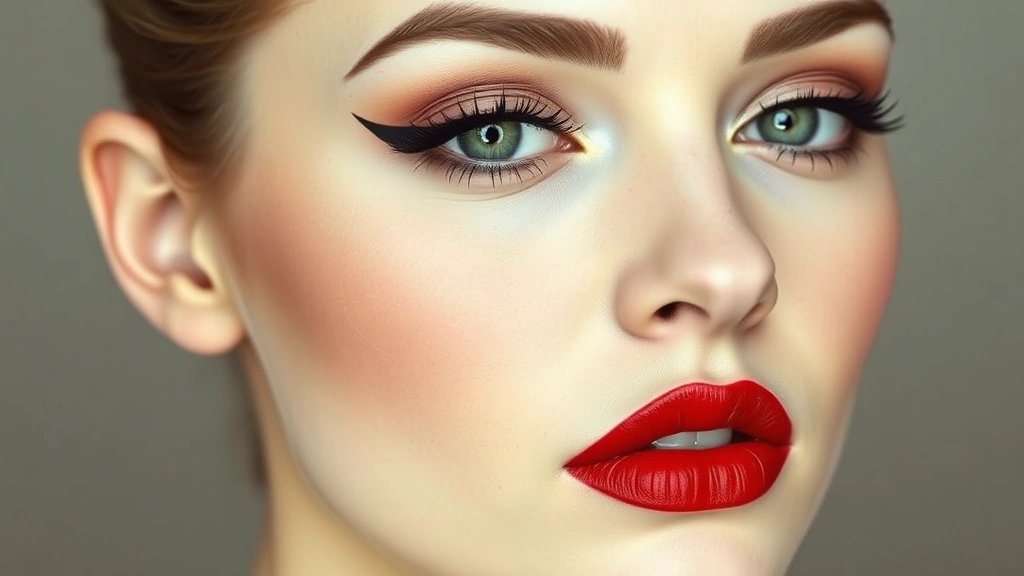
The 1920s weren’t just about flapper dresses and jazz—they revolutionized beauty standards in ways that still influence makeup today. This era, often called the Roaring Twenties, marked a dramatic shift in how people, especially women, approached cosmetics and personal grooming. Gone were the pale, ghostly complexions of the Victorian era; in came bold lips, defined eyes, and a celebration of modern femininity that challenged every beauty convention that came before it.
As a beauty historian, I’ve spent years studying how the 1920s transformed makeup from a taboo practice into an essential part of self-expression. The decade introduced techniques, products, and attitudes toward cosmetics that shaped the entire beauty industry. Understanding this pivotal period helps us appreciate why certain makeup trends keep cycling back and why the 1920s aesthetic remains perpetually fashionable.
What’s fascinating is how sustainable fashion and beauty movements today echo the individualism of the 1920s. Both periods celebrate breaking free from restrictive norms and expressing personal style boldly.
The Social Context: Why Makeup Exploded in the 1920s
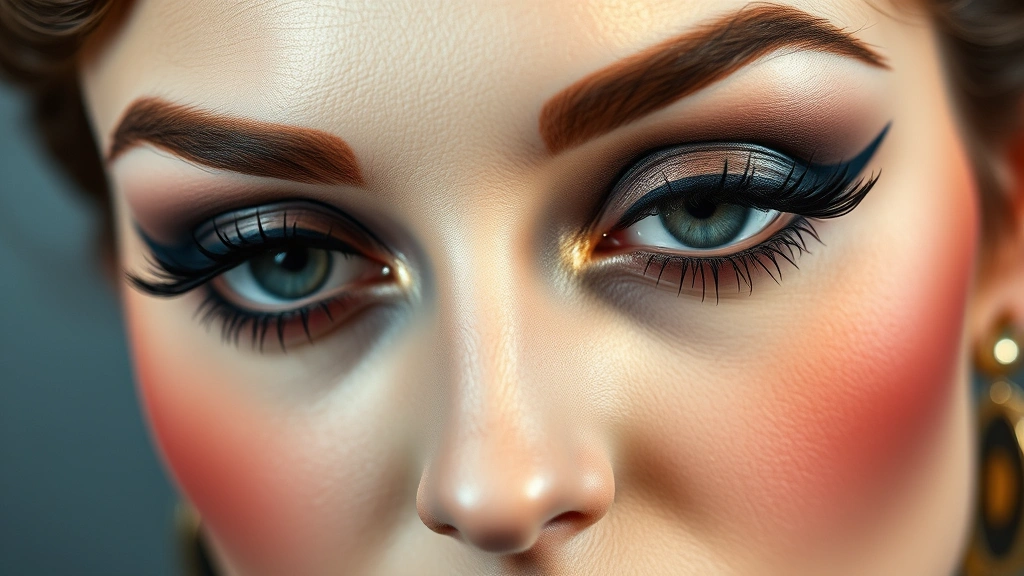
The 1920s represented unprecedented freedom and rebellion, particularly for women. Post-World War I society was shifting dramatically. Women had gained the right to vote, entered the workforce in larger numbers, and rejected Victorian constraints on dress and behavior. This cultural liberation directly translated to makeup adoption.
Before the 1920s, wearing cosmetics was often associated with actresses, performers, or women of questionable reputation. Respectable women didn’t wear makeup—or at least, they weren’t supposed to admit they did. The 1920s shattered this stigma entirely. Makeup became a symbol of modernity, independence, and youth. Young women called “flappers” embraced cosmetics as part of their rebellion against their parents’ generation.
The beauty industry exploded during this period. Companies like Maybelline and Pond’s launched aggressive advertising campaigns targeting young women directly. These ads portrayed makeup not as vanity but as confidence, sophistication, and forward-thinking femininity. For the first time, major beauty brands invested heavily in educating consumers about makeup application techniques.
This democratization of beauty meant that makeup was no longer exclusively for the wealthy or theatrical performers. Department stores began carrying affordable cosmetics, and women’s interactions with consumer culture fundamentally changed. The 1920s woman could purchase the same products as celebrities and movie stars.
The Iconic 1920s Eye: Technique and Products
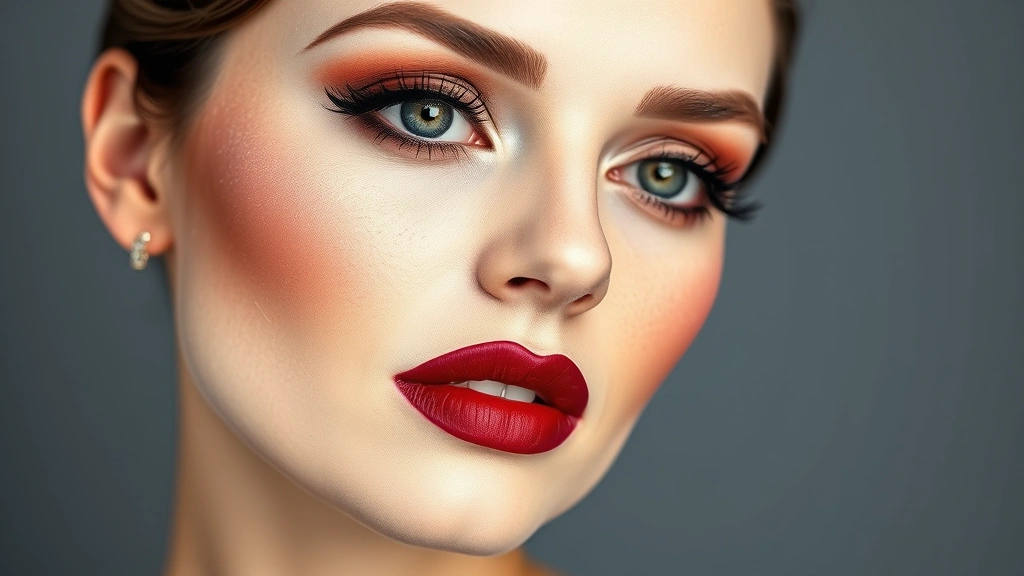
The eyes were absolutely central to 1920s makeup. The ideal look featured heavily lined, dramatically defined eyes with a distinctive shape that elongated toward the temples. This wasn’t subtle—it was bold, geometric, and intentional.
Kohl and Liner Application: The primary tool was kohl, applied thickly around the entire eye. Women used dark pencils or powdered kohl to create a strong line along the upper lash line, extending it slightly upward and outward. The lower lash line received equal attention, with the line often extended to create a “cat-eye” effect years before that term became popular. The space between the upper and lower lines was often filled with darker shadow to create depth.
Eye Shadow Technique: Rather than the blended, multi-dimensional eyeshadow we know today, 1920s makeup used flat, matte shadows in single colors. Black, dark brown, or deep plum shadows were applied directly to the eyelid and blended minimally. The goal was definition and contrast, not seamless gradation. Many women applied shadow all the way up to the brow bone, creating a bold, almost mask-like appearance.
The “Beaded Eye” Effect: A distinctive 1920s technique involved applying multiple coats of mascara to create thick, heavily beaded lashes. Mascaras at the time were cake-based products that required a wet brush, applied layer by layer. The result was dramatic, spiky lashes that framed the eye prominently. Some women even applied false lashes, which were available during this era.
The eyebrow shape complemented this eye makeup dramatically, which we’ll explore in detail below. Understanding how different elements work together in systems applies perfectly to 1920s makeup—each component enhanced the others.
Lips That Made History: Bold Reds and Defined Shapes
If the eyes were the frame, the lips were the statement. 1920s lip makeup was unapologetically bold, featuring deep reds, dark wines, and rich berries applied with precise definition.
Color Intensity: The signature 1920s lip was a deep, true red or burgundy that commanded attention. These weren’t natural lip tones—they were intentionally artificial-looking, signaling modernity and rebellion. Dark purples, plums, and even dark browns were also popular, particularly as the decade progressed. The intensity of the color was part of the point; makeup was meant to be visible and intentional.
Shape and Definition: Application technique was crucial. Women used lip pencils (often called “lip liners” today) to create a precise outline, often drawing lips slightly larger than their natural lip line. A distinctive 1920s technique involved creating a “Cupid’s bow” shape with a sharply defined point at the center of the upper lip. The lower lip was often drawn with a straighter line, creating geometric precision.
The “Bee Stung” Lip Variation: Some women pursued an exaggerated pout effect, drawing lips significantly larger than their natural shape. This created the appearance of fuller, more prominent lips—a beauty ideal that persists today. The contrast between the defined lip line and the skin created striking visual impact.
Finish and Texture: 1920s lipsticks had a matte or semi-matte finish, quite different from today’s glossy options. The color sat flat on the lips without shine, contributing to the overall geometric, sculpted appearance of the makeup. Some women applied powder over their lipstick to set the color and enhance the matte effect.
Skin Preparation and the “Matte Look”
The 1920s ideal complexion was absolutely matte—no dewy glow, no luminosity. Instead, women aimed for a flat, powdered appearance that contrasted dramatically with the bold eyes and lips.
Foundation and Base: Women used heavy foundations, often in shades that were noticeably lighter than their natural skin tone. This wasn’t necessarily about achieving a “pale” look but rather about creating a smooth, uniform canvas. Foundations came in cream or cake forms and required careful blending with sponges or brushes. The goal was complete coverage with minimal texture.
Powder Application: Loose powder was applied generously over the entire face to set the foundation and eliminate any shine. Women often used translucent powders, but darker powders were also applied selectively for contouring (though this term didn’t exist yet). The powder was applied with large powder puffs or brushes, and the amount used was substantial by modern standards. The final result was a completely matte, almost powdery appearance.
The Importance of Primer Concept: While modern primers didn’t exist, 1920s women used similar principles. Many applied a thin layer of cold cream or other moisturizer before foundation to create a smooth base. This helped foundation apply evenly and prevented excessive powder absorption.
Understanding how environmental awareness shapes modern beauty choices, as explored in discussions about reducing carbon footprints, makes us appreciate how 1920s makeup philosophies differ from today’s sustainability-conscious approaches.
Eyebrows: From Natural to Dramatically Sculpted
The eyebrow transformation in the 1920s was perhaps the most dramatic shift from previous beauty standards. Victorian women had full, natural brows; 1920s women plucked theirs into thin, high arches that dramatically changed their facial appearance.
The Plucking Revolution: Women used tweezers to remove significant portions of their natural brow, creating a thin arch positioned high on the brow bone. This wasn’t a subtle change—it fundamentally altered the expression of the face, lifting the eyes and creating a perpetually surprised appearance. The brows were often only a few millimeters thick, creating a stark contrast with the heavily lined eyes below.
Brow Pencil Application: Once the natural brow was severely plucked, women used brow pencils to draw in the desired shape. These pencils were typically dark brown or black, and the drawn brow was often placed higher than where natural brow hair remained. The result was an artificial, geometric shape that looked nothing like a natural brow.
The Emotional Impact: These thin, high arches created an expression of perpetual surprise or sophistication, depending on perspective. The brows framed the heavily lined eyes perfectly, emphasizing their size and creating the dramatic eye appearance that defined 1920s makeup. The contrast between the thin brows and thick eye makeup was intentional and striking.
Cheeks and Contouring: The Birth of Modern Face Sculpting
While the 1920s didn’t use the term “contouring,” the techniques were surprisingly sophisticated and pioneering for the era.
Blush Application: Cheek color was applied in a very specific placement. Rather than blending blush across the entire apples of the cheeks, 1920s makeup artists applied color in a round, concentrated circle on the apples. This created a doll-like appearance, almost exaggerated in its placement. The blush colors were typically bright reds, pinks, or corals—colors that contrasted sharply with the matte skin base.
Shading and Sculpting: Darker powders were applied along the hollows of the cheeks and along the jawline to create definition and shadow. This was done with less precision than modern contouring but served the same purpose: to add dimension to the face. The temples and sides of the face were often shaded to make the face appear narrower, which was the beauty ideal of the era.
The Overall Effect: Combined with the thin eyebrows, heavily lined eyes, bold lips, and matte skin, the cheek placement created a very specific facial silhouette. The face appeared more angular, with prominent cheekbones and a narrower overall shape. This sculptural approach to makeup was revolutionary for its time.
Recreating 1920s Makeup Today
If you want to recreate authentic 1920s makeup, understanding the principles is essential. Here’s a step-by-step approach:
- Start with Skin Prep: Apply moisturizer and primer for a smooth base. 1920s makeup required flawless application, so a good primer is your modern equivalent to their cold cream base.
- Foundation: Use a full-coverage foundation that matches your skin tone precisely. The 1920s look doesn’t work with lighter-than-skin-tone bases in modern contexts. Apply evenly with a beauty sponge or brush.
- Powder: Apply loose powder generously with a large brush or powder puff. Don’t be shy—the matte finish is essential. Set thoroughly.
- Eyes: Using a dark brown or black eyeshadow, apply to the entire lid and blend slightly upward. Line the upper lash line with a dark pencil, extending slightly upward and outward. Line the lower lash line completely. Apply mascara in multiple coats for that beaded effect.
- Eyebrows: Pluck to create a thin arch (or use makeup to create this effect if you prefer not to pluck). Fill in with a brow pencil in a geometric shape.
- Cheeks: Apply blush in a concentrated circle on the apples of your cheeks. Use a shade that’s noticeably pink or coral.
- Lips: Line lips with a precise lip pencil, slightly overdrawing if desired. Fill in with a deep red or burgundy lipstick. Keep the finish matte.
The key to successful 1920s makeup recreation is embracing the intentionality and artificiality. This isn’t about looking natural; it’s about artistic expression and bold self-presentation.
The Influence on Modern Beauty
Understanding 1920s makeup trends helps explain why certain aesthetics keep returning to popularity. The bold lip trend that cycles through fashion regularly owes a debt to 1920s lip culture. The current interest in graphic eyeliner and defined eyes similarly echoes the 1920s approach.
Modern makeup artists frequently reference 1920s aesthetics when creating looks for editorial shoots, costume design, or themed events. The geometric precision of 1920s makeup appeals to contemporary sensibilities about intentional, artistic makeup application. When makeup influencers create “vintage-inspired” looks, they’re often drawing directly from 1920s techniques.
Additionally, the 1920s established the concept of makeup as a form of self-expression and rebellion. This idea—that makeup is a tool for asserting individuality and challenging norms—remains central to how we think about beauty today. The beauty industry’s current emphasis on personal expression through makeup has roots in the 1920s revolution.
The democratization of beauty that began in the 1920s also continues today. Just as 1920s women could access the same products as movie stars, modern consumers have unprecedented access to professional-quality makeup at all price points. This accessibility empowers people to experiment with makeup in ways that would have been impossible in earlier eras.
Furthermore, discussions about how we interact with consumer culture and sustainable choices in our consumption patterns echo the broader conversations about beauty standards and personal choice that began in the 1920s.
FAQ
What made 1920s makeup so different from Victorian makeup?
Victorian makeup was subtle, often denied, and focused on pale skin and natural features. 1920s makeup was bold, celebrated, and intentionally artificial. The shift reflected broader cultural changes in women’s roles and freedoms.
Were 1920s makeup products safe?
Many 1920s cosmetics contained concerning ingredients by modern standards, including lead in some products and other potentially harmful substances. Modern makeup is far more regulated and safer, though some vintage enthusiasts still seek period-appropriate formulations.
Did men wear makeup in the 1920s?
Theatrical performers and some entertainers wore makeup, but it wasn’t common for men in everyday life. The 1920s makeup revolution was primarily a women’s phenomenon, though it challenged gender norms by celebrating women’s autonomy over their appearance.
How long did it take to apply 1920s makeup?
A full 1920s makeup application could take 15-30 minutes, depending on skill level. The precise eyebrow plucking, careful eye lining, and generous powder application required time and practice to execute well.
Can I wear 1920s makeup in modern contexts?
Absolutely! 1920s-inspired makeup works beautifully for themed events, costume parties, editorial shoots, or simply as an artistic makeup exploration. Many modern makeup artists create contemporary interpretations of 1920s aesthetics.
What was the most iconic 1920s makeup look?
The combination of thin, high-arched eyebrows, heavily lined geometric eyes, and a bold red lip defined the era. This look became synonymous with the flapper aesthetic and remains instantly recognizable today.

Related Posts
Perfect Old Fashioned Donut: Baker’s Secrets
Old Fashioned Chocolate Pie Recipe? Chef’s Favorite