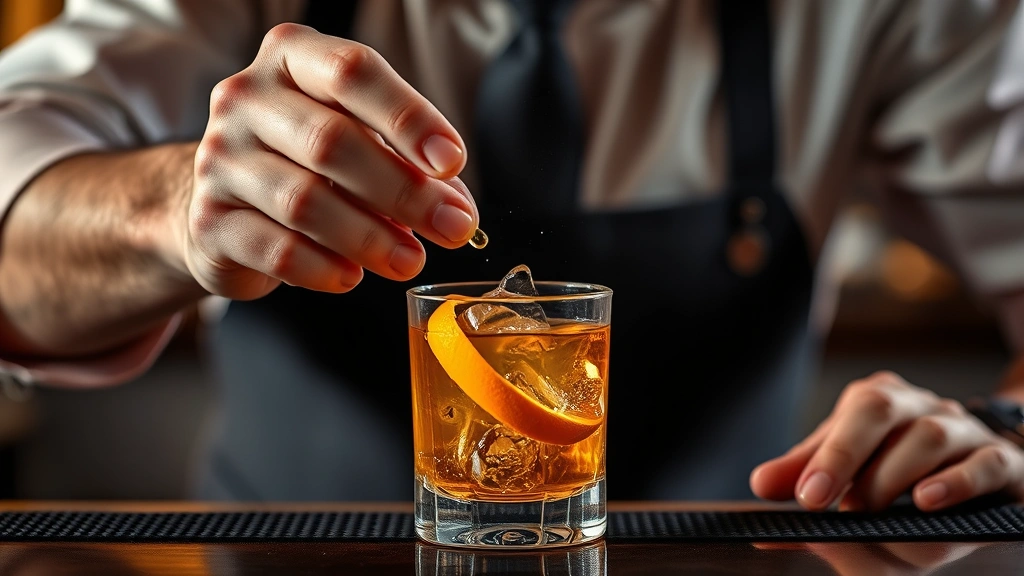
Tequila Old Fashioned? Bartenders Weigh In
Tequila Old Fashioned: Bartenders Weigh In on This Agave Twist
The Old Fashioned is one of the most iconic cocktails in mixology history, traditionally crafted with whiskey, sugar, bitters, and a twist of citrus. But in recent years, creative bartenders have been reimagining this classic with tequila as the base spirit, creating a vibrant variation that honors tradition while embracing bold, agave-forward flavors. Whether you’re a cocktail enthusiast or simply curious about expanding your home bar repertoire, the tequila Old Fashioned offers a refreshing departure from the conventional bourbon version while maintaining the sophisticated simplicity that makes the original so beloved.
This modern interpretation has gained significant traction in craft cocktail bars worldwide, with professional mixologists offering diverse perspectives on technique, ingredient selection, and flavor balance. In this comprehensive guide, we’ll explore expert insights, provide detailed recipes, and help you master the art of creating a tequila Old Fashioned that rivals anything you’ll find in a high-end establishment.
What Is a Tequila Old Fashioned?
A tequila Old Fashioned is a contemporary cocktail that substitutes the traditional whiskey base with premium tequila, typically a 100% agave variety. The drink maintains the core philosophy of the classic Old Fashioned—showcasing the base spirit through minimal ingredients and thoughtful preparation—while introducing the complex, earthy, and sometimes fruity characteristics that quality tequila brings to the glass.
The beauty of this variation lies in its balance. While tequila carries different flavor profiles than whiskey, a well-made tequila Old Fashioned still respects the drink’s fundamental structure: a spirit-forward cocktail with subtle sweetness, aromatic bitters, and a citrus element. Professional bartenders appreciate this drink because it challenges their understanding of spirit balance and requires careful selection of complementary ingredients.
According to mixology experts at Liquor.com, the tequila Old Fashioned emerged as bartenders began exploring agave spirits beyond margaritas and palomas, seeking to create more nuanced expressions of tequila’s potential in classic cocktail frameworks.
Choosing the Right Tequila
The foundation of any exceptional tequila Old Fashioned is selecting appropriate tequila. Not all tequilas work equally well in this application, and understanding the differences can dramatically impact your final drink.
Blanco Tequila: Also called silver tequila, blanco expressions are unaged and bottled shortly after distillation. These offer vibrant agave character, citrus notes, and herbaceous qualities. Many bartenders prefer blanco for tequila Old Fashioneds because the spirit’s brightness cuts through the sweetness of the sugar cube and doesn’t compete with the bitters.
Reposado Tequila: Aged in oak barrels for two to twelve months, reposado tequilas develop deeper complexity with hints of vanilla, caramel, and spice. This aging process creates a smoother mouthfeel that some bartenders argue makes for a more luxurious Old Fashioned experience, drawing closer to the traditional whiskey version’s richness.
Añejo Tequila: With aging periods of one to three years, añejo tequilas are darker, more complex, and smoother. While beautiful in their own right, many professional mixologists find these too heavy for an Old Fashioned format, as the wood influences can overshadow the drink’s delicate balance.
Look for 100% agave tequilas rather than mixtos (which can contain up to 49% non-agave sugars). Premium brands like Casa Noble, Patrón, El Tesoro, and Ocho are frequently cited by bartenders as excellent choices for cocktail applications. The Tequila Regulatory Council maintains comprehensive resources about authentic tequila production standards that can guide your selection.
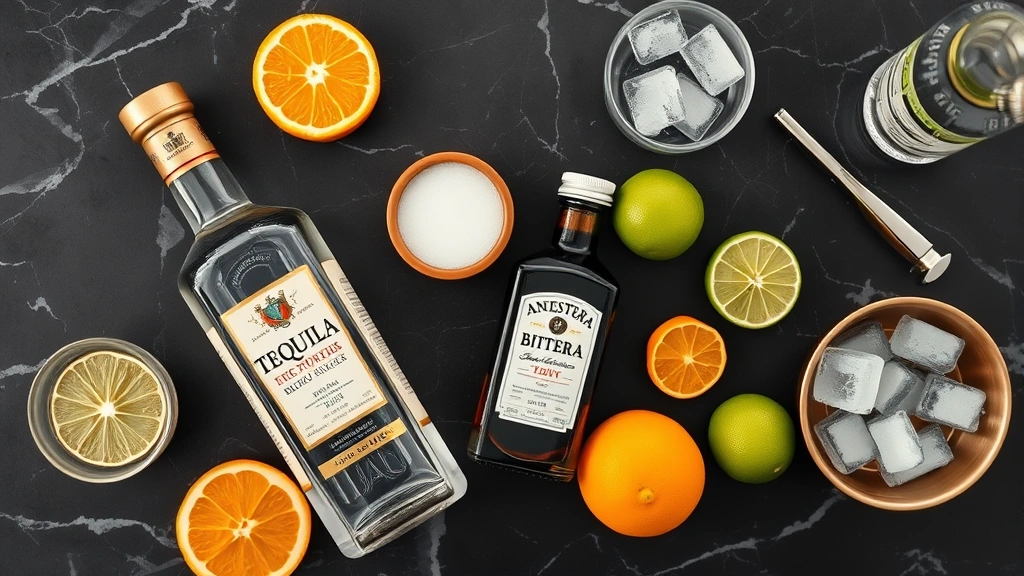
Classic Tequila Old Fashioned Recipe
This foundational recipe represents the most straightforward approach to crafting a tequila Old Fashioned, endorsed by bartenders seeking to highlight the spirit’s natural characteristics.
Ingredients:
- 2 ounces premium blanco tequila
- 1 sugar cube (or ½ teaspoon demerara sugar)
- 2-3 dashes Angostura bitters
- 1 dash orange bitters (optional but recommended)
- Orange peel for garnish
- Ice (preferably one large cube)
Instructions:
- Place the sugar cube in a rocks glass
- Add the dashes of bitters directly onto the sugar
- Gently muddle the sugar and bitters together until the sugar begins to dissolve (avoid aggressive crushing)
- Add the large ice cube to the glass
- Pour the tequila over the ice
- Stir for approximately 30 seconds to chill and combine
- Express the oils from the orange peel over the drink by twisting it above the glass
- Drop the peel into the glass as a garnish
This recipe prioritizes simplicity and spirit showcasing. The minimal ingredient list allows the tequila’s agave-forward profile to remain the focal point while the bitters add aromatic complexity and the sugar provides necessary balance.
Bartender-Approved Variations
Professional mixologists have developed numerous creative interpretations that expand the tequila Old Fashioned concept while maintaining its essential character. These variations demonstrate the versatility of this cocktail format.
The Jalapeño Tequila Old Fashioned: Some bartenders infuse simple syrup with jalapeño slices to introduce a subtle heat element that complements tequila’s agave sweetness. This variation works particularly well with reposado tequila and typically includes a fresh jalapeño slice as garnish. The spice adds depth without overwhelming the drink’s balance, creating a sophisticated sipper with genuine complexity.
The Smoky Variation: Bartenders seeking deeper, more masculine expressions sometimes use mezcal instead of tequila or combine both spirits. A small measure of mezcal (¼ to ½ ounce) added to 1.5 ounces of tequila introduces smoky undertones reminiscent of traditional whiskey Old Fashioneds. This hybrid approach appeals to those wanting tequila’s character with whiskey-like warmth.
The Agave Nectar Version: Rather than using a sugar cube, some bartenders substitute agave nectar or honey, which dissolves more easily and adds subtle sweetness that echoes the drink’s tequila base. This modification simplifies preparation while creating a more integrated flavor profile, though purists argue it strays from Old Fashioned tradition.
The Citrus-Forward Expression: Adding a small measure of fresh lime juice (¼ ounce) creates a drink that bridges the gap between an Old Fashioned and a margarita without fully committing to either. This variation appeals to those who enjoy lighter, brighter cocktails and works exceptionally well with blanco tequila during warmer months.
According to Imbibe Magazine’s cocktail archives, these variations have become standard offerings at progressive cocktail bars, each reflecting bartenders’ individual philosophies about spirit expression and flavor balance.
Essential Techniques and Tips
Creating an exceptional tequila Old Fashioned requires attention to technique. These professional-level insights will elevate your home bartending skills significantly.
The Muddle Method: Proper muddling is crucial but frequently misexecuted. Place your sugar cube in the glass and add bitters, then use a muddler to gently press (not crush) the sugar against the glass bottom. You’re aiming for partial dissolution that creates a textured base, not a smooth paste. This technique distributes bitters throughout the drink while maintaining sugar crystal texture that creates interesting mouthfeel.
Ice Selection Matters: Professional bartenders emphasize that one large, clear ice cube melts slower than multiple smaller pieces, reducing dilution and maintaining drink temperature longer. If large format ice isn’t available, use the largest cubes your freezer produces. Clear ice also presents better aesthetically, demonstrating attention to craft.
Stirring Duration: Stir for at least 30 seconds to properly chill the drink and allow ingredients to marry. Under-stirring leaves the drink warm and poorly integrated; over-stirring (beyond 45 seconds) causes excessive dilution. The goal is a drink that’s properly chilled at around 28-30°F with subtle water integration that softens the spirit’s intensity.
Tequila Temperature: Store your tequila at room temperature rather than in the freezer. Excessive cold numbs the palate and prevents you from appreciating the spirit’s nuanced flavors. Room-temperature tequila mixed with properly chilled ice creates ideal drinking temperature without flavor suppression.
Citrus Expression: When expressing the orange peel’s oils, hold it skin-side down about 6 inches above the glass and twist firmly. The oils spray across the drink’s surface, creating aromatic complexity. Drop the peel into the glass where it continues releasing oils as you drink, enhancing each sip progressively.
Bitters and Flavor Pairings
Bitters are the unsung heroes of Old Fashioned cocktails, providing aromatic complexity and subtle flavor layers that elevate the entire drinking experience. Understanding bitters options transforms your tequila Old Fashioned from adequate to exceptional.
Angostura Bitters: The traditional choice, Angostura provides spice-forward characteristics with hints of clove, cinnamon, and cardamom. These work beautifully with tequila’s agave sweetness, creating drinks with warming spice undertones. Two to three dashes is typically ideal, though some bartenders prefer a single dash for lighter expressions.
Orange Bitters: Adding a dash of orange bitters introduces citrus aromatics that complement the expressed orange peel garnish. This pairing creates cohesive flavor progression, with the bitters providing subtle citrus backbone while the fresh peel offers bright, essential oils. Many modern bartenders consider orange bitters essential for balanced tequila Old Fashioneds.
Chocolate Bitters: For richer, more decadent interpretations (particularly with reposado tequila), a single dash of chocolate bitters adds subtle cocoa undertones that harmonize with oak aging notes. This variation appeals to dessert-like cocktail preferences and works well for evening sipping.
Mole Bitters: Specialty bitters featuring traditional Mexican mole spices (chiles, chocolate, cinnamon, cloves) create distinctly regional expressions that honor tequila’s heritage. A single dash adds authentic complexity without overwhelming the drink’s balance.
The Cocktail Chemistry resources provide detailed information about bitters production and flavor profiles that help bartenders make informed selections.
Glassware and Presentation
Professional bartenders understand that presentation significantly impacts the drinking experience. Proper glassware and thoughtful garnishing elevate your tequila Old Fashioned from casual drink to crafted cocktail.
Glassware Selection: A rocks glass (also called a lowball glass) with 6-8 ounce capacity is standard for Old Fashioned cocktails. The wide opening allows for proper ice and garnish presentation while the substantial glass weight communicates quality and craftsmanship. Some bartenders prefer slightly larger format glasses (10-12 ounces) to accommodate bigger ice cubes and reduce the drink’s intensity through greater volume.
Pre-Chilling: Professional bars pre-chill glasses by filling them with ice water while preparing the drink. This ensures the glass is cold when the cocktail arrives, maintaining ideal serving temperature. Simply discard the water and ice before pouring your prepared drink.
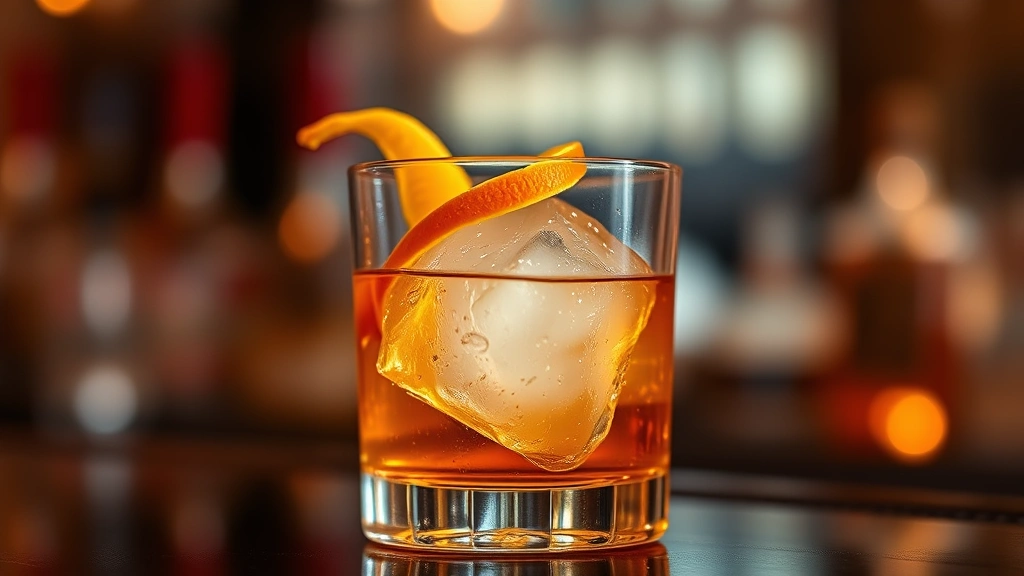
Garnish Presentation: The orange peel serves functional and aesthetic purposes. Express it properly to release aromatic oils, then arrange it elegantly—either as a simple twist dropped into the glass or twisted and resting on the drink’s surface. Some bartenders add a single orange wheel for visual interest without compromising functionality.
Stirring Vessel: When preparing the drink, stir in a mixing glass rather than directly in the serving glass. This prevents excessive ice contact with the spirit and allows better temperature control. Transfer the chilled mixture to your prepared rocks glass with fresh ice.
Understanding how to craft sustainable living choices extends to bartending through responsible spirit sourcing and waste reduction practices. Professional bartenders increasingly focus on sourcing tequila from sustainable producers and minimizing garnish waste.
The visual presentation of your tequila Old Fashioned communicates care and attention to detail. A properly made drink with clear ice, expressed citrus oils visible on the surface, and elegant garnish placement demonstrates respect for the craft and your guest’s experience.
FAQ
What’s the difference between a tequila Old Fashioned and a margarita?
While both feature tequila, they’re fundamentally different drinks. A margarita is a sour-style cocktail featuring tequila, citrus juice, and triple sec with a balanced sweet-sour profile. A tequila Old Fashioned is spirit-forward with minimal ingredients, emphasizing the tequila’s characteristics through subtle sweetness and aromatic bitters. The Old Fashioned showcases the spirit; the margarita creates a balanced flavor equation.
Can I use silver tequila, or must I use premium brands?
While premium 100% agave tequilas produce superior results, well-made silver (blanco) tequilas from reputable producers work adequately. Avoid cheap mixtos, which contain non-agave sugars and lack the complexity necessary for cocktail applications. Mid-range 100% agave tequilas provide excellent value without requiring premium pricing.
Should I use a sugar cube or regular sugar?
Sugar cubes are traditional and provide superior texture during muddling, creating the proper dissolution effect. If unavailable, demerara or turbinado sugar works well. Avoid refined white sugar, which dissolves too quickly and creates a paste rather than textured base. Approximately ½ teaspoon equals one sugar cube.
How do I prevent my tequila Old Fashioned from becoming too diluted?
Use the largest ice cube available (ideally one large format cube rather than multiple smaller pieces), stir for no more than 45 seconds, and avoid pre-diluting with water. Some bartenders add just ¼ ounce of water intentionally to open up the spirit’s flavors while maintaining proper dilution control. Store your tequila at room temperature rather than freezing it.
What’s the ideal tequila-to-bitters ratio?
The classic ratio uses 2 ounces tequila with 2-3 dashes Angostura bitters and 1 dash orange bitters. However, this is adjustable based on personal preference. Some prefer lighter bitters profiles (1-2 dashes total), while others enjoy bolder expressions (4-5 dashes). Start with the classic ratio and adjust according to your palate preferences.
Can I batch tequila Old Fashioneds for parties?
Yes, but with modifications. Prepare a batch by combining tequila, dissolved sugar (use simple syrup rather than cubes), and bitters in a large vessel. Refrigerate until serving, then pour individual drinks over fresh ice and stir briefly. Avoid pre-stirring the entire batch, as this causes excessive dilution. Each drink should be finished individually with fresh ice and orange peel expression.
What foods pair well with a tequila Old Fashioned?
The drink’s spirit-forward character and subtle sweetness pair beautifully with rich appetizers, aged cheeses, grilled meats, and dishes featuring warm spices. The citrus element complements seafood preparations, while the overall balance works with complex, savory flavors. Avoid pairing with overly sweet desserts, which compete with the drink’s flavor profile.

Related Posts
Perfect Old Fashioned Donut: Baker’s Secrets
Old Fashioned Chocolate Pie Recipe? Chef’s Favorite