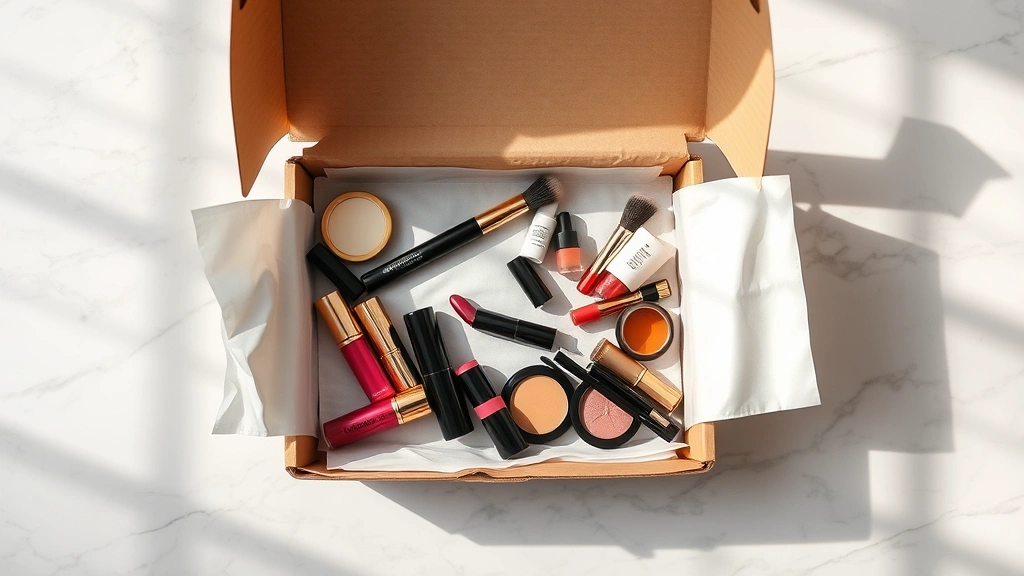
Are Makeup Subscription Boxes Worth It? Honest Review
Are Makeup Subscription Boxes Worth It? An Honest Review for Beauty Lovers
Makeup subscription boxes have exploded in popularity over the last decade, promising curated collections of cosmetics delivered straight to your door each month. But with prices ranging from $10 to $50+ per box, you might be wondering: are they actually worth your money? This comprehensive guide breaks down everything you need to know about subscription beauty boxes, helping you decide if they’re the right investment for your makeup routine and budget.
Whether you’re a makeup enthusiast looking to discover new brands or someone trying to maximize your beauty budget, understanding the real value of these services is crucial. We’ll explore the pros and cons, calculate the actual savings, and help you determine which subscription model might work best for your lifestyle and preferences.
What Are Makeup Subscription Boxes?
Makeup subscription boxes are monthly or quarterly beauty services that deliver curated collections of cosmetics, skincare, and sometimes haircare products directly to your home. These boxes typically include full-size and deluxe sample products from both established and emerging beauty brands. The concept combines the thrill of discovering new products with the convenience of automatic delivery.
Most subscription services operate on a straightforward model: you pay a monthly fee (usually between $10 and $52), and the company selects a themed collection of products based on their partnerships with brands and current beauty trends. Some services allow you to customize your box, choose items from a selection, or skip months you don’t want to receive. The products included often have a retail value significantly higher than the subscription price, which is a major selling point for these services.
The subscription beauty market has grown tremendously, with major players including Birchbox, Ipsy, Boxycharm, and Sephora Play competing for subscribers. Each service has its own philosophy about curation, price point, and target audience, making it important to understand the differences before committing to a subscription.
Popular Subscription Services Compared
Ipsy is one of the most popular options, offering a $13 monthly subscription with five personalized products based on a beauty quiz you complete. Their algorithm learns your preferences over time, making selections increasingly tailored to your tastes. Ipsy also offers premium tiers like Ipsy Glam Bag Plus ($25) with larger products and Ipsy Ultimate ($50) for even more value.
Birchbox positions itself as a discovery service, sending five products monthly for $15. Unlike Ipsy’s personalization algorithm, Birchbox curates boxes by theme and allows you to choose one item from their selection each month. This gives you more control while maintaining the surprise element.
Boxycharm operates at the premium end, charging $30 monthly for five full-size products and additional items. They focus on higher-end brands and frequently include items worth $60-$100 in retail value. Their selections are less customizable but tend to feature trendier, more luxurious brands.
Sephora Play (now integrated into Sephora’s loyalty program) offers $15 monthly boxes with five deluxe samples from brands available at Sephora, making it ideal if you’re already a Sephora customer who wants to explore new products within that ecosystem.
Each service has distinct advantages depending on whether you prioritize personalization, luxury brands, discovery, or loyalty program integration. Understanding your beauty preferences and shopping habits will help you choose the best fit.
The Real Cost Analysis
The most compelling argument for makeup subscription boxes is the stated retail value versus subscription cost. A $15 Birchbox typically contains products with a combined retail value of $40-$65. A $30 Boxycharm box often includes items valued at $80-$120. On paper, this looks like an incredible deal—you’re getting 50-75% off the retail value of products.
However, this calculation has significant caveats. First, retail value doesn’t equal what you would actually pay for those items. Many included products are deluxe samples or trial sizes, not full-size versions. A deluxe sample of a $60 serum might be valued at $15 retail, but you’re not buying that tiny amount separately. Second, you’re paying for products you might not have chosen yourself, which means you’re essentially paying for the curation service, not just the products.
Let’s do a realistic analysis: If you subscribe to Ipsy Glam Bag Plus at $25 monthly, that’s $300 annually. Over a year, you’ll receive 60 products (5 per month × 12 months). Even if the average retail value is $6 per product, that’s $360 in stated value—a $60 savings. But if 30% of those products don’t match your preferences and sit unused, you’ve effectively wasted $90. The real savings drop to just $30 annually.
Compare this to buying products strategically during sales at retailers like Sephora or Ulta Beauty, where you can find 20-50% off sales regularly. If you’re a strategic shopper, you might achieve similar or better savings without committing to a subscription.
The true value of a subscription isn’t just financial—it’s also about convenience, discovery, and the psychological pleasure of receiving a curated package. If these factors matter to you, the cost might be justified even if the math doesn’t show massive savings.
Pros of Beauty Box Subscriptions
Discovery of New Brands: One of the strongest advantages of subscription boxes is exposure to brands you might never try otherwise. Makeup subscription services partner with emerging and niche brands, giving them platform space. This is genuinely valuable if you enjoy experimenting with new products and want to expand your beauty routine beyond your usual purchases.
Convenience and Automatic Delivery: There’s undeniable convenience in having curated products arrive at your door monthly. You don’t have to spend time researching, comparing, or shopping—the service handles curation for you. For busy professionals, this time-saving aspect has real value.
Customization Options: Many modern subscription boxes allow you to customize selections, skip months, or choose from limited options. This flexibility means you can avoid products you know you won’t use, increasing the perceived value of your box.
Loyalty Rewards: Several subscription services offer additional perks like exclusive discounts on full-size versions of sampled products, early access to brand launches, or points toward future purchases. These loyalty benefits can add meaningful value over time.
Budget-Friendly Sampling: If you’re interested in dermatologist-recommended skincare or luxury brands but hesitate to commit to full-size purchases, subscription boxes let you test products affordably. This reduces the risk of purchasing a $70 serum that doesn’t work for your skin type.
Themed Curation: Many boxes follow seasonal themes or trending beauty concepts, which can inspire you to try new makeup techniques or color palettes you wouldn’t normally explore. This creative inspiration has value beyond the physical products.
Cons and Common Complaints
Unwanted Products Accumulate: The biggest complaint from subscription box users is receiving products they don’t want or need. Even with personalization, algorithms aren’t perfect. You might end up with 12 nude lipsticks per year when you prefer bold colors, or volumizing mascara when you have naturally thick lashes. This waste negates much of the financial value.
Hidden Cancellation Fees: While most major services allow free cancellation, some users report difficulty canceling or discovering unexpected fees buried in terms and conditions. Always read the fine print before subscribing to understand cancellation policies.
Shipping Delays and Inconsistent Timing: Subscription boxes don’t always arrive on schedule. Some users receive their monthly box in the middle of the month, others near the end. This unpredictability can be frustrating if you’re counting on the box for birthday gifts or specific timing.
Limited Full-Size Products: Most subscription boxes emphasize deluxe samples rather than full-size products. While samples are great for testing, they don’t provide the value of full-size cosmetics. You’ll need to purchase full-size versions of products you love, which increases your overall spending.
Duplicate Products Across Services: If you subscribe to multiple boxes (which many beauty enthusiasts do), you’ll frequently receive the same products in different boxes. This duplication represents wasted money and shelf space.
Subscription Fatigue: The novelty of receiving a surprise box wears off for many subscribers after 6-12 months. Once you realize you’re receiving similar types of products repeatedly, the excitement diminishes and the service feels more like an obligation than a treat.
How to Maximize Your Subscription Value
If you decide that a makeup subscription box is right for you, here are proven strategies to maximize the value you get:
- Complete Your Profile Thoroughly: Spend time answering preference quizzes completely and honestly. The more information you provide about your skin type, undertones, and beauty preferences, the better the algorithm can personalize your box. Update your profile quarterly as your preferences evolve.
- Leverage Skip Months Strategically: Don’t feel obligated to receive every month. If you’re not excited about upcoming products or still have unopened items from previous boxes, skip a month. This reduces annual spending and prevents product accumulation.
- Use Included Discount Codes: Most subscription boxes include exclusive discount codes for full-size purchases. If you love a sampled product, use these codes to buy the full size at a discount, often 15-25% off retail.
- Combine with Sales Events: Don’t rely solely on your subscription for beauty purchases. Time your full-size purchases for major sales events like Sephora’s VIB sales or Ulta’s 21 Days of Beauty, where you can find deeper discounts than subscription box codes offer.
- Trade or Gift Unwanted Items: Join beauty subscription community groups on social media where members trade unwanted items. You might swap a foundation shade you can’t use for a lipstick you love, reducing waste.
- Set a Budget Threshold: Decide upfront how much you’ll spend annually on beauty subscriptions. Stick to this number—don’t add multiple subscriptions just because they seem like good deals individually.
Alternatives to Consider
Before committing to a makeup subscription box, consider these alternatives that might provide better value:
Loyalty Programs: Sephora’s VIB and Ulta’s Loyalty programs offer points on every purchase, free samples with purchases, and exclusive sales. If you’re already shopping at these retailers, maximizing loyalty benefits might provide more value than a subscription.
Beauty Sampling Programs: Brands like Allure Beauty Box and others offer one-time or annual membership boxes rather than monthly subscriptions, reducing the commitment level.
Strategic Shopping During Sales: If you’re disciplined about waiting for sales, you can often purchase full-size products at 30-50% off, which beats the value proposition of subscription boxes. Set calendar alerts for major sales events at your preferred retailers.
Influencer Boxes and Brand Direct Programs: Many beauty brands now offer direct-to-consumer subscription boxes through their websites. These often provide better value because you’re buying directly from the brand without middleman costs.
Sephora and Ulta Samples: Both retailers offer free samples with purchases, and Sephora allows you to get up to three free deluxe samples with any purchase. Over a year, this can add up to significant value without any subscription commitment.
The best choice depends on your shopping habits, budget, and how much you value the discovery and convenience factors that subscriptions provide.
FAQ
Are makeup subscription boxes worth it for beginners?
For beauty beginners, subscription boxes can be valuable because they introduce you to diverse brands and product types at low cost. However, consider starting with a lower-tier subscription ($13-15) rather than premium options ($30+) to test whether you’ll actually use the products before committing more money.
Can you cancel makeup subscription boxes anytime?
Most major subscription services allow cancellation anytime without penalty. However, always confirm the cancellation policy before subscribing. Some services may require you to contact customer service rather than offering self-service cancellation options.
What’s the best makeup subscription box for sensitive skin?
If you have sensitive skin, look for services that allow significant customization, such as Ipsy with its detailed preference quiz. You can specify sensitivities, and the algorithm will adjust recommendations. Alternatively, choose boxes that focus on clean beauty brands known for gentle formulations.
Do subscription boxes ever include full-size products?
Yes, premium subscription boxes like Boxycharm frequently include full-size products, especially in their higher-tier subscriptions. However, most budget-friendly options ($10-20) primarily feature deluxe samples. Check the specific service’s product mix before subscribing.
How do I know if a subscription box’s value is real?
Look beyond stated retail value. Check what products are actually included, verify their retail prices independently, and honestly assess whether you’d purchase those items yourself. Factor in the percentage of products you’ll realistically use. If less than 70% of the box contents match your preferences, the value isn’t as strong as advertised.
Should I subscribe to multiple beauty boxes?
Subscribing to multiple boxes increases the risk of duplicates and product accumulation. Start with one box you genuinely enjoy for at least three months before considering adding another. If you do subscribe to multiple services, choose ones with different brand partnerships and price points to minimize overlap.

Related Posts

Perfect Old Fashioned Donut: Baker’s Secrets

Old Fashioned Chocolate Pie Recipe? Chef’s Favorite