What Are Lip Tints? Expert Insights
What Are Lip Tints? Expert Insights Into Beauty’s Most Versatile Product
Lip tints have revolutionized the way we approach lip color, offering a perfect middle ground between bold makeup statements and natural everyday wear. Whether you’re a makeup enthusiast or someone just discovering the beauty world, understanding what lip tints are and how to use them can transform your beauty routine. These innovative products deliver color that looks like it’s coming from within, creating that coveted “my lips but better” effect that beauty lovers everywhere are obsessed with.
In recent years, lip tints have become a staple in makeup bags globally, from professional makeup artists to everyday beauty enthusiasts. The versatility of these products means they work for virtually any skin tone, lip shape, or personal style. As fashion and beauty continue to intersect, exploring beauty trends helps us understand not just what products to use, but why they matter to our overall aesthetic choices. This comprehensive guide will walk you through everything you need to know about lip tints, from application techniques to expert recommendations.
Understanding Lip Tints: Definition and Origins
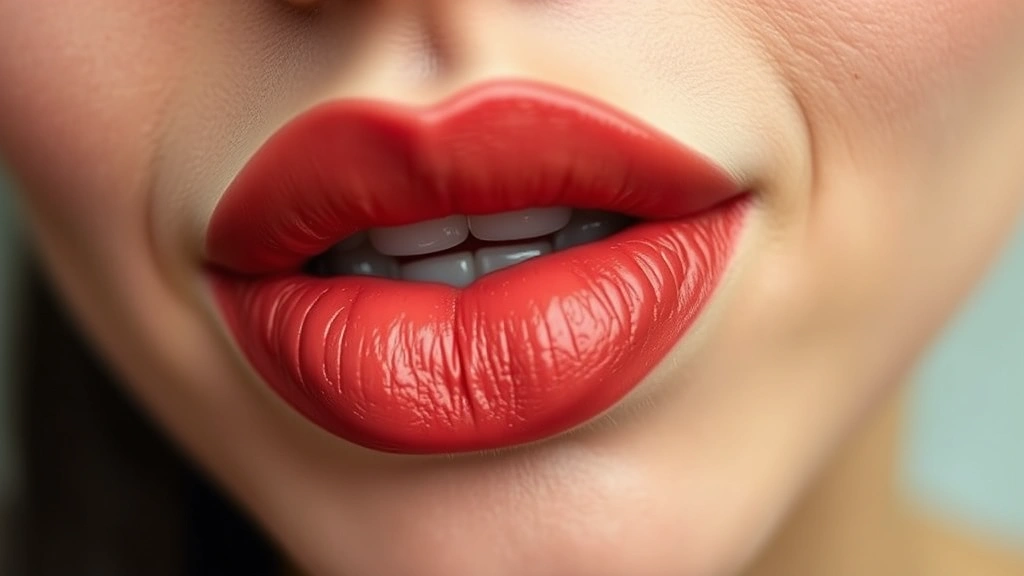
Lip tints are semi-permanent color products designed to stain your lips with vibrant pigment while maintaining a natural appearance. Unlike traditional lipsticks that sit on top of the lips, tints are formulated to absorb into the lip tissue, creating a wash of color that feels lightweight and looks incredibly natural. The formula typically contains pigments that bind to your lips, gradually fading over hours rather than transferring immediately onto everything you touch.
The concept of lip tinting isn’t entirely new—beauty cultures across Asia have used natural staining methods for centuries. However, modern lip tints as we know them today originated in South Korea and Japan during the early 2000s, where the “gradient lip” trend became wildly popular. This aesthetic emphasized softer, more diffused lip color that appeared to fade from the center outward, and lip tints were the perfect product to achieve this look. The trend quickly spread globally, and now major beauty brands worldwide offer their own versions of this transformative product.
What makes lip tints special is their unique formulation. Most contain water-based or gel-based components combined with long-wearing pigments and conditioning ingredients. This combination allows them to deliver intense color payoff while remaining comfortable to wear throughout the day. Many modern lip tints also include beneficial ingredients like vitamins, botanical extracts, and moisturizers that nourish your lips rather than drying them out.
Types of Lip Tints Explained
The lip tint category has expanded dramatically, offering numerous options to suit different preferences and needs. Understanding the different types helps you select the perfect product for your lifestyle and beauty goals.
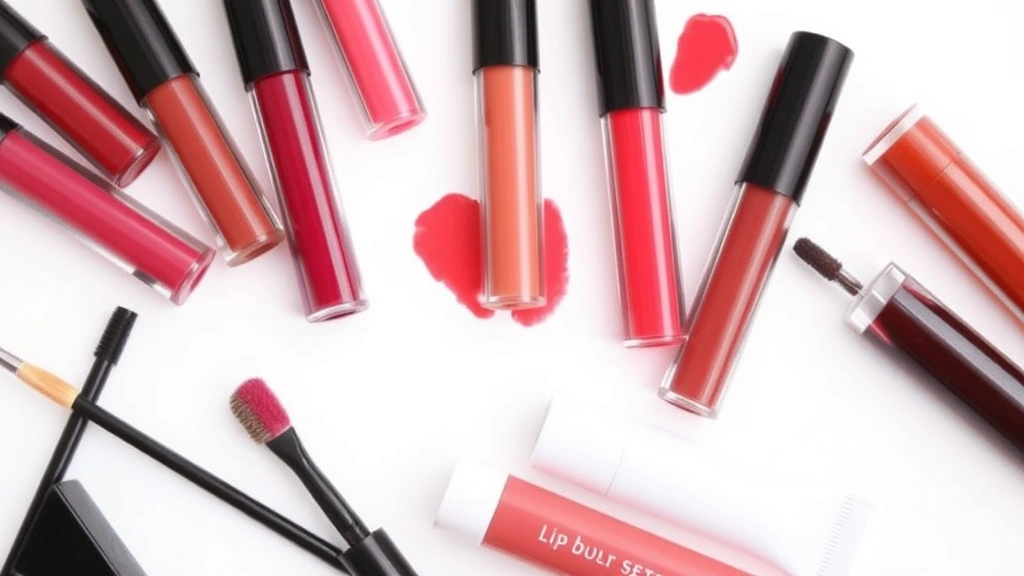
Water-Based Tints: These lightweight formulas deliver sheer to medium color with a dewy, glossy finish. Water-based tints are perfect for creating that fresh, just-bitten lip look and are ideal for those who prefer minimal makeup. They typically last 4-6 hours and feel incredibly comfortable, making them excellent for all-day wear.
Gel Tints: With a thicker, more concentrated formula, gel tints provide buildable color that can range from sheer to opaque depending on how much product you apply. They often have a longer wear time than water-based options and may include additional skincare benefits. Gel tints work beautifully for creating more defined lip looks.
Liquid Tints: These come in liquid form, usually with a brush or applicator wand for precise application. Liquid tints offer excellent color control and typically provide medium to full coverage. They’re perfect for those who want to avoid direct contact between their fingers and the product.
Staining Tints: The most long-wearing option, staining tints create a semi-permanent color that can last 8-12 hours. These are ideal for special occasions or days when you need your lip color to stay put through eating, drinking, and activities. However, they can be drying, so using a lip balm underneath is essential.
Tinted Lip Balms: Combining skincare and color, these products provide subtle tint while heavily moisturizing your lips. They’re perfect for those who want just a hint of color without heavy pigmentation, and they’re excellent for everyday wear.
How to Apply Lip Tints Like a Pro
Mastering the application technique is crucial for getting the most out of your lip tint. The process differs slightly depending on the product type, but these fundamental steps apply to most formulas.
Preparation: Start with clean, exfoliated lips. Use a gentle lip scrub or soft toothbrush to remove any dead skin, then apply a hydrating lip balm. Wait 2-3 minutes for the balm to set before applying your tint—this creates a smooth base and prevents the tint from clinging to dry patches.
Application Methods: For stick or gel tints, apply directly from the product, starting at the center of your lips and working outward. Use gentle patting motions rather than swiping to build color gradually. For liquid tints with applicators, use the brush to apply a thin layer, then blend with your finger or a lip brush for a softer, more diffused effect.
Blending Technique: The signature “gradient” or “ombre” lip effect is achieved by applying more product to the center and blending it outward. Use your finger (clean or with a lip brush) to gently tap and blend the edges, creating that coveted fade. This technique works especially well for creating a natural, dimensional look.
Layering: Many makeup artists recommend applying thin layers rather than one thick coat. This gives you better control over intensity and creates a more natural appearance. Allow each layer to set for 30 seconds before applying the next.
Setting: Some professionals use a light setting powder or translucent powder to help your tint last longer. Apply with a small, fluffy brush over the lips, then gently brush away excess. This step is optional but can extend wear time significantly.
Choosing the Right Shade for Your Skin Tone
Finding the perfect lip tint shade is essential for creating a cohesive, flattering look. Understanding your undertone and skin depth helps narrow down options dramatically.
Fair Skin Tones: Lighter skin typically looks stunning with cool pinks, berry shades, and mauve tints. Peachy tones also work beautifully, especially for those with warm undertones. Avoid overly dark shades that can appear harsh; instead, opt for medium-depth colors that provide contrast without overwhelming your complexion.
Medium Skin Tones: This range is incredibly versatile and can carry virtually any lip tint shade. Coral, warm reds, deep berries, and rich plums all look gorgeous. The key is choosing based on your undertone rather than skin depth—warm undertones pair beautifully with corals and warm reds, while cool undertones shine with berries and cool-toned reds.
Deep Skin Tones: Rich, saturated colors are your friend. Deep burgundy, wine, plum, and warm red tones look absolutely stunning. Avoid very pale or washed-out shades; instead, embrace the pigment intensity that makes deep skin tones so beautiful. Don’t shy away from bold colors—they’re often the most flattering option.
Undertone Considerations: Beyond skin depth, your undertone matters significantly. Warm undertones (golden, peachy) pair beautifully with warm-toned tints like coral, warm reds, and peach. Cool undertones (pink, rosy) look best with cool-toned shades like berry, mauve, and cool reds. Neutral undertones have the advantage of wearing most shades well.
When shopping, always test on your lips if possible. Lip color can look drastically different on your actual lips compared to swatches on your hand. If you’re ordering online, read reviews from people with similar skin tones to ensure the shade will work for you.
Lip Tints vs Other Lip Products
Understanding how lip tints compare to other lip products helps you build a complete lip collection and choose the right product for each occasion. When considering sustainable fashion and beauty choices, knowing product differences also helps you make intentional purchases.
Lip Tints vs Lipstick: Traditional lipsticks provide full coverage and sit on top of the lips, while tints stain and absorb into the lip tissue. Lipsticks offer more intense color and typically last longer, but can feel heavier. Tints feel lighter and more natural but may require touch-ups. Lipsticks come in matte, satin, and glossy finishes, while tints typically lean toward dewy or natural finishes.
Lip Tints vs Lip Gloss: Glosses are primarily shine products with minimal color, while tints deliver significant pigmentation. Glosses feel sticky and can transfer easily, whereas tints have better staying power. If you want color with shine, layering a gloss over a tint creates a beautiful effect.
Lip Tints vs Lip Stains: These terms are often used interchangeably, but technically, stains are more permanent and long-wearing than tints. Stains typically last 8-12 hours, while tints last 4-8 hours. Stains are often more drying, making tints a better choice for those with sensitive or dry lips.
Lip Tints vs Tinted Lip Balms: Tinted lip balms prioritize moisture and comfort with subtle color, while lip tints focus on color payoff with added skincare benefits. If you want noticeable color, choose a lip tint; if you want barely-there color with heavy moisturizing, choose a tinted balm.
Best Practices and Expert Tips
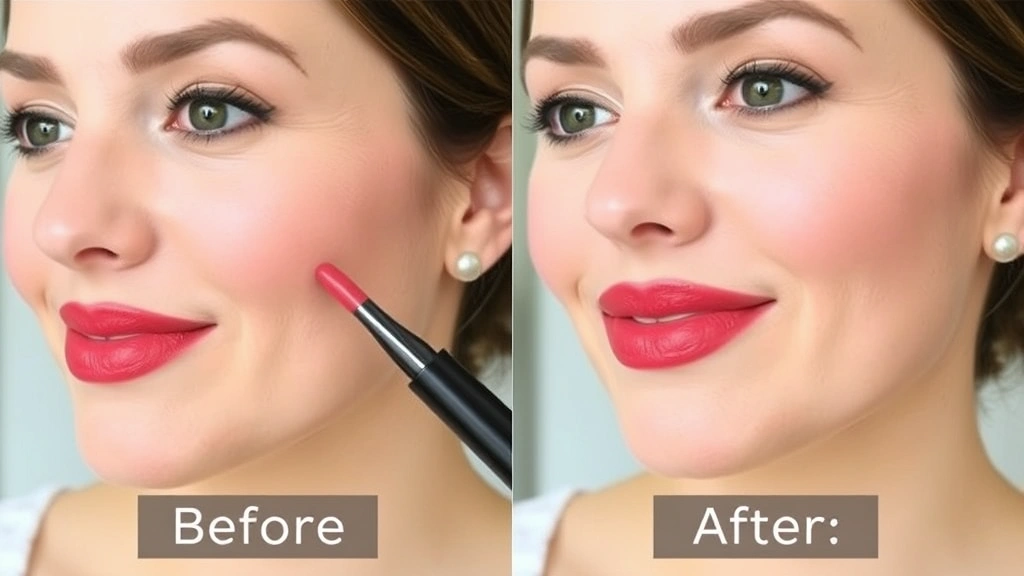
Professional makeup artists and beauty experts have shared countless tips for getting the most from your lip tint products. These practices can elevate your application and help your color last longer.
Lip Prep is Everything: According to Allure Magazine, proper lip preparation determines how well your tint applies and wears. Exfoliate regularly, keep lips hydrated, and always apply a primer or balm before tint. This single step can dramatically improve results.
Less is More: Start with a small amount and build gradually. Lip tints are highly pigmented, and you can always add more product. Starting with too much often results in an uneven, patchy appearance. Professional makeup artists recommend beginning with a dot the size of a rice grain in the center of your lips.
Use the Right Tools: While finger application works, using a lip brush gives you more precision and control. Invest in a small, dense lip brush for better blending and application. Some professionals prefer angled brushes for detailed work.
Combine with Lip Balm: Layer a clear or tinted lip balm over your tint to extend wear time and add moisture. This is especially important for long-wearing or staining formulas that can be drying. The balm creates a protective seal that helps your tint last longer.
Match Your Outfit: According to beauty experts at Vogue, coordinating your lip color with your outfit creates a cohesive, polished look. Warm-toned outfits pair beautifully with warm lip tints, while cool-toned clothing looks best with cool-toned lips. This intentional coordination elevates your entire appearance.
Keep Tints Accessible: Because reapplication is often necessary, keep your favorite tint in your bag, desk, or car. Having quick access encourages touch-ups that keep your color looking fresh throughout the day.
Remove Properly: At the end of the day, use a gentle makeup remover or oil-based cleanser to remove your tint. Some formulas can stain your lips, so thorough removal prevents discoloration over time. Follow up with a nourishing lip mask or balm before bed.
Dermatologists recommend avoiding lip tints if you have active cold sores or severely chapped lips. Allow your lips to fully heal before applying any colored products, as irritation can worsen these conditions.
FAQ
How long do lip tints last?
Most lip tints last between 4-8 hours, depending on the formula and your activities. Staining tints can last up to 12 hours. Eating, drinking, and speaking all affect longevity. Reapplication is often necessary for all-day color.
Can lip tints stain your lips permanently?
Quality lip tints shouldn’t cause permanent staining. However, some long-wearing formulas may leave a slight tint that fades within a few days. This is temporary and not harmful. If you notice persistent discoloration, discontinue use and consult a dermatologist.
Are lip tints suitable for sensitive lips?
Many lip tints are formulated for sensitive skin, but some may cause irritation. Always patch test first, and choose products with nourishing ingredients like vitamin E or botanical extracts. If you have very sensitive lips, start with water-based tints rather than staining formulas.
Can you wear lip tint under lipstick?
Absolutely! Layering a lip tint under lipstick creates depth and can extend wear time. Apply the tint first, let it set completely, then apply your lipstick. This technique is popular among makeup artists for creating dimensional, long-lasting lip color.
How do you remove stubborn lip tint stains?
Use an oil-based makeup remover, coconut oil, or micellar water on a cotton pad. Gently massage the stain for 30-60 seconds, then rinse thoroughly. For stubborn stains, repeat the process. Follow up with a hydrating lip balm to restore moisture.
What’s the difference between Asian and Western lip tints?
Asian lip tints, originating from Korea and Japan, typically prioritize the gradient or ombre effect with dewy, natural finishes. Western formulas often focus on fuller coverage and longer wear times. Both are excellent; the choice depends on your preferred look and wear time needs.
Can you mix different lip tints together?
Yes! Mixing two complementary tints creates custom shades and is a popular technique among makeup enthusiasts. Experiment with different combinations to create unique colors that match your style. This is also a great way to make existing products feel fresh.
Lip tints represent a significant evolution in lip color products, offering the perfect balance between natural appearance and noticeable color payoff. Understanding what makes these products special, how to apply them correctly, and which formulas work best for your needs empowers you to create beautiful, personalized lip looks. Whether you’re drawn to the dermatologist-recommended formulas or indie beauty brands, the lip tint category offers something for everyone. As you explore this versatile category, remember that the best product is one that makes you feel confident and beautiful. Invest time in finding your perfect shade and formula, master the application technique, and enjoy the transformative power of quality lip tints in your daily beauty routine.

Related Posts
Perfect Old Fashioned Donut: Baker’s Secrets
Old Fashioned Chocolate Pie Recipe? Chef’s Favorite