Sixties Fashion for Men: Timeless Trends Explained
Sixties Fashion for Men: Timeless Trends Explained
The 1960s revolutionized men’s fashion in ways that still influence style today. This iconic decade broke free from the conservative suits and rigid dress codes of the 1950s, introducing bold colors, experimental silhouettes, and a youthful energy that defined an entire generation. From the British Invasion’s mod aesthetic to the counterculture’s rebellious spirit, sixties fashion for men represented liberation, innovation, and self-expression like never before.
Whether you’re a vintage fashion enthusiast, a style-conscious modern man, or simply curious about how 1960s trends shaped contemporary menswear, this guide explores the essential pieces, key designers, and cultural movements that made this era unforgettable. Understanding these timeless trends helps you incorporate authentic 60s elements into your wardrobe today, creating looks that feel both retro and refreshingly current.
The Mod Movement and Sharp Tailoring
The mod movement emerged from London in the early 1960s and fundamentally changed how men dressed. Mod fashion emphasized clean lines, geometric shapes, and impeccably tailored suits that rejected the loose, comfortable fits of previous decades. Young British men embraced slim-fitting jackets with narrow lapels, high-button closures, and cropped trousers that sat above the ankle—a stark contrast to the baggy styles their fathers wore.
Mod tailoring celebrated precision and youth culture, with tailors creating bespoke pieces for working-class and middle-class men who wanted to express individuality through fashion. The aesthetic drew inspiration from Italian suiting, with designers focusing on proportion and fit rather than ornamentation. Key characteristics included:
- Slim-cut suits with minimal padding in the shoulders
- Narrow lapels and high button stances
- Cropped trousers with a slight taper
- Fitted shirts with pointed collars
- Waistcoats worn as standalone pieces
This tailoring philosophy influenced designers across Europe and America, establishing the foundation for modern menswear. The mod influence persists in contemporary fashion through slim-fit dress shirts, tailored blazers, and the emphasis on quality construction. Brands like The Sartorialist continue celebrating this precision-tailored aesthetic that originated in 1960s London.
Bold Colors and Pattern Play
While previous decades favored neutral tones, the 1960s embraced vibrant colors and adventurous patterns. Men’s fashion shifted dramatically with the introduction of electric blues, burnt oranges, mustard yellows, and even pastel shades that would have been considered feminine or inappropriate just years earlier. This color revolution reflected broader cultural changes and the optimism of the era.
Patterns became equally important, with geometric prints, paisley designs, and floral motifs appearing on shirts, ties, and even suits. Houndstooth, checked patterns, and abstract prints offered men creative outlets for self-expression. The combination of bold colors and striking patterns created visual impact that distinguished sixties fashion from earlier conservative styles.
Accessorizing with color became an art form. Silk scarves, pocket squares, and ties in complementary or contrasting hues added sophistication and personality to outfits. Men learned to layer colors intentionally, creating cohesive looks that demonstrated fashion awareness and cultural engagement. This willingness to experiment with color paved the way for modern men’s fashion where personal color preferences override outdated gender norms.
Iconic Sixties Fashion Pieces
Several specific garments define sixties fashion for men and remain wardrobe staples today. Understanding these pieces helps you build authentic vintage-inspired outfits or incorporate era-appropriate elements into contemporary styling.
The Chelsea Boot emerged as the quintessential sixties footwear, featuring elastic side panels and a sleek silhouette. Originally designed for equestrian use, these boots became synonymous with mod fashion and British cool. The Chelsea boot’s enduring popularity demonstrates how functional design combined with style creates timeless pieces.
Nehru Jackets represented the decade’s interest in non-Western fashion influences. These collarless jackets, inspired by Indian formal wear, offered a modern alternative to traditional blazers. They paired perfectly with turtlenecks and slim trousers, embodying the sophisticated minimalism that defined late-60s style.
Turtleneck Sweaters became essential layering pieces, worn under blazers or as standalone statement pieces. Available in every color imaginable, turtlenecks provided warmth while maintaining the slim silhouette that defined the era. Their versatility made them appropriate for casual and semi-formal occasions.
Peacoats and Duffle Coats provided outerwear options that complemented mod tailoring. These structured coats maintained clean lines and worked with the decade’s aesthetic of precise tailoring and youth-oriented style.
Bell-Bottom and Flared Trousers emerged later in the decade, particularly within counterculture communities. These dramatically flared pants contrasted sharply with early-60s slim cuts, reflecting the decade’s evolution from mod precision to bohemian experimentation.
The Counterculture Influence
As the 1960s progressed, counterculture movements introduced different fashion philosophies that challenged mod precision. The hippie movement, anti-war activism, and psychedelic art created an alternative aesthetic that embraced individuality through unconventional choices.
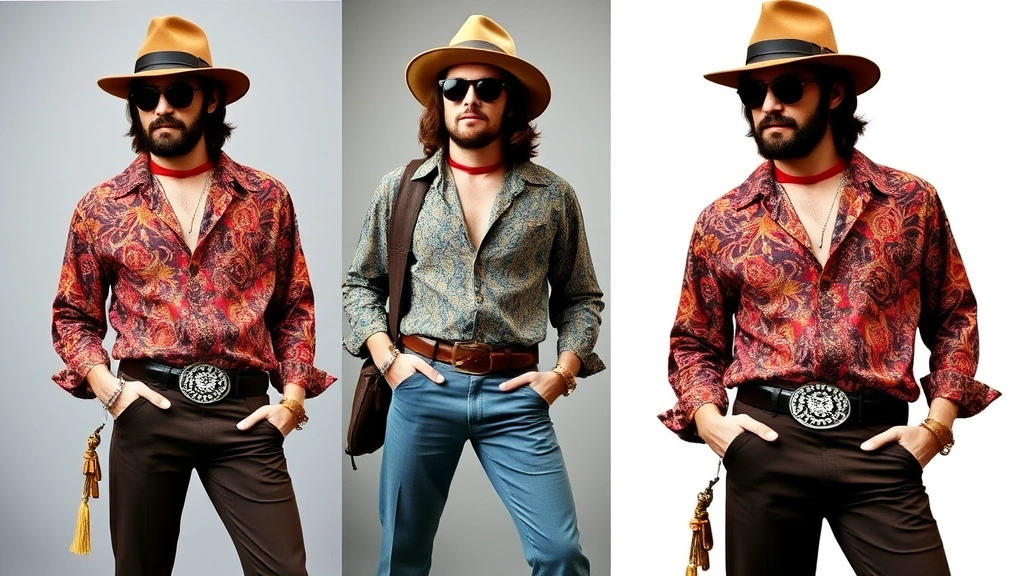
Hippie fashion rejected the tailored formality of early-60s mod style, favoring loose-fitting clothes, natural fabrics, and earthy tones. Fringe, embroidery, and handmade elements replaced industrial precision. Men grew longer hair and beards, wore headbands and bandanas, and incorporated ethnic-inspired clothing like Indian shirts and Moroccan vests.
This counterculture approach to fashion represented philosophical rebellion against consumerism and conformity. Thrift store finds, vintage pieces, and handmade garments held more value than new designer clothing. The message was that authentic style came from personal expression rather than following established fashion rules.
The tension between mod’s structured precision and hippie bohemianism created the decade’s dynamic fashion landscape. Some men embraced one aesthetic entirely, while others blended elements, creating hybrid styles that reflected their individual values and cultural engagement.
Footwear and Accessories
Sixties fashion for men extended beyond clothing to include distinctive footwear and accessories that completed outfits and demonstrated fashion awareness.
Chelsea Boots dominated the early-to-mid 60s, with their elastic side panels and pointed toes offering elegant practicality. Oxford shoes remained popular for formal occasions, though designers updated them with slimmer proportions matching tailored suiting. Toward the decade’s end, sandals and canvas sneakers reflected the counterculture’s casual approach.
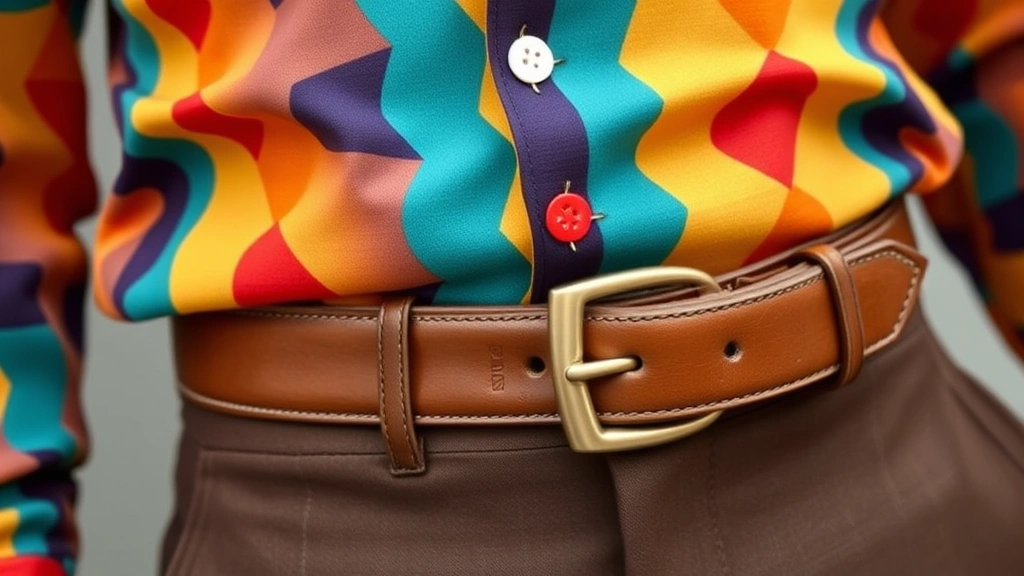
Accessories played crucial roles in completing sixties looks. Narrow ties in bold colors and patterns paired with fitted dress shirts. Pocket squares added sophistication to jacket pockets. Wide leather belts with statement buckles emphasized the slim waistlines of mod tailoring. Watches, rings, and chains became acceptable jewelry for men, breaking previous restrictions on male ornamentation.
Hats remained important accessories, though their styles evolved. Flat caps and baker boys suited the mod aesthetic, while wide-brimmed hats appealed to counterculture fashion. The decline of hat-wearing began in the 60s as younger men embraced longer hair and rejected older formal conventions.
Eyewear became a fashion statement, with oversized frames and tinted lenses reflecting the era’s experimental spirit. Designer sunglasses transitioned from purely functional items to style accessories that conveyed sophistication and cultural awareness.
How to Wear 60s Fashion Today
Incorporating sixties fashion elements into modern wardrobes requires understanding which pieces translate well to contemporary style and how to avoid looking like a complete costume.
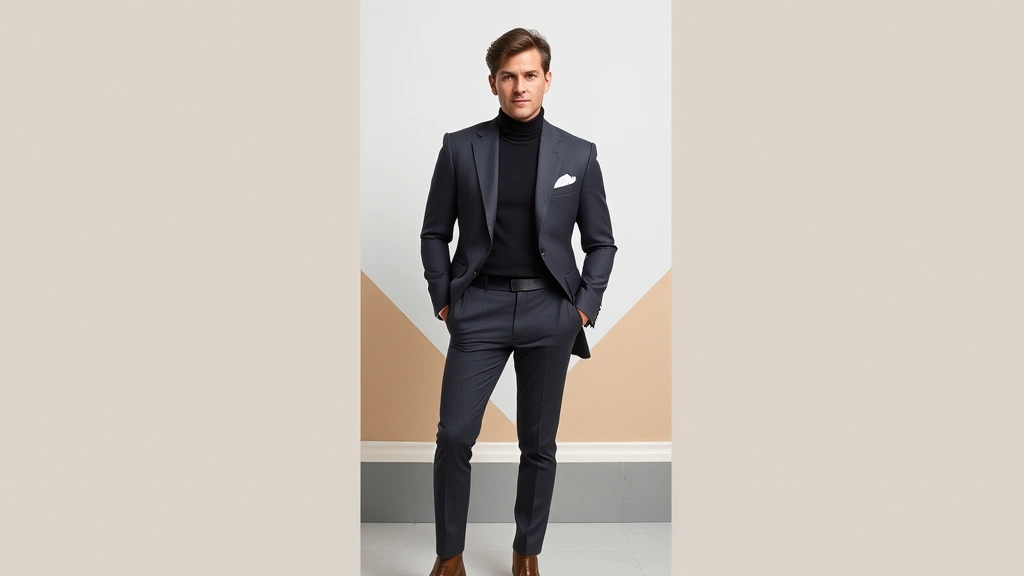
Start with tailoring. Invest in well-fitted blazers with contemporary proportions that echo mod precision without being historically exact. Slim-fit dress pants, while not as cropped as authentic 60s styles, capture the spirit of that era’s silhouettes. A tailored approach to modern clothing automatically channels sixties sophistication.
Embrace color strategically. Rather than wearing head-to-toe bold patterns, select one statement piece—perhaps a vintage-inspired geometric shirt or patterned tie—and pair it with neutral basics. This approach honors the decade’s adventurous color philosophy while maintaining modern wearability.
Invest in Chelsea Boots. These remain entirely contemporary while providing authentic sixties credibility. Pair them with slim jeans, tailored trousers, or vintage-inspired pieces for effortless period-appropriate styling that feels current.
Layer thoughtfully. Turtlenecks under blazers, fitted cardigans over dress shirts, and structured outerwear all reference 60s silhouettes while working with modern fashion sensibilities. Layering adds visual interest and allows you to build cohesive, sophisticated outfits.
Accessorize with intention. Vintage-inspired watches, leather belts with understated buckles, and silk pocket squares add sixties flair without overwhelming contemporary proportions. Quality accessories demonstrate fashion awareness and respect for the era’s aesthetic values.
Know your reference points. Study iconic 60s figures like Steve McQueen, The Beatles, and James Bond film characters to understand how to balance vintage inspiration with modern context. These cultural figures successfully navigated the decade’s fashion evolution.
The key to wearing sixties fashion today is understanding the philosophy behind the pieces rather than recreating exact historical replicas. The mod movement’s emphasis on quality tailoring, the counterculture’s celebration of individuality, and the era’s willingness to experiment with color all remain relevant to contemporary menswear. By thoughtfully selecting pieces that reflect these values, you can create outfits that honor the 1960s while feeling authentically modern.
For those interested in understanding how cultural movements influence fashion, exploring broader cultural contexts and historical perspectives enriches your appreciation of why sixties fashion evolved as it did. The decade’s fashion changes reflected deeper social transformations that continue influencing how we dress today.
FAQ
What defines mod fashion in the 1960s?
Mod fashion features slim-fitting tailored suits, narrow lapels, cropped trousers, and an emphasis on precision tailoring. It originated in London and represented youth culture’s rejection of conservative 1950s formality. The aesthetic celebrated clean lines, geometric shapes, and quality construction.
How did the counterculture change men’s fashion?
The counterculture embraced loose-fitting clothing, natural fabrics, earthy tones, and handmade elements that contrasted sharply with mod precision. Hippie fashion prioritized individual expression and authenticity over designer labels and conformity, introducing fringe, embroidery, and ethnic-inspired pieces.
Are Chelsea Boots still fashionable?
Yes, Chelsea Boots remain entirely contemporary and are considered a timeless menswear essential. Their clean silhouette and versatility make them appropriate for various occasions and styling contexts. They provide authentic sixties credibility while feeling completely modern.
Can I wear 1960s fashion without looking like I’m in costume?
Absolutely. Focus on tailoring, quality construction, and strategic color choices rather than exact historical recreation. Incorporate one or two period-inspired pieces with contemporary basics to create outfits that reference the era without appearing theatrical. Understanding the philosophy behind sixties fashion—precision, individuality, and quality—matters more than specific garments.
What accessories best complement sixties-inspired outfits?
Leather belts, silk pocket squares, vintage-style watches, and quality ties in bold colors or geometric patterns work well. Chelsea Boots provide footwear authenticity. Avoid over-accessorizing; quality pieces worn with intention create more impact than numerous accessories.
Which sixties fashion pieces work best for modern workplaces?
Tailored blazers, slim-fit dress pants, fitted dress shirts with pointed collars, and quality leather shoes all reference sixties style while remaining professional. Chelsea Boots work in creative industries. Subtle color choices and quality construction maintain workplace appropriateness while honoring the era’s aesthetic values.

Related Posts

Perfect Old Fashioned Donut: Baker’s Secrets
Old Fashioned Chocolate Pie Recipe? Chef’s Favorite