Is Rum Old Fashioned Worth Trying? Mixologist Insights
Is Rum Old Fashioned Worth Trying? Mixologist Insights
The rum old fashioned has emerged as one of the most sophisticated and versatile cocktails in modern mixology. Whether you’re a seasoned cocktail enthusiast or exploring classic drinks for the first time, this spirit-forward creation deserves a place in your drinking repertoire. We’ll explore what makes this drink exceptional, how to craft it properly, and why mixologists worldwide continue to champion it as a gateway to understanding rum’s incredible complexity.
The rum old fashioned represents more than just a beverage—it’s a masterclass in simplicity, balance, and the art of letting premium ingredients shine. Unlike trendy cocktails that rely on elaborate techniques and exotic ingredients, this drink proves that sometimes the most memorable experiences come from respecting tradition while embracing quality. Let’s dive into what makes this classic worth your time.
What Makes a Rum Old Fashioned Different
The rum old fashioned distinguishes itself from its whiskey counterpart through the unique flavor profile that rum brings to the table. While the traditional whiskey version relies on oak and grain notes, rum introduces tropical complexity, molasses sweetness, and sometimes subtle spice depending on origin and aging. This fundamental difference creates an entirely new drinking experience that appeals to those seeking something beyond the expected.
Mixologists have long appreciated how rum’s versatility allows for creative expression within the classic framework. The drink maintains the structural integrity of the original—spirit, sugar, bitters, and dilution—while opening doors to flavor exploration. Understanding classic cocktail foundations helps appreciate why this simple formula works so effectively.
The beauty of this cocktail lies in its restraint. Unlike modern craft drinks that might incorporate five or more ingredients, the rum old fashioned respects the principle that great cocktails need space for quality ingredients to express themselves. This approach appeals to bartenders and drinkers who value substance over novelty.
The Essential Ingredients Explained
Creating an exceptional rum old fashioned requires understanding each component’s role in the final drink. Every ingredient serves a purpose, and quality matters significantly.
- Premium Rum: The foundation of your drink. Choose aged rums with complexity and character, typically 5-12 years old. Overproof rums (above 100 proof) add intensity and prevent over-dilution.
- Sugar: Simple syrup or a single sugar cube provides sweetness and body. Many mixologists prefer demerara sugar for its caramel notes that complement rum beautifully.
- Aromatic Bitters: These create depth and balance acidity. Angostura bitters remain the standard, though some experiment with house-made versions.
- Water/Ice: Proper dilution through stirring creates the silky texture that distinguishes a well-made cocktail from a mere spirit pour.
- Citrus Peel: Orange or grapefruit peel expresses essential oils over the drink, adding aromatic complexity without overwhelming the palate.
Each element demands attention. Using cheap rum undermines the entire drink, as does heavy-handed pouring of bitters or excessive sweetness. The interplay between components creates harmony that elevates the drinking experience.
Step-by-Step Mixology Guide
Crafting the perfect rum old fashioned requires technique and intention. Follow these steps to create a drink worthy of your premium ingredients:
- Prepare Your Glass: Use a rocks glass (10-12 oz). Chill it with ice or cold water beforehand. A properly chilled glass maintains drink temperature longer.
- Add Sugar Base: Place one sugar cube or ½ ounce of simple syrup in the glass. If using a cube, it will dissolve during stirring.
- Add Bitters: Pour 2-3 dashes of aromatic bitters onto the sugar. Some prefer a dash of orange bitters for additional complexity.
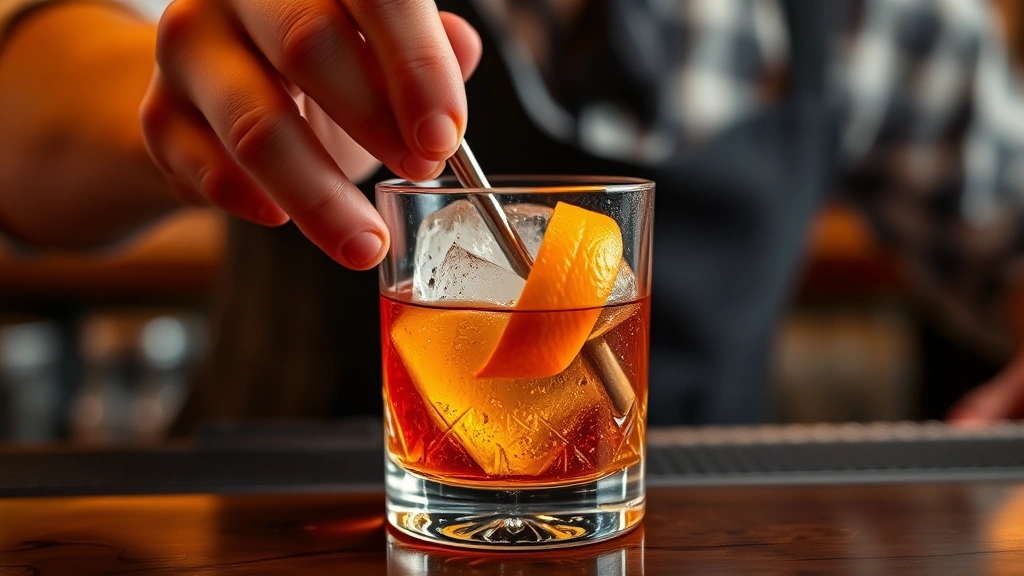
- Gently Stir: Use a bar spoon to gently combine sugar and bitters, creating a paste. This step ensures even distribution without aggressive mixing.
- Add Ice: Place one large ice cube or several smaller ones into the glass. Temperature control matters—large ice melts slowly, maintaining proper dilution.
- Pour Rum: Add 2 ounces of your selected rum. Pour slowly, allowing the spirit to integrate with the other ingredients.
- Stir Thoroughly: Stir for about 30 seconds. This dilutes the spirit with water from melting ice, creating the signature silky mouthfeel.
- Express Citrus: Hold an orange peel over the drink and twist it sharply, allowing oils to spray over the surface. Drop the peel into the glass as garnish.
Technique matters more than speed. Rushed preparation results in an unbalanced drink. The best mixologists approach each cocktail with the same care a chef applies to fine dining.
Rum Selection: The Heart of the Drink
Choosing the right rum fundamentally determines your drink’s character. Understanding rum categories helps navigate the extensive options available.
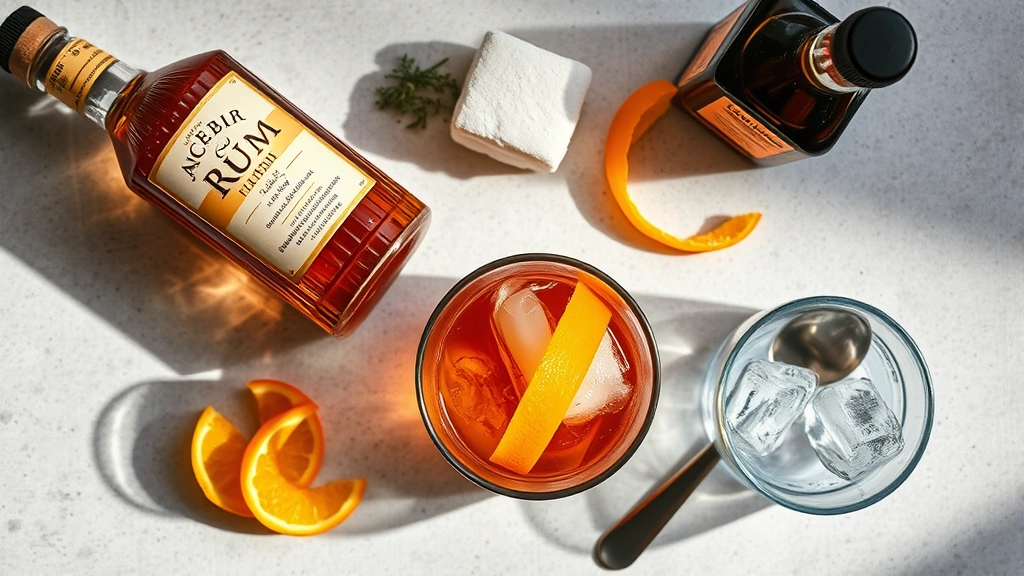
Aged Rums: Look for rums aged 5-12 years in oak barrels. These develop vanilla, caramel, and wood notes that create complexity. Jamaican rums often bring funk and earthiness, while Venezuelan rums tend toward smoothness and spice.
Overproof Rums: Bottled above 100 proof, these spirits maintain presence even with dilution and ice. They’re ideal for understanding how different variables affect the final product.
Single Estate Rums: These come from specific plantations or distilleries, offering unique terroir expression similar to wine. They showcase regional characteristics beautifully in a simple cocktail format.
Avoid mixing premium rum with cheap bitters or excessive sweetness. The drink’s success depends on respecting each ingredient’s quality. Many mixologists recommend starting with well-regarded brands like Appleton Estate, Mount Gay, or Diplomatico to understand what good rum tastes like in cocktail form.
Variations Worth Exploring
Once you master the classic rum old fashioned, several variations offer interesting directions for exploration.
The Spiced Rum Version: Some bartenders use spiced rum to add complexity without additional ingredients. This works beautifully when the spiced rum quality matches your standards.
Tropical Variation: Add ¼ ounce of lime juice and a small amount of pineapple syrup to create a drink that leans toward tiki influences while maintaining old fashioned structure.
The Smoky Interpretation: A few drops of Peychaud’s bitters combined with Angostura creates herbal depth. Some bartenders add a tiny amount of Tiki bitters for additional complexity.
Dry Style: Reduce sweetness by using just ¼ ounce of simple syrup instead of ½ ounce. This appeals to those who prefer spirit-forward drinking and want to taste rum’s natural characteristics more prominently.
Experimentation within the framework of classic cocktail structure leads to personal discoveries. The key involves changing one element at a time and understanding how each adjustment affects balance.
Pairing and Serving Suggestions
The rum old fashioned pairs exceptionally well with various occasions and foods. Understanding serving contexts enhances the overall experience.
Food Pairings: The drink’s balanced sweetness and spirit intensity complement desserts beautifully. Chocolate, caramel, and nutty flavors create harmonious combinations. Savory options including smoked meats, aged cheeses, and spiced dishes also work well. The variety of rum types available means you can select bottles that specifically complement your menu.
Timing and Occasions: This isn’t a quick aperitif—it’s a contemplative drink meant for sipping and savoring. Evening enjoyment, after-dinner service, or relaxed social settings suit it perfectly. The rum old fashioned invites conversation and slow appreciation rather than rapid consumption.
Glassware Matters: The rocks glass isn’t merely traditional—it’s functional. Its shape allows for proper ice integration, adequate space for stirring, and comfortable holding. Never serve in a cocktail glass, which lacks the necessary volume and ice capacity.
Temperature Control: Pre-chill your glass. Use quality ice—preferably large cubes that melt slowly. These technical details prevent the drink from becoming watered-down midway through consumption.
Serving at the right temperature, in proper glassware, with quality ingredients creates the environment where rum old fashioned truly shines. Presentation matters, but substance matters more.
FAQ
What’s the difference between a rum old fashioned and a whiskey old fashioned?
The primary difference lies in the spirit base. Rum introduces tropical notes, molasses sweetness, and sometimes spice, while whiskey brings oak and grain characteristics. Rum versions often feel lighter and more complex, while whiskey versions emphasize warmth and depth. Both are equally valid—the choice depends on personal preference and what flavor profile appeals to you.
Can I make a rum old fashioned without bitters?
Technically yes, but you’ll lose significant complexity. Bitters add herbal depth and balance the sweetness. They’re a crucial component, not optional. Quality bitters aren’t expensive, making them a worthwhile investment for home bartenders.
What proof rum should I choose?
Aim for 80-100 proof for most situations. Overproof rums (above 100 proof) offer intensity but require careful handling. Starting bartenders benefit from standard-proof aged rums, which are forgiving and delicious.
How long should I stir the drink?
Approximately 30 seconds of steady stirring achieves proper dilution and temperature. Under-stirring leaves the drink too strong and warm. Over-stirring (beyond 60 seconds) can over-dilute it. The goal is achieving silky texture without losing spirit character.
Is the orange peel essential?
Yes, it serves functional and aromatic purposes. Expressing the oils over the drink adds complexity and aroma. The citrus peel garnish complements rum’s natural characteristics beautifully. Don’t skip this step—it’s not merely decorative.
Can I use simple syrup instead of a sugar cube?
Absolutely. Both work equally well. Sugar cubes add visual appeal and slight theatrical element, while simple syrup integrates more quickly. Choose based on preference and what you have available.
What makes a rum old fashioned worth trying?
This cocktail represents the pinnacle of mixology—simplicity, balance, and respect for ingredients. It teaches you what good rum tastes like, demonstrates proper technique, and provides a framework for exploration. Whether you’re beginning your cocktail journey or refining established tastes, the rum old fashioned offers genuine value and consistent satisfaction. Understanding how choices affect outcomes applies to cocktail crafting as much as any other discipline.

Related Posts
Perfect Old Fashioned Donut: Baker’s Secrets
Old Fashioned Chocolate Pie Recipe? Chef’s Favorite