Remote Fashion Jobs: How to Find the Best Fit?
Remote Fashion Jobs: How to Find the Best Fit?
The fashion industry has undergone a dramatic transformation over the past decade, and remote work has become a game-changer for professionals seeking flexibility without sacrificing career growth. Whether you’re a designer, stylist, merchandiser, or marketing specialist, remote fashion jobs offer unprecedented opportunities to build a thriving career from anywhere in the world. The shift toward digital-first operations has opened doors that were previously closed to those unable to commute to fashion capitals like New York, Paris, or Milan.
Finding the right remote fashion position requires strategy, persistence, and a clear understanding of what roles are available in today’s market. This comprehensive guide will walk you through the landscape of remote fashion careers, helping you identify opportunities that align with your skills, experience, and lifestyle goals. From freelance design work to full-time positions with major fashion houses, the possibilities are more expansive than ever before.
Types of Remote Fashion Jobs Available
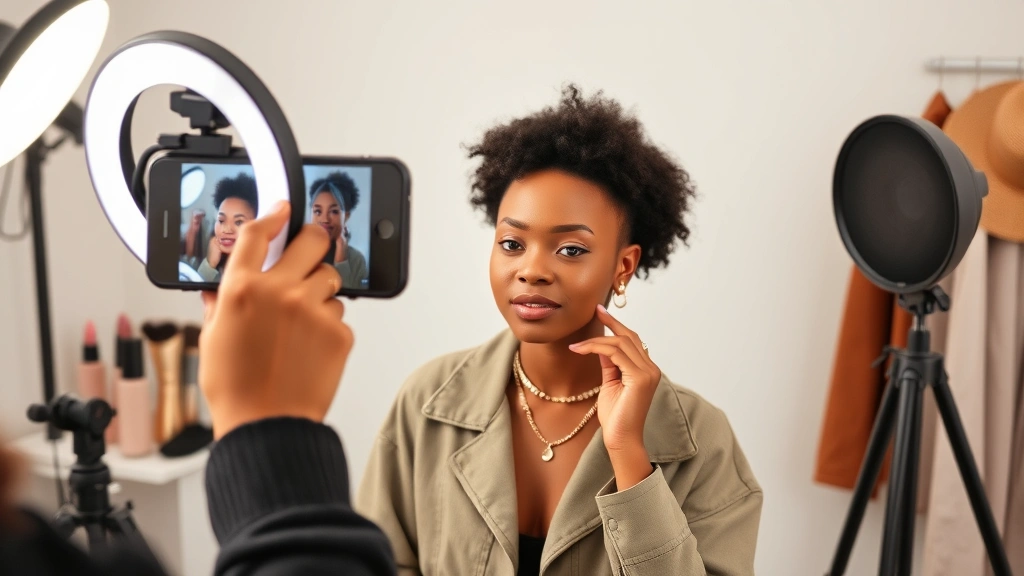
The diversity of remote fashion jobs means there’s likely a position suited to your unique skill set. Fashion design remains one of the most sought-after remote roles, with companies hiring digital designers who can work with CAD software, create technical drawings, and develop seasonal collections from home studios. These positions typically require a strong portfolio and experience with industry-standard design tools.
Fashion styling and personal shopping have also gone virtual, with remote stylists working with clients across the globe via video consultations and digital mood boards. This role combines creative vision with client service, making it ideal for those with strong interpersonal skills and an eye for trends. Vogue and other fashion publications frequently feature stories about successful remote stylists who’ve built six-figure businesses from home.
Content creation and social media management represent another booming segment of remote fashion work. Brands desperately need skilled professionals who can create engaging posts, manage influencer partnerships, and develop content calendars. This role bridges marketing and fashion, requiring both creative thinking and analytical skills. Fashion writers and editors work remotely for online publications, blogs, and brand websites, crafting compelling narratives around collections and trends.
Merchandising and product management roles have increasingly shifted to remote formats, allowing professionals to analyze sales data, forecast trends, and coordinate with design teams entirely online. Quality assurance specialists review product photography, check technical specifications, and ensure brand consistency across digital platforms. E-commerce positions, including user experience design and conversion optimization, have become essential as fashion retailers prioritize their online presence.
Virtual fashion consulting represents a newer but rapidly growing field. Consultants advise brands on market trends, sustainability practices, and business strategy from remote locations. Customer service roles, though sometimes underestimated, offer stable remote opportunities with fashion retailers and luxury brands seeking multilingual support staff. For those interested in sustainable practices, consider exploring sustainable fashion brands that prioritize eco-conscious operations, many of which offer remote positions aligned with environmental values.
Building Your Remote Fashion Portfolio
Your portfolio is your calling card in the fashion industry, and for remote positions, it needs to be exceptionally strong since you won’t have in-person opportunities to showcase your work. Begin by curating your best pieces, whether that’s design sketches, styling photos, campaign concepts, or written samples. Quality trumps quantity—a portfolio with ten exceptional pieces outweighs one with fifty mediocre examples.
Digital presentation matters enormously for remote fashion work. Create a professional website using platforms like Squarespace, Wix, or Adobe Portfolio that displays your work beautifully and loads quickly. Include case studies that explain your creative process, the challenges you faced, and the results you achieved. If you’re a designer, show technical drawings alongside finished products. If you’re a stylist, include before-and-after photos with client testimonials.
Consider creating a specialized portfolio for each type of remote fashion job you’re pursuing. A styling portfolio should look dramatically different from a design portfolio. Include relevant work samples—if applying for e-commerce roles, showcase your understanding of product photography and digital merchandising. For content creation positions, maintain an active Instagram or TikTok account demonstrating your ability to create engaging fashion content.
Document your process through behind-the-scenes content. Fashion employers want to understand how you think and work, not just what your finished products look like. Create short videos or written descriptions explaining your design philosophy, trend research methodology, or styling approach. This transparency builds trust and helps remote employers assess whether your working style aligns with their needs.
Seek feedback from industry professionals and continuously update your portfolio as you complete new projects. Join fashion communities online where you can share work, receive constructive criticism, and network with potential employers. Behance, Dribbble, and Instagram serve as portfolio platforms where fashion professionals congregate and discover talent.
Where to Search for Remote Fashion Positions
Specialized job boards dedicated to fashion careers are your first stop when hunting for remote fashion jobs. Fashion Careers, FashionUnited, and StyleCareers maintain extensive listings specifically for the industry, with many employers filtering for remote positions. These platforms understand the unique requirements of fashion work and attract serious employers actively recruiting for the sector.
General remote work job boards like FlexJobs, We Work Remotely, and Remote.co feature comprehensive fashion categories. These sites vet employers to eliminate scams, providing peace of mind as you apply. LinkedIn remains invaluable for remote fashion job searching—follow fashion companies, set up job alerts for relevant keywords, and engage with fashion industry content to increase your visibility to recruiters.
Company websites themselves often list remote positions before they appear on job boards. Research fashion brands and retailers you admire, bookmark their careers pages, and check regularly for openings. Many companies now clearly indicate which positions offer remote flexibility, making your search more efficient. Don’t overlook smaller, emerging fashion brands and digital-native companies, which often embrace remote work more enthusiastically than established conglomerates.
Freelance platforms like Upwork and Fiverr offer opportunities for remote fashion work on a project basis. While these platforms require building reputation through quality work and client reviews, they provide flexibility and the ability to work with multiple clients simultaneously. This approach suits those interested in building a diverse client base or testing remote work before committing to full-time positions.
Industry events, even virtual ones, provide networking opportunities that can lead to remote fashion jobs. Fashion weeks, trade shows, and online conferences connect you with hiring managers and allow you to learn about opportunities before they’re publicly advertised. Virtual networking groups and fashion-focused Slack communities create spaces where professionals share job leads and recommendations.
Recruitment agencies specializing in fashion placement can be invaluable, particularly for more senior remote fashion jobs. These agencies maintain relationships with major brands and often know about positions before they’re posted publicly. They can also advocate on your behalf and provide insider knowledge about company cultures and expectations.
Skills That Make You Competitive
Technical proficiency with industry software separates competitive candidates from the rest. Designers need expertise in Adobe Creative Suite, CLO 3D, Illustrator, and potentially Photoshop. Merchandisers should be comfortable with Excel, data analysis tools, and retail management software. Content creators require knowledge of Canva, Adobe Creative Cloud, and social media management platforms. E-commerce professionals benefit from understanding UX design tools and analytics platforms.
Beyond technical skills, strong communication abilities are essential for remote fashion positions. Since you won’t communicate in person, written communication must be clear, professional, and engaging. The ability to explain creative decisions, provide feedback, and collaborate digitally sets you apart. Project management skills help you stay organized when working independently, meeting deadlines and managing multiple projects simultaneously.
Fashion knowledge and trend awareness differentiate truly exceptional candidates. Stay current with runway shows, emerging designers, and industry publications. Understand fashion history, color theory, and design principles. Familiarity with sustainable fashion practices and ethical manufacturing increasingly influences hiring decisions, particularly for companies committed to environment awareness and responsible business practices.
Adaptability and self-motivation become crucial in remote environments. You’ll need to manage your time effectively, maintain productivity without direct supervision, and solve problems independently. The ability to work across different time zones, manage communication with distributed teams, and maintain professionalism in virtual settings directly impacts your success in remote fashion roles.
Cultural competence and global perspective matter increasingly in fashion. Understanding diverse aesthetics, body types, and cultural preferences makes you valuable to brands serving international markets. Multilingual abilities open doors to positions with global fashion companies and can justify higher compensation.
Navigating the Application Process
Customizing your application for each remote fashion position dramatically increases your chances of success. Generic cover letters signal a lack of genuine interest. Instead, research the company thoroughly, understand their brand aesthetic and values, and explain specifically why you’re excited about that particular role. Reference specific collections, campaigns, or company initiatives that resonate with you.
Tailor your resume to highlight relevant experience, using language from the job description. If the posting emphasizes sustainability, highlight any eco-conscious work you’ve done. If they prioritize innovation, showcase projects where you introduced new approaches. Quantify achievements whenever possible—”increased social media engagement by 40%” carries more weight than “improved social media performance.”
Your portfolio submission deserves special attention. Provide a direct link to your best work rather than attaching files, which can be difficult to review. In your cover letter, briefly explain why you’re including specific portfolio pieces. “I’ve included my sustainable collection because your brand’s commitment to environmental responsibility aligns with my design philosophy” shows thoughtfulness and genuine interest.
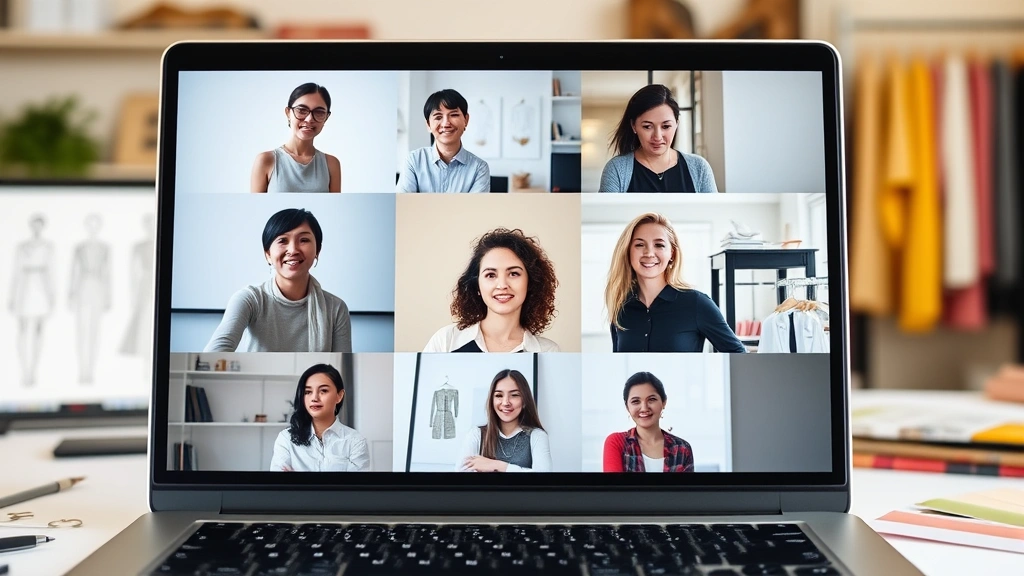
Prepare for video interviews, which are increasingly common for remote fashion jobs. Test your technology beforehand, dress professionally, and treat virtual interviews with the same seriousness as in-person meetings. Maintain eye contact with the camera, speak clearly, and demonstrate enthusiasm through your body language and facial expressions. Have examples ready of remote work you’ve completed, discussing how you managed deadlines and communication in virtual settings.
Follow up professionally after interviews, particularly for remote positions where personal connection requires extra effort. A thoughtful email referencing specific conversation points shows genuine interest and helps you stand out. If you don’t hear back within the stated timeline, a polite follow-up inquiry is appropriate.
Setting Yourself Up for Success
Once you land remote fashion jobs, intentional setup ensures long-term success and career growth. Create a dedicated workspace that minimizes distractions and signals to your brain that it’s work time. Even a corner of your bedroom works if it’s organized, well-lit, and free from interruptions during work hours. Invest in reliable internet, appropriate furniture, and necessary technology—these aren’t luxuries but requirements for professional remote work.
Establish clear boundaries between work and personal time. Remote fashion positions can blur these lines dangerously, leading to burnout. Set specific work hours, communicate them to colleagues, and stick to them. Take breaks, move your body, and maintain the work-life balance that attracted you to remote work in the first place. Understanding human-environment interaction extends to your personal workspace—create an environment that supports your wellbeing and productivity.
Build relationships with colleagues despite physical distance. Participate in virtual team events, engage in company communication channels, and schedule one-on-one video calls beyond formal meetings. Remote workers who feel connected to their teams are happier, more productive, and more likely to advance their careers. Proactively communicate about your progress, challenges, and professional development goals.
Continuously develop your skills and stay current with fashion trends. Take online courses in areas where you want to grow, attend virtual industry events, and maintain an active presence in fashion communities. The fashion industry evolves rapidly, and remote fashion jobs require professionals who demonstrate commitment to ongoing learning and adaptation.
Document your accomplishments and maintain a portfolio of work completed in your remote role. This becomes invaluable when seeking promotions, applying for new positions, or negotiating raises. Regular feedback from managers helps you understand expectations and identify growth opportunities. Don’t wait for annual reviews—schedule regular check-ins to discuss performance and career trajectory.
For those interested in broader industry perspectives, exploring how humans affect the environment can inform sustainable practices you implement in your remote fashion work. Many companies now expect employees to consider environmental impact in their roles, whether designing sustainable collections or reducing waste in operations.
FAQ
What qualifications do I need for remote fashion jobs?
Qualifications vary by role, but most remote fashion positions require relevant experience in the field, a strong portfolio, and proficiency with industry software. Fashion design roles typically require formal design education or extensive self-taught experience. Styling and merchandising positions value practical experience and demonstrated results. Content creation roles prioritize a strong personal brand and proven ability to create engaging content. Many companies increasingly prioritize skills and portfolio quality over formal degrees.
Can I start a remote fashion career as a beginner?
Absolutely, though it requires strategic positioning. Freelance platforms offer entry points where you can build experience and client testimonials. Start by offering services at competitive rates, delivering exceptional quality, and gradually increasing your rates as your reputation grows. Create strong portfolio pieces even if unpaid initially—offer services to friends, create fictional projects, or collaborate with other emerging professionals. Building a respected presence in online fashion communities can lead to paid opportunities.
What are typical salaries for remote fashion jobs?
Salaries vary significantly based on role, experience, location, and company size. Entry-level remote fashion positions might offer $30,000-$45,000 annually, while experienced professionals in senior roles can earn $80,000-$150,000 or more. Freelance work varies dramatically depending on your rates and client base. Research specific positions on Glassdoor and salary databases to understand market rates for your target role and experience level.
How do I stand out when applying for remote fashion jobs?
Customize every application to the specific company and role, demonstrating genuine understanding of their brand. Create an exceptional portfolio that showcases not just finished work but your creative process. Maintain an active, professional presence in fashion communities and on social media. Get involved in industry conversations, share insights, and build relationships with potential employers before applying. Quality of application matters far more than quantity—focus on fewer, highly tailored applications.
What challenges come with remote fashion work?
Remote fashion positions require strong self-discipline, time management, and communication skills. You miss the spontaneous creativity that comes from in-person collaboration and face-to-face feedback. Building relationships with colleagues takes intentional effort. Depending on the role, you might miss hands-on experience with physical products. Success requires proactively addressing these challenges through regular video communication, scheduled collaboration time, and occasional in-person meetings when possible.
Are remote fashion jobs permanent or mostly freelance?
Both exist in abundance. Many major fashion brands now offer permanent remote positions with benefits, salaries, and job security equivalent to office roles. Simultaneously, freelance and contract work remains prevalent, offering flexibility and variety. Your choice depends on your preferences—those seeking stability might prioritize full-time remote positions, while those valuing autonomy might prefer freelance work or contract roles.

Related Posts
Perfect Old Fashioned Donut: Baker’s Secrets
Old Fashioned Chocolate Pie Recipe? Chef’s Favorite