Ouji Fashion Makeup: Tips from Experts
Ouji Fashion Makeup: Tips from Experts
Ouji fashion, a distinctive Japanese aesthetic rooted in Victorian and Rococo elegance, demands makeup artistry that balances sophistication with theatrical charm. Whether you’re exploring this romantic subculture for the first time or refining your signature look, understanding the core principles of ouji makeup transforms your entire presentation. This comprehensive guide draws expertise from makeup artists, fashion historians, and beauty professionals who specialize in alternative fashion aesthetics.
The ouji style celebrates aristocratic beauty through carefully curated makeup techniques that emphasize porcelain skin, defined features, and romantic color palettes. Unlike mainstream makeup trends, ouji fashion requires intentional choices that honor the subculture’s heritage while allowing personal expression. We’ll explore everything from foundational techniques to advanced styling strategies that professional makeup artists use when creating authentic ouji looks.
Understanding Ouji Fashion Makeup Fundamentals
Ouji fashion represents a masculine-leaning interpretation of Lolita fashion, drawing inspiration from 18th-century European aristocracy and Gothic romance literature. The makeup philosophy differs significantly from its feminine Lolita counterpart, emphasizing structured elegance, mysterious sophistication, and refined masculinity. Understanding these foundational principles helps you develop makeup techniques that authentically represent the aesthetic rather than simply applying random products.
The core characteristics of ouji makeup include a porcelain complexion, well-defined bone structure, subtle theatrical elements, and a color palette dominated by cool tones and jewel hues. Professional makeup artists working within this community emphasize that ouji makeup should enhance your natural features while creating an ethereal, almost doll-like quality. This requires precision, patience, and a deep understanding of color theory and face anatomy.
When exploring sustainable fashion brands, many ethical designers now create ouji-inspired clothing that pairs beautifully with carefully executed makeup artistry. The philosophy of intentional, thoughtful aesthetic choices aligns perfectly with sustainable fashion principles.
Perfect Skin Preparation for Ouji Aesthetics
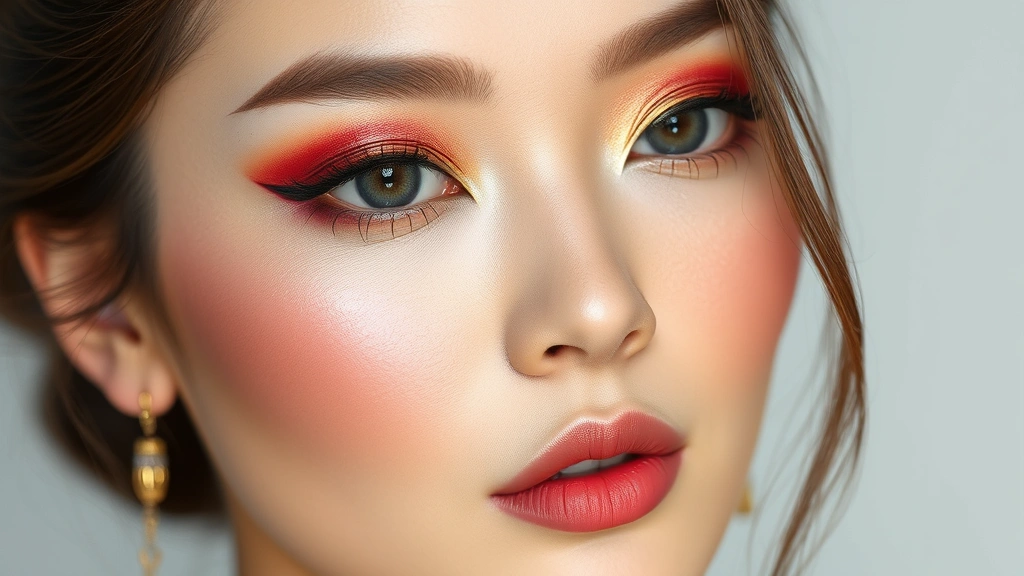
Achieving the signature porcelain complexion that defines ouji fashion begins long before applying foundation. Your skincare routine establishes the perfect canvas for makeup artistry and ensures longevity throughout wear. Professional makeup artists consistently emphasize that skincare is non-negotiable when pursuing this aesthetic.
Essential Skincare Steps:
- Gentle cleansing with pH-balanced formulas removes impurities without stripping natural oils
- Hydrating toners and essences plump the skin, creating smoothness that makeup glides onto effortlessly
- Targeted serums addressing your specific concerns—whether hyperpigmentation, sensitivity, or dryness—create an even skin tone foundation
- Lightweight moisturizers prevent makeup from clinging to dry patches or sliding off oily areas
- Broad-spectrum SPF protection maintains skin health and prevents sun damage that compromises the porcelain appearance
Allow your skincare products 10-15 minutes to fully absorb before beginning makeup application. This patience prevents pilling and ensures products work synergistically rather than competing for space on your skin. Many ouji enthusiasts use essence-rich Korean skincare products that provide the hydration necessary for flawless makeup wear.
Primer application represents a crucial step that bridges skincare and makeup. A hydrating primer creates smoothness while controlling shine in the T-zone, essential for maintaining that ethereal, matte porcelain finish throughout the day. Some artists recommend silicone-based primers for longevity, while others prefer water-based formulas for sensitive skin types.
Creating Your Flawless Base Foundation
Foundation selection and application technique determine whether your ouji makeup appears polished or costume-like. The goal involves creating an absolutely seamless, porcelain-like base that appears almost photoshopped in its perfection, yet remains natural-looking upon close inspection.
Foundation Formula Selection:
Ouji makeup typically requires full-coverage foundation formulas that provide buildable opacity without appearing heavy. Liquid foundations with luminous or matte finishes work beautifully depending on your skin type and personal preference. Stick or cream foundations offer superior blending capabilities for creating seamless transitions, particularly important when sculpting cheekbones and defining facial structure.
Color-matching demands absolute precision. Foundation should match your jawline exactly—not your neck, not your cheek, but your jaw. Many makeup artists recommend swatching three potential shades on your jawline in natural light before purchasing. Ouji aesthetics require this level of exactness because the porcelain finish emphasizes any color discrepancies.
Application technique significantly impacts the final appearance. Using a damp beauty sponge, gently press foundation into skin rather than dragging or buffing. This technique builds coverage gradually while maintaining a natural finish. Start with less product than you think necessary—you can always add more, but removing excess foundation creates streakiness.
Concealer application follows foundation, targeting areas requiring additional coverage: under eyes, blemishes, hyperpigmentation, and the inner corners of eyes. Ouji makeup often involves strategic highlighting, making concealer placement crucial for creating dimensional features rather than a flat appearance.
Eye Makeup Techniques That Define Ouji Style
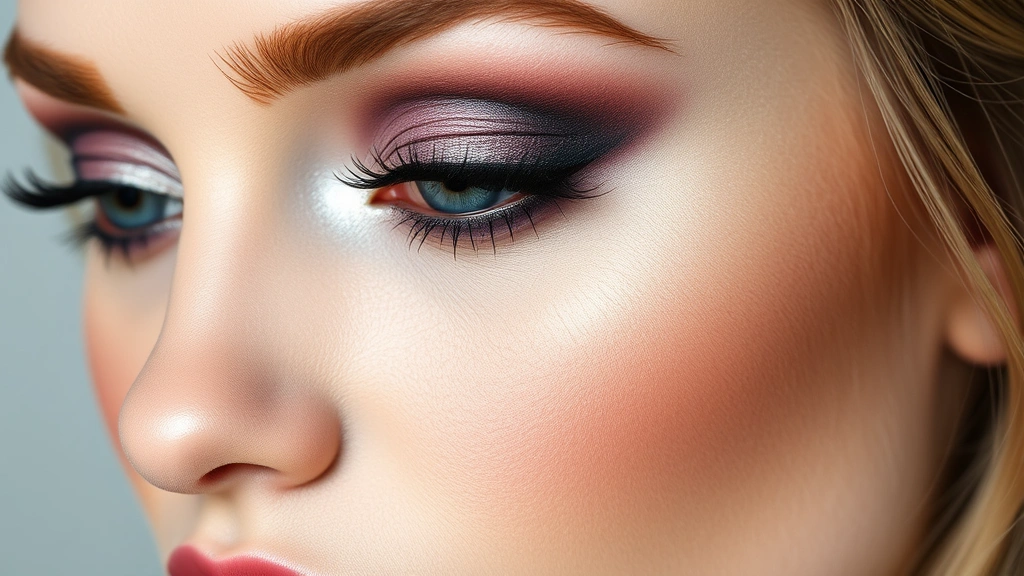
Eye makeup represents the focal point of ouji fashion makeup, where theatrical elements meet refined sophistication. The goal involves creating large, luminous eyes with defined structure that appears almost doll-like without crossing into costume territory.
Eyeshadow Application Strategy:
Professional makeup artists working within the ouji community recommend starting with neutral, cool-toned matte shadows that create depth and dimension. Champagne, taupe, soft gray, and cool browns serve as excellent transition shades that sculpt the eyelid without appearing dramatic. Blend these shades across your entire eyelid, focusing on the crease to create definition.
Secondary shadow application introduces color while maintaining sophistication. Deep plums, dusty roses, soft silvers, and cool burgundies work beautifully for ouji aesthetics. Apply these shades to the lid itself, concentrating color on the inner lid and blending toward the outer corner. This technique creates depth while maintaining the ethereal quality essential to the aesthetic.
Highlight placement elevates the entire eye makeup look. A subtle shimmer or satin finish applied to the inner corner of the eye and brow bone creates luminosity and makes eyes appear larger. Many artists prefer cream-based highlights for seamless blending, though powder formulas work equally well when applied with a light hand.
Eyeliner Techniques:
Eyeliner application in ouji makeup requires precision and intentionality. A thin, well-placed line along the upper lash line defines eyes without appearing harsh. Many artists recommend tight-lining—applying eyeliner to the waterline—to create the illusion of fuller lashes while intensifying the eye shape.
Lower lash line eyeliner remains optional and depends on personal preference. Some ouji enthusiasts prefer a clean lower lash line to maintain softness, while others apply a thin line or subtle smudge for added definition. Avoid heavy, dramatic lower lash lines that can appear costume-like rather than refined.
Wing application, if desired, should remain subtle and elegant. Rather than dramatic cat-eyes, consider soft, barely-there wings that follow your natural eye shape. The goal involves enhancing your features, not dramatically altering them.
Cheeks, Lips, and Finishing Touches
Cheek and lip color selection dramatically impacts how your entire ouji makeup appears. These warm facial features require careful color balancing to maintain the cool-toned, ethereal aesthetic.
Blush Application for Ouji Aesthetics:
Rather than applying blush to the apples of cheeks—a technique that appears youthful and cheerful—ouji makeup artists typically apply color higher on the cheekbone, closer to the temple. This placement creates a more refined, aristocratic appearance while maintaining the porcelain complexion illusion. Dusty roses, cool pinks, soft mauves, and subtle peaches complement the ouji aesthetic beautifully.
Blush intensity should remain subdued. Build color gradually using a large, fluffy brush that diffuses pigment across the cheek area. The goal involves creating a subtle flush that appears natural rather than applied, suggesting a delicate constitution rather than robust health.
Cream blush formulas blend seamlessly into skin and create a more skin-like finish compared to powder formulas. Many professional makeup artists recommend cream blush for ouji aesthetics, particularly for those with dry skin types.
Lip Color Selection:
Lips in ouji makeup should complement rather than dominate. Deep wines, cool berries, muted roses, and subtle browns work beautifully within this aesthetic. Avoid warm oranges, bright reds, or nude shades that can appear washed out or overly casual.
Application technique matters tremendously. Define lips with a matching lip liner, slightly overdrawn to create fuller-appearing lips if desired. Apply lipstick or tint carefully, blending edges for a polished finish. Many ouji enthusiasts prefer matte or satin finishes over glossy formulas, which can appear too youthful or casual.
Lip stains and tints offer excellent alternatives to traditional lipstick, providing color that appears more natural and lasts longer. Layering a stain with a coordinating lipstick creates depth and dimension that enhances the overall makeup artistry.
Color Palettes and Seasonal Variations
Understanding color theory and seasonal variations helps you develop multiple ouji makeup looks that remain authentic to the aesthetic while expressing personal style. Professional makeup artists recommend developing 3-4 signature palettes that align with your undertone and seasonal wardrobe.
Cool-Toned Palettes:
If you have cool undertones (pink, red, or blue undertones in your skin), cool-toned color palettes will harmonize beautifully. Silvers, cool grays, dusty purples, cool pinks, and jewel tones like emerald and sapphire create cohesive, sophisticated looks. These colors appear to enhance natural beauty rather than appearing artificial.
Warm-Toned Adaptations:
Those with warm undertones can still achieve authentic ouji aesthetics by selecting warm-leaning cool colors. Champagne, warm grays, dusty terracotta, soft coral-roses, and warm burgundies maintain the elegant sophistication while harmonizing with your natural coloring.
Seasonal Color Variations:
- Spring: Soft pastels including pale purples, light roses, and cool creams create a delicate, fresh aesthetic
- Summer: Jewel tones like sapphire, amethyst, and emerald provide richness while maintaining sophistication
- Autumn: Warm burgundies, dusty browns, muted golds, and deep plums complement seasonal fashion choices
- Winter: Cool silvers, icy blues, deep purples, and stark blacks create dramatic, refined looks
Advanced Techniques from Professional Artists
Once you’ve mastered foundational ouji makeup techniques, professional makeup artists recommend exploring advanced strategies that elevate your artistry. These techniques require practice but dramatically enhance the sophistication of your final appearance.
Contouring for Ouji Aesthetics:
Strategic contouring creates the refined bone structure characteristic of ouji fashion. Rather than dramatic contouring, use cool-toned matte shadows one to two shades deeper than your skin tone. Apply contour to the hollows of cheeks, along the sides of the nose, and along the jawline to create definition without appearing overdone.
Eye socket contouring involves applying slightly deeper shadow to the crease and outer corner of eyes, creating depth that makes eyes appear larger. Blend thoroughly to avoid harsh lines that compromise the refined aesthetic.
Strategic Highlighting:
Highlighting techniques differ from mainstream makeup approaches. Rather than highlighting the highest points of cheekbones, ouji makeup artists often apply subtle highlights to the inner corners of eyes, down the center of the nose, and along the Cupid’s bow. These placements create luminosity and draw attention to refined features rather than emphasizing fullness.
Cream highlighters blend seamlessly and create skin-like luminosity, while powder formulas offer buildable shimmer. Many professionals recommend using both formulas strategically—cream for seamless blending, powder for intensified glow on specific focal points.
Brow Shaping and Definition:
Eyebrows frame the entire face and require careful attention in ouji makeup. Professional artists recommend maintaining natural brow shape while ensuring clean, defined arches. Brows should appear groomed but not overly sculpted or dramatic.
Brow color should harmonize with your hair color while remaining slightly cooler in tone. Taupe, cool browns, and soft grays work beautifully for ouji aesthetics. Avoid warm, orange-toned brow products that can clash with cool-toned eye makeup.
Product Recommendations and Alternatives
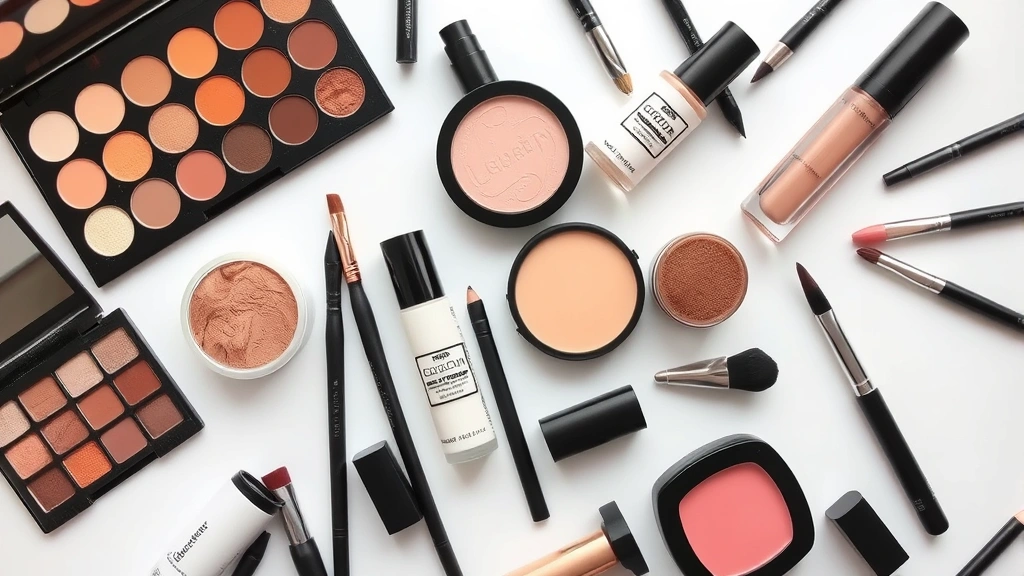
Quality products significantly impact your ability to achieve and maintain authentic ouji makeup throughout the day. Professional makeup artists recommend investing in versatile, long-wearing formulas that perform beautifully across various skin types.
Foundation and Base Products:
Dermatologist-recommended brands like Paula’s Choice offer excellent foundation options with scientific formulations. Korean beauty brands provide exceptional hydrating foundations perfect for achieving porcelain skin finishes. Japanese brands like Shiseido and Canmake offer products specifically designed for achieving the refined aesthetic popular in ouji communities.
Eyeshadow and Color Products:
Cream eyeshadow palettes offer versatility and blendability essential for layering techniques. Powder eyeshadows with excellent pigmentation and minimal fallout work beautifully for detailed eye makeup. Brands specializing in alternative aesthetics often understand color theory necessary for authentic ouji makeup.
Eyeliner and Definition Tools:
Precision eyeliner brushes enable the thin, refined lines characteristic of ouji aesthetics. Gel eyeliners offer superior staying power compared to liquid formulas, essential for maintaining definition throughout extended wear. Waterproof formulas prevent smudging and ensure makeup remains flawless.
Consider exploring Beauty Counter for clean beauty formulations that don’t compromise on performance. Many ethical beauty brands now create products specifically for alternative fashion communities.
Lip Products:
Lip stains provide long-wearing color with a natural finish that complements ouji aesthetics. Matte liquid lipsticks offer dramatic wear time, though they require careful application to avoid a costume-like appearance. Lip tints and stains often work better for maintaining the refined, natural-looking finish essential to this aesthetic.
FAQ
What’s the difference between ouji and Lolita makeup?
Ouji fashion represents a masculine-leaning aesthetic within the broader Japanese alternative fashion community, while Lolita fashion emphasizes feminine, doll-like qualities. Ouji makeup typically features more structured, refined characteristics with emphasis on aristocratic elegance, whereas Lolita makeup often incorporates more dramatic eye makeup and youthful features. Both aesthetics value porcelain skin and careful color coordination, but ouji makeup maintains a more mysterious, sophisticated tone.
Can I wear ouji makeup with my everyday wardrobe?
Absolutely. Ouji makeup techniques—particularly foundational skills like contouring and highlighting—translate beautifully to everyday makeup. You can adapt color palettes to work with modern clothing while maintaining the refined, elegant principles central to ouji aesthetics. Many makeup enthusiasts wear subtle versions of ouji makeup daily, reserving more theatrical looks for special occasions or coordinated outfits.
How long does ouji makeup typically last?
With proper primer application and long-wearing formulas, ouji makeup can last 8-12 hours. The extensive blending and layering involved in creating this aesthetic means that makeup remains relatively stable throughout the day. Using setting spray after completing your makeup extends longevity significantly, particularly for cream products that may shift over time.
What’s the best way to remove ouji makeup?
Gentle makeup removal is essential, particularly around delicate eye areas where you’ve applied multiple products. Use a makeup remover or cleansing oil to dissolve products thoroughly, followed by a gentle cream or gel cleanser. Avoid harsh rubbing that can irritate skin or damage the delicate eye area. Pat skin dry gently rather than rubbing, then apply your regular skincare routine.
How can I make my ouji makeup more sustainable?
Investing in quality products that last longer reduces overall waste compared to constantly replacing products. Explore sustainable makeup brands that align with ethical beauty practices. Consider purchasing makeup in refillable containers or supporting brands committed to reducing packaging waste. Many alternative fashion communities prioritize intentional consumption and sustainable choices alongside aesthetic expression.
Are there specific makeup artists who specialize in ouji looks?
Yes, many makeup artists within the Japanese alternative fashion community specialize in ouji makeup. Searching for makeup artists experienced with Lolita and ouji fashion often yields professionals who understand the specific techniques and color theory required. Many offer tutorials online, and some provide virtual consultations for personalized recommendations.
What undertones work best for ouji makeup?
Cool undertones naturally harmonize with the jewel tones and cool colors typically used in ouji makeup. However, warm undertones can absolutely achieve beautiful ouji aesthetics by selecting warm-leaning cool colors and adjusting color palettes accordingly. The key involves choosing colors that harmonize with your natural coloring while maintaining the refined, sophisticated aesthetic.
Ouji fashion makeup represents a sophisticated intersection of artistry, fashion history, and personal expression. By mastering foundational techniques, understanding color theory, and investing in quality products, you’ll develop the skills necessary to create authentic, beautiful ouji makeup that enhances your natural features while honoring this distinctive aesthetic. Remember that makeup artistry involves experimentation—don’t hesitate to practice, refine your techniques, and develop looks that feel authentically yours within the ouji fashion framework.

Related Posts

Perfect Old Fashioned Donut: Baker’s Secrets
Old Fashioned Chocolate Pie Recipe? Chef’s Favorite