Old Fashioned vs Manhattan: Expert Opinions
Old Fashioned vs Manhattan: Expert Opinions on Two Classic Cocktails
When it comes to timeless cocktails, few drinks command as much respect and debate as the Old Fashioned and the Manhattan. These two classic libations have graced the bars of sophisticated establishments for over a century, each with devoted followers who swear by their preferred choice. Whether you’re a cocktail enthusiast, a home bartender, or simply someone curious about mixology, understanding the nuances between these two iconic drinks will elevate your appreciation for craft cocktails and help you make informed choices when ordering at your favorite establishment.
The Old Fashioned and Manhattan represent two distinct philosophies in cocktail craftsmanship. While both drinks share a foundation of whiskey and bitters, their flavor profiles, preparation methods, and cultural significance differ considerably. By exploring expert opinions and detailed comparisons, you’ll discover which drink aligns better with your palate and preferences. This comprehensive guide examines every aspect of these classic cocktails, from their historical origins to modern interpretations.
Historical Origins and Evolution
The Old Fashioned emerged in the late 19th century at the Pendennis Club in Louisville, Kentucky, where it was created for a prominent bourbon distiller named Colonel James E. Pepper. This drink represents a return to simplicity during an era when cocktails were becoming increasingly complex with multiple ingredients and elaborate techniques. The Old Fashioned philosophy embraces the “less is more” approach, allowing quality whiskey to shine through without excessive modifications.
The Manhattan, conversely, originated in New York City during the 1870s, allegedly created at the Manhattan Club for the mother of Sir Winston Churchill. This drink reflects the sophistication and elegance of the Gilded Age, incorporating vermouth and bitters to create a more nuanced flavor profile. The Manhattan’s emergence marked a shift toward cocktails that balanced multiple ingredients harmoniously, setting the stage for countless variations that followed.
Both drinks have fascinating connections to American culture and history. Understanding their origins provides context for appreciating why bartenders and enthusiasts hold these cocktails in such high regard. The Old Fashioned’s association with refined social traditions and the Manhattan’s connection to urban sophistication continue to influence how these drinks are perceived and consumed today.
Key Ingredients Breakdown
The Old Fashioned requires surprisingly few ingredients: whiskey (typically bourbon or rye), sugar, water, Angostura bitters, and often a citrus peel for garnish. Some recipes include a cherry, though purists debate this addition. The simplicity of this ingredient list is intentional, as each component plays a crucial role in the final product. The whiskey serves as the foundation, the sugar provides subtle sweetness, the bitters add complexity, and the water helps dilute and marry the flavors through ice.
The Manhattan calls for whiskey, sweet vermouth, Angostura bitters, and typically a cherry garnish. Some variations include a dash of orange bitters. The sweet vermouth fundamentally changes the drink’s character, introducing herbal and slightly sweet notes that complement rather than overpower the whiskey. This combination creates a more integrated flavor profile where multiple ingredients work in concert.
Quality matters tremendously when selecting ingredients for either drink. Premium whiskey choices significantly impact the final taste, as does the vermouth selection for Manhattans. Exploring different quality sourcing practices for spirits can enhance your home bartending experience and deepen your appreciation for these classic cocktails.
Flavor Profile Comparison
The Old Fashioned delivers a bold, spirit-forward drinking experience. The whiskey’s natural characteristics dominate the palate, with subtle sweetness from dissolved sugar and complexity from Angostura bitters. The citrus peel provides aromatic oils that add brightness without overwhelming the drink. This results in a cocktail that tastes primarily like quality whiskey, enhanced and refined rather than masked or transformed.
The Manhattan presents a more balanced, integrated flavor profile. The sweet vermouth mellows the whiskey’s intensity while introducing herbal undertones and slight sweetness. Bitters tie the components together, creating a harmonious blend where distinguishing individual ingredients becomes challenging. The drink feels more refined and less harsh than an Old Fashioned, appealing to those who prefer subtlety over boldness.
Tasting notes reveal distinct characteristics in each drink. Old Fashioned enthusiasts describe experiencing the whiskey’s vanilla, caramel, and oak notes, with bitters adding spice and depth. Manhattan drinkers highlight the herbal complexity from vermouth, the smoothness of the combination, and how the cherry garnish complements the overall flavor profile. These differences make the choice between the two highly personal, depending on individual taste preferences and mood.
Preparation Techniques
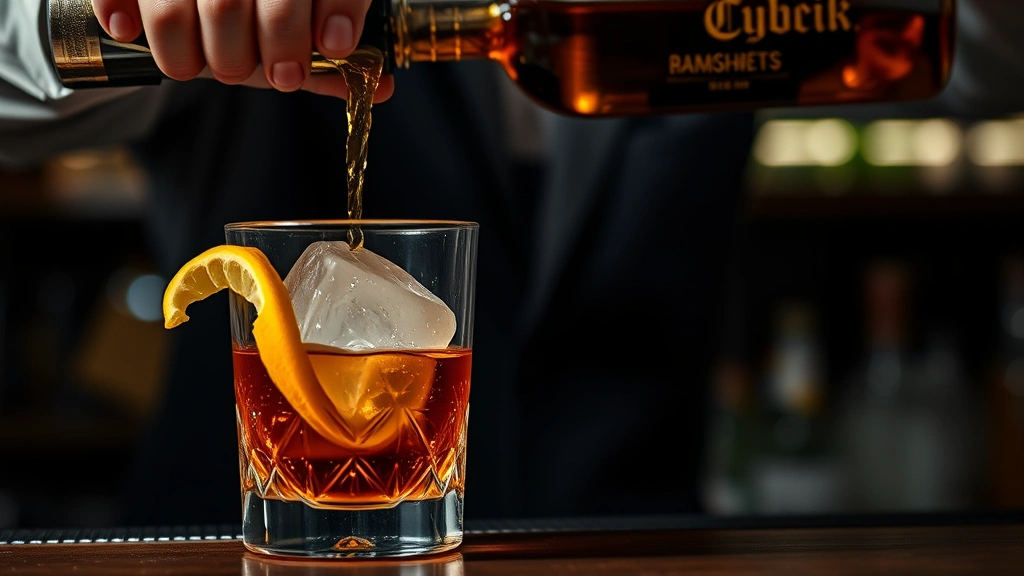
Preparing an Old Fashioned requires understanding proper technique, as the few ingredients demand precision. Begin by adding a sugar cube or teaspoon of sugar to a rocks glass, then add a small amount of water and a few dashes of Angostura bitters. Gently muddle these components to dissolve the sugar without over-crushing, as aggressive muddling can create bitterness. Add a large ice cube or several smaller cubes, then pour in your chosen whiskey. Express a citrus peel’s oils over the drink and add it as garnish. Some bartenders prefer not muddling, instead stirring the sugar and bitters together before adding whiskey and ice.
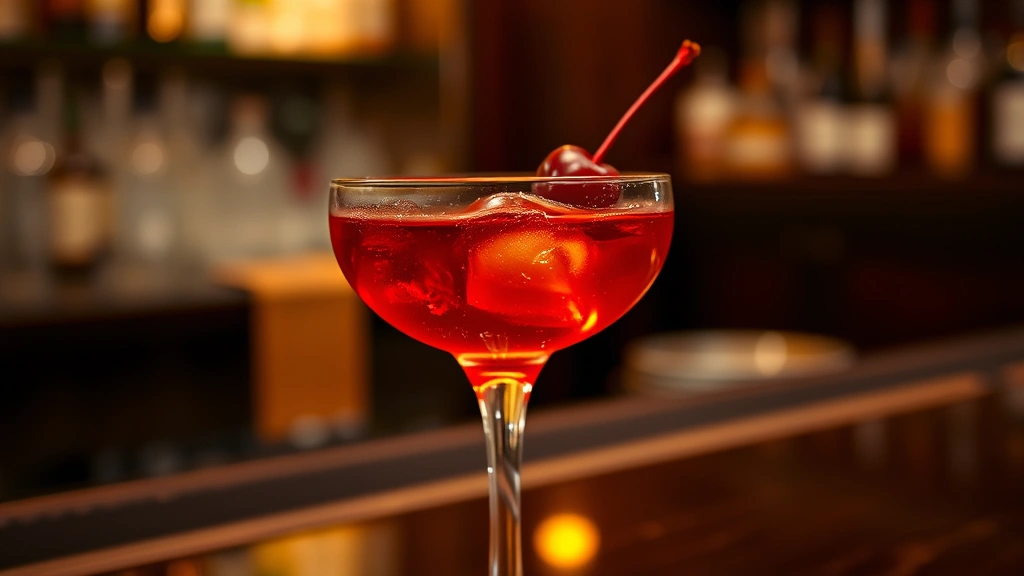
Manhattan preparation involves a different approach. Combine whiskey, sweet vermouth, and bitters in a mixing glass with ice. Stir well for approximately 10-15 seconds to properly chill and integrate the ingredients. Strain into a chilled coupe or cocktail glass. Garnish with a cherry and optionally an orange peel. The Manhattan emphasizes the stirring technique, which properly chills the drink while allowing ingredients to meld without over-dilution.
Temperature and dilution significantly impact both cocktails. Proper chilling ensures smooth, balanced flavors, while appropriate dilution from ice integration creates the correct mouthfeel and flavor intensity. These technical considerations demonstrate why bartender training and experience matter tremendously, even when working with simple ingredient lists.
Expert Bartender Perspectives
Leading mixologists and bartenders offer compelling insights into the Old Fashioned versus Manhattan debate. Many experts emphasize that the Old Fashioned requires exceptional whiskey, as inferior spirits cannot be masked by other ingredients. Professional bartenders frequently recommend quality bourbon selections for this reason, noting that mid-range spirits produce superior results compared to premium options in Manhattans, where vermouth and bitters provide additional complexity.
Renowned cocktail experts also highlight how personal preference and context determine which drink suits a particular moment. The Old Fashioned appeals to those seeking a straightforward, spirit-forward experience—ideal for savoring slowly and appreciating whiskey nuances. The Manhattan suits occasions calling for elegance and sophistication, offering complexity without overwhelming intensity. Some experts suggest that the Old Fashioned represents confidence in quality ingredients, while the Manhattan demonstrates mixology skill and balance.
Modern bartender culture shows renewed appreciation for both classics, with many establishments offering variations and house-made versions. Expert cocktail publications regularly feature refined techniques and ingredient recommendations for perfecting these drinks at home, indicating sustained interest in mastering these foundational cocktails.
Pairing and Serving Recommendations
The Old Fashioned pairs exceptionally well with rich, savory foods. Smoked meats, aged cheeses, dark chocolate, and classic steakhouse fare complement the drink’s bold whiskey character. The citrus peel provides a refreshing counterpoint to heavy dishes, while the bitters enhance savory flavors. Many restaurants recommend Old Fashioneds as aperitifs before substantial meals or as digestifs afterward, acknowledging the drink’s versatility in dining contexts.
The Manhattan’s balanced profile makes it suitable for a broader range of food pairings. Lighter appetizers, seafood preparations, and refined dishes work well alongside this cocktail. The vermouth’s herbal notes complement herbs and spices in cuisine, while the overall smoothness prevents the drink from overwhelming delicate flavors. Some culinary professionals suggest the Manhattan as an ideal cocktail for sophisticated dinner parties where diverse menu options require a versatile pairing choice.
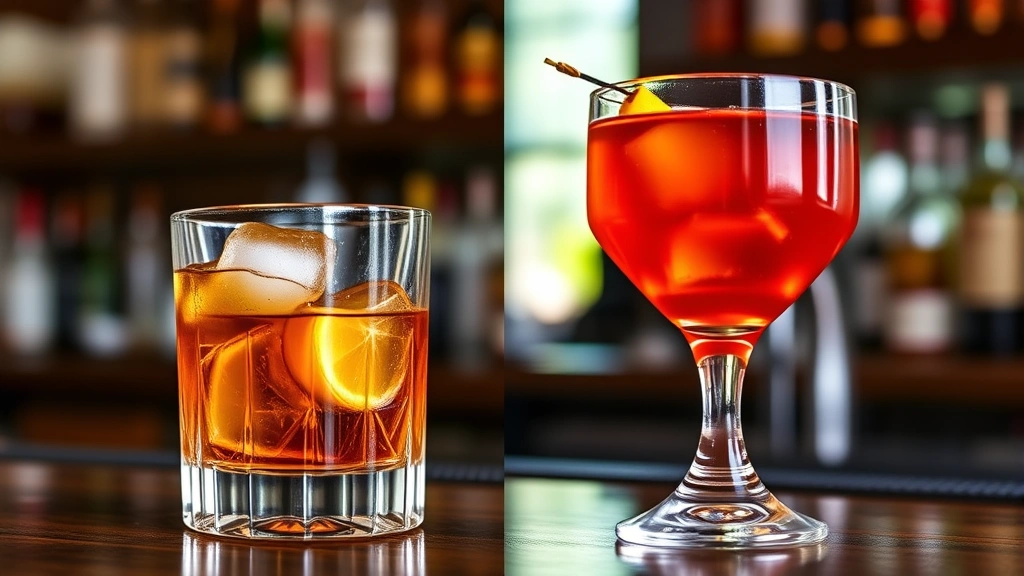
Serving temperature and glassware significantly impact the drinking experience. Old Fashioneds traditionally appear in rocks glasses with large ice cubes that melt slowly, maintaining proper dilution throughout consumption. Manhattans suit chilled coupe glasses or cocktail glasses, emphasizing the drink’s refined nature. Understanding these serving conventions enhances appreciation for how bartenders thoughtfully present these classics, connecting to broader considerations of presentation and environmental impact in hospitality.
Modern Variations and Twists
Contemporary bartenders continue innovating with these classic templates, creating exciting variations while respecting traditional foundations. Old Fashioned modifications include experimenting with different whiskey types—rye, Canadian whiskey, or even single malt scotch—each producing distinct flavor profiles. Some bartenders incorporate smoked bitters, chocolate elements, or unusual citrus peels to add modern flair without abandoning the drink’s essential character.
Manhattan variations demonstrate remarkable creativity within the classic framework. Bartenders substitute different vermouths—dry, blanc, or aged varieties—to create distinct interpretations. Some versions incorporate alternative spirits like cognac or tequila, while others add house-made syrups or unique bitters. The Manhattan’s flexibility allows experimentation while maintaining the drink’s sophisticated essence, making it an excellent template for creative bartenders.
These modern interpretations reflect broader trends in mixology, where respecting tradition while embracing innovation characterizes contemporary cocktail culture. Understanding classic cocktail fundamentals enables bartenders to create meaningful variations that enhance rather than diminish the original drink’s appeal. This philosophy connects to sustainable approaches to hospitality, where respecting established practices while thoughtfully adapting to modern contexts creates value for both creators and consumers.
FAQ
What’s the main difference between an Old Fashioned and a Manhattan?
The primary difference lies in ingredients and philosophy. The Old Fashioned emphasizes whiskey purity with minimal additions—sugar, water, and bitters—creating a spirit-forward drink. The Manhattan incorporates sweet vermouth alongside whiskey and bitters, producing a more balanced, integrated flavor profile. The Old Fashioned showcases whiskey quality, while the Manhattan demonstrates ingredient harmony.
Which drink should I order if I prefer sweeter cocktails?
The Manhattan typically offers more sweetness due to vermouth content, though both drinks contain subtle sweetness. If you prefer notably sweet drinks, consider requesting a Manhattan with extra vermouth or exploring modern variations with house-made syrups. The Old Fashioned’s sweetness comes primarily from dissolved sugar, offering less overall sweetness than a Manhattan.
Can I make either drink at home without special equipment?
Absolutely. Both drinks require only basic glassware and bar tools. An Old Fashioned needs a rocks glass, muddler or spoon, and ice. A Manhattan requires a mixing glass, bar spoon, and strainer, though a regular glass and spoon work adequately. Quality ingredients matter more than equipment, so focus on obtaining good whiskey and fresh vermouth before investing in specialized tools.
What whiskey works best for each drink?
For Old Fashioneds, bourbon or rye whiskey traditionally works best, with mid-range quality spirits producing excellent results. Choose whiskeys with distinct character that shine when served simply. For Manhattans, similar whiskey selections apply, though the vermouth provides additional complexity that masks lower-quality spirits more effectively. Experiment with different whiskey types to discover your preference.
Why do some bars serve Old Fashioneds with fruit instead of citrus?
This reflects regional and personal preferences. Traditional Old Fashioneds feature citrus peels for aromatic oils, but some establishments add cherries or muddled fruit to increase sweetness and visual appeal. Purists argue this deviates from the classic formula, while others embrace variations. Request your preferred version when ordering, as bartenders can easily accommodate preferences.
How should I store vermouth for Manhattan preparation?
Sweet vermouth requires refrigeration after opening, as it contains lower alcohol content than spirits and spoils relatively quickly. Store opened bottles in cool, dark conditions and use within 1-2 months for optimal flavor. Purchase smaller bottles if you make Manhattans infrequently, ensuring freshness. Quality vermouth significantly impacts Manhattan quality, making proper storage essential.
Are there non-alcoholic versions of these classic cocktails?
Yes, bartenders increasingly create alcohol-free versions using botanical syrups, bitters, and other ingredients that capture the flavor essence of originals. These sophisticated non-alcoholic alternatives allow everyone to enjoy classic cocktail experiences regardless of alcohol preferences, reflecting modern hospitality’s inclusive approach.

Related Posts
Perfect Old Fashioned Donut: Baker’s Secrets
Old Fashioned Chocolate Pie Recipe? Chef’s Favorite