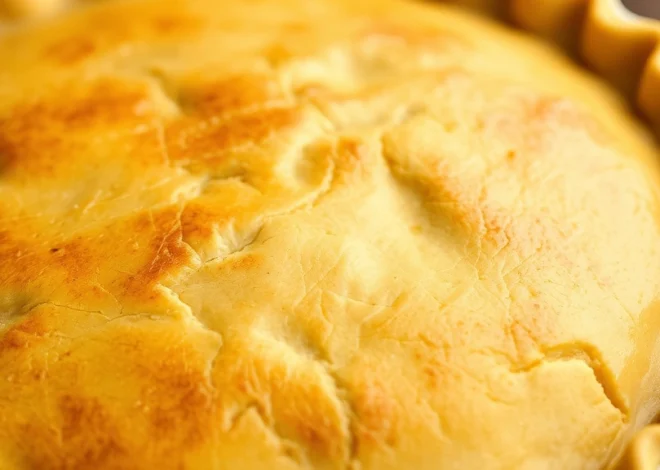
Old Fashioned Pancakes: Top Chef’s Recipe
Old Fashioned Pancakes: Top Chef’s Recipe for Perfect Breakfast
There’s something magical about waking up to a stack of fluffy, golden-brown pancakes that taste like they came straight from a five-star restaurant. The secret isn’t complicated—it’s about understanding the fundamentals and respecting traditional techniques that have made pancakes a beloved breakfast staple for generations. This old fashioned pancake recipe combines classic ingredients with professional chef tips to deliver restaurant-quality results in your own kitchen.
Whether you’re cooking for a special weekend breakfast or impressing guests at a brunch gathering, mastering the art of pancake-making will elevate your culinary confidence. Professional chefs understand that pancakes aren’t just about mixing flour and eggs; they’re about balance, technique, and timing. In this comprehensive guide, we’ll explore everything you need to know to create pancakes that rival those served in upscale restaurants.
Understanding the Classic Pancake Formula
The foundation of perfect pancakes lies in understanding the science behind the batter. Professional chefs know that pancakes require a delicate balance between structure and tenderness. The ratio of dry to wet ingredients determines whether your pancakes will be dense and heavy or light and airy. A proper old fashioned pancake recipe maintains a 1:1 ratio of dry ingredients to wet ingredients by volume, which creates the ideal consistency.
The chemistry of pancake-making involves several key reactions. When you mix flour with liquid, gluten develops—but you want just enough for structure without creating toughness. This is why overmixing is the enemy of fluffy pancakes. Additionally, when baking powder and baking soda interact with acidic ingredients like buttermilk, carbon dioxide bubbles form, creating that signature light texture. Temperature control is equally important, as a properly heated griddle ensures even cooking and those desirable golden-brown exteriors.
Top chefs understand that pancake perfection comes from respecting ingredient ratios and timing. The resting period before cooking allows the leavening agents to activate gradually, while the heat of the griddle sets the structure at just the right moment. This combination of science and technique is what separates mediocre pancakes from exceptional ones.
Essential Ingredients for Authentic Old Fashioned Pancakes
Creating truly old fashioned pancakes requires quality ingredients measured with precision. Here’s what you’ll need for approximately 12-16 pancakes:
- All-purpose flour: 2 cups (the foundation of your batter)
- Granulated sugar: 2 tablespoons (adds subtle sweetness)
- Baking powder: 2 teaspoons (primary leavening agent)
- Baking soda: 1 teaspoon (reacts with buttermilk for lift)
- Salt: 1 teaspoon (enhances all flavors)
- Buttermilk: 2 cups (creates tanginess and tender crumb)
- Eggs: 2 large (provides structure and richness)
- Butter: 3 tablespoons melted (adds flavor and moisture)
- Vanilla extract: 1 teaspoon (deepens flavor complexity)
The choice of buttermilk is crucial for authentic old fashioned pancakes. Unlike regular milk, buttermilk contains lactic acid, which reacts with baking soda to create lift and develop a tender crumb structure. If you don’t have buttermilk on hand, you can create a substitute by adding one tablespoon of lemon juice or white vinegar to regular milk and letting it sit for five minutes. However, true buttermilk from cultured dairy produces superior results.
Eggs serve multiple purposes in pancake batter. The yolks contribute richness and help bind ingredients, while the whites, when gently folded in, can add extra airiness to your pancakes. Some professional chefs separate the eggs and beat the whites separately for ultra-fluffy results, though this technique is optional for this classic recipe.
Step-by-Step Cooking Instructions
Follow these detailed instructions to create perfect old fashioned pancakes every time:
- Combine dry ingredients: In a large mixing bowl, whisk together flour, sugar, baking powder, baking soda, and salt. This ensures even distribution of leavening agents throughout your batter.
- Prepare wet ingredients: In a separate bowl, whisk together buttermilk, eggs, melted butter, and vanilla extract until well combined. The separation of wet and dry ingredients prevents overmixing.
- Create the batter: Pour the wet ingredients into the dry ingredients and gently fold together using a spatula. Stop mixing as soon as you see no white streaks of flour. Lumps in the batter are acceptable and even desirable—they contribute to pancake texture.
- Rest the batter: Allow the batter to rest for 5-10 minutes. This resting period lets the flour fully hydrate and allows leavening agents to begin activating, resulting in fluffier pancakes.
- Preheat your cooking surface: Heat a griddle or large skillet over medium-high heat. The surface should be hot enough that a drop of water immediately sizzles and evaporates.
- Grease the surface: Lightly butter or oil your cooking surface. This prevents sticking while adding flavor to the pancake edges.
- Pour the batter: Using a ¼ cup measuring cup or ladle, pour batter onto the hot griddle. Leave space between pancakes for heat circulation.
- Watch for bubbles: Pancakes are ready to flip when bubbles form on the surface and the edges appear set and slightly dry. This typically takes 2-3 minutes.
- Perfect the flip: Use a thin spatula to flip pancakes in one quick, confident motion. Cook the second side for 1-2 minutes until golden brown.
- Keep warm: Transfer finished pancakes to a warm plate or keep them in a 200°F oven while cooking remaining batter.

Professional Chef Tips and Tricks
Top chefs employ several techniques to elevate pancakes from good to exceptional. Understanding pancake science and professional cooking methods will transform your breakfast game.
Temperature control is paramount. Many home cooks use heat that’s too high, resulting in burnt exteriors and raw centers. Medium-high heat provides the perfect balance—hot enough to create a golden crust but not so intense that the interior doesn’t cook through. Professional chefs often test griddle temperature by sprinkling water droplets; they should dance across the surface rather than immediately evaporate.
Timing your flips correctly separates amateur pancakes from professional results. Flip too early, and your pancakes will be fragile and prone to breaking. Wait for the edges to appear set and bubbles to form on top—this visual cue tells you the bottom is properly cooked. The second side needs only about half the cooking time of the first side.
Butter temperature matters significantly. Always use melted butter rather than cold, as it mixes more evenly into the batter. Some chefs brown their butter before adding it, which adds nutty complexity to the final pancakes. This technique, while optional, creates a sophisticated depth of flavor.
Don’t skip the resting period. Those 5-10 minutes of batter rest are crucial. They allow flour to fully hydrate, creating a more cohesive batter that cooks more evenly. Additionally, this rest time lets baking powder begin activating, ensuring maximum lift during cooking.
Professional pancake makers often keep their griddle at a consistent temperature throughout cooking. As you cook multiple batches, the griddle may cool slightly; adjust your heat accordingly to maintain consistent results across all pancakes.
Common Mistakes and How to Avoid Them
Even with a solid recipe, certain pitfalls can derail your pancake success. Here are mistakes that professional chefs watch out for:
Overmixing the batter is perhaps the most common error. When flour is overmixed, gluten develops excessively, creating tough, dense pancakes instead of fluffy ones. Mix only until ingredients are just combined; lumps are your friends. This is where understanding proper mixing technique becomes essential for success.
Using old leavening agents compromises your results. Baking powder and baking soda have limited shelf lives. Old leavening agents lose potency, resulting in flat pancakes that lack rise. Replace these ingredients annually for best results.
Cooking at incorrect temperatures creates pancakes that are either burnt outside and raw inside or pale and undercooked throughout. Invest in an oven thermometer if your griddle lacks temperature markings, ensuring consistent heat.
Not resting the batter prevents optimal rise and texture development. Those few minutes are crucial for ingredient hydration and leavening activation.
Using room-temperature eggs can cause lumps in your batter. While not catastrophic, room-temperature eggs mix more smoothly with other wet ingredients, creating a more uniform batter.
Additionally, avoid adding ingredients like berries or chocolate chips directly to the batter—they’ll sink to the bottom. Instead, add them to the griddle right after pouring batter, allowing them to distribute evenly throughout the pancake.

Serving and Presentation Ideas
Creating exceptional pancakes deserves equally impressive presentation. Here are professional plating techniques:
Stack strategically: Arrange pancakes in neat stacks of two or three, slightly offset for visual interest. Stacking while pancakes are still warm keeps them from cooling too quickly.
Warm your plates: Serving pancakes on warm plates keeps them at optimal temperature longer. Simply run plates under warm water or place them in a warm oven before serving.
Sauce application: Rather than drowning pancakes in syrup, drizzle it artfully. Warm pure maple syrup adds sophistication compared to corn syrup-based products. Consider offering multiple toppings for guests to customize their experience.
Complement with quality sides: Pair pancakes with crispy bacon, fresh fruit, or whipped cream. These additions demonstrate attention to detail that reflects professional preparation.
When learning about classic pancake recipes and presentation, you’ll discover that plating elevates the entire dining experience. A simple garnish of fresh berries or a dusting of powdered sugar transforms basic pancakes into restaurant-quality fare.
Professional chefs understand that breakfast presentation matters as much as taste. Take time to arrange your pancakes thoughtfully, and your guests will appreciate the effort.
Frequently Asked Questions
Can I prepare pancake batter ahead of time?
You can prepare the dry ingredients the night before by mixing them in a sealed container. However, combine wet and dry ingredients only shortly before cooking. Once mixed, batter loses potency as leavening agents activate. If you must prepare batter in advance, store it in the refrigerator for no more than two hours.
What’s the difference between old fashioned pancakes and other pancake styles?
Old fashioned pancakes rely on traditional ingredients and techniques emphasizing simplicity and quality. They typically use buttermilk, baking powder, and baking soda for lift, creating a tender crumb with subtle flavor. Modern variations might include extras like yogurt or whipped egg whites, but classic old fashioned pancakes focus on perfecting the fundamentals.
How do I keep pancakes warm while cooking the entire batch?
Place finished pancakes on a baking sheet in a 200°F oven. This gentle heat keeps them warm without drying them out. Alternatively, stack them on a warm plate and cover loosely with foil. Avoid stacking directly on top of each other without separation, as trapped steam can make them soggy.
Can I use ingredients like sustainable farming practices to source better pancake ingredients?
Absolutely. Sourcing eggs from pasture-raised chickens and flour from local mills that practice sustainable methods enhances both flavor and nutrition. Quality ingredients make a measurable difference in your final pancakes.
What’s the best type of syrup for old fashioned pancakes?
Pure maple syrup is the gold standard for traditional pancakes. It offers authentic flavor that complements the subtle sweetness of properly made pancakes. Warm your syrup before serving—cold syrup cools pancakes too quickly. Avoid corn syrup-based products, which lack the complexity of real maple syrup.
How can I make pancakes fluffier?
Several techniques increase fluffiness: ensure your baking powder and soda are fresh, don’t overmix the batter, allow adequate resting time, and maintain proper griddle temperature. Some chefs separate eggs and fold in beaten whites just before cooking for maximum air incorporation.
Is there a way to make these pancakes healthier?
You can substitute up to half the all-purpose flour with whole wheat flour, though this creates denser pancakes. Adding oats, chia seeds, or ground flaxseed boosts nutrition. Keep sugar at the recommended amount rather than increasing it—the subtle sweetness of properly made pancakes allows other flavors to shine.

Related Posts
Perfect Old Fashioned Donut: Baker’s Secrets
Old Fashioned Chocolate Pie Recipe? Chef’s Favorite