Vintage Glassware: Is It Worth Collecting? Expert Tips
Vintage Glassware: Is It Worth Collecting? Expert Tips
Vintage and old fashioned glassware has experienced a remarkable resurgence in popularity among collectors, interior designers, and sustainability-conscious consumers. Whether you’re drawn to the elegant Depression glass of the 1920s-1940s, the vibrant colors of mid-century modern designs, or the intricate patterns of Victorian-era pieces, vintage glassware offers both aesthetic charm and potential investment value. But is collecting these treasured pieces truly worth your time and money? The answer depends on your motivations, budget, and willingness to learn the nuances of glass identification and valuation.
Beyond mere decoration, vintage glassware represents a tangible connection to history and craftsmanship. Each piece tells a story about the era in which it was produced, reflecting the artistic movements, manufacturing techniques, and consumer preferences of its time. For many collectors, the appeal extends beyond monetary value—it’s about preserving functional art and reducing waste through thoughtful consumption. Understanding the market dynamics, authenticity markers, and care requirements will help you make informed decisions about whether vintage glassware collecting aligns with your goals.
Understanding Vintage Glassware Categories
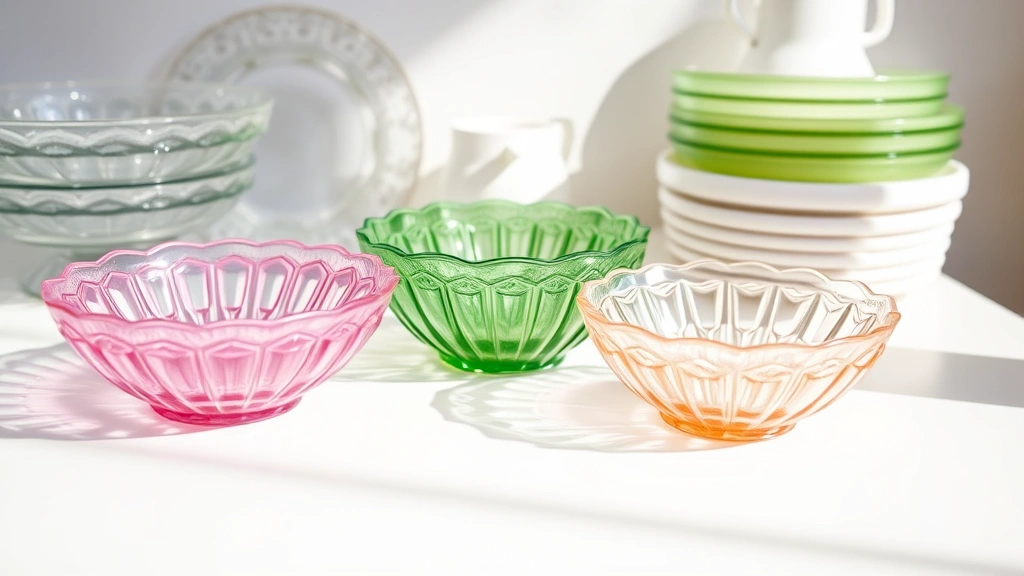
The world of vintage glassware encompasses numerous styles and eras, each with distinct characteristics and collector appeal. Depression glass, produced during the Great Depression and World War II era, remains one of the most accessible and affordable categories for new collectors. These mass-produced pieces feature geometric patterns and come in colors ranging from clear to pink, green, amber, and blue. Their affordability and availability make them an excellent entry point into collecting.
Mid-century modern glassware, produced from the 1940s through 1960s, appeals to collectors seeking sleek, minimalist designs. Brands like Pyrex, with their iconic colorful patterns, have become highly sought after in recent years. Simultaneously, sustainable collecting practices emphasize acquiring vintage items as an eco-conscious alternative to purchasing new goods.
Victorian and Edwardian glassware represents the premium end of the collecting spectrum. Pieces featuring intricate hand-cut patterns, cranberry glass, and art glass varieties command higher prices due to their rarity and craftsmanship. Carnival glass, with its distinctive iridescent coating, occupies a middle ground between accessible and premium collecting, offering beautiful visual appeal at moderate prices.
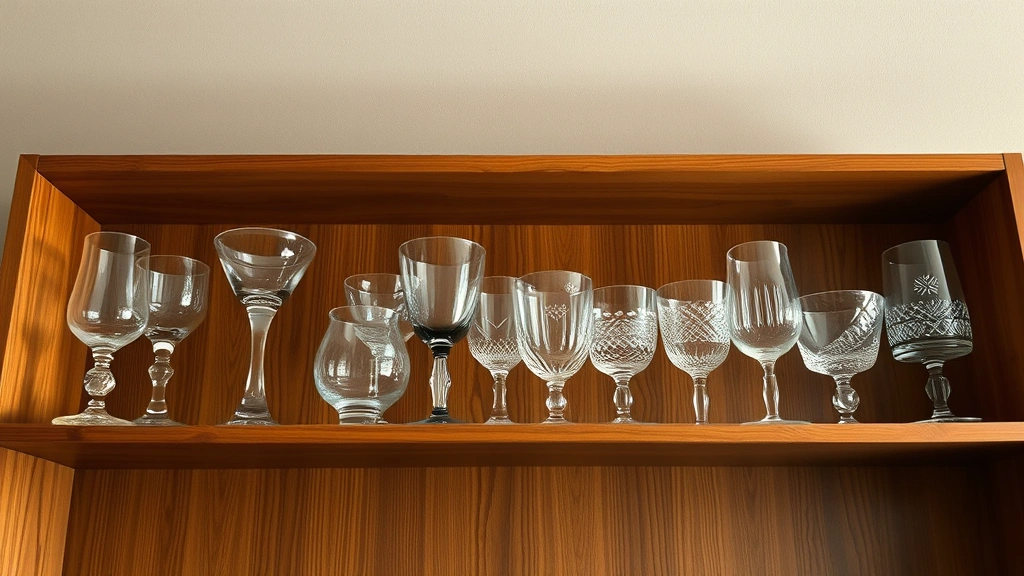
Art Deco glassware from the 1920s-1930s showcases geometric and stylized designs that appeal to modern sensibilities. Stemware, cocktail glasses, and serving pieces from this era often feature etching, cutting, or applied decoration. Understanding these categories helps you focus your collecting efforts and develop expertise in specific areas.
Investment Potential and Market Value
Whether vintage glassware represents a sound financial investment depends on several factors, including rarity, condition, provenance, and current market demand. Rare pieces from limited production runs or by renowned glass artists can appreciate significantly over time. For instance, certain Depression glass patterns or hand-blown art glass pieces have seen substantial value increases over the past two decades.
However, it’s important to approach vintage glassware collecting with realistic expectations. Unlike fine art or rare antiques, most vintage glassware won’t generate dramatic returns on investment. The market for common Depression glass patterns remains relatively stable but not volatile. Collectors should prioritize pieces they genuinely enjoy rather than viewing purchases purely as financial speculation.
The secondary market for vintage glassware operates through multiple channels: online auction sites, antique dealers, estate sales, and specialized collector networks. Research comparable sales to understand current market pricing. Rare items in excellent condition consistently command premium prices, while common patterns in average condition may sell for just a few dollars per piece.
Building value in your collection requires strategic acquisition. Focus on reducing unnecessary consumption through thoughtful collecting, which aligns collecting with broader sustainability principles. Acquire pieces that are harder to find, in exceptional condition, or by notable designers. Complete sets or matching pieces typically hold value better than random singles.
How to Identify Authentic Pieces
Authentication is crucial when collecting vintage glassware, as reproductions and modern pieces can sometimes deceive inexperienced collectors. Learning to identify genuine vintage pieces protects your investment and ensures you’re acquiring authentic historical items. Several reliable indicators help distinguish authentic vintage glassware from modern reproductions.
Manufacturing marks and signatures provide the most concrete authentication evidence. Many glassware manufacturers included marks on the bottom of pieces, such as company names, pattern numbers, or maker initials. Depression glass typically features mold marks and imperfections characteristic of 1920s-1940s manufacturing. Understanding these marks requires consulting specialized reference guides and building relationships with knowledgeable dealers.
Glass composition and weight offer valuable clues about age and authenticity. Vintage glassware generally feels heavier than modern equivalents due to different formulations. Examine the glass surface closely—authentic vintage pieces often display subtle variations in color density, small bubbles, or minor imperfections that modern manufacturing typically eliminates. These characteristics indicate hand-blown or less-automated production methods.
Pattern consistency and design elements reveal authenticity details. Reproduction pieces often exhibit slight differences in pattern depth, symmetry, or color saturation compared to originals. Familiarizing yourself with authentic examples through museum visits, collector publications, and reputable dealer inventories develops your visual identification skills. Many patterns have been reproduced, so understanding which pieces are prone to counterfeiting prevents costly mistakes.
The interaction between human craftsmanship and industrial production during different eras creates distinct characteristics. Hand-cut glass shows individual variation, while machine-pressed pieces display consistent patterns. Knowing the production methods of specific periods and manufacturers enables confident authentication.
Sourcing and Building Your Collection
Finding quality vintage glassware requires exploring diverse sourcing channels and developing research skills. Estate sales represent treasure troves of vintage glassware, often offering pieces at reasonable prices before they reach retail markets. Attending estate sales regularly, arriving early, and building relationships with sale coordinators provides access to better inventory. Auction houses specializing in antiques and collectibles occasionally feature significant glassware lots, though prices may reflect broader market competition.
Antique malls and shops in your area offer browsing opportunities and relationships with dealers who can alert you to incoming inventory. Many dealers specialize in specific glassware categories and develop expertise that benefits collectors. Establishing connections with knowledgeable dealers provides access to pre-sale inventory and fair pricing. Online marketplaces like eBay, Etsy, and specialized collector sites offer convenience and access to national and international inventory, though shipping fragile items requires careful consideration.
Flea markets and local antique shows provide opportunities to examine pieces in person before purchasing. These venues often feature competitive pricing and negotiation possibilities. Developing a collection strategy—focusing on specific patterns, colors, or eras—makes sourcing more efficient and satisfying. Decide whether you’re collecting for use, display, investment, or a combination of purposes, as this influences which pieces to prioritize.
Documentation and record-keeping strengthen your collection’s value. Photograph pieces, note acquisition dates and prices, research provenance when available, and store records digitally and physically. This documentation supports insurance claims, aids future resale, and contributes to the historical record of your collection’s development.
Caring for Your Vintage Glass
Proper care preserves vintage glassware’s beauty, functionality, and value. Gentle hand washing is essential—never place valuable vintage pieces in dishwashers, as harsh chemicals and high temperatures damage glass and decorative elements. Use lukewarm water, mild dish soap, and soft cloths or sponges. Avoid abrasive scrubbing that scratches surfaces or removes delicate decorative coatings.
Drying requires equal attention. Air drying on soft towels prevents water spots and reduces breakage risk. For pieces with intricate patterns or narrow openings, use soft brushes or pipe cleaners to remove water from crevices. Store glassware in stable, secure locations protected from extreme temperature fluctuations, direct sunlight, and vibration.
Display considerations balance aesthetic enjoyment with preservation. UV-protective glass in cabinets prevents color fading in light-sensitive pieces like uranium or cobalt glass. Avoid overcrowding shelves—adequate spacing reduces breakage risk and allows proper appreciation of each piece. For actively used vintage glassware, ensure pieces are structurally sound before serving food or beverages.
Addressing damage thoughtfully maintains value and functionality. Minor chips on rims don’t necessarily diminish collecting value, while cracks compromise structural integrity. Professional restoration exists for significant damage, though it should be disclosed when selling pieces. Some collectors prefer authentic aging and patina over restoration, viewing damage as evidence of the piece’s history and use.
Sustainability and Environmental Benefits
Collecting vintage glassware aligns with environmental and society principles by extending product lifecycles and reducing demand for new manufacturing. Glass production requires significant energy, and mining raw materials impacts ecosystems. By treasuring and using vintage pieces, collectors reduce consumption pressures on manufacturing industries and minimize waste.
Reducing carbon footprints through mindful consumption represents a core benefit of vintage collecting. Purchasing existing pieces rather than new products eliminates manufacturing emissions and packaging waste. Vintage glassware’s durability—many pieces function perfectly after 50+ years—demonstrates superior longevity compared to modern disposable alternatives.
The circular economy perspective positions vintage collecting as active participation in sustainable consumption. Keeping functional items in use rather than landfills reduces waste streams and environmental strain. When collections are eventually dispersed, pieces typically return to circulation rather than disposal, perpetuating this cycle. This approach to sustainable living practices transforms collecting from a luxury hobby into meaningful environmental stewardship.
FAQ
Is vintage glassware safe to use for food and beverages?
Most vintage glassware is safe for food and beverage use, provided pieces are structurally sound without cracks or chips. However, some vintage items contain lead or cadmium in decorative elements or glass formulations. Uranium glass, while radioactive, poses minimal health risks in normal use. When in doubt, consult expert resources or have pieces tested. Avoid using damaged pieces for food service.
What’s the difference between vintage and antique glassware?
Antique glassware is typically 100+ years old, while vintage generally refers to pieces 20-99 years old. This distinction affects value, rarity, and collectibility. Antique pieces often command higher prices due to age and scarcity, while vintage items offer accessibility for new collectors. Both categories deserve proper care and respect.
How do I start collecting without a large budget?
Depression glass offers exceptional value for budget-conscious collectors, with many pieces available for under $10. Focus on common patterns and colors initially, then specialize as your knowledge and budget grow. Estate sales and local antique shops often provide better pricing than online markets. Building knowledge through free resources—library books, collector websites, museum exhibits—costs nothing while enhancing your collecting experience.
Should I collect for investment or personal enjoyment?
The best approach combines both perspectives. Choose pieces you genuinely love and that fit your home aesthetic, while remaining aware of market value and condition factors. This balanced approach ensures satisfaction regardless of future resale value. Authentic collecting joy comes from appreciation, education, and stewardship rather than pure financial speculation.
How do I store a large glassware collection?
Invest in sturdy display cabinets with adjustable shelving and UV-protective glass. Arrange pieces for both visibility and accessibility, avoiding overcrowding. Use soft shelf liners and arrange items in stable positions. Climate-controlled storage areas protect from temperature fluctuations. Document your collection photographically and maintain detailed records for insurance purposes.

Related Posts
Perfect Old Fashioned Donut: Baker’s Secrets
Old Fashioned Chocolate Pie Recipe? Chef’s Favorite