Old Fashioned Xmas Candy: Sweet Memories & Tips
Old Fashioned Christmas Candy: Sweet Memories & Tips
There’s something magical about old fashioned Christmas candy that modern sweets just can’t replicate. These timeless treats carry generations of tradition, evoking warm memories of family gatherings, holiday decorations, and the simple joy of handmade confections. Whether you’re a nostalgic candy enthusiast or discovering these classics for the first time, old fashioned Christmas candies offer authentic flavors and charming presentation that define the holiday season.
From peppermint sticks to taffy pulls, these beloved treats have delighted families for over a century. Many of these candies were originally crafted with care, using basic ingredients and traditional techniques passed down through generations. Today, recreating these sweet memories at home has become a cherished holiday tradition for many families, combining culinary creativity with festive spirit.
Classic Old Fashioned Christmas Candy Varieties
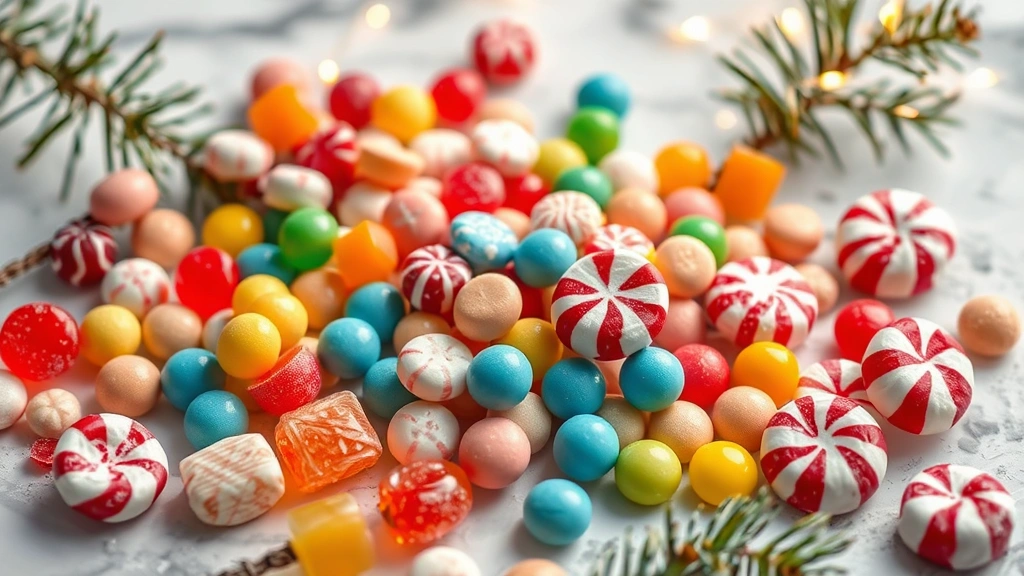
The world of vintage Christmas candy encompasses a delightful array of flavors and textures. Peppermint candy canes remain the most iconic symbol of the season, their distinctive red and white stripes adorning Christmas trees worldwide. These hard candies deliver an intense minty flavor that awakens the senses and pairs perfectly with hot cocoa.
Saltwater taffy represents another beloved classic, offering chewy satisfaction in fruit flavors like cherry, banana, and vanilla. These colorful pieces wrapped in wax paper create beautiful displays and provide endless flavor variety. Ribbon candy, with its delicate loops and vibrant hues, serves both decorative and culinary purposes, melting slowly on the tongue with subtle sweetness.
Pulled sugar candies like butterscotch discs and hard candies showcase traditional candy-making artistry. Divinity, a fluffy nougat-like confection made with egg whites and pecans, represents Southern candy-making heritage. Fudge, whether chocolate or vanilla, delivers rich indulgence in bite-sized squares. Rock candy crystals, grown slowly over weeks, teach children about crystallization while providing edible science experiments.
Lemon drops and cinnamon candies add spiced warmth to holiday celebrations. Marshmallow treats, sometimes dipped in chocolate or rolled in coconut, offer cloud-like texture. Toffee brittle, studded with nuts, provides satisfying crunch and caramel flavor. These candies collectively represent the golden age of American confectionery craftsmanship.
The History Behind Your Favorite Treats
Understanding the origins of old fashioned Christmas candy enriches appreciation for these treats. Many classic candies emerged during the Victorian era when candy-making became a refined art form. Confectioners experimented with sugar, spices, and flavorings to create elaborate desserts that impressed nobility and wealthy families.
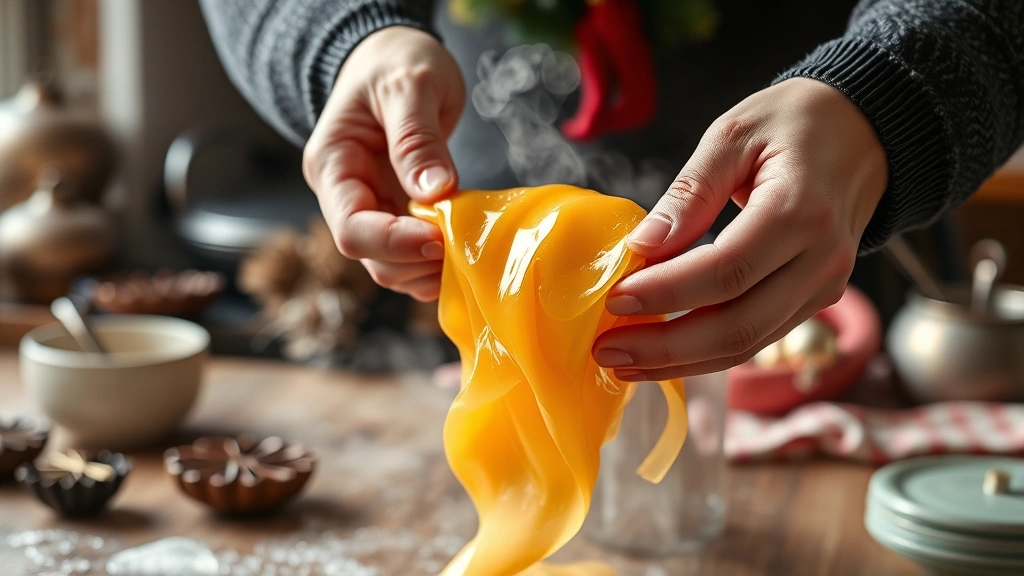
Candy canes originated in 17th century Germany as straight sugar sticks, later bent into shepherd’s crook shapes to represent pastoral themes. The red and white coloring became standardized in the 20th century. Taffy pulling became a popular Victorian parlor entertainment, where groups gathered to stretch warm taffy into glossy ribbons, combining social activity with candy creation.
The industrial revolution transformed candy production, making treats previously available only to the wealthy accessible to common families. Mass production allowed candy manufacturers to distribute festive confections widely, establishing traditions that persist today. Penny candies became affordable luxuries for children, creating generations of candy memories.
Victorian Christmas candy traditions emphasized homemade preparation. Families gathered in kitchens to create elaborate confections, with recipes passed through generations. The labor-intensive nature of these treats made them precious gifts, demonstrating care and affection. Holiday candy became intrinsically linked with family bonding and seasonal celebration.
During the Great Depression and World War II eras, candy became scarce and precious. Rationing made homemade candies even more meaningful, with families guarding cherished recipes. The post-war period saw renewed enthusiasm for traditional candies, as prosperity allowed families to indulge in these nostalgic treats once again.
Making Homemade Christmas Candy
Creating old fashioned Christmas candy at home connects you to culinary traditions while filling your home with delicious aromas. Successful candy-making requires understanding basic principles: temperature control, ingredient ratios, and proper technique. A candy thermometer becomes essential equipment for achieving correct crystallization and texture.
Fudge-making begins with combining chocolate, butter, sugar, and milk in precise proportions. The mixture must reach the soft-ball stage (235-240°F) before cooling and beating until it thickens and becomes grainy. This transformation from liquid to solid represents the magic of candy chemistry. Proper cooling technique prevents unwanted crystallization that creates grainy texture.
Taffy requires pulling warm candy repeatedly to incorporate air and develop the signature chewy texture. This process, traditionally performed by two people working together, creates opportunities for family participation. The pulling aerates the candy, changing its appearance from opaque to glossy while developing proper texture. Some recipes include butter or cream for richness.
Hard candy production demands precise temperature control to achieve glassy texture and brilliant color. Once sugar reaches the hard-crack stage (300-310°F), flavoring oils and coloring must be added quickly before the mixture hardens. Working with hot sugar requires caution and experience, making hard candy creation an advanced technique.
Divinity represents an accessible option for beginners, requiring only egg whites, powdered sugar, corn syrup, vanilla, and nuts. The meringue-like mixture whips into fluffy peaks before being dropped onto parchment paper. This no-thermometer candy becomes foolproof when humidity remains low, making it ideal for dry winter conditions.
Homemade brittle combines nuts with caramelized sugar, creating addictive crunch. The key involves spreading the hot candy mixture thinly and allowing it to cool completely before breaking into irregular pieces. Butter, baking soda, and salt enhance flavor complexity. Variations include using different nuts, seeds, or even pretzels for textural contrast.
Successful candy-making depends on quality ingredients and proper technique. Using fresh butter, real vanilla extract, and premium chocolate elevates homemade treats above commercial versions. Measuring ingredients precisely ensures consistent results. Keeping detailed notes about timing, temperature, and humidity helps troubleshoot future batches.
Storage and Preservation Tips
Proper storage extends the life of old fashioned Christmas candy, maintaining freshness and flavor throughout the season. Different candy types require specific conditions based on their composition and moisture content. Understanding these requirements prevents common problems like stickiness, hardening, or flavor degradation.
Hard candies like peppermint sticks and lemon drops stay fresh longest when stored in airtight containers at room temperature. Moisture represents their primary enemy, causing stickiness and clumping. Including silica gel packets or uncooked rice absorbs ambient humidity. Kept properly, hard candies maintain quality for several months.
Chocolate-based candies require cool, dry storage away from direct sunlight and heat sources. Cocoa butter, the primary fat in chocolate, melts at approximately 93°F, causing candies to soften or develop bloom (white coating). Storing chocolate candies in the refrigerator or cool basement maintains integrity during warm months. Allowing candies to reach room temperature before opening containers prevents condensation.
Taffy and chewy candies benefit from individual wrapping in wax paper or cellophane, preventing pieces from sticking together. Storing them in airtight tins maintains softness and prevents hardening from air exposure. Avoid refrigeration, which can cause these candies to become brittle and lose their appealing texture.
Fudge maintains best quality when wrapped individually and stored in airtight containers at room temperature. Properly made fudge lasts 2-3 weeks, though many families consume it much faster. Chocolate-covered fudge requires cool storage to prevent the chocolate coating from softening. Homemade fudge lacks preservatives found in commercial varieties, limiting shelf life.
Brittle and other nut-based candies must be stored in completely dry conditions, as moisture causes stickiness and softening. Airtight glass jars work better than plastic containers, which can retain moisture. Kept properly, brittle maintains crispness for several weeks. Including desiccant packets provides extra insurance against humidity.
Gift-Giving Ideas for Candy Lovers
Old fashioned Christmas candy makes exceptional gifts, combining nostalgia with personal thoughtfulness. Homemade candies convey effort and care that purchased treats cannot replicate. Presenting candies beautifully elevates the gift experience, making simple sweets feel luxurious and special.
Creating candy assortments allows you to showcase variety and craftsmanship. Combine multiple homemade varieties in decorative boxes, tissue paper, and ribbon for professional presentation. Include handwritten labels describing each candy type and any special ingredients. This personalization transforms homemade candy into memorable gifts that recipients treasure.
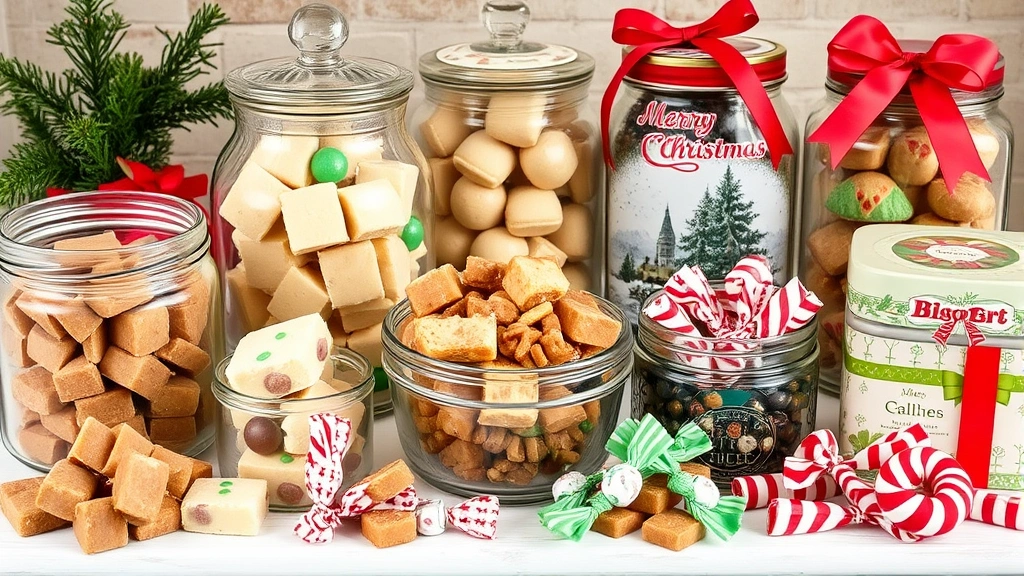
Vintage-style tins filled with assorted hard candies, toffees, and taffy appeal to candy enthusiasts. Layer different varieties for visual interest and flavor progression. Transparent cellophane wrapping tied with festive ribbon creates attractive displays suitable for office gifts or holiday exchanges.
Candy-making kits make wonderful gifts for those interested in learning traditional techniques. Include quality ingredients, a candy thermometer, and detailed instructions for creating classic confections. This gift encourages family bonding and creates opportunities to establish new traditions together.
Pairing candies with complementary gifts enhances the presentation. Include hot cocoa mix with peppermint candies, tea with honey-based drops, or coffee with toffee candies. These combinations create complete gift packages addressing different aspects of holiday enjoyment.
Charitable giving through candy donations supports community causes. Many organizations accept homemade candy for fundraisers, holiday baskets for families in need, or senior center celebrations. Contributing homemade treats demonstrates generosity while sharing joy with broader communities.
Modern Twists on Vintage Favorites
Contemporary candy makers honor tradition while embracing modern flavors and techniques. Craft confectioners combine classic candy-making methods with innovative ingredients, creating exciting variations that appeal to adventurous palates. These modern interpretations maintain the spirit of old fashioned candies while reflecting current taste preferences.
Salted caramel represents a popular modern variation on traditional caramel candy. The interplay between sweetness and salt complexity elevates basic caramel to gourmet status. This flavor profile appears in fudge, taffy, and hard candies, proving that simple additions create sophisticated results.
Infused candies incorporate unexpected flavors like lavender, cardamom, and Earl Grey tea. These botanical additions appeal to mature palates while maintaining the textural qualities of traditional candies. Lavender hard candies and cardamom fudge represent creative interpretations of classic recipes.
Dietary modifications accommodate modern preferences and restrictions. Sugar-free versions use alternative sweeteners to create candies suitable for those monitoring sugar intake. Dark chocolate candies appeal to health-conscious consumers seeking antioxidant benefits. Vegan candies substitute dairy ingredients while maintaining traditional textures and flavors.
Artisanal small-batch producers emphasize quality over quantity, using single-origin chocolates, locally-sourced nuts, and organic ingredients. This approach parallels the handmade traditions of earlier eras while incorporating contemporary sourcing standards. These premium candies command higher prices but deliver exceptional quality.
Sustainable packaging represents another modern consideration. Eco-conscious candy makers replace plastic wrapping with compostable materials, reducing environmental impact. This alignment with sustainable practices creates positive working environments while delivering quality products. Biodegradable wax paper and paper boxes replace plastic alternatives.
Fusion candies blend traditional American confections with international flavors. Matcha peppermint candies, miso caramel, and yuzu hard candies represent cultural candy evolution. These combinations honor traditional candy-making while embracing global culinary influences.
FAQ
What makes old fashioned Christmas candy different from modern candy?
Old fashioned candies emphasize simple, quality ingredients and traditional preparation methods. They typically contain fewer artificial additives and preservatives than commercial modern candies. The slower, more intentional creation process develops deeper flavors and better textures. Many families appreciate the nostalgia and authenticity these candies represent.
Can I make old fashioned candy without special equipment?
While a candy thermometer is highly recommended for most candies, some varieties require minimal equipment. Divinity, fudge, and chocolate-covered treats can be made with basic kitchen tools. However, investing in a reliable candy thermometer prevents failures and ensures consistent results. Most cost under fifteen dollars and last for years.
How long do homemade candies stay fresh?
Shelf life varies by candy type. Hard candies last several months when stored properly. Fudge remains fresh 2-3 weeks. Taffy and chewy candies last 1-2 weeks. Chocolate-based candies depend on storage conditions but generally last 2-3 weeks. Always store in airtight containers in appropriate conditions for maximum freshness.
What’s the best way to prevent candy from crystallizing?
Crystallization occurs when sugar molecules realign, creating grainy texture. Prevent this by avoiding stirring after the sugar reaches target temperature. Use a candy thermometer to ensure reaching proper stages. Adding corn syrup or cream helps prevent unwanted crystallization. Keep humidity low during storage, as moisture promotes crystallization.
Are there vegan options for traditional Christmas candies?
Yes, many traditional candies can be made vegan by substituting dairy ingredients. Vegan butter replaces regular butter, plant-based milk replaces dairy milk, and aquafaba replaces egg whites in divinity. Dark chocolate and nut-based candies are often naturally vegan. Modern candy-makers have created excellent vegan versions of classic treats.
How can I learn traditional candy-making techniques?
Online tutorials, cookbooks, and culinary websites offer comprehensive candy-making guides. Local cooking classes sometimes feature candy-making workshops. Experimenting at home with simple recipes builds skills progressively. Joining candy-making communities provides support and troubleshooting assistance. Starting with foolproof recipes like divinity builds confidence for attempting more complex candies.
What’s the difference between hard-crack and soft-ball candy stages?
These refer to sugar temperatures and resulting textures. Soft-ball stage (235-240°F) creates chewy candies like fudge and taffy. Hard-crack stage (300-310°F) creates brittle, glassy candies like lollipops and hard candies. Temperature precision matters significantly, as small variations dramatically affect final texture. A candy thermometer removes guesswork from achieving correct stages.

Related Posts
Perfect Old Fashioned Donut: Baker’s Secrets
Old Fashioned Chocolate Pie Recipe? Chef’s Favorite