Old Fashion Christmas Candy: Sweet Nostalgia
Old Fashion Christmas Candy: Sweet Nostalgia and Timeless Traditions
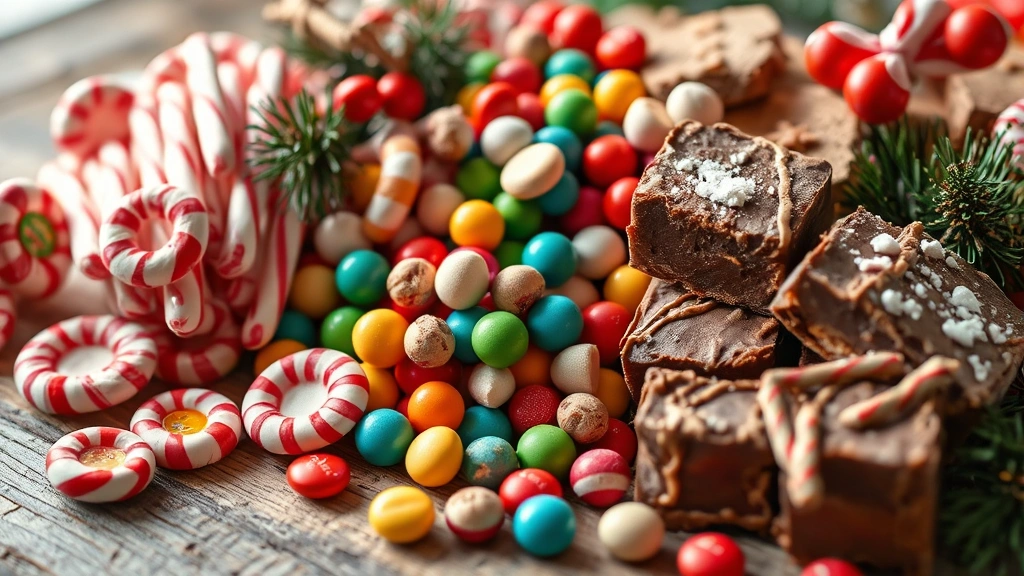
There’s something magical about old fashion Christmas candy that transports us back to simpler times, to childhood memories of decorated gingerbread houses, stockings filled with colorful sweets, and the unmistakable aroma of holiday confections filling the kitchen. These classic candies represent more than just sugar and flavoring—they embody generations of tradition, family gatherings, and the pure joy of the holiday season. Whether you’re a nostalgic adult seeking to recapture those cherished moments or a parent wanting to share these timeless treats with your children, old fashion Christmas candy continues to hold a special place in our hearts and holiday celebrations.
The beauty of traditional Christmas candies lies in their simplicity and authenticity. Unlike modern mass-produced sweets loaded with artificial ingredients and complex flavor profiles, classic holiday confections focus on quality ingredients and time-honored recipes that have been perfected over decades. From hand-pulled taffy to carefully crafted rock candy, these treats remind us of an era when candy-making was an art form, a labor of love that brought families together in the kitchen during the most wonderful time of the year.
The History and Heritage of Traditional Christmas Candy
The tradition of enjoying special candies during Christmas dates back centuries, with roots in medieval Europe where sugar was considered a precious luxury reserved for holiday celebrations. During the Victorian era, candy-making became increasingly popular, and families would spend weeks preparing elaborate confections for their holiday festivities. The development of commercial candy production in the 19th and 20th centuries made these treats more accessible to the general population, yet many recipes remained unchanged, passed down through generations like precious family heirlooms.
What makes old fashion Christmas candy truly special is its connection to cultural heritage and familial traditions. Each region developed its own signature treats—from English butterscotch to German marzipan, from American taffy to French nougat. These candies weren’t just food; they were expressions of love, creativity, and cultural identity. The process of making them became a cherished family ritual, with grandmothers teaching daughters and daughters teaching granddaughters the proper techniques, temperatures, and timing required to achieve perfection.
The craftsmanship involved in traditional candy-making cannot be overstated. Before modern conveniences like candy thermometers and electric mixers, candy makers relied on experience, intuition, and careful observation to determine when sugar had reached the proper stage. A slight miscalculation could ruin an entire batch, making the successful completion of a candy-making session a genuine achievement worthy of celebration. This element of challenge and skill made homemade candies even more treasured and appreciated.
Classic Varieties That Define the Season
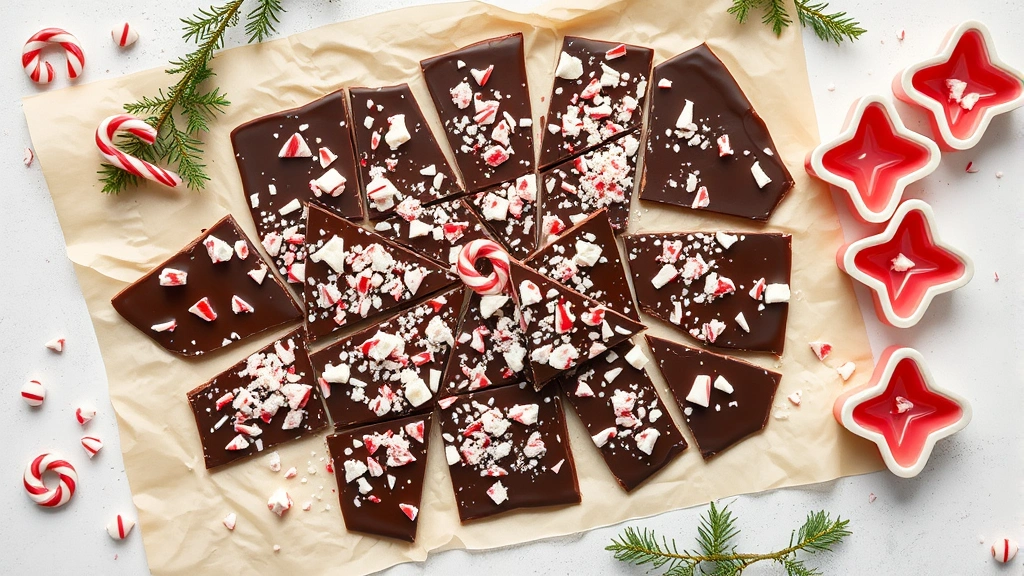
Peppermint Bark and Candy Canes stand as perhaps the most iconic symbols of Christmas candy tradition. Peppermint bark—a simple combination of chocolate and crushed candy canes—exemplifies how basic ingredients can create something extraordinary. Candy canes, with their distinctive red and white stripes and hooked shape, have been associated with Christmas since the 17th century, originally created to resemble a shepherd’s crook. These timeless treats continue to adorn Christmas trees and fill holiday bowls worldwide.
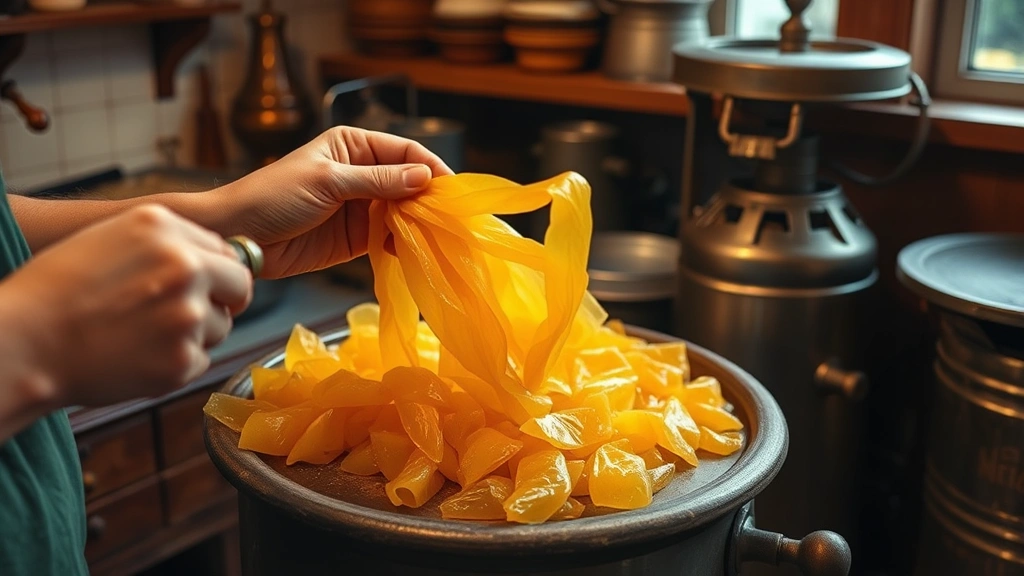
Taffy and Salt Water Taffy represent another beloved category of old fashion Christmas candy. The process of hand-pulling taffy requires patience, strength, and skill—traditionally performed by two people working in tandem to stretch and fold the cooling candy until it achieves the perfect texture. The variety of flavors available, from classic vanilla to festive cinnamon and cranberry, makes taffy a versatile holiday treat that appeals to diverse palates.
Rock Candy and Hard Candies showcase the crystalline beauty of pure sugar transformed through chemistry and artistry. Rock candy, formed by allowing sugar solutions to crystallize slowly over several days, creates jewel-like formations that are as beautiful to look at as they are delicious to consume. Hard candies, boiled to precise temperatures and often flavored with extracts and essential oils, provide the satisfying crunch and long-lasting flavor that make them perfect for holiday gifting.
Nougat and Divinity represent the lighter, airier side of traditional Christmas confections. These candies, which incorporate whipped egg whites or gelatin to create their characteristic fluffy texture, offer a delightful contrast to denser chocolate-based treats. Often studded with nuts and dried fruits, nougat and divinity showcase how texture variation enhances the overall candy experience.
Fudge and Chocolate Confections have long been holiday staples, with recipes ranging from simple chocolate fudge to elaborate creations incorporating caramel, nuts, and other fillings. The art of fudge-making, which requires careful temperature control and precise beating techniques, produces results that range from creamy and smooth to crystalline and grainy depending on the desired outcome.
Gumdrops and Jellies made from pectin or gelatin represent the jewel-toned candies that brighten holiday displays. These fruit-flavored treats, often dusted with sugar, provide a fruity counterpoint to rich chocolate and caramel options. Their vibrant colors and translucent appearance make them particularly appealing for decorating cakes and creating festive candy arrangements.
How to Make Old Fashioned Candies at Home
Making old fashion Christmas candy at home connects you directly to culinary tradition and allows you to customize flavors and ingredients to suit your preferences. The basic equipment needed is surprisingly minimal—a heavy-bottomed saucepan, a candy thermometer, a wooden spoon, and perhaps some specialized tools like a candy puller or marble slab for cooling. Understanding the stages of sugar cooking is fundamental to candy-making success.
Understanding Sugar Stages is essential knowledge for any home candy maker. The soft ball stage (234-240°F) produces candies like fudge and fondant. The firm ball stage (242-248°F) creates caramels and some taffies. The hard ball stage (250-266°F) is ideal for nougat and taffy. The soft crack stage (270-290°F) produces lollipops and hard candies. The hard crack stage (300-310°F) creates brittle and rock candy. Each stage requires different cooling and handling techniques to achieve the desired final texture.
Temperature Control and Precision separate successful candy-making from disappointing results. Using a reliable candy thermometer ensures accuracy, though experienced candy makers can also test doneness using the cold water method—dropping a small amount of hot candy into cold water and observing how it behaves. Humidity levels in your kitchen affect candy-making, as moisture interferes with crystallization and can cause candies to become sticky or grainy.
Basic Peppermint Bark Recipe demonstrates how simple ingredients create holiday magic. Melt high-quality dark chocolate, spread it thinly on parchment paper, and allow it to set partially. Crush candy canes into small pieces and sprinkle them over the semi-set chocolate. Once the chocolate fully hardens, break it into irregular pieces and store in an airtight container. This no-cook variation of peppermint bark makes it accessible even for inexperienced candy makers.
Homemade Hard Candy Recipe requires more precision but rewards careful attention with beautiful, professional-looking results. Combine sugar, corn syrup, water, and cream of tartar in a heavy saucepan. Cook without stirring until the mixture reaches the hard crack stage. Remove from heat, add flavoring oils and food coloring, and pour onto a silicone mat or oiled marble slab. Once cooled and hardened, break into pieces and store in an airtight container with parchment between layers to prevent sticking.
Fudge-Making Fundamentals teach valuable candy-making skills applicable to numerous recipes. Combine sugar, butter, milk or cream, and flavoring in a saucepan. Cook to the soft ball stage while stirring occasionally. Pour onto a buttered surface without stirring further—agitation during cooling causes the unwanted grainy texture some prefer to avoid. Once cooled to room temperature, beat the mixture until it thickens and loses its gloss, then spread into a prepared pan to set completely before cutting into squares.
Storing and Preserving Your Holiday Confections
Proper storage ensures your homemade old fashion Christmas candy maintains its quality and flavor throughout the holiday season and beyond. Most candies prefer cool, dry conditions with stable temperatures. Humidity is the enemy of candy storage, as moisture causes many confections to become sticky, crystallize, or develop unwanted texture changes.
Airtight Container Storage protects candies from environmental moisture and air exposure. Glass containers with tight-sealing lids work excellently, as do plastic containers designed for food storage. Layer candies with parchment paper or wax paper to prevent sticking and flavor transfer between different varieties. Hard candies and lollipops can be stored in glass jars with tight lids for attractive display while maintaining freshness.
Temperature Considerations vary by candy type. Most candies store well at room temperature (68-72°F) in dark locations away from direct sunlight, which can cause color fading and flavor degradation. Chocolates and fudge benefit from slightly cooler temperatures but should not be refrigerated unless your home is particularly warm or humid. Avoid temperature fluctuations, which cause condensation and texture changes.
Shelf Life Guidelines help you use candies while they’re at their peak. Hard candies and lollipops can last several months when properly stored. Fudge and chocolate confections typically remain fresh for 2-3 weeks. Taffy and other chewy candies should be consumed within 1-2 weeks for optimal texture. Rock candy and other crystalline candies can last indefinitely if kept dry. Always label homemade candies with the date created for easy reference.
Freezing Options extend the life of many candies. Most hard candies, fudge, and chocolate confections freeze well in airtight containers for up to three months. Allow frozen candies to come to room temperature before opening containers to prevent condensation. Taffy and other moisture-sensitive candies are less suitable for freezing, as thawing can introduce unwanted moisture.
Modern Twists on Vintage Favorites
While tradition remains important, creative candy makers continue to innovate within the framework of old fashion Christmas candy, creating exciting variations that honor the past while embracing contemporary tastes and dietary preferences. These modern interpretations allow wider audiences to enjoy classic confections.
Gourmet Flavor Combinations elevate traditional recipes with sophisticated taste profiles. Sea salt added to caramel creates a sweet-salty balance that appeals to modern palates. Infusing hard candies with exotic flavors like lavender, rose, or cardamom brings elegance to simple sweets. Combining dark chocolate with spices like cinnamon, ginger, and nutmeg creates warming holiday flavors with depth and complexity.
Dietary-Friendly Variations make old fashion Christmas candy accessible to those with specific dietary needs. Sugar-free versions using alternative sweeteners allow diabetics and those watching sugar intake to enjoy holiday treats. Vegan candy options substitute traditional ingredients with plant-based alternatives while maintaining authentic flavors and textures. Gluten-free hard candies and other naturally gluten-free confections accommodate those with celiac disease or gluten sensitivity.
Artisanal Presentation Styles give modern appeal to classic candies. Hand-poured chocolate with artistic drizzles and decorative elements elevates simple chocolate confections to gift-worthy status. Candies packaged in vintage-inspired tins or beautifully designed boxes appeal to those seeking nostalgic presentation combined with contemporary aesthetics. Small-batch production and limited-edition seasonal flavors create exclusivity and collectibility.
Where to Find Authentic Old Fashion Christmas Candy
For those preferring to purchase rather than make old fashion Christmas candy, numerous sources offer authentic traditional confections that capture the essence of holiday nostalgia. Understanding where to find quality candies ensures you receive genuine products made with proper techniques and quality ingredients.
Specialty Candy Shops often maintain traditional recipes and production methods passed down through generations. Many family-owned candy makers continue operating in the same locations for decades, becoming local institutions and holiday destinations. These shops frequently offer seasonal specialties available only during the Christmas period, creating genuine scarcity and tradition.
Online Retailers and Artisan Platforms connect consumers with candy makers nationwide and internationally. Websites specializing in nostalgic and vintage candies offer comprehensive selections including rare and regional varieties difficult to find locally. Direct-from-maker online sales often provide fresher products and support small businesses committed to traditional candy-making.
Farmers Markets and Holiday Events showcase local candy makers and artisans during the Christmas season. These venues allow you to sample products, ask makers about their techniques and ingredients, and support community businesses. Holiday craft fairs and Christmas markets frequently feature multiple candy vendors, providing convenient one-stop shopping for diverse confections.
General Retail Stores stock mainstream old fashion Christmas candy brands that have maintained consistent quality and recipes for decades. While less specialized than dedicated candy shops, these retailers offer convenience and competitive pricing for classic varieties like peppermint bark, fudge, and hard candies.
The resurgence of interest in sustainability and how humans affect their environment has led some candy makers to focus on environmentally responsible sourcing and packaging. Understanding the definition of environment in science helps consumers appreciate the importance of supporting candy makers who prioritize sustainable practices. Many artisanal producers now source fair-trade chocolate, organic sugar, and natural flavorings, demonstrating that tradition and environmental responsibility can coexist.
FAQ
What makes old fashion Christmas candy different from modern candy?
Old fashion Christmas candy typically uses simpler ingredient lists, traditional recipes refined over generations, and time-honored production methods. Modern candies often contain artificial flavors, preservatives, and complex ingredient lists, while traditional candies emphasize quality ingredients and authentic taste. The craftsmanship involved in making classic candies often surpasses mass-production techniques used for contemporary confections.
Can I make old fashioned Christmas candy without special equipment?
Yes, though certain tools enhance success. A candy thermometer is highly recommended for temperature-dependent recipes, but experienced candy makers use the cold-water test method. A heavy-bottomed saucepan, wooden spoon, and parchment paper are essential basics. Specialized equipment like candy pullers or marble slabs is helpful but not absolutely necessary for many recipes.
How long do homemade candies last?
Storage life varies by type. Hard candies last several months in airtight containers. Fudge and chocolate confections remain fresh 2-3 weeks. Taffy and chewy candies should be consumed within 1-2 weeks. Rock candy and crystalline candies last indefinitely if kept dry. Proper storage in cool, dry conditions significantly extends shelf life for all varieties.
Are old fashioned candies more expensive than modern alternatives?
Artisanal and specialty old fashion Christmas candy often costs more than mass-produced alternatives due to quality ingredients, labor-intensive production methods, and smaller batch sizes. However, homemade versions can be quite economical, requiring only basic ingredients. The value proposition often includes superior taste, nostalgic appeal, and the satisfaction of traditional craftsmanship.
What are the most beginner-friendly old fashioned candies to make?
Peppermint bark requires no cooking skills and uses just chocolate and crushed candy canes. Fudge involves straightforward ingredients and basic techniques. Rock candy teaches crystallization principles through a simple, hands-off process. Hard candies require more precision but reward careful attention with impressive results. Starting with no-cook or simple recipes builds confidence for tackling more complex confections.

Related Posts
Perfect Old Fashioned Donut: Baker’s Secrets
Old Fashioned Chocolate Pie Recipe? Chef’s Favorite