Mori Kei Makeup Tips: Enhance Your Natural Look
Mori kei fashion, which translates to “forest style” in Japanese, celebrates a whimsical, nature-inspired aesthetic that prioritizes comfort and authenticity over trends. This enchanting style embraces earthy tones, layered silhouettes, and an understated elegance that feels both timeless and deeply personal. The makeup philosophy that accompanies mori kei fashion is equally distinctive—it focuses on enhancing your natural features rather than masking them, creating a soft, dewy appearance that looks like you’ve just returned from a peaceful forest walk.
The beauty of mori kei makeup lies in its simplicity and intentionality. Unlike bold, dramatic makeup styles, mori kei encourages a “less is more” approach that celebrates your skin’s natural texture and subtle beauty. Whether you’re new to this aesthetic or looking to refine your technique, this comprehensive guide will walk you through the essential tips, products, and methods to achieve an authentic mori kei makeup look that complements your forest-inspired wardrobe and lifestyle.

Understanding the Mori Kei Makeup Philosophy
Mori kei makeup is fundamentally about embracing your natural beauty and enhancing what you already have rather than creating an entirely new face. This philosophy aligns beautifully with broader concepts of human environment interaction, as both celebrate harmony and respect for natural systems. The aesthetic draws inspiration from nature’s palette—soft greens, warm browns, muted golds, and gentle creams—creating a look that feels organic and connected to the earth.
The core principle of mori kei makeup is subtlety. Your goal is to create a polished yet effortless appearance that suggests you’ve barely touched your face with makeup. This requires precision and restraint, choosing quality over quantity and focusing on techniques that enhance rather than transform. The look should feel like a natural extension of your skin, not a mask applied on top of it.
Many makeup enthusiasts are drawn to mori kei because it celebrates individuality and self-acceptance. Rather than conforming to conventional beauty standards, this style encourages you to work with your unique features—your eye shape, skin tone, natural hair color, and facial structure. Understanding this philosophy is the first step toward creating an authentic mori kei makeup look that feels true to you.
Skincare Foundation: The Secret to Glowing Skin
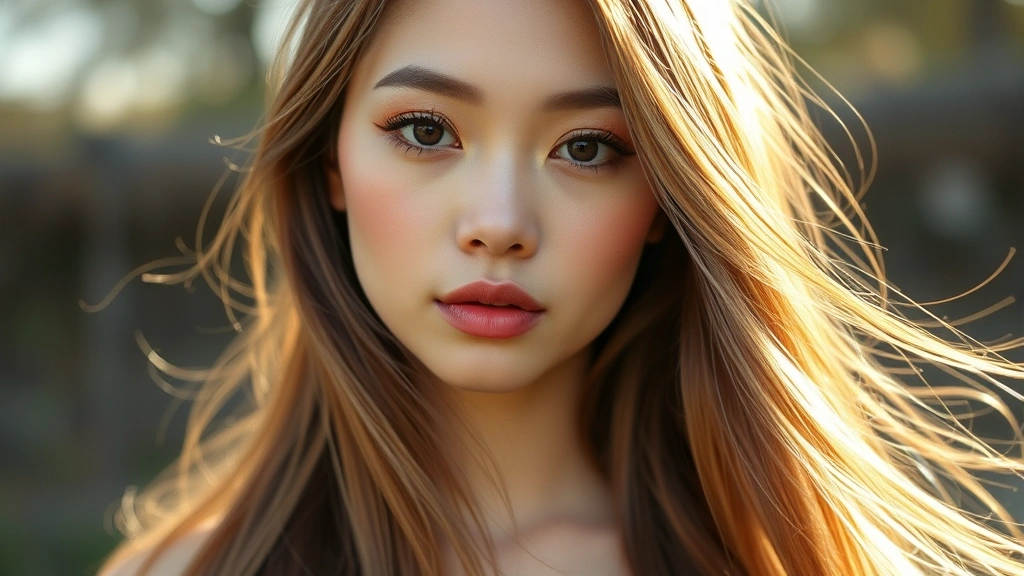
The most crucial element of mori kei makeup is impeccable skincare. Since the makeup itself is minimal and natural-looking, your skin quality becomes the star. A dewy, healthy complexion is non-negotiable for this aesthetic, and achieving it requires consistent, thoughtful skincare practices.
Start with a gentle cleansing routine that removes impurities without stripping your skin. Morning cleansing should be light—perhaps just a splash of cool water or a hydrating cleanser—while evening cleansing should be more thorough. Many mori kei enthusiasts favor the double cleanse method: beginning with an oil-based cleanser to remove makeup and sunscreen, followed by a gentle water-based cleanser to eliminate remaining impurities. This approach, supported by dermatological research, ensures thorough cleansing without disrupting your skin barrier.
Hydration is paramount. Use a hydrating toner or essence after cleansing to prepare your skin for serums and moisturizers. Layer lightweight hydrating products before applying heavier creams, allowing each product to absorb fully. Hyaluronic acid serums, glycerin-based toners, and nourishing facial oils are excellent choices for maintaining that coveted dewy finish. Don’t skip sunscreen—UV protection is essential for maintaining healthy, youthful-looking skin that serves as the perfect canvas for mori kei makeup.
Consider incorporating regular hydrating masks into your routine. Sheet masks or sleeping masks used 2-3 times weekly can dramatically improve skin texture and luminosity. Exfoliate gently 1-2 times weekly with a chemical exfoliant rather than a physical scrub, as this promotes a smoother texture without causing irritation that might show through minimal makeup.
Complexion Products and Application Techniques
When it comes to base makeup, mori kei philosophy demands a light, skin-like finish. Start with a hydrating primer that creates a smooth canvas without feeling heavy or artificial. Look for primers with hyaluronic acid or glycerin that enhance skin’s natural moisture rather than creating a matte, powdery effect.
Foundation selection is critical for mori kei makeup. Choose a formula that matches your skin tone perfectly—testing on your jawline in natural light is essential. Many practitioners prefer tinted moisturizers, BB creams, or lightweight liquid foundations that offer coverage while maintaining a natural finish. The goal is to even out your skin tone and hide blemishes while allowing your natural skin texture and slight color variations to show through.
Application technique significantly impacts the final result. Using a damp beauty sponge or soft brush, apply foundation with a light hand, building coverage gradually rather than applying heavy amounts initially. Focus on areas that need it most—around the nose, chin, and any blemish-prone zones—while keeping the cheeks, forehead, and temples lighter. This technique, recommended by professional makeup artists, creates dimension and prevents a flat, mask-like appearance.
Concealer should be applied with similar restraint. Choose a shade that matches your skin tone or is one shade lighter, and apply only where needed—under the eyes, on blemishes, or to brighten specific areas. Tap gently with your ring finger rather than rubbing, as this prevents disrupting the foundation beneath and ensures seamless blending.
Setting your makeup is important but must be done carefully. Use a finely-milled translucent powder applied with a fluffy brush, focusing on the T-zone where natural oils are most prominent. Avoid powdering the entire face, as this disrupts the dewy finish central to mori kei aesthetics. A light setting spray can help your makeup last throughout the day while maintaining that fresh, natural appearance.
Eye Makeup for a Soft, Natural Gaze
Eyes are where mori kei makeup truly shines, creating a gentle, approachable gaze that feels both refined and understated. Rather than bold liner or dramatic shadows, this aesthetic celebrates soft definition and subtle dimension.
Eyeshadow in mori kei makeup typically features neutral, earthy tones—soft browns, warm taupes, muted golds, gentle greens, and creamy beiges. Apply a light wash of color across your entire lid using a fluffy blending brush, focusing on creating a soft gradient rather than stark definition. Layer a slightly deeper shade in your crease, blending thoroughly so there are no harsh lines. The transition should be so gradual that it looks like a natural shadow created by your eye shape rather than applied makeup.
For a more defined look, apply a warm brown or taupe shade along your upper lash line with a thin brush, creating a soft line rather than a bold graphic. This technique adds definition without the harsh appearance of traditional eyeliner. Many mori kei enthusiasts skip liquid or pencil liner entirely, preferring this subtle shadow-based definition.
Mascara should enhance your lashes without creating an overly dramatic effect. Choose a natural brown or dark brown mascara rather than black, applying one or two coats to define lashes without clumping. Focus on the center and outer lashes while keeping inner lashes lighter, creating a naturally lifted appearance. Waterproof formulas can help maintain this soft look throughout the day without smudging.
Eyebrows in mori kei makeup should appear natural and well-groomed but not heavily filled. Use a brow product just slightly darker than your natural brow color, focusing on filling sparse areas and creating a subtle arch. The goal is groomed brows that look like an enhanced version of your natural brows, not entirely redrawn ones. This approach complements the overall philosophy of working with your natural features rather than against them.
Lips and Cheeks: Subtle Color and Dimension
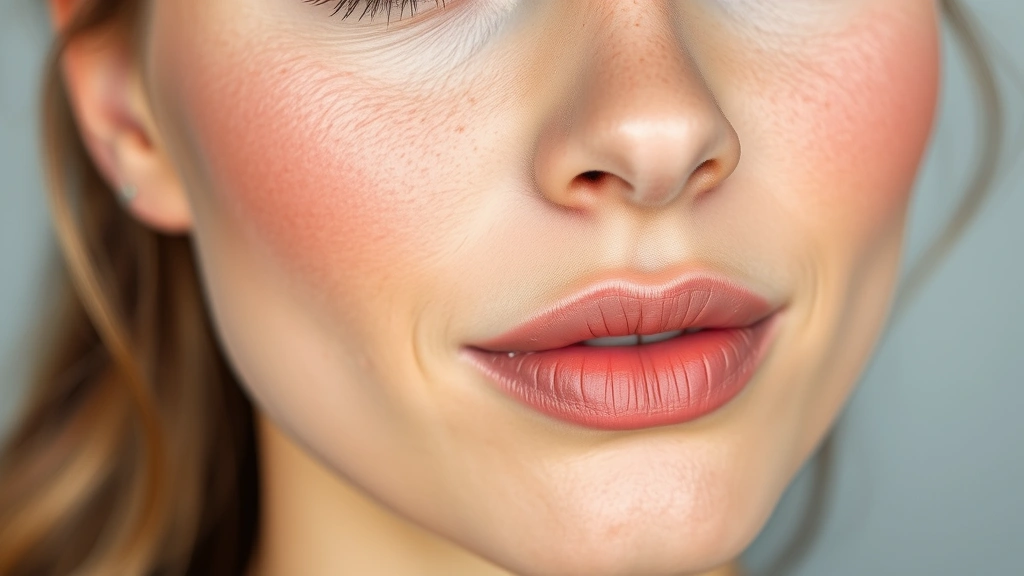
Lip color in mori kei makeup should feel like a natural extension of your skin tone. Nude, warm brown, soft peachy, and muted berry shades work beautifully, depending on your undertone. The key is selecting shades that enhance rather than dramatically alter your lip color. Cream or satin finishes feel more appropriate than high-shine glosses or matte formulas that can appear harsh.
Application should be precise but understated. Use a lip brush to apply color evenly, ensuring clean edges without obvious definition lines. Many practitioners prefer tinted lip balms or sheer lipsticks that provide color while maintaining a soft, natural finish. Layering a nude lip liner just inside your natural lip line can provide subtle definition without appearing drawn-on.
Cheek color is equally important for achieving that healthy, glowing mori kei complexion. Choose blush in soft, warm tones—peachy-browns, warm mauves, soft corals, or subtle dusty roses. Cream blushes often work better than powders for maintaining that dewy finish, though finely-milled powders can work if applied with a light hand.
Blush application technique significantly impacts the final appearance. Smile slightly and apply color to the apples of your cheeks using a fluffy brush, blending upward and slightly backward toward your temples. The color should look like a natural flush—as though you’ve just come in from a cool forest breeze—rather than an obvious stripe of color. Building coverage gradually with multiple light layers creates a more natural effect than applying heavy color initially.
Consider adding a subtle highlighter to enhance your skin’s luminosity. Choose a product in champagne, soft gold, or pale pink rather than obvious shimmer. Apply sparingly to the high points of your face—cheekbones, bridge of nose, brow bone, and cupid’s bow—using a light hand and blending thoroughly. This adds dimension and that coveted dewy glow without appearing glittery or artificial.
Texture and Finish: Achieving That Dewy Glow
The texture and finish of your makeup are crucial elements that define the mori kei aesthetic. Unlike matte makeup trends that create a flat, velvety appearance, mori kei celebrates natural skin texture with a luminous, dewy finish that suggests healthy, well-hydrated skin.
Achieving this finish begins with skincare, as discussed earlier, but extends to product selection and application. Choose formulas specifically designed for dewy finishes—hydrating primers, luminizing setting sprays, and illuminating products rather than mattifying ones. These products work together to create a cohesive, glowing appearance.
Throughout your makeup application, prioritize products with hydrating ingredients. Liquid or cream formulas generally work better than powders for maintaining dewiness. When powder is necessary, use it sparingly and in a finely-milled formula that won’t look chalky or obvious. Some practitioners even skip powder entirely, using only a setting spray to lock makeup in place while maintaining that fresh, dewy finish.
Texture should feel natural and skin-like. Avoid overly thick or heavy products that sit on top of your skin rather than blending seamlessly. Your makeup should look like an enhancement of your natural skin, not a separate layer applied on top. This requires practice and experimentation to find products and application techniques that work with your specific skin type.
Consider the lighting in which you’ll be seen. Mori kei makeup typically looks most beautiful in natural daylight or soft indoor lighting, where its subtle nuances and dewy finish truly shine. The soft, fresh appearance may appear understated or washed out under harsh fluorescent lights, but this is actually appropriate for the aesthetic—mori kei is meant to feel natural and effortless rather than bold or dramatic.
Color Palettes for Every Season
Mori kei makeup adapts beautifully throughout the seasons, drawing inspiration from nature’s changing palette. Understanding seasonal color theory helps you create looks that feel both timely and authentically aligned with the mori kei philosophy.
Spring: Embrace soft pastels and fresh, light tones. Pale greens, soft pinks, warm peaches, and creamy yellows create a gentle, renewal-focused aesthetic. Focus on creating that fresh, dewy appearance that mirrors spring’s awakening.
Summer: Incorporate slightly warmer, deeper earth tones while maintaining the soft aesthetic. Warm golds, soft terracotta, muted corals, and light browns work beautifully. The dewy finish becomes even more important as it suggests sun-kissed, healthy skin.
Autumn: This season naturally aligns with mori kei’s earthy palette. Rich warm browns, deep golds, muted oranges, burnt siennas, and warm reds create a cozy, grounded appearance. These deeper tones still maintain the soft, natural quality central to the aesthetic.
Winter: Cool-toned earth shades work beautifully—cool browns, soft grays, muted purples, and pale golds. The dewy finish becomes especially striking against cooler undertones, creating a luminous appearance that feels both fresh and warm.
This seasonal approach connects beautifully with broader concepts of sustainable fashion brands, as both celebrate working with natural cycles and respecting environmental rhythms. Seasonal color changes in your makeup routine create visual interest while remaining true to mori kei principles.
Common Mistakes to Avoid
Understanding what NOT to do is equally important as knowing what to do. Many people attempting mori kei makeup make common mistakes that undermine the aesthetic.
Over-application: The most frequent error is applying too much makeup. Mori kei requires restraint. If your makeup is visible from across a room, it’s too much. Start with minimal product and build gradually if needed.
Ignoring skin preparation: Attempting mori kei makeup without proper skincare is destined to fail. Your skin quality is the foundation. Don’t skip hydrating, protecting, and nourishing your complexion.
Choosing the wrong undertones: Selecting colors that don’t complement your skin undertone creates a disconnected appearance. Spend time determining whether you have warm, cool, or neutral undertones, then choose products accordingly.
Using matte products: Matte foundations, powders, and finishes work against mori kei aesthetics. Prioritize dewy, luminous products that enhance natural skin texture.
Harsh lines and definition: Bold eyeliner, heavily filled brows, or stark blush placement contradicts the soft, natural philosophy. Blend thoroughly and build definition gradually through layering.
Neglecting the neck and décolletage: Extending your foundation to your neck and chest ensures a seamless appearance rather than an obvious makeup line. This detail matters significantly in the soft, natural aesthetic.
Skipping SPF: Sun damage disrupts the natural, healthy appearance central to mori kei. Daily SPF protection is non-negotiable for maintaining the complexion this aesthetic requires.
Understanding these common pitfalls helps you avoid them and create a truly authentic mori kei makeup look that feels natural, intentional, and beautifully aligned with the aesthetic’s core philosophy.
FAQ
What’s the difference between mori kei makeup and no-makeup makeup?
While similar, mori kei makeup is more intentional and thematic. No-makeup makeup aims for an invisible appearance, while mori kei specifically celebrates nature-inspired colors, textures, and a connection to the forest aesthetic. Mori kei makeup might include earthy greens or warm golds that no-makeup makeup would avoid.
Can I wear mori kei makeup if I have oily skin?
Absolutely. The dewy finish of mori kei makeup differs from oily skin. Use a hydrating primer designed for oily skin, choose oil-free hydrating products, and focus on lightweight formulas. Set makeup with a finely-milled powder applied only where necessary, and use a mattifying setting spray rather than a hydrating one.
Is mori kei makeup appropriate for professional settings?
Yes, mori kei makeup’s subtle, natural appearance works beautifully in professional environments. Its refined, understated quality often appears more polished than dramatic makeup styles. However, ensure your specific colors align with your workplace culture and industry norms.
How do I make mori kei makeup last throughout the day?
Proper skincare, a hydrating primer, quality products, and a setting spray are essential. Choose long-wearing formulas, particularly for lip and cheek color. Carry blotting papers rather than powder for touch-ups, and reapply lip color as needed throughout the day.
What products do you recommend for mori kei makeup beginners?
Start with a quality BB cream or tinted moisturizer, a hydrating primer, a warm-toned eyeshadow palette with neutral shades, a natural brown mascara, a soft blush, and a nude or warm-toned lip product. As you develop your skills, explore additional products and techniques.
Can I adapt mori kei makeup for different eye shapes?
Absolutely. The principles of mori kei makeup—soft definition, natural colors, and subtle enhancement—work with any eye shape. Adjust eyeshadow placement and eyeliner application based on your specific eye shape while maintaining the soft, natural aesthetic.
How does mori kei makeup relate to sustainable beauty practices?
Mori kei’s emphasis on sustainable fashion brands and natural aesthetics often extends to using clean, eco-friendly beauty products. Many practitioners choose brands with minimal packaging, natural ingredients, and ethical production practices that align with environmental values.

Related Posts

Perfect Old Fashioned Donut: Baker’s Secrets

Old Fashioned Chocolate Pie Recipe? Chef’s Favorite