Ultimate Monster Hunter Looks? Expert Fashion Tips!
Ultimate Monster Hunter Looks: Expert Fashion Tips for Gaming Glamour
Monster Hunter Wilds has taken the gaming world by storm, and fans aren’t just focused on slaying creatures—they’re obsessed with looking absolutely fierce while doing it. The game’s stunning armor designs and cosmetic options have sparked a fashion revolution among players who want to translate their in-game style into real-world inspiration. Whether you’re a seasoned hunter or new to the franchise, mastering the art of creating cohesive, powerful monster hunter looks is essential for both gameplay confidence and aesthetic satisfaction.
The beauty of Monster Hunter Wilds fashion lies in its perfect blend of warrior aesthetics, intricate details, and functional design. Each armor set tells a story, combining elemental themes, monster materials, and cultural influences that make every outfit feel unique and purposeful. In this guide, we’ll explore how to create stunning monster hunter looks that capture the essence of the game while translating these principles into your personal style philosophy and everyday fashion choices.

Mastering Armor Aesthetics
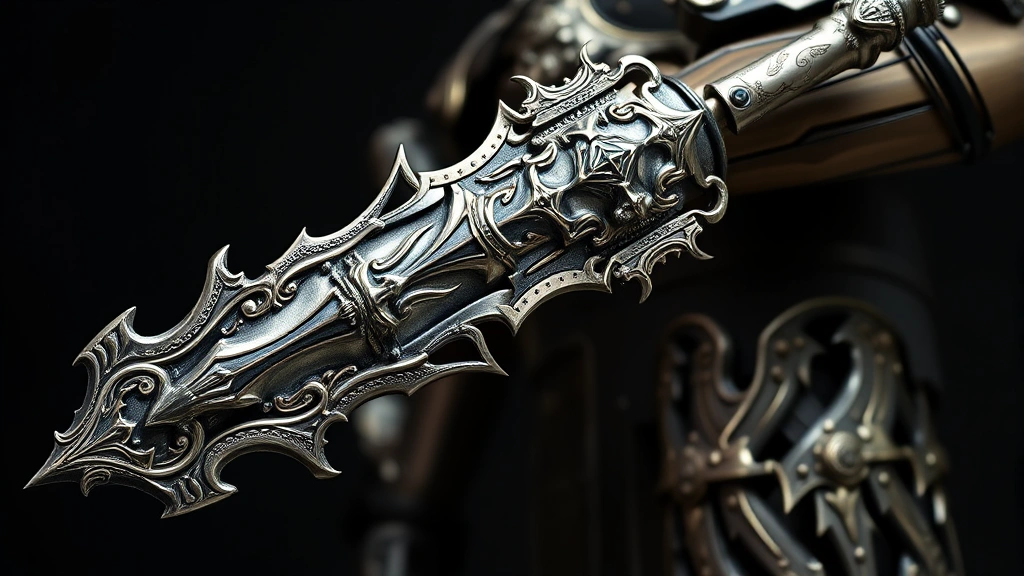
The foundation of any incredible monster hunter look begins with understanding armor aesthetics. Monster Hunter Wilds offers an extensive roster of armor sets, each crafted from different monster materials that impart distinct visual characteristics. Low-rank armor tends to be sleeker and more practical, while high-rank and master-rank pieces showcase increasingly elaborate designs with spikes, scales, and dramatic silhouettes.
When selecting your base armor set, consider the overall silhouette you want to project. Do you prefer a sleek, agile appearance that suggests speed and precision? Or would you rather command attention with bulky, intimidating designs that showcase raw power? The beauty of monster hunter fashion is that both approaches are equally valid. A Rathalos armor set exudes fiery elegance with its crimson tones and wing-inspired designs, while Diablos armor presents a more aggressive, angular aesthetic that speaks to raw strength and dominance.
Pay attention to the material composition visible in your armor. Scales, fur, bone, and metal components each create different visual textures that affect how your overall look reads. Mixing armor pieces from different sets—a practice called “fashion hunting” or “transmog hunting”—allows you to create custom looks that transcend individual set limitations. This creative freedom is where true monster hunter style expertise shines.
Color Coordination Strategies
Successful monster hunter looks depend heavily on thoughtful color coordination. The game naturally groups armor by color families based on their source monsters, but understanding color theory elevates your fashion game significantly. Complementary colors create visual excitement and drama, while analogous color schemes produce harmonious, cohesive appearances.
Consider these strategic approaches to color coordination. First, establish a dominant color that will occupy roughly 60% of your visual space—typically your chest piece or largest armor component. Then select a secondary color for about 30% of your outfit, and finish with accent colors that comprise the remaining 10%. This classic color rule creates balanced, professional-looking monster hunter ensembles.
Metallic elements deserve special attention in your color planning. Gold, silver, and bronze accents can either harmonize with or contrast against your primary colors, dramatically shifting the overall aesthetic. A warm-toned armor set pairs beautifully with gold metallics, while cool-toned designs benefit from silver or platinum finishes. Don’t underestimate the power of neutral tones either—blacks, grays, and whites serve as excellent grounding elements that allow bolder colors to shine.
Elemental Themes and Styling
Monster Hunter Wilds incorporates elemental damage types into its core mechanics, and these elements extend beautifully into fashion themes. Fire-element armor radiates warmth and aggression through reds, oranges, and golden yellows. Water-element sets embrace blues, teals, and silvers that evoke fluidity and adaptability. Thunder-element designs feature electric yellows and purples that crackle with energy.
Building a cohesive look around elemental themes creates instant narrative and visual impact. When wearing fire-element armor, you’re not just selecting red pieces—you’re embodying the concept of heat, passion, and destructive power. This thematic approach influences not just color selection but also your choice of weapons, accessories, and complementary pieces. A fire-themed hunter might pair a Rathalos helmet with a Kushala Daora chest piece (creating an interesting elemental contrast) or commit fully to a single elemental identity for maximum thematic consistency.
External resources like gaming fashion publications often feature detailed breakdowns of Monster Hunter armor elemental associations and how professional stylists coordinate these elements. Studying these resources helps you understand the subtle visual language that makes certain combinations feel intuitively “right.”
Weapon Pairing and Balance
Your weapon choice significantly impacts how your overall monster hunter look is perceived. Massive greatswords create a different visual impression than nimble dual blades, and this weapon-armor synergy is crucial for creating cohesive, believable hunter aesthetics. A heavily armored hunter wielding a tiny sword creates visual discord, while a lightly-armored hunter with an enormous weapon feels unbalanced.
Consider the weight and visual mass of your weapon when selecting armor pieces. Heavy, imposing weapons pair well with bulky, elaborate armor sets that match their dramatic presence. Lightweight weapons work beautifully with sleeker, more refined armor pieces that suggest agility and precision. The bow, for example, looks exceptional paired with form-fitting armor that emphasizes mobility, while the hammer demands robust, substantial designs that communicate raw power.
Weapon coloration also plays a crucial role in your overall aesthetic. Many weapons feature customizable appearances, allowing you to match your color scheme perfectly. A coordinated weapon and armor aesthetic demonstrates attention to detail and creates a unified, professional appearance that casual players often overlook. This level of coordination transforms your hunter from simply “wearing stuff” to presenting a carefully curated, intentional style statement.
Layering Techniques for Depth
Master monster hunter fashion employs sophisticated layering techniques to create visual depth and complexity. Rather than viewing your armor as separate pieces, consider how each component overlaps and interacts spatially. Layering creates shadows, reveals underarmor details, and adds dimensionality that elevates your look from flat to three-dimensional.
Effective layering considers both literal overlapping (how armor pieces physically stack) and visual layering (how colors and patterns interact). A lighter-colored underpiece peeking through darker outer armor creates visual interest and draws the eye. Contrasting textures—smooth scales over rough fabric, shiny metal against matte leather—similarly enhance visual complexity and sophistication.
Pay special attention to how your chosen pieces interact at connection points. Do the edges blend smoothly, or do they create jarring transitions? The best monster hunter looks feature seamless visual flow where each piece appears intentionally designed to work with its neighbors. This might mean selecting pieces from the same monster family, or strategically choosing pieces that share visual language despite different origins.
Customization and Personalization
Monster Hunter Wilds provides extensive customization options that allow you to personalize your hunter’s appearance beyond basic armor selection. Layered armor, hairstyles, face paint, and accessory choices all contribute to your final aesthetic. These personalization options are where you inject your individual identity into your monster hunter look.
Hairstyles dramatically impact how your helmet and headpiece appear. Long, flowing hair creates different visual lines than short, practical cuts. Face paint options range from subtle enhancements to bold, intimidating designs that communicate your hunter’s personality and approach to their craft. Consider how these choices interact with your armor’s overall aesthetic—a delicate, elegant hairstyle might clash with aggressive, spike-covered armor, while a practical ponytail complements utilitarian designs perfectly.
Layered armor pieces deserve special mention as they allow you to add visual complexity without changing your actual protective gear. These cosmetic additions let you experiment with colors, patterns, and silhouettes that might not otherwise be available. A layered armor customization can completely transform a basic armor set into something unique and personalized that reflects your individual style preferences.
Consider also how your hunter’s proportions interact with your chosen aesthetic. Taller hunters carry certain armor pieces differently than shorter ones. Broader-shouldered builds wear heavy, shoulder-focused armor with more visual impact. Taking these physical characteristics into account when planning your look creates more harmonious, flattering results. This mirrors real-world fashion principles where understanding your own body type and proportions is essential for creating looks that feel authentic and intentional.
The fashion industry’s approach to personal styling emphasizes this same principle—the best looks account for individual characteristics rather than applying generic rules. Your monster hunter aesthetic should similarly feel like it was designed specifically for your hunter’s unique proportions and personality.
FAQ
How do I start building my first monster hunter look?
Begin by selecting an armor set that appeals to you aesthetically, then build around that central piece. Consider its dominant colors, material textures, and overall silhouette. From there, select complementary pieces that share similar visual language or create intentional, purposeful contrast. Don’t worry about perfect coordination initially—experimentation teaches you what works.
Can I mix armor pieces from different monsters?
Absolutely! This is called “fashion hunting” and is one of the most creative aspects of Monster Hunter style. The key is ensuring your mixed pieces share visual coherence through color, material, or thematic elements. Mixing pieces from monsters with similar elemental associations often creates naturally harmonious looks.
What’s the best way to coordinate my weapon with my armor?
Match your weapon’s visual weight and complexity to your armor’s design intensity. Consider color coordination—ideally, your weapon should share at least one color with your armor set, or feature metallics that complement your overall palette. The weapon should feel like a natural extension of your hunter’s aesthetic rather than an afterthought.
How important is transmog for creating good-looking hunters?
Transmog is incredibly valuable for fashion hunters. It allows you to separate aesthetics from functionality, meaning you can wear the armor you need for combat while appearing however you want. This freedom is essential for creating truly personalized monster hunter looks that reflect your style rather than purely practical considerations.
Should my entire look follow one elemental theme?
Not necessarily. While thematic consistency is visually striking, some of the best monster hunter looks feature intentional elemental contrasts that create visual interest. The key is ensuring that any contrasting elements still share complementary colors or materials that create overall cohesion.
How do I know if my monster hunter look is “complete”?
Your look feels complete when every element—armor pieces, weapon, hairstyle, face paint, and accessories—feels intentionally chosen and visually harmonious. Step back and assess whether your hunter tells a coherent visual story. If each piece feels like it belongs together, you’ve achieved a successful look.

Related Posts
Perfect Old Fashioned Donut: Baker’s Secrets
Old Fashioned Chocolate Pie Recipe? Chef’s Favorite