Men’s Fashion in the 40s: Expert Tips & Trends
Men’s Fashion in the 40s: Expert Tips & Trends
The 1940s represent one of the most distinctive and influential periods in men’s fashion history. Shaped by World War II, economic constraints, and cultural shifts, 1940s menswear established silhouettes and styling principles that continue to influence contemporary fashion today. Whether you’re a vintage enthusiast, a history buff, or simply looking to incorporate classic 40s elements into your modern wardrobe, understanding this era’s fashion landscape is essential for authentic styling.
During this transformative decade, men’s fashion underwent significant changes driven by fabric rationing, military influence, and the post-war optimism that emerged as the decade progressed. From the sharp tailoring of early-40s suits to the more relaxed styles that gained popularity after 1945, this period offers diverse inspiration for anyone interested in timeless menswear.
The Silhouette: Understanding 40s Men’s Tailoring
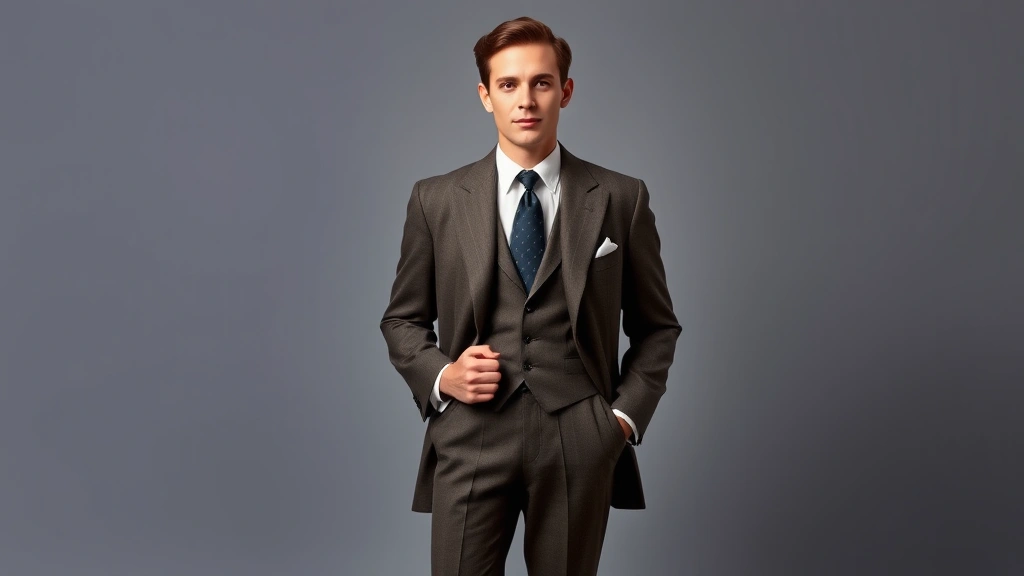
The defining characteristic of 1940s men’s fashion was the broad-shouldered, high-waisted silhouette that dominated the decade. This distinctive shape featured exaggerated shoulder padding that extended the line of the shoulders, creating a powerful, masculine appearance. The jacket length was notably longer than modern standards, typically reaching mid-thigh, and the trousers sat considerably higher on the waist, often at or above the natural waistline.
Early 1940s tailoring was influenced by pre-war 1930s aesthetics but with more pronounced architectural structure. Shoulders were heavily padded, sometimes measuring several inches wider than the wearer’s actual shoulder width. This wasn’t merely decorative—the padding served both practical and aesthetic purposes, creating a streamlined silhouette that conveyed strength and authority. As the decade progressed, particularly after 1945, shoulders became slightly less exaggerated, though they remained a key feature of men’s fashion throughout the period.
The waistline positioning was another crucial element. Men’s trousers in the 40s featured a high rise, typically 2-3 inches higher than contemporary pants. This high waistband, combined with the longer jacket, created an elongated torso that was considered the height of sophistication. The trousers themselves were generally straight-legged or featured only a slight taper at the ankle, with cuffs being standard on most dress trousers.
Suits and Jackets: The Foundation of 40s Style
The suit was absolutely central to men’s fashion in the 1940s. For any man of reasonable means, owning multiple suits was essential for professional and social respectability. The typical 40s suit consisted of a jacket, matching trousers, and often a vest, though vests became less common as the decade progressed.
Suit jackets featured several distinctive characteristics. The lapels were notched and relatively wide, typically measuring 3.5 to 4.5 inches across. The jacket buttons were positioned lower than in previous decades, creating a longer buttoning point and emphasizing the high waistline of the trousers. Most jackets featured two or three buttons, with single-breasted designs being far more common than double-breasted styles, though double-breasted jackets did experience a resurgence in the latter half of the decade.
Pockets were a notable feature, with most jackets including flap pockets at the hip and ticket pockets just below. The overall construction emphasized clean lines and sharp tailoring. Inside the jacket, you’d typically find a breast pocket and interior pockets for wallets and accessories. The jacket’s back featured a center vent, though some more formal styles included side vents.
Color choices for 40s suits were somewhat limited by both fabric availability and social convention. Navy blue, charcoal gray, and medium brown were the most popular colors. Subtle patterns like pinstripes and glen checks appeared regularly, though solid colors dominated. The pinstripes of the era were generally thinner and more refined than those of the 1930s, creating a more sophisticated appearance.
For those interested in vintage menswear, understanding how fashion choices interact with resource availability helps explain why 40s styles emphasized quality over quantity—a principle worth revisiting today.
Shirts, Ties, and Accessories
Dress shirts in the 1940s were predominantly white or cream-colored for business and formal occasions. Collar styles evolved throughout the decade, with spread collars and point collars both being popular. The spread collar, which positioned the collar points further apart, gained increasing popularity as the decade progressed. Collar stays were essential, keeping the collar crisp and properly shaped throughout the day.
Shirt construction was meticulous, with many quality garments featuring French seams and reinforced plackets. The sleeves typically ended just at the wrist bone when arms were at rest, and the cuff was a crucial detail. French cuffs, which required cufflinks, were considered more formal and were popular for evening wear and special occasions. Barrel cuffs with buttons were standard for everyday wear.
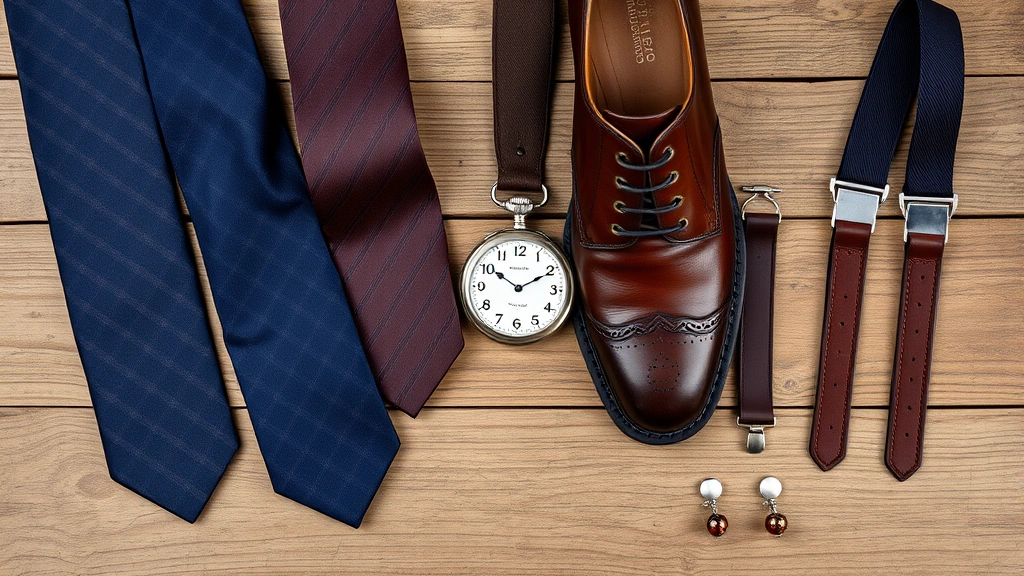
Ties were an integral part of the 40s look, and tie width and patterns deserve special attention. 1940s neckties were notably narrower than modern ties, typically measuring 2.5 to 3 inches at the widest point. Patterns included solid colors, subtle stripes, small geometric designs, and occasionally paisley or floral motifs. Silk was the preferred fabric, though wartime shortages meant some ties were made from alternative materials.
The tie knot was typically the Four-in-Hand, which created a slim, elegant appearance that complemented the era’s aesthetics. Bow ties, while less common in everyday wear, were occasionally worn, particularly in more conservative or formal settings. Tie clips and bars were popular accessories, often made from gold-toned metals or sterling silver.
Other essential accessories included suspenders (braces), pocket watches, and cufflinks. Despite the high waistband of 40s trousers, suspenders were still frequently worn, both for practicality and style. Pocket watches, though becoming less common as wristwatches gained popularity, were still carried by many men. Cufflinks ranged from simple and elegant to ornate, often featuring initials, gemstones, or enamel designs.
Casual Wear and Everyday Fashion
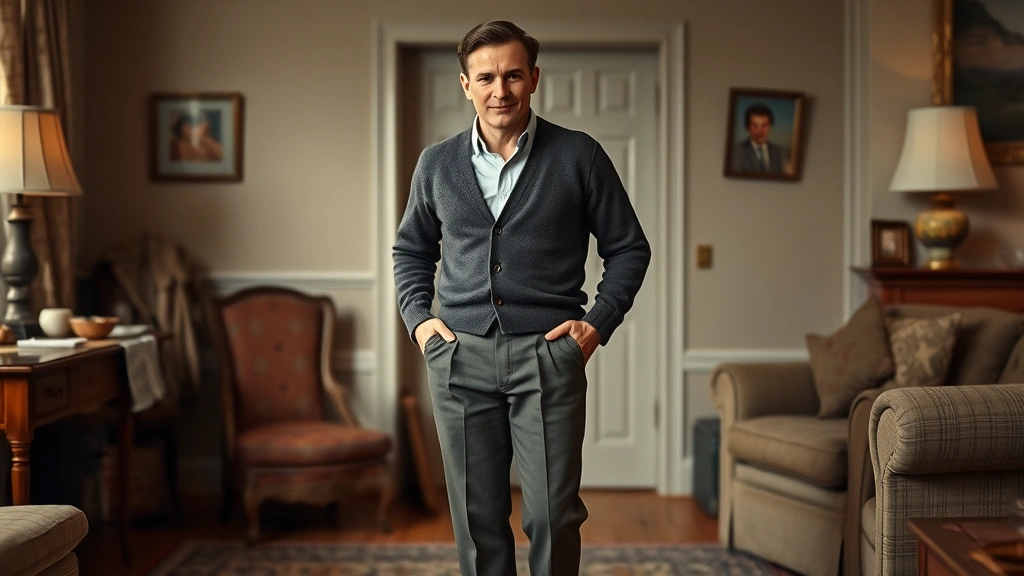
While suits dominated formal and professional settings, everyday casual wear in the 1940s revealed interesting developments. Sportcoats and blazers provided a more relaxed alternative to matching suits while maintaining sophistication. These were often in contrasting colors to the trousers, with tweed and wool being popular choices.
Casual shirts included flannel shirts, oxford cloth button-downs, and lightweight cotton options. These were worn untucked or tucked depending on the context, and often paired with sweaters for additional warmth. Cardigans and pullover sweaters in wool were standard casual pieces, particularly as the decade progressed and post-war optimism led to more relaxed styling.
Trousers for casual wear followed similar silhouettes to dress trousers but were often made from less formal fabrics. Wool gabardine and cotton twill were popular choices. Wide-leg styles remained standard, though slightly narrower cuts began appearing toward the decade’s end.
Dungarees and work pants represented the most casual end of the spectrum, worn for manual labor and yard work. These were typically made from sturdy denim or cotton duck, featuring multiple pockets and reinforced seams. Interestingly, these work clothes would eventually influence casual fashion trends in subsequent decades.
Footwear Essentials
Shoes in the 1940s reflected the same commitment to quality and craftsmanship evident in other garments. Oxford shoes and derby shoes were the standard choices for formal and business wear. These were typically made from leather in shades of black, brown, or tan. The toe box was generally rounded or slightly squared, with a relatively low heel compared to modern shoes.
Wingtip shoes, featuring decorative stitching on the toe cap, were popular and considered versatile enough for both business and casual occasions. Loafers, which had been introduced in the 1930s, gained popularity during the 40s as a more relaxed option that could still be worn in semi-formal settings.
For casual wear, leather shoes remained standard, but styles were more varied. Two-tone shoes, featuring contrasting leather colors, were occasionally worn, though they were considered quite fashion-forward. Canvas shoes and simple slip-ons provided the most casual options.
Boots were less common for everyday civilian wear but were standard issue for military personnel. After the war, returning servicemen continued wearing their military boots in some cases, influencing civilian fashion. Shoe care was taken seriously, with regular polishing being an essential grooming ritual.
Fabric Rationing and Its Impact
Understanding 1940s fashion requires acknowledging the profound impact of wartime fabric rationing. During the war years, particularly from 1942-1945, fabric was strictly rationed, affecting both military uniforms and civilian clothing production. This scarcity fundamentally shaped the silhouettes and construction methods of the era.
Rationing led to more efficient use of materials, which influenced tailoring practices. Designers and tailors maximized fabric usage while maintaining style. Jackets were cut with less excess fabric, and decorative elements like extra pockets or elaborate seaming were minimized. This necessity actually contributed to the clean, streamlined aesthetic that defines 40s menswear.
The rationing also explains the prevalence of certain colors and patterns. Solid colors required less dye and were therefore more readily available than complex patterns. This is why navy, gray, and brown dominated the era. As rationing eased after 1945, slightly more variety in patterns and colors emerged, though the fundamental silhouettes remained consistent.
Fabric composition also changed due to wartime restrictions. Wool was reserved for military uniforms, so civilian suits often incorporated synthetic fibers or were made from lower-quality wool blends. This actually affected the longevity and appearance of garments, which is worth considering when sourcing authentic vintage pieces.
Military Influence on Civilian Fashion
The military’s profound influence on 1940s civilian fashion cannot be overstated. With millions of men serving in the armed forces, military aesthetics permeated civilian style. Elements like shoulder padding derived partly from military uniform construction, designed to create an impressive silhouette suitable for servicemen.
The garrison cap, military-style shirts, and combat boots influenced civilian fashion, particularly toward the decade’s end and into the post-war period. Returning servicemen brought military styling sensibilities into civilian life. Khaki and olive drab, colors associated with uniforms, occasionally appeared in civilian wardrobes.
The emphasis on sharp tailoring and precise grooming also reflected military influence. Military regulations demanded impeccable appearance standards, and these standards influenced broader civilian expectations for men’s grooming and presentation. Pomaded hairstyles, closely trimmed hair, and clean-shaven faces became increasingly standard during this period.
For historical context on how different environments and circumstances shape cultural practices, the military’s impact on 40s fashion provides an excellent case study of how external forces reshape aesthetic preferences.
How to Style 40s Fashion Today
Incorporating 1940s fashion elements into a modern wardrobe requires thoughtful curation and understanding of which elements translate well to contemporary life. The key is balancing historical authenticity with modern practicality.
Start with the silhouette foundation: seek out vintage or reproduction suits with the characteristic high waistband and broader shoulders. Modern tailors can modify contemporary suits to achieve the 40s proportions, though this requires expertise. Look for natural-shoulder jackets and high-rise trousers as starting points.
Incorporate 40s elements gradually. A single piece—perhaps a vintage tie, a classic oxford shirt, or reproduction suspenders—can anchor an outfit with period style without requiring a complete wardrobe overhaul. Pair these pieces with modern basics to create a hybrid aesthetic that feels both vintage-inspired and contemporary.
Pay attention to fit and tailoring. The 40s silhouette only works if garments are properly fitted to your body. Loose or baggy pieces will look sloppy rather than stylish. Professional tailoring is worth the investment when building a 40s-inspired wardrobe.
Color coordination matters significantly. Stick to the classic palette of navy, charcoal gray, and brown, which remain timeless and versatile. Subtle patterns like pinstripes and checks work well with solid-colored pieces. Avoid overly bright or saturated colors, which feel anachronistic to the era.
Footwear should be classic and well-maintained. Quality leather oxfords or loafers in traditional colors ground an outfit in 40s sensibility. Ensure shoes are polished and in good condition—this era’s aesthetic demands meticulous grooming.
Accessories are crucial for completing the look. A quality leather belt, appropriate watch, and subtle tie complete the picture. The Smithsonian Magazine frequently features articles on vintage fashion that provide excellent inspiration and historical context.
Consider the occasion and setting. Full 40s styling works beautifully for themed events, vintage fashion shows, or specialized social gatherings. For everyday modern life, selective incorporation of 40s elements—perhaps a high-waisted trouser here, a vintage tie there—creates a sophisticated personal style that nods to this influential era without feeling like a costume.
The beauty of 1940s menswear lies in its emphasis on quality, proper fit, and timeless elegance. These principles remain relevant regardless of era, making 40s fashion a valuable study for anyone interested in developing a refined, enduring personal style.
FAQ
What were the most common suit colors in the 1940s?
Navy blue, charcoal gray, and medium brown were by far the most popular suit colors throughout the decade. These colors were practical, versatile, and widely available despite wartime fabric restrictions. Subtle patterns like pinstripes and glen checks appeared on suits in these base colors.
How high did men wear their trousers in the 1940s?
Men’s trousers in the 40s featured a high rise, typically 2-3 inches higher than contemporary pants, with the waistband sitting at or slightly above the natural waistline. This high positioning, combined with longer jacket lengths, created the characteristic elongated silhouette of the era.
Were ties always narrow in the 1940s?
Yes, 1940s neckties were notably narrower than modern ties, typically measuring 2.5 to 3 inches at the widest point. This slim width complemented the era’s overall aesthetic and was standard across all tie styles and patterns.
How did wartime rationing affect 1940s fashion?
Fabric rationing from 1942-1945 led to more efficient use of materials, which influenced tailoring practices and contributed to the clean, streamlined aesthetic of the era. Solid colors became more prevalent than complex patterns, and decorative elements were minimized to conserve fabric.
Can I wear 1940s fashion in modern settings?
Absolutely. Selective incorporation of 40s elements—high-waisted trousers, classic oxfords, vintage ties—works beautifully in modern contexts. Professional tailoring can adapt vintage pieces to contemporary fit standards, and mixing 40s elements with modern basics creates a sophisticated hybrid style.
What shoes were most common in the 1940s?
Oxford shoes and derby shoes in black, brown, or tan leather were standard for formal and business wear. Wingtip shoes were popular and versatile. Loafers, introduced in the 1930s, gained popularity during the 40s as a more relaxed but still respectable option.

Related Posts
Perfect Old Fashioned Donut: Baker’s Secrets
Old Fashioned Chocolate Pie Recipe? Chef’s Favorite