Men’s 90s Fashion? Stylist Insights
Men’s 90s Fashion? Stylist Insights on Timeless Trends
The 1990s remain one of the most influential decades for men’s fashion, blending minimalism with bold statement pieces and creating a cultural aesthetic that continues to dominate runways and street style today. Whether you’re nostalgic for the era or discovering 90s fashion for the first time, understanding the key elements will help you curate a wardrobe that feels authentic and contemporary. Professional stylists consistently point to this decade as a goldmine of inspiration because it wasn’t afraid to break traditional menswear rules while maintaining sophistication.
This guide breaks down the essential components of 90s men’s fashion, from the grunge movement to high fashion minimalism, helping you build outfits that capture the decade’s spirit. You’ll learn how to source pieces, style them correctly, and make them work in your modern lifestyle—whether you’re dressing for casual weekends or making a fashion statement at social events.
The Grunge Movement and Casual Rebellion
Grunge emerged from Seattle in the late 1980s and exploded across mainstream fashion in the early 1990s, fundamentally changing how men approached casual dressing. This movement rejected the polished, expensive aesthetic of 1980s power dressing, instead celebrating authenticity, comfort, and an anti-fashion stance that paradoxically became the most influential fashion movement of the decade. Bands like Nirvana, Pearl Jam, and Soundgarden didn’t intend to create a fashion trend—they simply wore what felt natural—yet their aesthetic became the blueprint for millions of men worldwide.
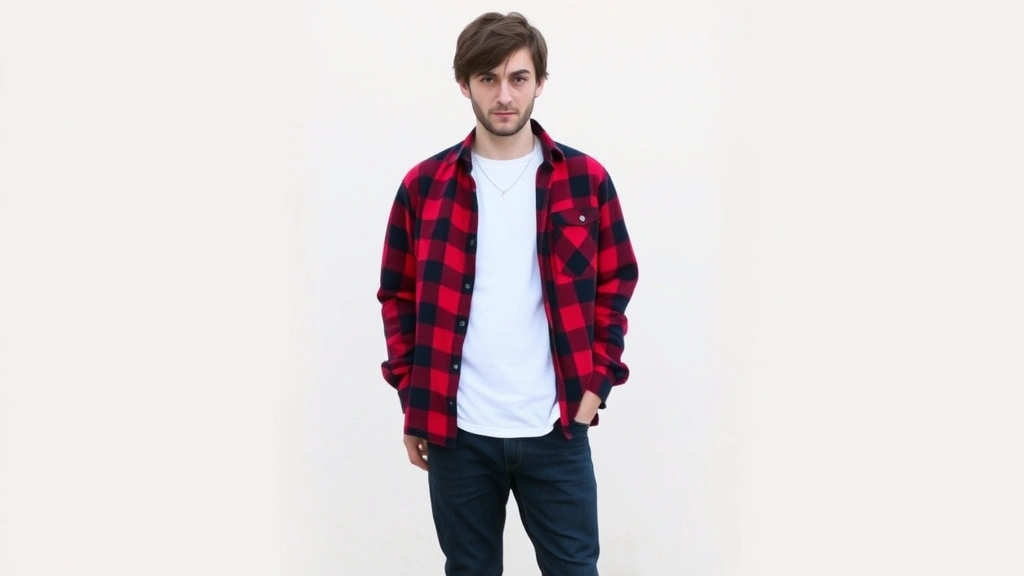
The grunge look centered on oversized silhouettes, distressed fabrics, and thrifted pieces that appeared effortlessly thrown together. Flannel shirts became the uniform, worn unbuttoned over band t-shirts or thermal tops, creating layers that suggested both warmth and nonchalance. Ripped jeans weren’t a style choice; they were authentic wear from actual use, which gave the look its credibility. Professional stylists note that the key to nailing grunge today is understanding that it should look genuinely worn-in rather than artificially distressed—quality matters even when clothing appears intentionally disheveled.
What made grunge revolutionary was its accessibility. Unlike previous fashion movements that required significant wealth, grunge celebrated secondhand shopping, thrift stores, and wearing things that didn’t match. This democratization of style meant anyone could participate, which explains why the movement spread so rapidly. When you’re building a sustainable fashion approach inspired by vintage pieces, grunge principles naturally align with ethical consumption.
Minimalist Aesthetics and Clean Lines
While grunge dominated the streets, high fashion in the 1990s moved in a completely opposite direction toward minimalism, creating two distinct but equally important 90s aesthetic pillars. Designers like Calvin Klein, Jil Sander, and Helmut Lang pioneered a stripped-down approach that emphasized quality, neutral colors, and architectural silhouettes. This wasn’t about looking cheap or thrifted; it was about the power of simplicity and the confidence required to wear plain, perfectly-fitting clothing without embellishment.
The minimalist 90s look featured neutral color palettes dominated by black, white, gray, and beige, with occasional navy or olive accents. Clothing fit precisely—not oversized like grunge, but tailored to the body without excess fabric. T-shirts were simple and well-made, trousers featured clean lines with minimal detailing, and layering came from combining different textures rather than different patterns. This approach required investment in quality basics, as there’s nowhere for inferior craftsmanship to hide in minimalist design.
What stylists appreciate about 90s minimalism is its timelessness. These pieces don’t look dated because they prioritized form over trend-driven details. A perfectly fitted black turtleneck from the 90s looks just as contemporary now as it did then. This aesthetic also connects to broader conversations about how consumer choices affect the environment, since minimalism inherently encourages buying fewer, higher-quality items rather than constantly consuming new pieces.
Key Pieces Every 90s-Inspired Wardrobe Needs
Building an authentic 90s wardrobe requires understanding which pieces are non-negotiable. These foundational items appear across both grunge and minimalist aesthetics, making them versatile anchors for your styling.
Flannel Shirts: The quintessential 90s piece, flannel shirts work in plaid patterns or solid colors. Look for slightly oversized fits in wool or cotton blends. Layer them open over t-shirts, wear them as jackets, or button them up for a more polished appearance. Quality flannel develops character over time, making vintage pieces especially desirable.
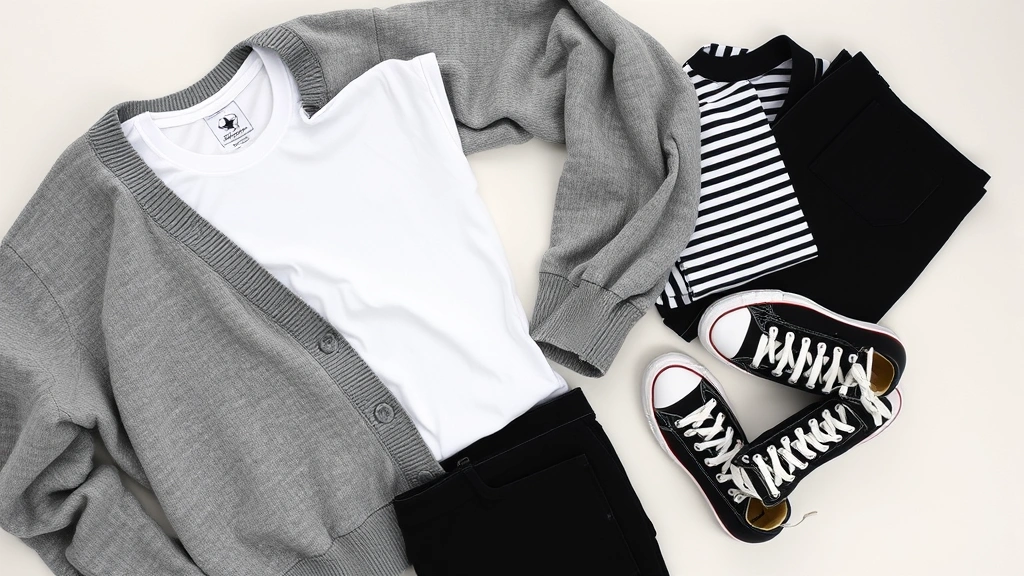
White T-Shirts: A perfectly plain white t-shirt is fundamental to 90s style. It serves as a base layer under flannel, worn solo with jeans, or layered under long-sleeve shirts. Choose quality cotton that holds its shape and brightness through washing.
Denim Jeans: 90s denim came in multiple styles—from the distressed grunge look to clean, well-fitted minimalist cuts. Straight-leg and slightly tapered silhouettes dominated, often in medium to dark washes. Black jeans were equally popular and provided a minimalist alternative to traditional blue denim.
Thermal Shirts: Long-sleeve fitted thermals, typically in neutral colors or simple stripes, became a layering staple. Wear them under t-shirts or flannel for depth and visual interest.
Band T-Shirts: Whether authentic vintage pieces or modern reproductions, band tees were central to grunge identity. Nirvana, Sonic Youth, and The Melvins were popular choices, though any band merchandise worked as long as it felt genuine to your interests.
Cardigans and Sweaters: Oversized cardigans and chunky knit sweaters provided warmth and silhouette variation. These pieces worked equally well in grunge and minimalist contexts, depending on styling choices.
Footwear That Defined the Decade
Shoes were absolutely critical to 90s men’s fashion, with specific styles becoming iconic identifiers of different subcultural groups. Understanding footwear choices helps complete any 90s-inspired outfit.
Doc Martens: These chunky lace-up boots transcended their original purpose as workwear to become the ultimate 90s statement shoe. Available in black leather or various colors, Doc Martens signaled authenticity within grunge and alternative communities. They paired perfectly with ripped jeans and flannel, creating an instantly recognizable silhouette.
Converse Chuck Taylors: High-top and low-top Chucks appeared throughout the decade in black, white, and various colors. They were affordable, casual, and worked with virtually any outfit from oversized grunge to minimalist basics.
Nike Air Force 1s: These clean, minimalist sneakers became increasingly popular as the decade progressed, especially among those gravitating toward hip-hop influenced style. Their simple design aligned perfectly with minimalist aesthetics.
Timberland Boots: Originally workwear, these tan and brown boots became fashion staples, worn with jeans and baggy pants. They represented a more utilitarian approach to 90s style.
Slip-On Vans: Simple canvas slip-ons provided an even more minimal sneaker option, perfect for those wanting understated footwear that didn’t draw excessive attention.
Accessories and Layering Techniques
Accessories in 90s fashion served different purposes depending on which aesthetic you were pursuing. Grunge accessories tended toward minimal, practical pieces, while minimalist style used accessories more strategically.
Beanies and Knit Caps: Essential for grunge style, beanies kept hair contained and added visual interest. They worked in any color but black, gray, and earth tones were most common.
Chains and Jewelry: Minimalist 90s style often excluded visible jewelry entirely, while grunge and hip-hop influenced styles incorporated silver chains, dog tags, or simple pendants. The key was restraint—even when wearing jewelry, 90s men typically chose singular statement pieces rather than multiple accessories.
Backpacks: Canvas or nylon backpacks replaced traditional briefcases, with brands like The North Face and Jansport becoming status symbols. These functional accessories added authenticity to casual 90s looks.
Sunglasses: Rectangular frames and wraparound styles dominated, with brands like Ray-Ban becoming iconic. These weren’t just functional; they were identity markers.
Layering Strategy: The most important accessorizing technique in 90s fashion was layering. Start with a base layer (thermal or fitted t-shirt), add a mid-layer (oversized flannel or sweater), and top with an outer layer (denim jacket or oversized button-up). This created visual depth and silhouette variation while appearing effortlessly casual.
Building Authentic 90s Outfits
Now that you understand individual pieces, let’s discuss how to combine them into cohesive, authentic-looking outfits that work in contemporary settings.
The Grunge Uniform: Start with black or dark blue jeans (distressed is optional—clean jeans work too). Layer a white thermal or fitted t-shirt underneath, then add an oversized flannel shirt in red plaid, gray, or brown. Leave the flannel unbuttoned and slightly off one shoulder for authentic 90s proportions. Pair with black Doc Martens or Chucks, add a black beanie, and you’ve created an instantly recognizable grunge look. This outfit works for casual outings, creative environments, and social gatherings where you want to make a style statement.
The Minimalist Approach: Choose black or gray straight-leg jeans and pair with a perfectly fitted white or cream t-shirt. Layer with a black or gray cardigan or oversized sweater. Add black leather shoes (minimalist sneakers or simple boots) and minimal accessories. The entire outfit should feel intentional and coordinated, with quality being immediately apparent. This look works for professional settings, first dates, or anytime you want to appear put-together and thoughtful.
The Band Tee Hybrid: Wear an authentic or reproduction band t-shirt as your statement piece. Layer with a neutral flannel shirt (unbuttoned) and black jeans. This bridges grunge and minimalist aesthetics, letting the band tee be the focal point while keeping everything else relatively neutral. Complete with simple sneakers and minimal accessories.
The Layered Casual: Combine a long-sleeve striped thermal with a crew-neck sweater, adding an oversized button-up shirt as the final layer. This creates visual interest through texture and subtle pattern without appearing busy. Pair with clean jeans and minimal shoes. This outfit demonstrates how 90s style used layering to add sophistication to casual clothing.
Professional stylists emphasize that the most important element of 90s fashion is intentionality. Whether you’re pursuing grunge or minimalism, every piece should serve a purpose. Avoid mixing too many patterns, keep your color palette relatively cohesive, and ensure your silhouettes work together harmoniously.

Modern Sustainability in 90s Fashion
One reason 90s fashion remains so relevant today is its natural alignment with sustainable style principles. The grunge movement’s emphasis on thrifting and secondhand shopping directly addresses modern concerns about how our consumption patterns affect the environment. When you embrace 90s style, you’re often choosing vintage pieces that extend garment lifecycles rather than purchasing newly manufactured items.
The minimalist 90s aesthetic also supports sustainability by encouraging investment in fewer, higher-quality pieces that last longer and remain stylish across multiple seasons. This approach contradicts fast fashion’s disposable mentality, instead promoting the sustainable fashion principles that guide conscious consumers.
When building your 90s wardrobe today, consider shopping vintage and secondhand first. Thrift stores, online resale platforms, and vintage boutiques offer authentic pieces that capture genuine 90s style while supporting circular fashion economies. If you purchase new items, look for quality basics from brands emphasizing durability and ethical production. This approach honors the original spirit of 90s fashion while making environmentally responsible choices.
Understanding how human choices interact with environmental systems can deepen your appreciation for 90s fashion’s sustainable roots. The decade’s embrace of thrifting wasn’t motivated by environmental consciousness in most cases—it was simply what felt authentic and affordable. Yet that authenticity now aligns perfectly with modern sustainability values, making 90s style inherently eco-friendly.
For those interested in exploring this intersection further, the Ecorise Daily blog offers comprehensive resources on sustainable living and fashion choices. Additionally, understanding different types of environments and human impact provides context for why sustainable fashion matters beyond aesthetics.
FAQ
What’s the difference between 90s grunge and 90s minimalism?
Grunge embraced oversized, distressed, thrifted pieces that appeared effortlessly thrown together, celebrating anti-fashion authenticity. Minimalism featured clean lines, tailored fits, neutral colors, and high-quality basics that emphasized simplicity and sophistication. Both were 90s movements, but they represented opposite styling philosophies.
Can I wear 90s fashion in professional settings?
Absolutely. The minimalist 90s aesthetic works perfectly in professional environments—think clean jeans with a fitted sweater and simple shoes. Grunge requires more contextual judgment; it works in creative fields and casual workplaces but might be too informal for traditional corporate settings. Adjust based on your workplace culture.
Where should I shop for authentic 90s pieces?
Thrift stores, vintage boutiques, and online resale platforms like Depop and Vestiaire Collective offer authentic vintage 90s pieces. For new items capturing 90s aesthetics, brands like Carhartt, Levi’s, and various independent vintage-inspired labels offer quality basics. Mixing authentic vintage with new pieces is perfectly acceptable.
How do I avoid looking like I’m wearing a costume?
The key is selecting pieces that genuinely appeal to you rather than forcing every element to be 90s-specific. Integrate 90s pieces into your existing style gradually. Wear one statement piece (like a flannel shirt) with contemporary basics. Authenticity comes from genuine interest in the style rather than obvious historical recreation.
Are 90s fashion trends still relevant today?
Absolutely. Minimalism never went out of style, and grunge has experienced multiple revivals. Current fashion cycles continuously reference 90s aesthetics, from high fashion runways to streetwear brands. The decade’s principles—quality over quantity, authenticity over trends, and comfort with sophistication—remain eternally relevant.
What’s the best way to start building a 90s-inspired wardrobe?
Begin with foundational basics: quality jeans, white t-shirts, and neutral sweaters. Add one or two statement pieces like a flannel shirt or band tee. Invest in good footwear—Doc Martens or quality sneakers. Build gradually, mixing vintage pieces with new basics, ensuring everything reflects your personal style rather than forcing a complete decade-specific aesthetic.

Related Posts

Perfect Old Fashioned Donut: Baker’s Secrets
Old Fashioned Chocolate Pie Recipe? Chef’s Favorite