Maple Old Fashioned Recipe: Bartender’s Choice
Maple Old Fashioned Recipe: Bartender’s Choice
The maple old fashioned stands as one of the most elegant and sophisticated cocktails a bartender can craft. This timeless drink elevates the classic old fashioned by introducing the warm, complex sweetness of pure maple syrup, creating a beverage that appeals to both whiskey connoisseurs and casual cocktail enthusiasts. Whether you’re tending bar at an upscale establishment or mixing drinks at home, mastering this recipe will impress your guests and demonstrate your commitment to quality mixology.
What makes the maple old fashioned truly special is its balance of flavors. The maple syrup doesn’t simply mask the whiskey’s character—it enhances it, adding depth and a subtle autumnal note that pairs beautifully with the spirit’s natural vanilla and oak undertones. This variation has become a favorite among bartenders who understand that the best cocktails respect their base spirit while introducing complementary elements that create something memorable.
What Makes the Maple Old Fashioned Special
The maple old fashioned recipe represents a modern evolution of a classic cocktail with roots stretching back to the 1880s. The original old fashioned emerged as bartenders sought to create drinks that highlighted the whiskey itself rather than masking it with excessive sugar and citrus. The craft of mixology has always balanced tradition with innovation, and the maple variation exemplifies this philosophy perfectly.
Maple syrup brings something distinct to the table that simple syrup cannot replicate. Its molasses-forward flavor profile contains subtle notes of caramel, vanilla, and even slight woodiness. When combined with quality bourbon or rye whiskey, these elements create a harmonious blend that feels both familiar and exciting. The maple old fashioned has become a signature drink in craft cocktail bars across North America, particularly in regions where maple production is celebrated.
Professional bartenders appreciate this recipe because it demonstrates their understanding of flavor composition and ingredient quality. The drink requires no fancy techniques or expensive garnishes—just precision, quality spirits, and respect for the craft. This accessibility makes it perfect for home bartenders who want to impress without elaborate equipment.
Essential Ingredients and Spirits
Creating an authentic maple old fashioned recipe begins with selecting the right ingredients. Each component plays a crucial role in the final product, and substitutions can significantly alter the drinking experience.
Whiskey Selection: The spirit foundation determines much of your drink’s character. Bourbon whiskey remains the most popular choice, offering natural sweetness and vanilla notes that complement maple beautifully. Rye whiskey provides a spicier, more assertive profile that works wonderfully for those who prefer higher-proof drinks. Tennessee whiskey like Jack Daniel’s adds a slightly smoky quality, while Irish whiskey creates a softer, more approachable version. Professional bartenders often recommend using whiskeys in the 90-100 proof range for optimal flavor balance.
Maple Syrup Quality: This ingredient cannot be overlooked. Pure maple syrup is non-negotiable—avoid imitation syrups entirely, as they contain artificial flavors and lack the complexity that makes this cocktail special. Grade A light amber maple syrup provides delicate maple flavor without overwhelming the whiskey. Grade B or dark amber varieties offer more robust molasses notes, perfect for those who want pronounced maple character. Some bartenders even use maple syrup infused with spices like cinnamon or nutmeg for seasonal variations.
Bitters: Angostura bitters remain the standard choice, their spice profile enhancing both the whiskey and maple. However, many bartenders experiment with alternatives—orange bitters add citrus brightness, while chocolate or walnut bitters introduce earthy complexity. The key is selecting bitters that complement rather than compete with your maple syrup choice.
Water and Ice: Often overlooked, these elements matter tremendously. Filtered water dilutes the spirit appropriately and opens up subtle flavors. Large, single ice cubes or ice spheres melt slowly, maintaining proper dilution without over-watering your drink. Many professional bars use clear ice that looks beautiful in the glass while melting at a controlled rate.
Citrus and Garnish: A twist of orange or lemon peel adds aromatic oils that brighten the drink. Some bartenders add a cherry for sweetness and visual appeal, though purists argue this masks the drink’s complexity. Maple-infused cherries offer a sophisticated middle ground.
Step-by-Step Bartender’s Guide
This classic bartender’s approach to crafting the perfect maple old fashioned ensures consistency and excellence every time.
- Prepare Your Glass: Use a rocks glass or lowball glass, typically 6-8 ounces. Some bartenders chill glasses beforehand by filling them with ice for several minutes, then discarding the ice before pouring. This step keeps your drink colder longer.
- Add Bitters and Syrup: Pour 2-3 dashes of Angostura bitters into the empty glass. Add ½ ounce of pure maple syrup. The ratio depends on personal preference—some prefer ¾ ounce for sweeter drinks, while others use just ¼ ounce for spirit-forward versions. Quality bartenders taste as they go, adjusting for their specific whiskey and syrup combination.
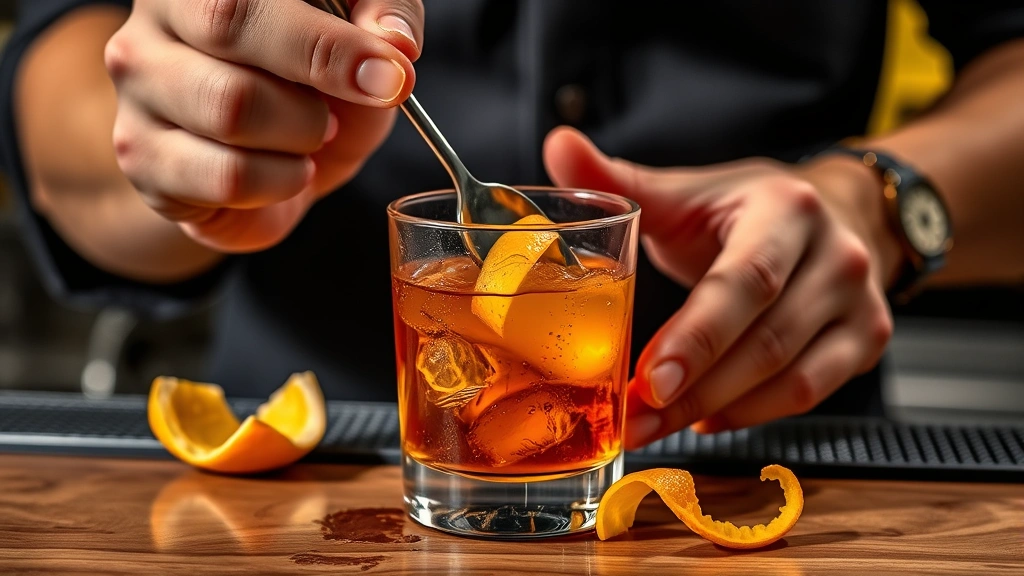
- Muddle Gently: Using a muddler or bar spoon, gently stir the bitters and maple syrup together. This isn’t aggressive muddling like you’d do with mint—simply combine the ingredients until the syrup dissolves slightly into the bitters, creating a flavorful base. Avoid crushing or creating foam.
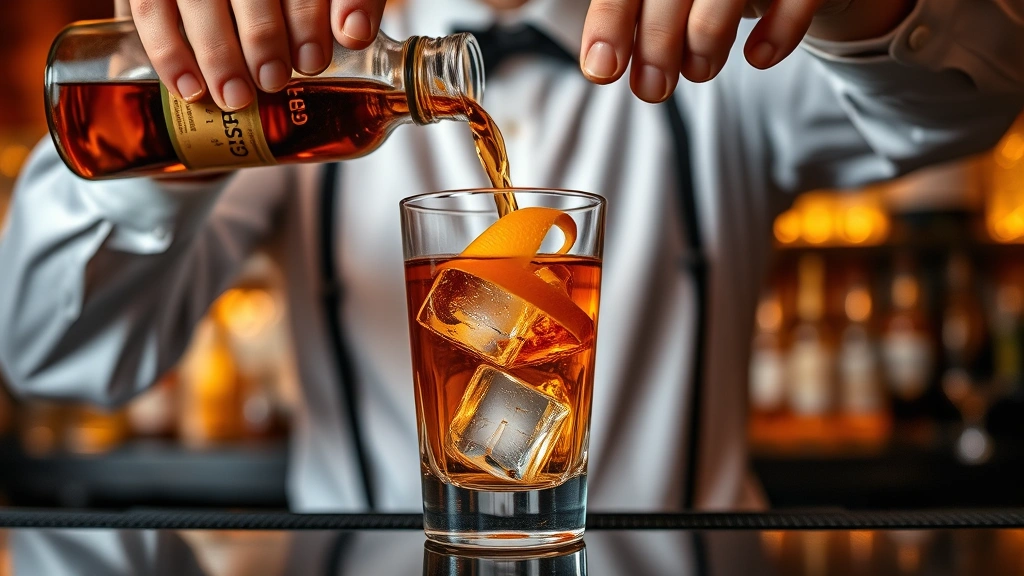
- Add Whiskey: Pour 2 ounces of your chosen whiskey into the glass. Some bartenders prefer 2.5 ounces for a more spirit-forward drink, while others use 1.75 ounces for a lighter version. Professional bartenders recommend 2 ounces as the sweet spot.
- Stir Thoroughly: Fill the glass with one large ice cube or several smaller cubes. Stir continuously for 10-15 seconds, allowing proper dilution and chilling. The ice should become frosted on the outside, indicating adequate temperature.
- Express and Garnish: Cut a wide strip of orange peel, holding it skin-side out over the drink. Twist firmly to release essential oils, then rub the peel around the glass rim. Drop the peel into the drink as garnish. Some bartenders add a single cherry on a cocktail pick for additional elegance.
- Serve Immediately: Present the drink promptly to preserve temperature and dilution balance. Professional service includes a small napkin and perhaps a stir stick, allowing guests to adjust their drink if desired.
Technique and Presentation
What separates a good maple old fashioned from an exceptional one often comes down to technique and presentation. Professional bartenders understand that every movement matters.
Dilution and Temperature: The stirring process serves two critical functions—chilling and dilution. Proper dilution (typically 15-20% water by volume) opens up the whiskey’s flavors and softens the spirit’s intensity. Too little dilution creates a harsh, overly alcoholic drink; too much creates a watery disappointment. The ice should be large enough to melt slowly, maintaining proper temperature throughout consumption without excessive dilution.
Flavor Integration: The initial muddle combines bitters and maple syrup, creating a flavorful base that distributes evenly throughout the drink. When you add whiskey and stir, this base integrates fully, ensuring every sip tastes balanced. Poor technique—either over-muddling or under-stirring—results in uneven flavor distribution.
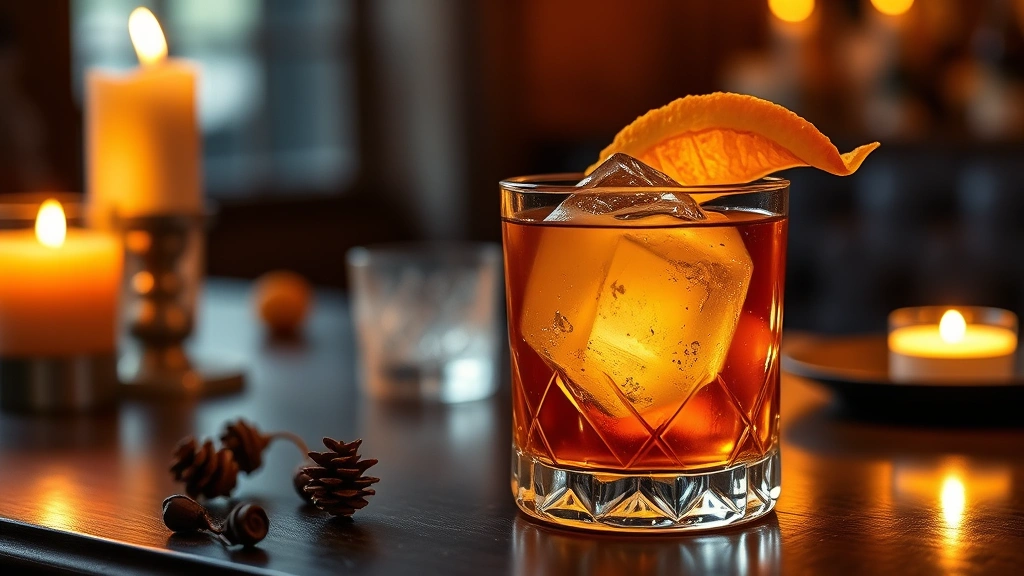
Visual Presentation: The maple old fashioned should appear sophisticated and inviting. The amber whiskey, potentially darkened slightly by maple syrup, creates a beautiful hue. A proper ice cube (not crushed ice) looks elegant and functional. The orange peel, either floated or rimmed, adds visual interest and aromatic promise. Professional bartenders understand that presentation influences perception—a beautifully made drink tastes better because guests expect excellence.
Aromatics: The twisted orange peel releases essential oils that become the first sensory experience. These oils sit atop the drink, creating an aromatic layer that primes the palate for the flavors to come. Guests who appreciate craft cocktails often lean in to smell the drink before tasting, so this element matters tremendously.
Variations and Customizations
While the classic maple old fashioned recipe provides an excellent foundation, countless variations allow bartenders and home mixologists to explore creative directions.
Spiced Maple Version: Add a pinch of cinnamon, nutmeg, or clove to the maple syrup before muddling. Some bartenders infuse maple syrup with these spices several hours ahead, creating a house-made specialty. This variation particularly appeals during autumn and winter months.
Smoked Maple Old Fashioned: Some upscale bars smoke the glass before pouring, introducing subtle wood smoke that complements maple beautifully. This requires specialized equipment but creates an unforgettable experience. Alternatively, bartenders might use a small piece of smoking wood floated in the drink.
Bourbon vs. Rye Exploration: Different whiskey styles create distinctly different drinks. Bourbon emphasizes the maple’s sweetness, while rye brings spice that makes maple seem more complex. Experimenting with different whiskeys reveals how ingredient selection shapes the final product.
Infused Variations: Some bartenders create maple-bourbon infusions by soaking toasted oak chips, vanilla beans, or even maple wood in bourbon for extended periods. These infusions add layers of complexity that elevate the drink considerably.
Seasonal Adjustments: Winter versions might include star anise or cardamom, while summer variations could incorporate a touch of fresh lemon juice or a splash of ginger syrup. Professional bartenders adjust their recipes seasonally, keeping drinks relevant and exciting throughout the year.
Common Mistakes to Avoid
Even experienced bartenders occasionally slip into habits that diminish their maple old fashioned. Understanding these common pitfalls helps maintain quality consistency.
Using Imitation Maple Syrup: This remains the most critical mistake. Imitation syrups contain artificial flavors that taste chemical and unpleasant when combined with quality whiskey. Always use pure maple syrup, even if it costs more. Your guests will taste the difference immediately.
Over-Muddling: Aggressive muddling breaks down the syrup and bitters unevenly, creating foam and uneven flavor distribution. Gentle stirring is all that’s needed—think of it as combining rather than crushing.
Insufficient Stirring: Under-stirring leaves your drink too warm and under-diluted. Proper stirring takes 10-15 seconds minimum. Professional bartenders often stir longer, ensuring optimal chilling and integration.
Wrong Ice Quality: Crushed ice melts too quickly, over-diluting the drink within seconds. Large, solid ice cubes or spheres maintain proper temperature and dilution rate throughout consumption. Invest in an ice maker that produces quality cubes.
Skipping the Citrus Peel: The orange peel isn’t just decoration—it provides essential aromatic oils that enhance the drinking experience. Never skip this step or use pre-cut peels, which have already lost their essential oils.
Incorrect Proportions: Measuring matters tremendously. Bartenders who understand proportions create consistent, excellent drinks. Use a jigger to measure whiskey and syrup precisely, adjusting only after tasting.
Pairing and Serving Suggestions
The maple old fashioned pairs beautifully with various foods and occasions, making it versatile for different settings.
Food Pairings: The drink’s sweetness and complexity complement rich, savory foods exceptionally well. Smoked meats—particularly brisket or pulled pork—create wonderful contrasts with the maple’s sweetness. Aged cheeses, particularly sharp cheddar or gouda, pair elegantly. Chocolate desserts, especially dark chocolate, enhance the drink’s deeper notes. Nuts like pecans or walnuts echo the drink’s warmth.
Seasonal Occasions: This drink shines during autumn and winter gatherings. Its maple notes feel seasonally appropriate, and the warming nature of whiskey appeals during cold months. However, excellent bartenders serve maple old fashioneds year-round, adjusting presentation and pairings seasonally.
Occasion Appropriateness: The maple old fashioned works for upscale cocktail bars, home entertaining, whiskey tastings, and sophisticated dinner parties. Its elegance and complexity make it appropriate for professional settings, yet its accessibility makes it perfect for casual gatherings. The drink signals that someone cares about quality without requiring extensive explanation.
Serving Temperature and Timing: Always serve immediately after preparation, while the drink maintains optimal temperature. The maple old fashioned should be sipped slowly, allowing the flavors to develop as the drink warms slightly and dilutes further. Encourage guests to enjoy it over 10-15 minutes rather than rushing through.
Glassware Presentation: The rocks glass or lowball glass provides the perfect canvas for this drink. Some bartenders use vintage glassware for added elegance, while others prefer modern designs. The vessel matters less than its size and the quality of the drink within.
FAQ
What’s the difference between a maple old fashioned and a classic old fashioned?
The primary difference is the sweetener. Classic old fashioneds use simple syrup (equal parts sugar and water), while maple old fashioneds use pure maple syrup. This substitution adds complexity, warmth, and subtle molasses notes that simple syrup cannot provide. The maple version feels more sophisticated and seasonal.
Can I make a maple old fashioned ahead of time?
No, cocktails are always best made to order. Pre-mixing results in improper dilution, temperature loss, and flavor degradation. However, you can prepare components ahead—chill glasses, measure whiskey into bottles, and prepare maple syrup mixtures for quick assembly.
Which maple syrup grade works best?
Grade A light amber maple syrup provides delicate flavor without overwhelming the whiskey, making it ideal for most bartenders. Grade B or dark amber varieties offer more robust character for those preferring pronounced maple flavor. Experiment with both to discover your preference.
Is the orange peel necessary?
Yes, the orange peel serves multiple functions beyond decoration. It releases essential oils that enhance the aromatic experience, adds subtle citrus notes, and signals quality craftsmanship. Never skip this element in a properly made maple old fashioned.
What if I don’t have large ice cubes?
Invest in an ice maker that produces quality cubes, or use several smaller cubes rather than crushed ice. The goal is ice that melts slowly, maintaining proper dilution and temperature. Quality bartenders understand that proper tools matter for consistent results.
Can I use flavored bitters instead of Angostura?
Absolutely. Orange bitters add brightness, chocolate bitters introduce depth, and walnut bitters complement maple beautifully. However, Angostura remains the classic choice for good reason—its spice profile enhances both whiskey and maple without competing for attention.
How much maple syrup should I use?
Most bartenders use ½ ounce as the standard, though preferences vary. ¼ ounce creates a spirit-forward drink with subtle maple notes, while ¾ ounce produces a sweeter, more maple-forward version. Taste as you prepare drinks, adjusting for your specific ingredients and preferences.
What whiskey brands do bartenders recommend?
Professional bartenders often choose mid-range bourbons like Maker’s Mark, Woodford Reserve, or Buffalo Trace for consistent quality without excessive cost. For rye, Rittenhouse or Sazerac offer excellent value. Premium options like Pappy Van Winkle or Buffalo Trace Antique Collection work beautifully but aren’t necessary for excellent drinks.
Can I make a non-alcoholic version?
Yes, substituting whiskey with non-alcoholic spirits creates a sophisticated mocktail. Use quality maple syrup, bitters, sparkling water, and proper ice. While not identical to the original, this version appeals to non-drinkers who appreciate craft cocktails.
How do I store maple syrup after opening?
Proper storage preserves ingredient quality, which directly impacts your drinks. Keep opened maple syrup in the refrigerator, where it stays fresh for months. Some bartenders keep a bottle at room temperature for quick access during service, but refrigeration extends shelf life significantly.

Related Posts
Perfect Old Fashioned Donut: Baker’s Secrets
Old Fashioned Chocolate Pie Recipe? Chef’s Favorite