Korean Men’s Fashion Tips: Expert Insights
Korean men’s fashion has revolutionized global style trends, blending minimalism with bold experimentation and creating a distinctive aesthetic that prioritizes quality, fit, and personal expression. From Seoul’s bustling streets to international runways, the Korean fashion movement has captured the attention of style-conscious men worldwide who appreciate the meticulous attention to detail and innovative approach to contemporary menswear. This comprehensive guide explores the essential elements, styling principles, and expert insights that define Korean men’s fashion today.
What makes Korean men’s fashion particularly compelling is its unique philosophy: the belief that style should be accessible, intentional, and reflective of individual personality. Korean brands and fashion influencers have demonstrated that men can experiment with textures, proportions, and color palettes while maintaining sophistication and wearability. Whether you’re interested in adopting key pieces or understanding the cultural nuances behind this aesthetic, this guide provides actionable tips from fashion experts and industry professionals.
Core Principles of Korean Men’s Fashion
Korean men’s fashion operates on several foundational principles that distinguish it from Western menswear traditions. The first principle emphasizes intentional simplicity—each piece should serve a purpose and contribute meaningfully to the overall aesthetic. This doesn’t mean boring or plain; rather, it means selecting items with interesting textures, subtle details, or unique construction methods that reward closer inspection.
The second core principle involves quality over quantity. Korean fashion advocates encourage investing in well-made basics and statement pieces rather than accumulating numerous mediocre items. This philosophy aligns with sustainable fashion practices and creates a more cohesive wardrobe. According to Vogue’s fashion analysis, Korean consumers demonstrate among the highest engagement with quality-focused brands globally.
The third principle celebrates proportional balance. Korean styling often juxtaposes fitted and oversized elements strategically—perhaps pairing a slim-fit turtleneck with relaxed-fit trousers, or cropped pants with an oversized jacket. This creates visual interest and prevents the outfit from appearing either too formal or too casual.
Additionally, Korean men’s fashion embraces subtle experimentation. Rather than radical style shifts, the approach favors gradual incorporation of new textures, unexpected color combinations, or interesting fabrications. This makes the aesthetic both approachable for beginners and infinitely explorable for seasoned fashion enthusiasts.
Essential Wardrobe Pieces
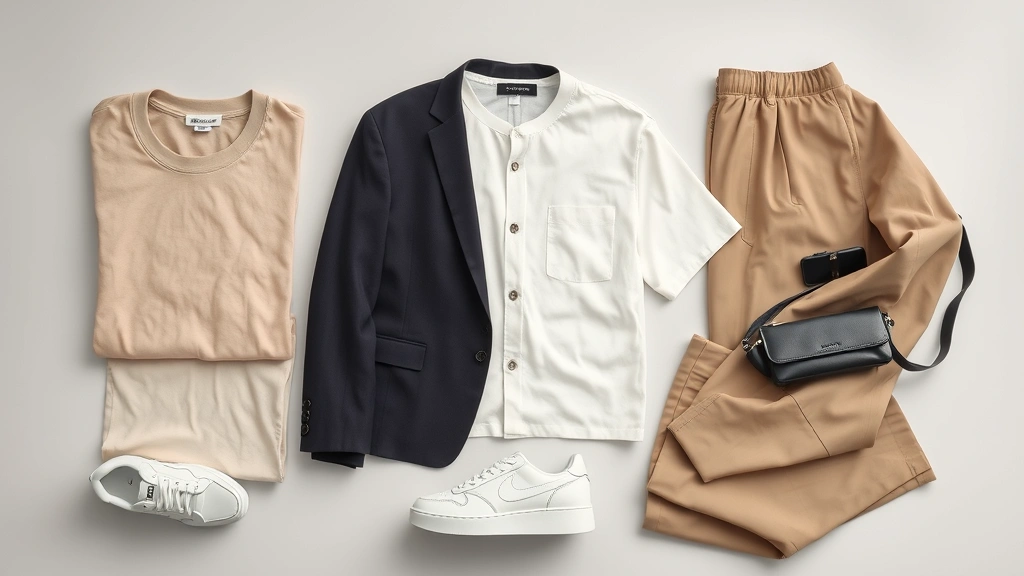
Building a Korean-inspired wardrobe begins with understanding which fundamental pieces form the foundation. The white basic t-shirt serves as the canvas for countless Korean outfits—look for versions with interesting necklines, subtle texture, or premium cotton that drapes beautifully.
Equally essential is the oversized button-down shirt, typically in white, light blue, or neutral tones. This piece works layered over t-shirts, worn open as a jacket, or styled traditionally for more polished occasions. Korean fashion experts recommend seeking shirts with interesting collar shapes or subtle patterns that elevate the basic silhouette.
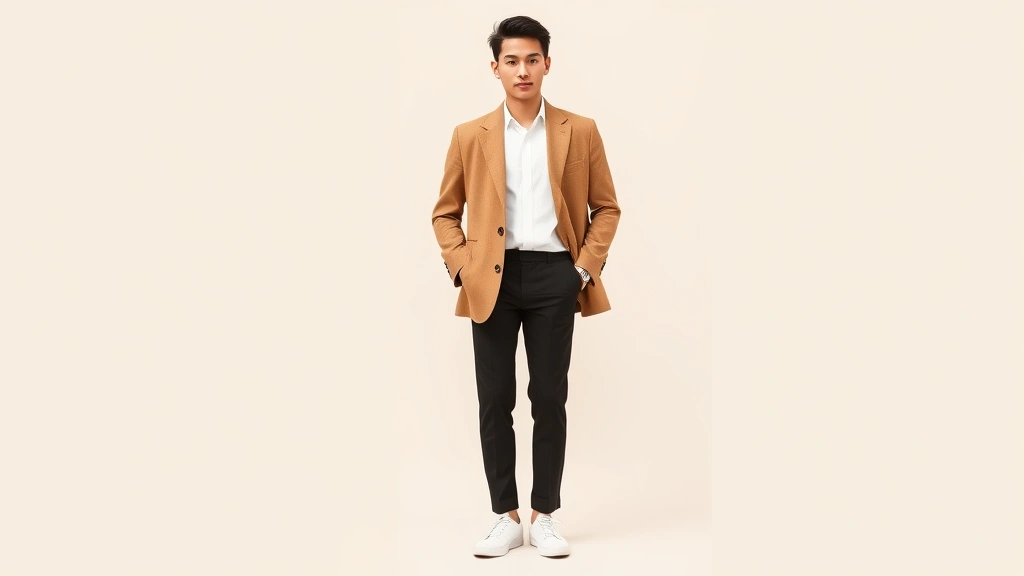
The structured blazer represents another cornerstone piece. Unlike traditional Western blazers, Korean-style blazers often feature slightly softer tailoring, interesting button placements, or unexpected color choices like camel, olive, or soft gray. This blazer should fit close through the shoulders while allowing comfortable movement.
Quality denim is non-negotiable in Korean men’s fashion. The preferred cuts typically include slim-fit or straight-leg styles in classic indigo or black, though increasingly, interesting washes and vintage-inspired pieces gain popularity. Many Korean fashion advocates choose premium denim brands known for durability and fabric quality.
Comfortable trousers in neutral tones—including black, gray, beige, and navy—provide versatile styling foundations. Korean men often favor straight-leg or slightly tapered silhouettes with clean lines and minimal ornamentation.
Finally, the oversized sweater or knit offers textural interest and layering potential. Chunky knits, cable patterns, and interesting color combinations all align with Korean fashion sensibilities, as does the contemporary approach to sustainable fashion that emphasizes timeless pieces.
Fit and Silhouette
Mastering fit represents perhaps the most crucial aspect of Korean men’s fashion. The philosophy rejects both extreme oversizing and restrictive tightness, instead favoring what might be called intentional proportions. A well-fitted Korean outfit typically features one or two statement proportions balanced by more traditionally fitted elements.
For example, an outfit might pair an oversized linen shirt with slim-fit trousers and pointed leather shoes, creating a visually interesting silhouette that feels cohesive rather than chaotic. Alternatively, a fitted turtleneck worn under a relaxed-fit sweater creates layered texture while maintaining overall balance.
The shoulder seam holds particular importance in Korean tailoring philosophy. Most Korean menswear emphasizes proper shoulder fit, with seams sitting directly at the natural shoulder point rather than extending beyond or falling short. This foundational fit detail influences how the entire garment drapes and presents.
Korean fashion also celebrates the cropped trouser silhouette, which typically hits just above the ankle bone, creating visual lightness and showcasing interesting footwear. This proportion works particularly well with oversized tops, creating balanced contrast. Many Korean style guides recommend having at least one pair of cropped trousers in a neutral tone.
The sleeve length receives careful attention in Korean styling. Shirt sleeves should ideally reach the wrist bone, while t-shirt sleeves should sit approximately mid-bicep without extending too far down the arm. Sweater sleeves typically extend slightly beyond the wrist, creating a relaxed appearance while maintaining structure.
Color Palettes and Styling
Korean men’s fashion typically operates within a carefully curated color palette, though this palette has evolved significantly in recent years. The neutral foundation includes blacks, grays, whites, beiges, and navy tones that form the backbone of most Korean outfits. These neutrals provide versatility and allow other elements to shine.
Within this neutral framework, accent colors introduce personality and visual interest. Soft earth tones like sage green, terracotta, dusty rose, and warm brown appear frequently in Korean fashion. These muted, sophisticated hues align with the overall aesthetic of intentional restraint and refined taste.
Interestingly, Korean fashion has increasingly embraced unexpected color combinations that might seem unusual in Western contexts. Pairing olive green with dusty purple, or mixing warm and cool tones in a single outfit, demonstrates the confidence and sophistication characteristic of Korean style.
The monochromatic approach holds particular appeal in Korean fashion philosophy. Wearing multiple shades of a single color—perhaps light gray, medium gray, and charcoal—creates sophisticated visual interest through texture and proportion rather than color contrast. This technique works beautifully for creating cohesive, polished looks.
Seasonal color shifts also influence Korean men’s fashion. Summer typically features lighter, brighter neutrals and pastels, while autumn and winter embrace richer, deeper tones. Spring often celebrates soft, fresh hues that bridge the seasonal transition.
Layering Techniques
Layering represents one of the most distinctive and versatile aspects of Korean men’s fashion. Rather than simply wearing clothes on top of each other, Korean styling treats layering as a compositional art form where each piece contributes to the overall aesthetic.
The basic three-layer foundation typically includes a fitted base layer (t-shirt or long-sleeve shirt), a mid-layer (sweater, shirt, or light jacket), and an outer layer (blazer, jacket, or coat). Each layer should be slightly different in proportion or texture, creating visual interest and depth.
A classic Korean layering example might feature a fitted white t-shirt, an oversized linen shirt worn open, and a structured blazer—the progression from fitted to oversized to structured creates dynamic visual interest. Alternatively, a slim-fit turtleneck under an oversized sweater with a long coat demonstrates how layering can build sophisticated silhouettes.
Texture mixing enhances layered outfits significantly. Combining smooth cotton with chunky knit, or pairing crisp linen with soft wool, adds tactile dimension to the look. Korean fashion enthusiasts often seek fabrics with interesting weaves or subtle patterns that reward closer inspection.
The color progression in layered outfits follows intentional logic in Korean styling. Some outfits progress from light to dark, others create contrast between warm and cool tones, while still others employ monochromatic variations. The key is ensuring each layer feels purposeful rather than accidental.
Length relationships between layers also matter considerably. When layering, ensuring adequate visibility of each layer—rather than completely obscuring pieces—maintains visual clarity. For instance, a shirt worn under a sweater should have visible sleeves extending slightly beyond the sweater cuffs.
Accessories and Details
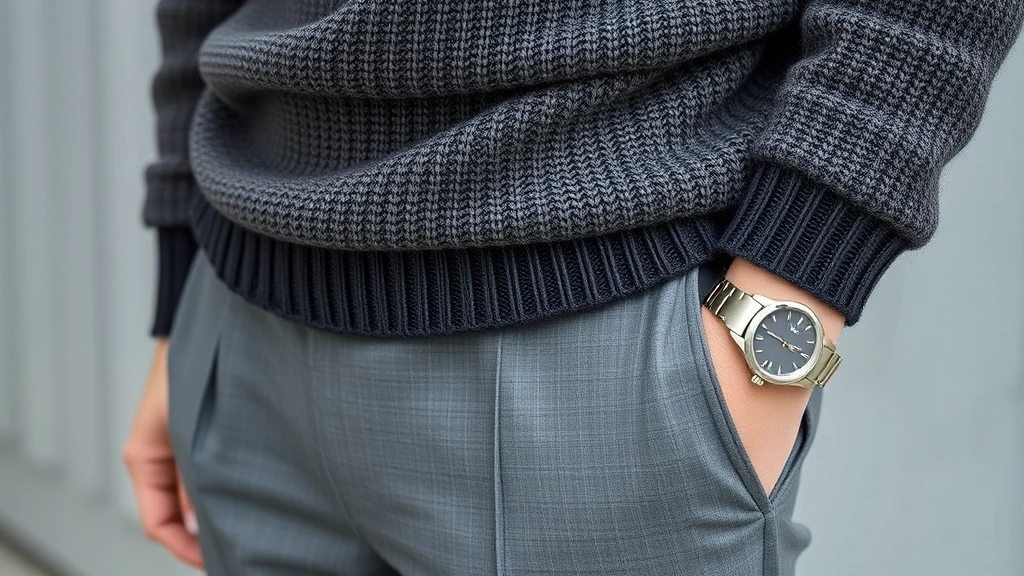
Accessories in Korean men’s fashion serve as subtle punctuation marks rather than bold statements, though they significantly influence the overall aesthetic. The watch typically represents the primary accessory, with Korean fashion favoring clean-lined, minimalist designs in silver or gold tones, or interesting vintage pieces that add character.
Footwear choices dramatically impact Korean outfits. White leather sneakers remain a staple, but Korean fashion celebrates diverse shoe options including Chelsea boots, loafers, pointed leather shoes, and chunky sneakers. The key is selecting shoes with interesting details or proportions that complement the outfit rather than disappearing into it.
Bags in Korean men’s fashion tend toward structured, minimal designs. Crossbody bags, backpacks, and small shoulder bags in neutral colors provide practical functionality while maintaining aesthetic consistency. Many Korean fashion advocates prefer bags with interesting hardware or subtle texture.
The scarf or neck piece offers an interesting layering opportunity, particularly during cooler months. Silk scarves, bandanas, or lightweight scarves can be styled in various ways to add color or texture without overwhelming the outfit.
Jewelry remains minimal but intentional. Simple silver chains, understated rings, or small hoop earrings align with Korean fashion philosophy. The emphasis is on quality materials and clean design rather than quantity or boldness. According to Esquire’s menswear coverage, Korean men increasingly embrace subtle jewelry as confidence-building accessories.
Hair styling deserves mention as a crucial accessory element. Korean men’s fashion culture places significant emphasis on well-maintained, stylish hair. Popular styles include textured crops, longer pieces with volume, and carefully groomed longer lengths. The investment in quality haircuts and styling products aligns with the overall quality-focused philosophy.
Korean Fashion Icons
Understanding contemporary Korean men’s fashion benefits from studying influential figures who embody these principles. Korean celebrities, fashion designers, and street style icons demonstrate how to apply these concepts authentically and creatively.
Many Korean actors and musicians showcase sophisticated styling that balances approachability with aspirational quality. Their approach often involves investing in quality basics, selecting interesting statement pieces strategically, and maintaining impeccable fit through tailoring. These figures demonstrate that Korean men’s fashion doesn’t require extreme or uncomfortable silhouettes—instead, it celebrates thoughtful curation and intentional self-expression.
Korean fashion designers have also significantly influenced global menswear trends. Brands emphasizing quality construction, interesting proportions, and accessible luxury have gained international recognition. The relationship between fashion choices and societal values becomes evident when examining how Korean brands prioritize sustainability and ethical production alongside aesthetic innovation.
Street style photography from Seoul consistently showcases diverse interpretations of Korean men’s fashion principles. From minimalist all-black outfits to carefully color-coordinated ensembles, these real-world examples demonstrate the flexibility and personal expression potential within this aesthetic framework.
Following Korean fashion accounts on social media provides continuous inspiration and education. Many Korean stylists, fashion bloggers, and brand representatives share detailed outfit breakdowns, styling tips, and seasonal recommendations that help audiences understand the reasoning behind specific choices.
FAQ
What’s the difference between Korean men’s fashion and Western menswear?
Korean men’s fashion emphasizes intentional simplicity, quality over quantity, and proportional balance, whereas Western menswear often follows more traditional tailoring standards. Korean styling celebrates subtle experimentation and unexpected proportions, while Western menswear traditionally emphasizes classic fits and conservative color choices. Additionally, Korean fashion places greater emphasis on personal expression within a refined framework.
How can I start incorporating Korean men’s fashion into my wardrobe?
Begin by investing in quality basics—white t-shirts, neutral trousers, and a well-fitted blazer. Focus on achieving proper fit through tailoring rather than purchasing multiple items. Gradually introduce one interesting statement piece, experiment with layering, and pay attention to proportional balance. Start with neutral colors and slowly introduce subtle accent tones as you develop confidence.
Is Korean men’s fashion expensive?
Korean fashion operates across all price points. The philosophy emphasizes quality over quantity rather than luxury branding. Many Korean high-street brands offer excellent quality at moderate prices. The investment comes from selecting fewer, better-made pieces rather than purchasing many low-quality items. Budget-conscious shoppers can absolutely embrace Korean fashion principles.
What shoes work best with Korean fashion styling?
White leather sneakers remain the most versatile option, but Chelsea boots, loafers, pointed leather shoes, and clean-lined chunky sneakers all align with Korean aesthetics. The key is selecting shoes with interesting proportions or details that complement your outfit. Avoid heavily branded or overly casual athletic shoes that distract from the overall aesthetic.
How important is fit in Korean men’s fashion?
Fit represents perhaps the most crucial element. Proper shoulder seams, appropriate sleeve lengths, and intentional proportions determine whether an outfit succeeds or fails. Many Korean fashion advocates invest in tailoring to achieve perfect fit rather than settling for off-the-rack proportions. This commitment to fit fundamentally distinguishes Korean fashion from casual approaches.
Can I wear bold colors in Korean men’s fashion?
While Korean fashion typically emphasizes neutral foundations, accent colors and unexpected combinations increasingly appear in contemporary styling. The approach involves using bold colors thoughtfully—perhaps a single statement piece balanced by neutral elements, or sophisticated color combinations that demonstrate confidence and taste. Bright, neon, or highly saturated colors generally don’t align with traditional Korean aesthetics.
What’s the importance of accessories in Korean men’s fashion?
Accessories serve as subtle punctuation marks rather than focal points. A quality watch, interesting footwear, and a structured bag contribute significantly to the overall aesthetic without overwhelming it. The philosophy emphasizes having fewer, better-chosen accessories rather than numerous pieces competing for attention.

Related Posts

Perfect Old Fashioned Donut: Baker’s Secrets
Old Fashioned Chocolate Pie Recipe? Chef’s Favorite