What’s Your Fashion Style? Expert Insights
What’s Your Fashion Style? Expert Insights on Discovering Your Personal Look
Fashion is more than just clothing—it’s a form of self-expression that communicates who you are to the world without saying a single word. Understanding your personal fashion style is one of the most empowering discoveries you can make, yet many people struggle to define it. Whether you’re scrolling through Instagram, flipping through magazines, or standing in front of your closet feeling overwhelmed, knowing how to identify and develop your signature style can transform not only your wardrobe but also your confidence.
The journey to discovering your fashion style isn’t about following trends blindly or copying celebrities. Instead, it’s about understanding the deeper aspects of who you are—your personality, lifestyle, body type, color preferences, and values—and translating those into clothing choices that make you feel authentic and beautiful. This comprehensive guide will walk you through expert-backed methods to identify your fashion style, refine it, and make it work seamlessly with your life.
Understanding Fashion Style vs. Fashion Trends
Before diving into discovering your personal fashion style, it’s crucial to understand the fundamental difference between style and trends. Fashion trends are temporary—they come and go with seasons, influenced by designers, celebrities, and cultural moments. Your personal fashion style, however, is timeless and deeply personal. It’s the consistent thread that runs through your wardrobe choices, the aesthetic that makes people recognize “that’s so you” when they see an outfit.
According to fashion psychologists and style experts, your fashion style is rooted in your identity, values, and lifestyle. It’s not something you can force or fake; instead, it emerges naturally when you understand what makes you feel confident and comfortable. The best fashion style is one that aligns with your authentic self, making getting dressed a joy rather than a source of stress.
Many people make the mistake of chasing every trend that emerges, resulting in closets full of clothes they don’t actually love or wear. By contrast, when you develop a clear understanding of your personal style, you make more intentional purchases that work together cohesively. This approach is not only more sustainable for your wardrobe but also more economical and environmentally conscious.
The Major Fashion Style Categories
Fashion styles can be broadly categorized into several distinct aesthetics, each with its own characteristics, color palettes, silhouettes, and vibes. While many people’s personal style is a blend of multiple categories, understanding these core styles helps you identify which elements resonate most with you.
- Classic/Timeless: Clean lines, neutral colors, quality basics, and investment pieces. Think tailored blazers, crisp white shirts, and well-fitted jeans.
- Bohemian: Free-spirited, eclectic, and artistic. Features flowing fabrics, earthy tones, patterns, and vintage-inspired pieces.
- Minimalist: Less is more. Neutral palette, simple silhouettes, quality over quantity, and functional clothing.
- Romantic: Soft, feminine, delicate details like lace, ruffles, pastels, and flowy fabrics.
- Edgy/Grunge: Bold, rebellious, darker tones, leather, oversized fits, and statement pieces.
- Preppy: Polished, structured, featuring blazers, polo shirts, patterns like stripes and plaids, and classic silhouettes.
- Maximalist: Bold colors, patterns, statement pieces, and layering. More is more with this approach.
- Sporty/Athleisure: Comfortable, functional, featuring athletic wear as everyday clothing with sneakers and activewear pieces.
As you explore these categories, notice which descriptions make you excited and which feel foreign. Your authentic style likely combines elements from two or three categories rather than fitting neatly into one box.
Assessing Your Lifestyle and Daily Activities
One of the most overlooked aspects of discovering your fashion style is considering your actual lifestyle. Your style must work for your real life, not some imaginary version of yourself. If you work from home, a wardrobe full of formal business attire won’t serve you. Similarly, if you’re a parent managing multiple kids’ activities, impractical clothes will create daily frustration.
Start by honestly assessing how you spend your time. What percentage of your week is spent at work, at home, exercising, socializing, or running errands? What climate do you live in? What’s your activity level? Understanding your interaction with your environment and daily routines helps you build a functional style foundation.
For example, someone who spends 60% of their time in a corporate office needs a strong professional wardrobe foundation, while someone who works in creative industries might have more flexibility for experimental pieces. A person living in a warm climate needs different style considerations than someone experiencing four distinct seasons. By aligning your style with your lifestyle, you create a wardrobe that actually gets worn and loved.

Body Type Considerations
Understanding your body type is essential for discovering a fashion style that flatters your frame and makes you feel confident. Fashion stylists consistently emphasize that knowing which silhouettes, necklines, and proportions work best for your body type helps you make smarter clothing choices.
The five commonly recognized body types are pear, apple, hourglass, rectangle, and inverted triangle. However, it’s important to remember that body type is just one consideration among many. The goal isn’t to hide or disguise your body but to dress in ways that make you feel amazing and confident in your skin.
Key considerations include:
- Proportions: Are your legs long or short relative to your torso? Do you have broad shoulders or narrow ones?
- Balance: Understanding where you carry weight helps you choose silhouettes that feel balanced on your frame.
- Fit: The right fit is more important than size. Tailoring is a game-changer for making pieces work perfectly for your body.
- Comfort: If something doesn’t feel comfortable on your body, you won’t wear it no matter how stylish it is.
Rather than restrictive rules, think of body-type dressing as a guide to experimenting with what makes you feel best. Many fashion experts suggest trying on different silhouettes and noting how they make you feel, rather than strictly adhering to prescriptive guidelines.
Color Theory and Personal Undertones
Color is one of the most powerful tools in fashion styling, yet many people overlook its importance when discovering their personal style. The right colors can illuminate your complexion, make your eyes pop, and instantly elevate your entire look. Understanding your personal color palette is transformative.
Color theory in fashion typically considers undertones—the subtle hues beneath your skin’s surface. Most people fall into one of three undertone categories: warm, cool, or neutral. Your undertone determines which colors will make you look vibrant and healthy versus washed out or tired.
Warm undertones are flattered by colors like warm reds, oranges, warm yellows, warm browns, warm greens, and warm neutrals like cream and camel. Cool undertones look best in cool reds, purples, cool blues, cool greens, and cool neutrals like white and gray. Neutral undertones have the flexibility to wear both warm and cool colors effectively.
Beyond undertones, consider which colors genuinely make you happy and feel like “you.” Your personal style should reflect colors that resonate with your personality and make you feel confident. Some people are drawn to bold, saturated colors, while others prefer soft, muted palettes. Both approaches are valid; the key is choosing colors that align with your authentic preferences.
Building Your Style Inspiration Board
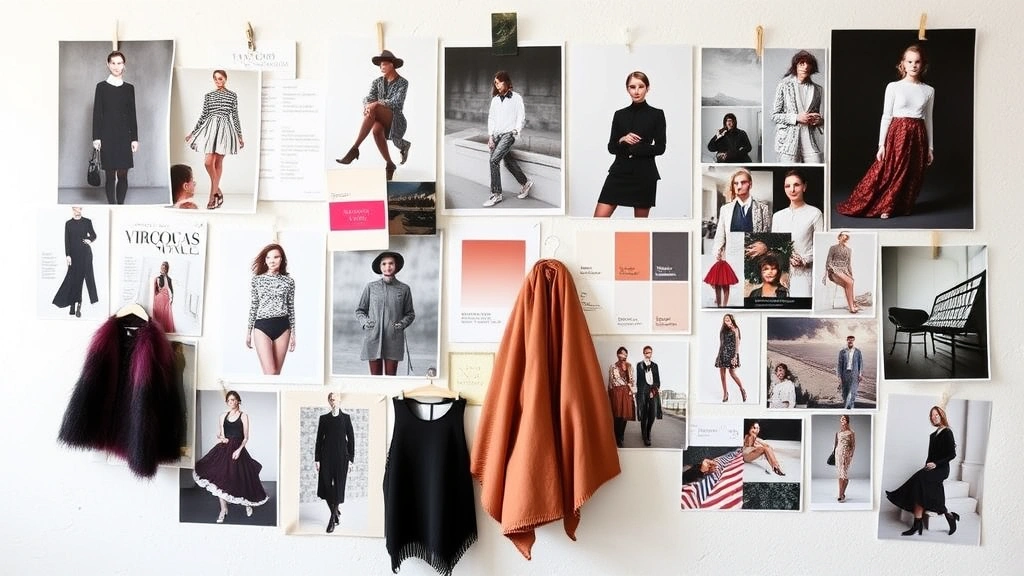
One of the most effective methods for discovering your fashion style is creating an inspiration board. This visual exercise helps you identify patterns in what you’re drawn to, making your style preferences concrete and actionable.
Start by gathering inspiration from multiple sources: Pinterest, Instagram, fashion magazines, street style photos, and even people in your life whose style you admire. Save or pin images of outfits, individual pieces, and styling combinations that appeal to you. Aim for at least 50-100 images to create a meaningful pattern.
Once you’ve gathered your inspiration, analyze it for recurring themes:
- What color palettes appear most frequently?
- Are certain silhouettes repeated?
- What’s the overall vibe—casual, polished, edgy, romantic?
- What types of accessories appear repeatedly?
- Are there specific textures or fabrics you’re drawn to?
This analysis often reveals surprising insights about your style preferences. You might discover that despite thinking you love maximalism, your inspiration board is predominantly minimalist. Or you might realize that your style is actually a beautiful blend of preppy and bohemian elements. These discoveries are invaluable for building an authentic wardrobe.
Developing Your Signature Pieces
Once you’ve identified your style direction, the next step is developing a collection of signature pieces—the foundational items that form the backbone of your wardrobe. These are the pieces you’ll return to again and again because they fit perfectly, feel amazing, and align with your style.
Signature pieces vary depending on your personal style, but they typically include:
- Neutral basics: Well-fitting jeans, plain t-shirts, neutral sweaters, and basic tanks in colors that complement your undertone
- Workhorses: Pieces you wear constantly, like a perfect blazer, comfortable sneakers, or a versatile jacket
- Elevated basics: Higher-quality versions of basics in premium fabrics that elevate your everyday look
- Layering pieces: Cardigans, button-ups, and lightweight jackets that extend your styling options
- Statement pieces: Items that express your personality, whether that’s a bold color, interesting texture, or unique silhouette
The key to signature pieces is quality over quantity. Investing in fewer, higher-quality items that you absolutely love is far more effective than accumulating numerous pieces you rarely wear. Quality pieces last longer, fit better, and actually get incorporated into your regular rotation.
As you build your signature collection, think about how pieces work together. The most functional wardrobes feature items that coordinate easily, creating multiple outfit combinations from a smaller number of pieces. This approach aligns with sustainable fashion practices that benefit both your closet and the environment.
Common Style Mistakes to Avoid
Understanding what to avoid is just as important as knowing what to embrace when discovering your fashion style. Here are common mistakes that derail style journeys:
- Chasing trends blindly: Following every trend without considering whether it aligns with your personal style results in a disjointed, inauthentic wardrobe.
- Ignoring fit: The most beautiful piece in the world won’t look good if it doesn’t fit your body properly. Never underestimate the power of tailoring.
- Buying based on price alone: Cheap items often don’t last and don’t make you feel good. Invest in quality pieces you’ll actually wear.
- Not considering your lifestyle: A wardrobe that doesn’t match your real life creates daily frustration and waste.
- Overcomplicated styling: Your personal style should make getting dressed easier, not harder. If an outfit requires excessive effort or accessories to work, it’s probably not right for you.
- Ignoring color: Wearing colors that don’t flatter your undertone can make even beautiful pieces fall flat on your frame.
- Comparing yourself to others: Your style should be authentically yours, not a replica of someone else’s. Inspiration is great; imitation is limiting.
- Keeping clothes that don’t spark joy: If something doesn’t make you feel amazing when you wear it, it’s taking up valuable closet space.
Many style experts, including those featured in publications like Vogue and Harper’s Bazaar, emphasize that the most successful style journeys involve being intentional and honest with yourself about what actually works for your life and body.
FAQ
How long does it take to discover your personal fashion style?
There’s no set timeline, as style discovery is a personal journey. Some people develop clarity within weeks of intentional reflection, while others take months or even years to fully refine their style. The important thing is to be patient and honest with yourself throughout the process. Your style may also evolve as you grow and change, and that’s completely normal and healthy.
Can your fashion style change over time?
Absolutely. While your core style often remains consistent, your fashion preferences can evolve based on life changes, personal growth, and different life stages. A major career change, relocation, or personal transformation might shift your style preferences. This is natural and shouldn’t be viewed as failure; instead, it’s an opportunity to refresh your wardrobe to match your current self.
What if I like multiple fashion styles?
Most people’s authentic style is actually a blend of multiple categories rather than fitting neatly into one box. You might be 50% minimalist and 50% romantic, or perhaps 40% classic, 40% bohemian, and 20% edgy. The key is identifying which styles resonate most strongly and finding ways to blend them cohesively so your wardrobe feels intentional rather than chaotic.
How do I know if something aligns with my personal style?
Ask yourself these questions: Does this piece make me feel confident and authentic? Does it fit my lifestyle and daily activities? Does the color flatter my undertone? Does it coordinate with existing pieces in my wardrobe? Will I actually wear this regularly? If you answer yes to most of these questions, it’s likely a good fit for your personal style.
Should I invest in expensive pieces to develop my style?
Not necessarily. While quality matters, you don’t need to spend a fortune developing your style. The key is being intentional with your purchases regardless of price point. Invest in signature pieces and items you’ll wear frequently, and be more flexible with trendy or experimental pieces. Many stylists recommend the 80/20 rule: 80% of your budget goes to timeless, versatile pieces, and 20% goes to trendier items that reflect current interests.
How can I make my current wardrobe work while discovering my style?
Start by assessing what you already own and identifying pieces that genuinely make you feel good. These items are clues to your authentic style. Create outfits using existing pieces, noting which combinations feel most “you.” This process often reveals gaps in your wardrobe that you can fill strategically. You don’t need to start from scratch; instead, evolve your existing wardrobe gradually by adding intentional pieces and removing items that don’t align with your emerging style.
Discovering your personal fashion style is one of the most rewarding journeys you can take. It’s about moving beyond external validation and trend-chasing to embrace a style that feels authentically, unapologetically you. By understanding the fundamentals covered in this guide—from lifestyle assessment to color theory to signature pieces—you’re equipped to build a wardrobe that not only looks beautiful but also makes you feel confident and comfortable every single day. Remember that style is personal, evolving, and ultimately about celebrating who you are right now. Start implementing these expert insights today, and watch as your fashion choices become more intentional, cohesive, and joyful.

Related Posts

Perfect Old Fashioned Donut: Baker’s Secrets
Old Fashioned Chocolate Pie Recipe? Chef’s Favorite