Is Uniqlo Fast Fashion? Insider Insights
Is Uniqlo Fast Fashion? Insider Insights
Uniqlo occupies a fascinating middle ground in the fashion industry that defies simple categorization. While the Japanese retailer shares certain characteristics with traditional fast fashion brands, it distinguishes itself through deliberate design philosophy, manufacturing practices, and quality standards. Understanding whether Uniqlo qualifies as fast fashion requires examining the nuances of its business model, supply chain transparency, and commitment to sustainable practices that set it apart from competitors.
The question of Uniqlo’s classification matters because it affects how consumers perceive the brand’s environmental and ethical impact. Unlike brands that prioritize rapid trend cycles and disposable clothing, Uniqlo focuses on timeless basics and longevity. This article explores the insider perspectives on Uniqlo’s positioning within the fashion industry and whether the label of fast fashion truly applies.
What Defines Fast Fashion
Fast fashion represents a business model centered on rapid design-to-retail cycles, high-volume production, and trend-driven consumption. Brands like Shein, Zara, and H&M exemplify this approach, releasing new styles weekly or even daily to capitalize on fleeting trends. The model prioritizes speed and affordability over durability, encouraging consumers to purchase frequently and discard clothing regularly. According to ThredUP’s fashion report, the average American discards over 81 pounds of clothing annually, much of it from fast fashion purchases.
The hallmarks of fast fashion include:
- Rapid production cycles: New collections released multiple times per season, sometimes weekly
- Trend-focused design: Styles based on current runway trends rather than timeless appeal
- Low price points: Affordable pricing that encourages frequent purchases and disposal
- High volume manufacturing: Emphasis on quantity over quality and longevity
- Limited transparency: Minimal disclosure about supply chain practices and labor conditions
- Seasonal obsolescence: Designs intended to feel outdated after one season
Understanding these characteristics provides a framework for evaluating where Uniqlo actually fits within the fashion spectrum.
Uniqlo’s Business Model Explained
Uniqlo’s founder Tadashi Yanai developed a fundamentally different approach to retail fashion, one that prioritizes essentials over trends. The company’s philosophy centers on creating high-quality basics that remain relevant across seasons and years. This fundamental approach to business distinguishes Uniqlo from conventional fast fashion retailers.
The Uniqlo model emphasizes:
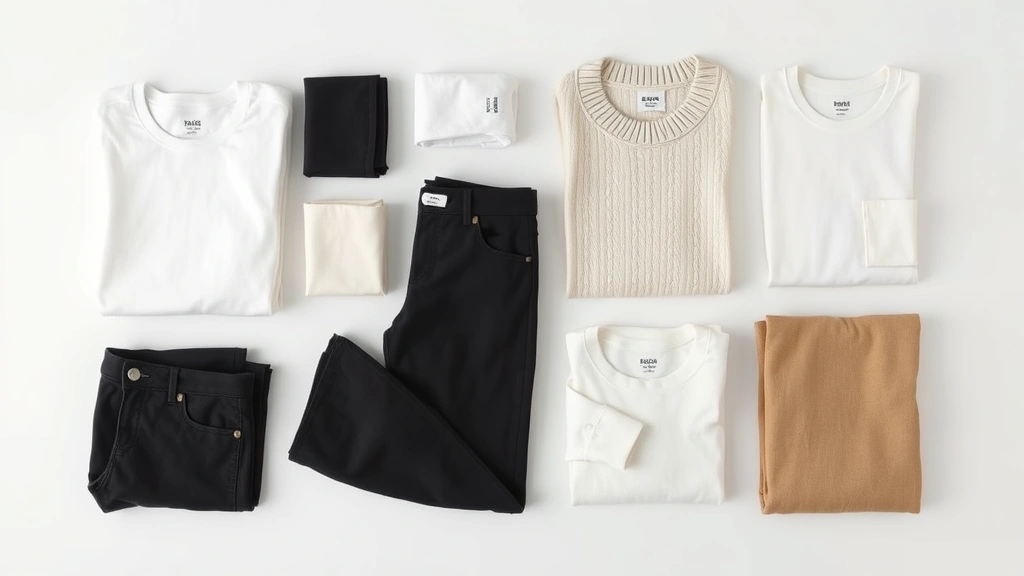
- Capsule wardrobe basics: Core pieces like plain t-shirts, jeans, sweaters, and simple outerwear designed for versatility
- Consistent collections: Seasonal updates rather than constant new releases, with core items available year-round
- Quality materials: Investment in premium fabrics and construction techniques that extend garment lifespan
- Strategic pricing: Affordable but not rock-bottom prices reflecting quality standards
- Functional design: Features like Heattech insulation, moisture-wicking properties, and innovative fabric technology
- Supply chain stability: Long-term relationships with manufacturers rather than constantly switching suppliers
Yanai’s vision was creating clothing that focuses on “simplicity, quality, and reasonable prices.” This philosophy creates a stark contrast with brands that release 52 new collections annually.
Manufacturing and Supply Chain Practices
One of the most significant differentiators between Uniqlo and traditional fast fashion lies in manufacturing practices. Uniqlo maintains relatively stable supplier relationships and operates numerous owned or partially-owned factories, particularly in Vietnam, Cambodia, and Indonesia. This vertical integration allows for better quality control and more consistent oversight of labor practices compared to brands that constantly shift manufacturing locations.
Uniqlo publishes detailed sustainability and transparency reports covering factory locations, worker conditions, and compliance efforts. The company implements rigorous auditing systems and maintains ongoing relationships with suppliers, reducing the pressure to cut corners that characterizes typical fast fashion operations. While no company is perfect, Uniqlo’s commitment to transparency represents a significant departure from the secretive supply chains of many fast fashion brands.
The company’s approach includes:
- Detailed factory disclosure with names and locations
- Regular third-party audits and compliance monitoring
- Worker welfare programs and training initiatives
- Long-term supplier partnerships creating stability
- Investment in manufacturing technology and efficiency
Quality and Durability Standards
Quality represents perhaps the clearest distinction between Uniqlo and fast fashion competitors. When you purchase a Uniqlo garment, the expectation is that it will remain wearable for years, not months. The company’s testing protocols are rigorous, with items undergoing durability tests before mass production. This focus on longevity directly contradicts the disposable nature of fast fashion.
Uniqlo’s quality commitments manifest in:
- Fabric innovation: Development of proprietary materials like Heattech, Airism, and fleece technologies that outperform standard alternatives
- Construction standards: Reinforced seams, quality stitching, and attention to finishing details
- Rigorous testing: Durability and wear testing before products reach retail
- Return policies: Generous return windows reflecting confidence in product quality
- Care instructions: Detailed guidance to help customers maintain garments properly
A well-maintained Uniqlo t-shirt or pair of jeans can remain presentable for 5-10 years, whereas typical fast fashion items deteriorate within one season of regular wear.
Environmental and Ethical Considerations
While Uniqlo isn’t a perfect environmental actor, its model generates significantly less waste than traditional fast fashion. The emphasis on timeless design and durability means fewer garments end up in landfills. Additionally, the company’s efforts to reduce environmental impact through human choices include water conservation, chemical management, and waste reduction initiatives.
Environmental advantages of Uniqlo’s approach:
- Fewer total garments produced due to year-round availability of core items
- Extended garment lifespan reducing replacement frequency
- Lower water consumption per wearable year due to durability
- Reduced packaging waste through efficient logistics
- Investment in sustainable materials and production methods
The company has committed to achieving carbon neutrality in manufacturing by 2030 and has established comprehensive recycling programs. While these initiatives don’t make Uniqlo a sustainability leader, they demonstrate genuine commitment beyond greenwashing.
Comparison with True Fast Fashion Brands
Comparing Uniqlo to undeniable fast fashion retailers reveals striking differences:
Shein and Uniqlo: Shein releases 2,000+ new styles daily, often copying designs from independent creators within hours. Uniqlo releases seasonal collections with emphasis on timeless pieces. Shein’s manufacturing is notoriously opaque; Uniqlo publishes detailed factory audits. Shein items typically deteriorate after 2-3 wears; Uniqlo basics remain serviceable for years.
H&M and Uniqlo: H&M operates multiple collection drops monthly, emphasizing trend-chasing design. Uniqlo maintains consistent core collections. H&M has faced numerous labor and environmental controversies with less transparent responses; Uniqlo proactively publishes compliance data. H&M’s construction is often fragile; Uniqlo’s durability is intentional.
Zara and Uniqlo: Zara’s model relies on rapid manufacturing cycles (two weeks from design to store). Uniqlo takes deliberate time perfecting designs before production. Zara emphasizes fashion-forward aesthetics; Uniqlo prioritizes functionality. Zara’s prices reflect trend premiums; Uniqlo’s reflect material quality.
These comparisons suggest Uniqlo operates in a distinct category—call it “affordable basics” or “accessible quality”—rather than traditional fast fashion.
The Verdict: Is Uniqlo Fast Fashion
The honest answer is nuanced: Uniqlo exhibits some fast fashion characteristics but fundamentally operates under a different philosophy. It’s more accurate to classify Uniqlo as a “fast-casual” or “quality basics” retailer that happens to operate at scale and accessible price points.
Uniqlo shares with fast fashion:
- Large-scale manufacturing and global supply chains
- Affordable pricing accessible to mass consumers
- Rapid expansion and aggressive retail strategies
- Reliance on trend-aware product development
However, Uniqlo differs fundamentally in:
- Design philosophy emphasizing timelessness over trends
- Quality standards ensuring multi-year garment lifespan
- Supply chain transparency and labor practice oversight
- Commitment to functional innovation rather than aesthetic novelty
- Manufacturing stability and supplier relationships
- Environmental impact reduction initiatives
The relationship between consumer choices and environmental outcomes is crucial here. When you choose Uniqlo basics that you’ll wear for years, you’re making a fundamentally different environmental decision than purchasing trend-driven pieces destined for disposal.
Industry experts and fashion journalists increasingly recognize Uniqlo as occupying a middle ground. Vogue has noted Uniqlo’s commitment to “quiet luxury” and accessible quality, distinguishing it from both luxury fashion and fast fashion. The company’s approach represents a viable alternative to both extremes—more sustainable than fast fashion, more affordable than traditional quality retailers.
FAQ
Is Uniqlo considered sustainable?
Uniqlo isn’t a sustainability leader, but its model is inherently more sustainable than fast fashion. The emphasis on durable basics that remain relevant for years reduces consumption frequency and waste generation. The company publishes transparency reports and maintains relatively stable, audited supply chains. For true sustainability, sustainable fashion brands and investment in fewer, higher-quality pieces remain superior options, but Uniqlo offers a reasonable middle ground for budget-conscious consumers.
Why is Uniqlo cheaper than other quality brands?
Uniqlo achieves lower prices through operational efficiency, owned manufacturing facilities, simplified design processes, and high-volume production of core items. The company doesn’t invest heavily in marketing or seasonal collection development. By focusing on timeless basics produced in large quantities, Uniqlo achieves economies of scale that premium brands cannot match while maintaining quality standards.
Do Uniqlo clothes last longer than fast fashion?
Yes, significantly. A typical Uniqlo basic garment is designed and tested for multi-year durability with proper care. Fast fashion items often deteriorate after one season of wear. The difference lies in fabric quality, construction techniques, and intentional design for longevity versus disposability. This durability difference is perhaps the most tangible distinction between Uniqlo and true fast fashion.
How transparent is Uniqlo about manufacturing?
Uniqlo publishes detailed sustainability reports including factory locations, worker conditions, and compliance audits. While transparency has improved significantly over the past decade, the company still faces criticism from labor rights advocates regarding specific working conditions. Compared to most fast fashion brands, Uniqlo’s transparency is notably advanced.
Should I choose Uniqlo over fast fashion?
From an environmental and ethical perspective, yes. Uniqlo’s emphasis on durability, quality, and supply chain stability makes it a preferable choice to traditional fast fashion. However, investing in clothing from environmentally and socially conscious brands or purchasing secondhand remains the most sustainable approach. If you’re choosing between fast fashion and Uniqlo, Uniqlo represents the more responsible option.
Can Uniqlo pieces be styled in multiple ways?
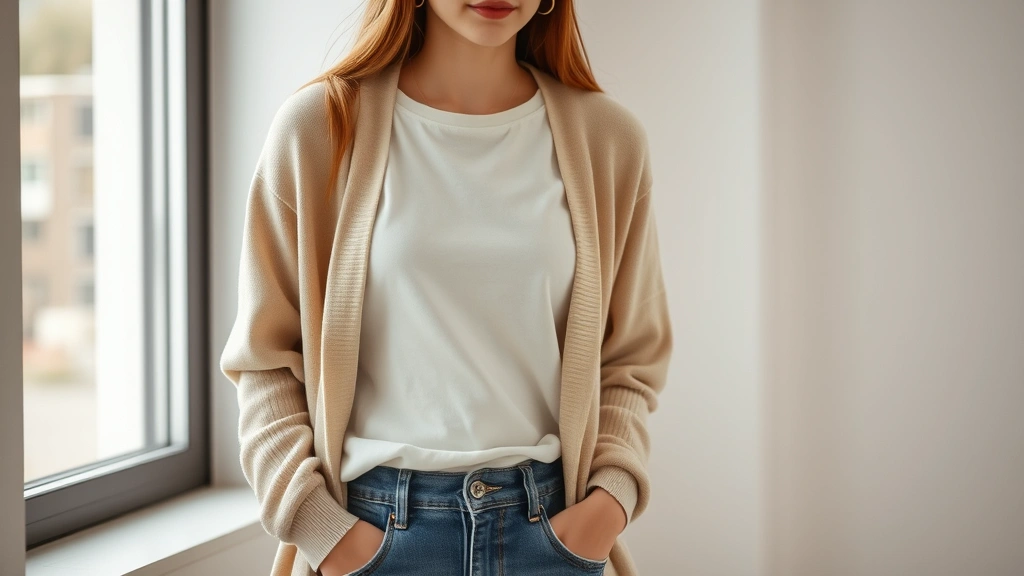
Absolutely. The entire Uniqlo philosophy centers on creating versatile basics that work across numerous outfits and seasons. Plain t-shirts, quality jeans, simple sweaters, and neutral-colored pieces form the foundation of countless outfit combinations. This versatility extends garment lifespan and provides value beyond a single look or season.

Related Posts
Perfect Old Fashioned Donut: Baker’s Secrets
Old Fashioned Chocolate Pie Recipe? Chef’s Favorite