Best Women’s Walking Shoes? Expert Picks 2023
Best Women’s Walking Shoes? Expert Picks 2023
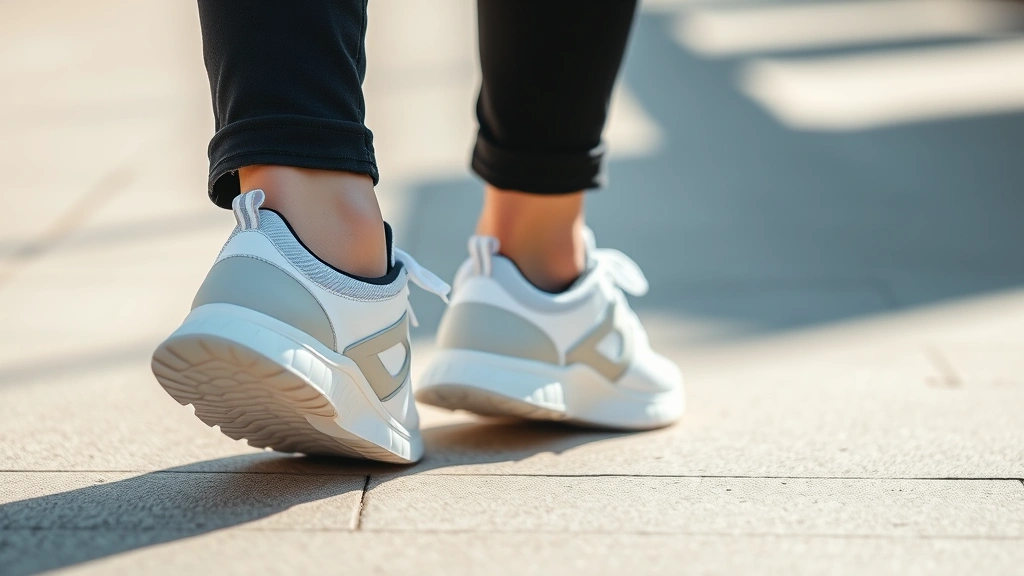
Finding the perfect pair of fashionable walking shoes for women requires balancing comfort, style, and durability. Whether you’re strolling through your neighborhood, commuting to work, or embarking on weekend adventures, your footwear should support your feet while keeping you looking polished. In 2023, the walking shoe market has exploded with innovative designs that don’t sacrifice aesthetics for function, making it easier than ever to find shoes that work with your lifestyle and wardrobe.
The journey to discovering your ideal walking shoe involves understanding your foot type, gait pattern, and personal style preferences. Many women struggle with the misconception that comfortable shoes must look clunky or outdated. Today’s best walking shoes prove otherwise, offering sleek silhouettes, trendy colorways, and advanced cushioning technologies that rival athletic brands. This comprehensive guide explores expert-recommended options, styling tips, and selection criteria to help you make an informed decision.
Understanding Your Walking Shoe Needs
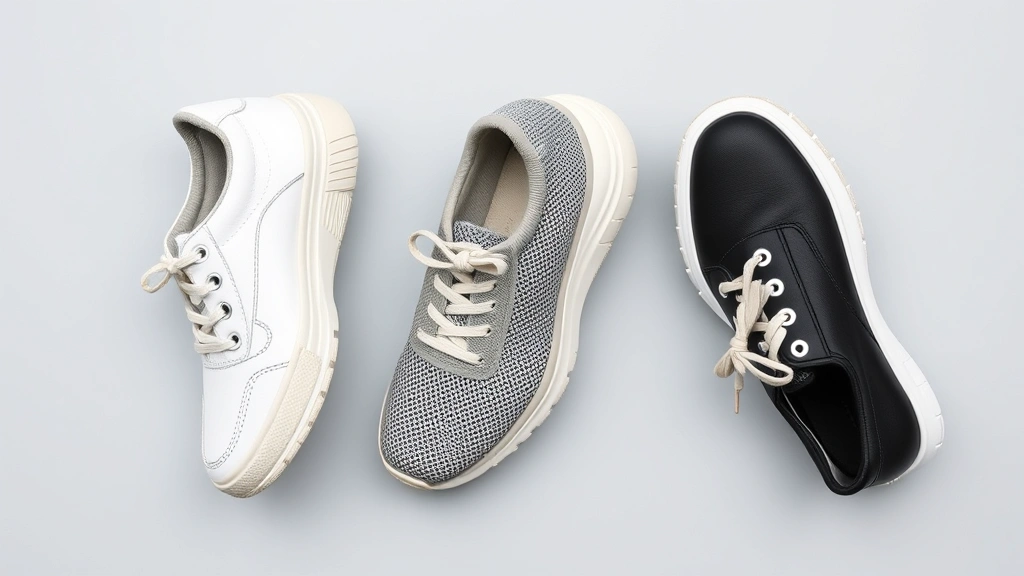
Before investing in new walking shoes, assess your specific requirements. Consider how many hours daily you’ll spend on your feet, the terrain you’ll traverse, and whether you have any foot concerns like flat feet, high arches, or plantar fasciitis. Understanding your personal lifestyle needs helps narrow down options significantly.
Your walking style matters tremendously. Some people naturally pronate (roll inward), while others supinate (roll outward). Neutral walkers benefit from balanced cushioning, while those with pronation issues need stability features. Visit a specialty running store where staff can analyze your gait—many offer this service free of charge. This assessment prevents purchasing shoes that worsen existing foot problems.
Think about your wardrobe too. Fashionable walking shoes should complement your everyday style, whether you prefer casual athleisure, business casual, or minimalist aesthetics. The best shoe is one you’ll actually wear consistently, so color and design matter alongside performance metrics.
Top Expert-Recommended Brands
Several brands have earned recognition from podiatrists and fitness experts for combining style with substantive support. ASICS consistently delivers women’s walking shoes with gel cushioning technology that absorbs impact without compromising elegance. Their modern designs work seamlessly in casual and professional settings.
New Balance remains a powerhouse in the walking shoe category, offering extensive width options and customizable insoles. Their fresh 2023 collections feature contemporary aesthetics that appeal to style-conscious walkers. Saucony has also elevated their game with innovative cushioning systems and collaborations with fashion-forward designers.
Brands like Allbirds and Rothy’s cater to environmentally-conscious consumers seeking fashionable walking shoes for women made from sustainable materials. These companies prove that eco-friendly footwear needn’t compromise on style or comfort. Clarks, a heritage brand, combines traditional craftsmanship with modern comfort technologies, offering shoes that age beautifully.
For those wanting luxury options, brands like Veja blend high fashion with functional design. Their minimalist aesthetic appeals to women seeking premium walking shoes that transition seamlessly from day to evening wear.
Key Features for Optimal Comfort
The best walking shoes incorporate several essential features. Cushioning is paramount—look for foam technologies like EVA, gel, or memory foam that provide shock absorption during repetitive impact. Premium cushioning reduces strain on joints and prevents fatigue during extended walking sessions.
Arch support prevents foot pain and maintains proper alignment. Shoes with contoured footbeds or removable insoles allow customization for your specific arch type. Many experts recommend orthopedic insole options that enhance factory-provided support.
A breathable upper keeps feet cool and dry, reducing blister risk. Look for mesh panels, perforated leather, or knit materials that allow airflow. Moisture-wicking linings enhance comfort during warm weather walks or longer distances.
The heel counter stabilizes your heel, preventing excessive movement that causes blisters and instability. A firm heel counter combined with flexible forefoot design creates the ideal balance for walking. Flexible soles that bend naturally with your gait prevent strain on calf muscles and Achilles tendons.
Weight matters more than many realize. Lighter shoes reduce fatigue, especially during long walks. Modern materials allow manufacturers to reduce weight without sacrificing cushioning or durability, so prioritize shoes under 8 ounces per shoe for women’s sizes.
Styling Your Walking Shoes
Gone are the days when walking shoes meant sacrificing style. Contemporary designs integrate seamlessly with various outfits. Neutral colorways—white, gray, black, navy, and beige—pair with virtually any wardrobe. These versatile options work equally well with athletic wear, jeans, dresses, or professional attire.
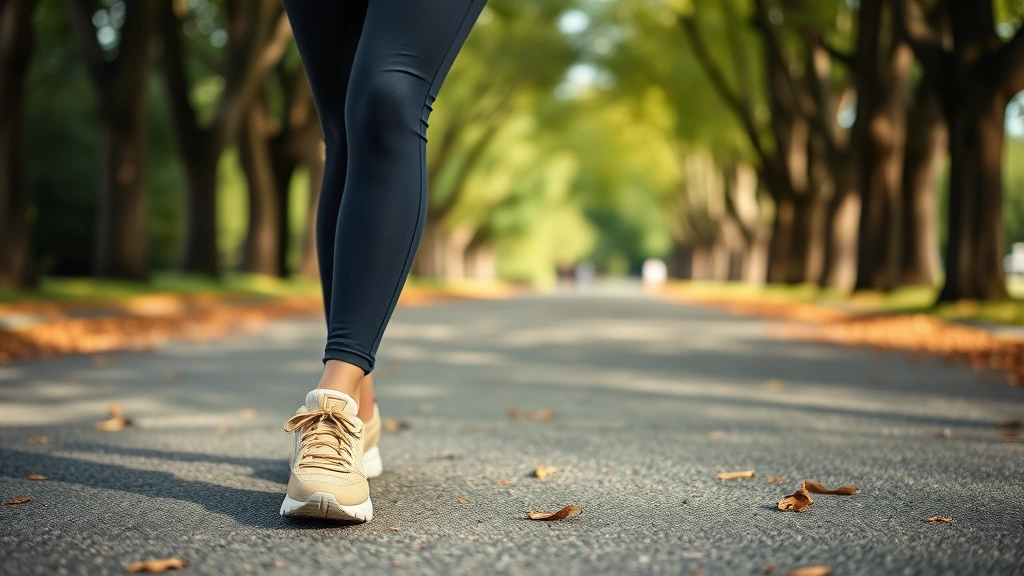
For a casual aesthetic, pair minimalist walking shoes with fitted leggings, oversized sweaters, and lightweight jackets. Monochromatic styling with your shoes creates elongated leg lines. Add a structured bag and sunglasses for polished casual vibes.
Business casual styling works beautifully with many modern walking shoes. Choose sleek designs in neutral tones and pair them with ankle pants, midi skirts, or structured dresses. Leather walking shoes in particular elevate professional appearances while maintaining comfort during workday walking.
For athleisure looks, embrace bolder shoe colorways like terracotta, sage, or dusty rose. These personality-filled options work with matching activewear or create intentional color-blocking with complementary pieces. Elevated athleisure has become socially acceptable everywhere, from coffee shops to casual work environments.
Summer styling pairs lightweight walking shoes with linen pants, cotton dresses, or shorts. Breathable materials become especially important in warm weather. Winter styling incorporates walking shoes with thermal leggings, wool socks (visible or hidden depending on shoe height), and layered outfits.
Fit and Sizing Guide
Proper fit determines whether shoes become comfortable companions or painful mistakes. Measure your feet in the afternoon when they’re slightly swollen from daily activity—this provides accurate sizing. Many people wear incorrect shoe sizes due to childhood measurements that no longer apply.
Leave approximately half an inch between your longest toe and the shoe’s end. This space accommodates natural foot swelling during walking without creating excessive movement. Your heel should feel snug without slipping, and the midfoot should feel secure without pinching.
Try shoes with the socks you’ll actually wear. Thick athletic socks, thin no-shows, and regular socks all affect fit differently. Walk around the store for at least 10-15 minutes—brief walking doesn’t reveal comfort issues that emerge during extended wear.
Consider width options carefully. Many brands offer narrow, standard, and wide widths. Forcing wide feet into standard widths causes discomfort and increases injury risk. Similarly, oversized shoes for narrow feet create instability. Don’t compromise on width for aesthetic reasons; comfortable feet enable the confidence that truly makes anyone look good.
Return policies matter tremendously. Purchase from retailers offering extended trial periods—ideally 30+ days—allowing real-world testing before final commitment. Online shopping works if the retailer accepts returns, but visiting stores lets you assess fit immediately.
Durability and Maintenance
Quality walking shoes represent investments deserving proper care. Regular cleaning extends lifespan and maintains appearance. Use soft brushes for mesh areas and damp cloths for leather components. Avoid machine washing, which damages cushioning and construction.
Rotation is crucial—owning two pairs of walking shoes and alternating them allows cushioning to recover between uses. This simple practice extends shoe life by 20-30 percent. Many experts recommend replacing walking shoes every 300-500 miles or 6-12 months, depending on usage frequency.
Store shoes in cool, dry locations away from direct sunlight, which fades colors and degrades materials. Cedar shoe trees maintain shape and absorb odors naturally. Proper storage prevents creasing and warping that compromises comfort.
Address wear patterns early. If heels wear unevenly, professional cobblers can add heel lifts preventing further deterioration. Replacing insoles when they compress maintains original comfort levels. These maintenance investments cost far less than purchasing new shoes prematurely.
Watch for warning signs indicating replacement time: compressed cushioning that doesn’t spring back, visible creasing in soles, worn treads reducing traction, or returning discomfort after months of pain-free wear. Ignoring these signs risks foot injuries and wasted money on shoes providing inadequate support.
FAQ
What’s the difference between walking shoes and running shoes?
Walking shoes prioritize stability and cushioning for repetitive forward motion, with less aggressive cushioning than running shoes. Running shoes accommodate higher impact forces and faster movements. Walking shoes typically offer more arch support and wider toe boxes, making them more comfortable for extended casual wear.
Are expensive walking shoes worth the investment?
Price doesn’t always correlate with quality. Mid-range brands often deliver exceptional value, while luxury brands may charge for aesthetics. Invest in shoes matching your specific needs—if you have foot issues, spending more on proper support prevents costly medical interventions. Otherwise, quality mid-range options work excellently.
Can I wear walking shoes for everyday activities?
Absolutely. Modern walking shoes work for virtually any casual activity—running errands, light hiking, traveling, or daily work. Their versatility makes them practical everyday footwear. Just ensure they match your outfit style preferences.
How do I prevent blisters in new walking shoes?
Break in shoes gradually, wearing them for short periods initially. Use moisture-wicking socks and consider blister prevention products like foot powder or blister prevention strips on known problem areas. Proper fit prevents most blister issues—shoes shouldn’t require extensive breaking in.
Should I buy walking shoes online or in stores?
Stores allow immediate fit assessment and gait analysis, while online shopping offers convenience and broader selection. Ideally, visit stores for professional fitting, then purchase from whichever retailer offers best pricing with acceptable return policies. Many people find hybrid approaches work best.
What features matter most for all-day walking comfort?
Cushioning, breathability, and proper arch support rank highest. Weight and flexibility come next—lighter shoes reduce fatigue, while flexible soles prevent strain. Heel counter stability prevents blisters and instability during extended walking.

Related Posts
Perfect Old Fashioned Donut: Baker’s Secrets
Old Fashioned Chocolate Pie Recipe? Chef’s Favorite