Best Makeup for Glasses Wearers? Expert Tips
Best Makeup for Glasses Wearers: Expert Tips & Tutorial Guide
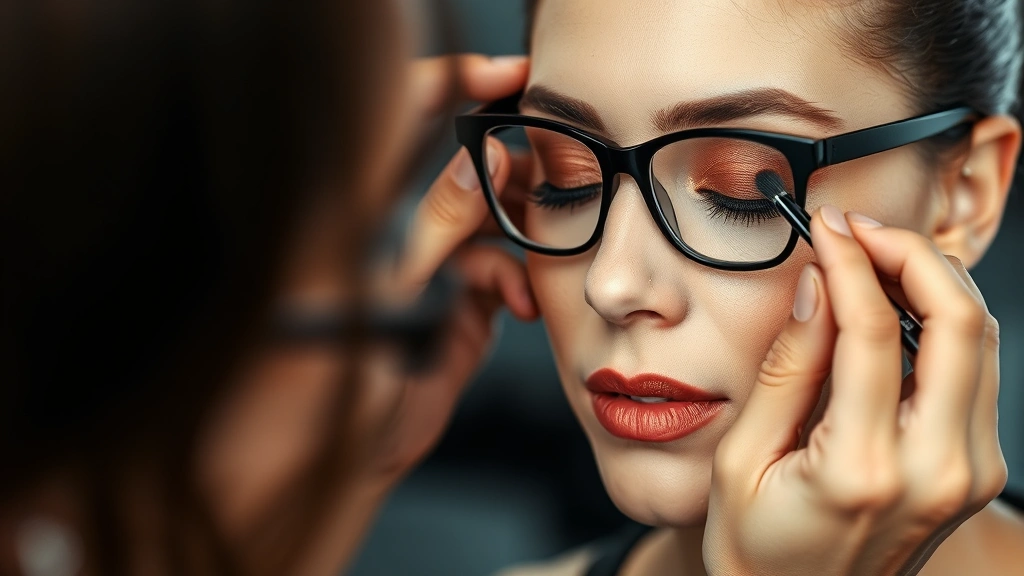
Wearing fashion spectacles for women doesn’t mean sacrificing a flawless makeup look. In fact, glasses can frame your face beautifully when your makeup is applied strategically. Whether you’re rocking trendy cat-eye frames or classic round spectacles, the right makeup techniques can enhance your natural features and make your eyes pop behind the lenses. Many makeup artists and beauty professionals have discovered that glasses-wearing clients actually need a slightly different approach to eyeshadow, eyeliner, and overall face makeup to ensure their look translates beautifully through the frames.
The key to mastering makeup for glasses lies in understanding how lenses magnify, distort, and frame different areas of your face. Your eyes may appear larger or smaller depending on your prescription strength and lens type, which means you’ll want to adjust your makeup application accordingly. This comprehensive guide will walk you through everything you need to know about creating stunning makeup looks that work harmoniously with your fashion spectacles for women, from eyeshadow techniques to foundation application and everything in between.
Understanding How Glasses Affect Makeup Application
Before diving into specific techniques, it’s essential to understand the optical effects of wearing fashion spectacles for women. Prescription lenses create magnification or minification depending on whether you’re nearsighted or farsighted. Positive lenses (for farsightedness) magnify your eyes, making them appear larger and bringing them forward visually. Negative lenses (for nearsightedness) have the opposite effect, making eyes appear smaller and recessed. This optical phenomenon directly impacts how your makeup will look to others and how you should adjust your application.
The frame style also plays a crucial role in makeup planning. Exploring different frame styles can help you understand which makeup techniques will complement your specific glasses. Larger frames will cover more of your eyeshadow, while smaller, minimalist frames allow your entire eye makeup to be visible. Additionally, the color and material of your frames will interact with your makeup colors. Dark frames create contrast that can make lighter eyeshadows pop, while lighter frames require more careful color coordination to avoid washing out your features.
Understanding your personal style preferences alongside your optical needs ensures you create a cohesive, flattering look. The distance between your eyes and the lenses also matters—frames that sit closer to your face will have different visual effects than those that sit further away. Professional makeup artists recommend measuring this distance and adjusting eyeshadow intensity accordingly.
Eye Makeup Techniques for Glasses Wearers
Creating eye makeup that looks stunning through glasses requires specific techniques that differ from standard eyeshadow application. The primary rule is to increase the intensity and definition of your eyeshadow because the lenses will naturally reduce the visual impact of your eye makeup. What looks perfectly subtle on bare eyes may become nearly invisible when viewed through glasses.
Start by applying a quality eyeshadow primer to create a smooth base that will hold your shadows throughout the day. Use slightly more product than you would for non-glasses wearers, and build your shadows with multiple layers rather than one thick application. This creates depth and dimension that translates beautifully through lenses. Focus on creating contrast—pair light and dark shades to create definition that won’t get lost behind your frames.
For the upper eyelid, apply your darkest shadow to the crease and outer corner, blending upward and outward to create lift. This technique works particularly well for glasses wearers because it creates a lifted, awake appearance that remains visible through the lenses. Apply a medium shade to the lid itself, and finish with a highlight shade on the inner corner and brow bone. This three-shade technique ensures your eyes have dimension and interest even when partially obscured by frames.
The lower lash line also deserves special attention. Apply a darker shadow along the lower lash line to define the eye and create the appearance of fuller lashes. This technique is especially important for glasses wearers because it adds definition to the entire eye area without relying solely on the upper lid, which may be partially hidden by frames.
Consider your approach to frame interaction when selecting eyeshadow finishes. Matte shadows provide better definition and won’t reflect light in ways that might clash with your lenses, while shimmer shadows can add glamour but may create unwanted reflections. Experiment with both to see what works best with your specific frame style and prescription strength.
Foundation and Base Makeup Tips
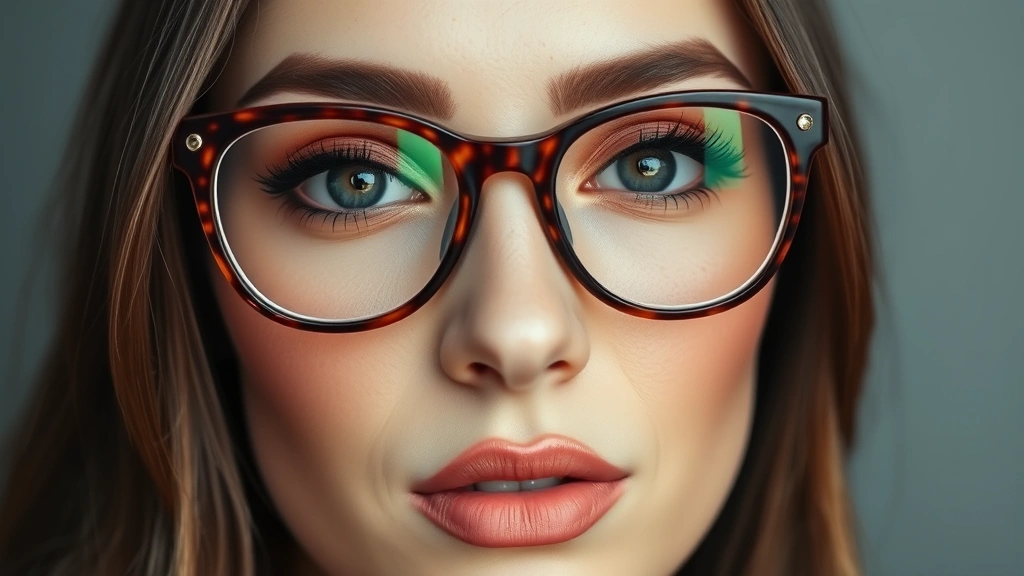
A flawless base is even more critical for glasses wearers because your face will be partially framed and highlighted by your spectacles. The areas around your eyes, nose, and cheeks will be under scrutiny, so investing in a high-quality foundation that matches your skin tone perfectly is essential. Choose a formula that provides medium to full coverage and has a finish that complements your skin type—matte for oily skin, dewy for dry skin, and satin for combination skin.
Apply foundation using a damp beauty sponge or brush, focusing on creating an even base across your entire face. Pay special attention to the bridge of your nose and the areas where your glasses frames will sit, as these areas are prone to showing makeup imperfections. Set your foundation with a translucent powder, but use a light hand to avoid creating a cakey appearance that will be magnified by your lenses.
The under-eye area requires particular attention for glasses wearers. Use a concealer one to two shades lighter than your skin tone to brighten this area, which will make your eyes appear more awake and alert. Blend the concealer carefully with a damp sponge to avoid creating harsh lines that will be visible through your glasses. Set with a finely-milled powder to prevent creasing throughout the day.
Consider using a color-correcting primer if you have any redness or discoloration around your eyes or on your nose bridge—these areas are typically more visible when wearing frames. A green-tinted primer will neutralize redness, while a peachy or salmon-tinted primer works well for deeper skin tones. This extra step ensures your base is flawless and long-lasting.
Eyeliner Strategies That Work With Frames
Eyeliner application for glasses wearers requires a strategic approach because the frames will interact with your liner and potentially change how it appears. The general rule is to skip the waterline eyeliner if you wear glasses, as the lenses will magnify this area and create an unflattering appearance. Instead, focus on lining the upper lash line to define and frame your eyes.
For the upper lash line, use a dark brown, charcoal, or black eyeliner to create definition without appearing too harsh. Liquid eyeliner provides the most precise application, while pencil eyeliner offers a softer, more blended look. Apply the liner as close to the lash line as possible, and consider tightlining (applying liner to the upper waterline from the inside) if you want subtle definition without visible eyeliner.
Create a subtle wing if your frame style allows—avoid dramatic wings that will be cut off or distorted by your frames. Instead, opt for a small, refined wing that extends slightly beyond the outer corner of your eye. This technique adds sophistication without overwhelming your face or clashing with your fashion spectacles for women.
For lower lash line definition, use a dark eyeshadow applied with a small, angled brush rather than eyeliner. This creates a softer, more blended appearance that won’t appear harsh or heavy when magnified by your lenses. Smudge the shadow slightly for a more natural, wearable look that photographs beautifully.
Eyebrow Shaping for Framed Faces
Your eyebrows are incredibly important for glasses wearers because they frame your face in conjunction with your spectacles. Well-groomed, defined eyebrows create a polished appearance and help balance the visual weight of your frames. Start by determining your natural brow shape and enhance it rather than dramatically changing it.
Use a brow pencil or powder to fill in sparse areas and define your arch. Choose a shade that’s one to two shades darker than your natural hair color for definition without appearing harsh. Apply the product with short, hair-like strokes to create a natural appearance. The key is creating a defined, groomed brow that complements your frame style without appearing overdone.
Consider your frame shape when styling your brows. Rectangular frames pair beautifully with straight, defined brows. Round frames benefit from brows with a pronounced arch to add angularity. Cat-eye frames work well with arched brows that echo the upward angle of the frames. Oversized frames require fuller brows to balance the visual weight.
Set your brows with a clear or tinted brow gel to keep them in place throughout the day. This prevents smudging and ensures your brows maintain their shape even if your glasses shift slightly on your nose.
Mascara and Lash Enhancement
Mascara is one of the most important makeup products for glasses wearers because it creates the illusion of larger, more defined eyes that can compete visually with your frames. Invest in a high-quality mascara that lengthens and volumizes without clumping. Apply multiple coats, focusing on the roots of your lashes to create maximum impact.
Use a lash curler before applying mascara to open up your eyes and create a lifted appearance. Curled lashes appear longer and more dramatic, which is especially important when wearing glasses. Heat your lash curler slightly with a blow dryer for extra hold and curl that lasts all day.
Consider using false lashes or lash extensions for special occasions or if you want a more dramatic everyday look. Individual lash clusters or half lashes work beautifully for glasses wearers because they add volume and definition without appearing overly theatrical. Apply them to the outer portions of your lash line for a lifted, flattering effect.
If false lashes aren’t your style, a lash lift and tint treatment provides semi-permanent curling and darkening of your natural lashes. This treatment lasts six to eight weeks and creates the appearance of fuller, more prominent lashes without daily mascara application.
Color Selection for Glasses Wearers
The colors you choose for eyeshadow, eyeliner, and other makeup products should complement both your skin tone and your frame color. Understanding color theory helps you make selections that create harmony between your makeup and your fashion spectacles for women.
For gold or tortoiseshell frames: Warm eyeshadow colors like bronze, copper, warm browns, and golds complement these frames beautifully. Avoid cool-toned shadows that will clash with the warmth of your frames.
For silver or metal frames: Cool-toned shadows like silvers, grays, cool blues, and purples create a cohesive look with metallic frames. These colors create a modern, sophisticated appearance.
For black frames: Black frames are incredibly versatile and work with virtually any eyeshadow color. Bold colors like emerald, burgundy, or deep plum create striking looks, while neutral taupes and browns provide classic elegance.
For colored frames: Match your eyeshadow to complement rather than match your frames. If you’re wearing pink or rose-toned frames, warm peachy and rose gold shadows work beautifully. Blue frames pair well with warm golds and bronzes for complementary contrast.
Remember that your lenses will slightly alter how colors appear, so test your makeup combinations by looking through your glasses in natural lighting before committing to a full face.
Lip and Cheek Makeup Coordination
While your eyes are naturally the focal point when wearing glasses, your lips and cheeks deserve equal attention to create a balanced, cohesive makeup look. Choose lip colors that complement your skin tone and coordinate with your eyeshadow selection.
Lip color selection: If you’re wearing bold, colorful eyeshadow, keep your lips neutral or slightly tinted to avoid overwhelming your face. Conversely, if your eye makeup is neutral and subtle, bold lip colors create a focal point and add personality to your look. Consider your frame color when selecting lip shades—warm frames pair well with warm lip tones, while cool frames work with cool-toned lips.
Cheek color: Apply blush to the apples of your cheeks using a fluffy brush, blending upward toward your temples. Choose blush shades that complement your skin tone and coordinate with your eyeshadow and lip color. Glasses can cast subtle shadows on your cheeks, so using a slightly more pigmented blush ensures your cheeks maintain color and dimension throughout the day.
A subtle highlighter on the high points of your cheekbones, brow bones, and inner corners of your eyes creates dimension and makes your face appear more lifted and awake. This is especially important for glasses wearers because the frames can sometimes create visual heaviness that highlighting helps counteract.
Product Recommendations and Durability
Glasses wearers need makeup products that will withstand the friction of frames resting on their face throughout the day. Choosing long-wearing formulas ensures your makeup stays flawless despite constant contact with your spectacles.
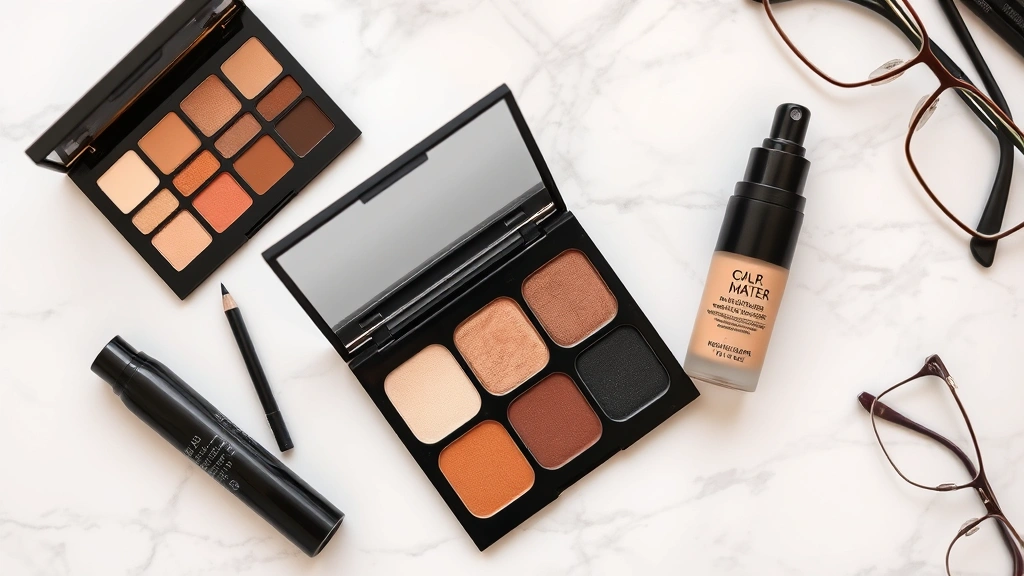
Eyeshadow: Opt for waterproof or long-wearing formulas that resist creasing and fading. Cream shadows work beautifully for glasses wearers because they adhere well to the lid and won’t shift when frames rest on your skin. Powder shadows should be applied over a primer for maximum longevity.
Foundation: Choose long-wearing, transfer-resistant formulas that won’t rub off where your frames contact your skin. Matte or satin finishes tend to last longer than dewy finishes. Set your foundation with a setting spray for extra durability.
Eyeliner and brows: Waterproof formulas are essential for glasses wearers because the frames can create friction that causes smudging. Brow pencils with built-in spoolies help keep product in place throughout the day.
Mascara: Invest in waterproof mascara formulas that won’t flake or smudge. The friction from your glasses frames can cause regular mascara to wear away, so waterproof options provide superior longevity.
Recommended brands: Look for products from professional beauty organizations that recommend long-wearing formulas. Brands like Urban Decay, MAC, and NYX offer excellent makeup options specifically designed for durability and longevity.
FAQ
Should I wear more or less makeup when wearing glasses?
You should wear slightly more makeup when wearing glasses, but with intention and precision. The lenses will reduce the visual impact of subtle makeup, so slightly more intense eyeshadow, eyeliner, and mascara ensure your makeup translates beautifully through your frames. However, avoid overdoing it—the goal is enhancement, not transformation.
What eyeshadow colors work best with glasses?
The best eyeshadow colors depend on your frame color. Warm frames pair with warm shadows like bronze and gold. Cool frames work with cool shadows like silver and blue. Black frames are versatile and work with virtually any color. Choose shades that create contrast and definition rather than blending into your skin tone.
Can I wear winged eyeliner with glasses?
Yes, but keep wings subtle and refined. Dramatic wings will be cut off or distorted by your frames. A small, delicate wing that extends slightly beyond your outer corner works beautifully and adds sophistication without clashing with your spectacles.
How do I prevent my makeup from rubbing off where my glasses sit?
Use long-wearing, waterproof formulas and set your makeup with a setting spray. Avoid overly dewy products that transfer easily. The friction from frames can cause makeup to wear away, so durability is key. Check your makeup throughout the day and touch up as needed.
Should I get my eyebrows done differently if I wear glasses?
Your eyebrows should complement your frame shape. Consider your brow arch in relation to your frame style—rectangular frames pair well with straight brows, while round frames benefit from pronounced arches. Work with a professional brow specialist who understands how frames affect brow appearance.
What’s the best mascara for glasses wearers?
Waterproof mascara formulas with lengthening and volumizing benefits work best for glasses wearers. Apply multiple coats and curl your lashes before applying mascara for maximum impact. Consider false lash clusters for special occasions to create extra definition.
How do I choose foundation shade if glasses affect how I see my skin?
Test foundation shades in natural daylight on your jawline, not your face, and view the match both with and without your glasses. The lenses can slightly alter color perception, so testing in different lighting ensures you select the perfect match that looks accurate through your frames and in person.

Related Posts

Perfect Old Fashioned Donut: Baker’s Secrets

Old Fashioned Chocolate Pie Recipe? Chef’s Favorite