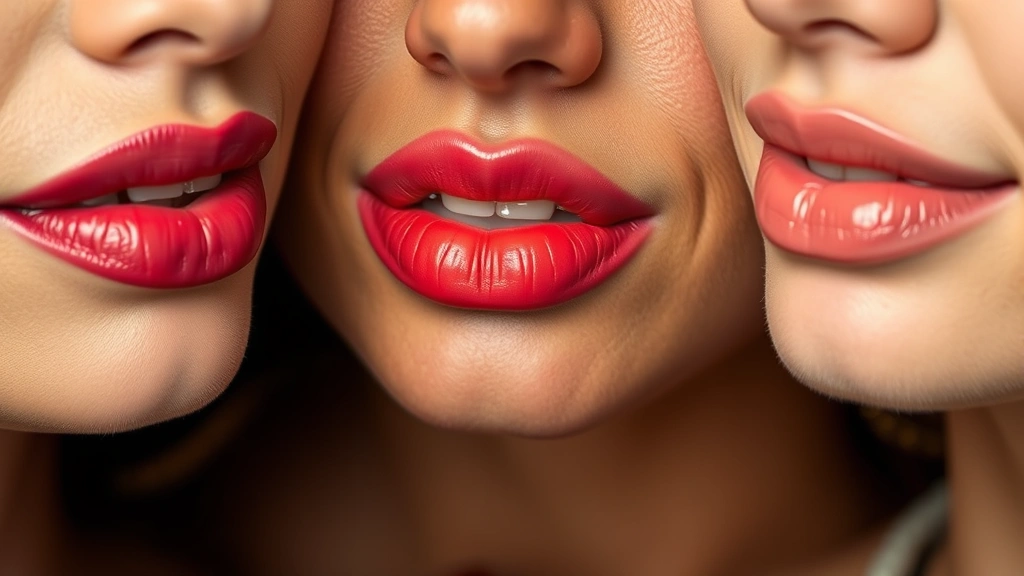
Best Lipstick Shades? Expert Picks Inside
Best Lipstick Shades? Expert Picks Inside
Finding the perfect lipstick shade is more than just grabbing whatever looks pretty on the shelf. It’s about understanding your skin tone, personal style, and the occasions you’re dressing for. Whether you’re channeling timeless elegance or making a bold statement, the right lipstick can transform your entire look and boost your confidence. As fashion icon Coco Chanel once said, “Fashion is not something that exists in dresses only. Fashion is in the sky, in the street, fashion has to do with ideas, the way we live, what is happening,” and that philosophy extends beautifully to makeup choices. Your lipstick shade tells a story about who you are and how you want to present yourself to the world.
In this comprehensive guide, we’ll explore the most flattering lipstick shades for every skin tone, undertone, and personality type. You’ll discover expert recommendations from leading makeup artists and dermatologists, learn application techniques that maximize impact, and understand the science behind why certain colors work better for certain people. We’ll also dive into sustainable beauty options and how your makeup choices connect to broader environmental and society considerations.
Understanding Your Undertone
Before selecting your ideal lipstick shade, you need to determine your skin’s undertone. This is the subtle hue beneath your skin’s surface that influences which colors will make you look radiant versus washed out. There are three primary undertone categories: cool, warm, and neutral. Understanding this fundamental aspect of your coloring is the foundation for exploring makeup recommendations that will truly enhance your natural beauty.
Cool undertones typically have pink, red, or bluish hues. If you have cool undertones, you might notice that silver jewelry looks better on you than gold, and your veins appear more blue or purple. Warm undertones lean toward golden, peachy, or yellow hues, and gold jewelry usually flatters you more. Neutral undertones are a balanced mix of both cool and warm, giving you flexibility in color choices.
To determine your undertone, examine the veins on your wrist in natural light. Blue or purple veins indicate cool undertones, green veins suggest warm undertones, and a mix of both suggests neutral undertones. Another method involves testing how you look in gold versus silver clothing—whichever metal makes your skin glow is your undertone’s best friend.
Best Shades for Cool Undertones
If you have cool undertones, jewel tones and cool-based shades will make your lips pop beautifully. Berry shades are absolutely gorgeous on cool skin tones—think deep plums, cool reds with blue undertones, and magentas. According to Allure magazine’s beauty experts, berry lipsticks create a sophisticated, timeless look that works from office meetings to evening events.
Cool pinks are another excellent choice, particularly those leaning toward rose or fuchsia rather than peachy pink. Dusty rose and mauve shades offer a softer, more romantic aesthetic while still maintaining that cool-toned sophistication. Deep burgundies and wine shades are perfect for fall and winter, creating a luxurious, dramatic effect.
For those who love bold statements, cool-toned reds are your best friend. Look for reds with blue undertones rather than orange undertones—think classic blue-based reds that evoke old Hollywood glamour. Even nude shades work beautifully on cool undertones when you choose ones with pink or mauve bases rather than warm beige.
Many makeup artists recommend testing lipsticks on your inner arm or jawline rather than your hand, as these areas better reflect your actual complexion. Cool undertones often look stunning in shades inspired by the natural environments we admire—deep forest berries, cool jewel tones, and rich mineral-inspired hues.
Best Shades for Warm Undertones
Warm undertones absolutely glow in earthy, golden-based lipstick shades. Coral, peach, and warm orange tones are incredibly flattering, bringing out the warmth in your complexion and creating a sun-kissed, vibrant appearance. According to Vogue’s beauty guide, warm-toned individuals should embrace peachy nudes and coral reds for everyday wear.
Warm reds with orange or golden undertones create a stunning, confident look. Think classic red lipstick shades that celebrities with warm undertones are famous for wearing. Terracotta, rust, and warm bronze shades offer an earthy, natural aesthetic that enhances warm complexions beautifully.
For warm undertones, golden nudes and warm beiges are perfect for creating a polished, professional look. Caramel, bronze, and warm brown tones offer sophistication without being too bold. During fall and winter, warm undertones shine in burnt orange, warm burgundy, and rich copper shades.
Warm undertones pair beautifully with shades inspired by natural materials and earth elements. Warm lipsticks often complement how humans interact with natural environments, evoking warmth and connection to natural beauty. Golden metallics and warm bronze finishes add glamour while maintaining that cozy, warm aesthetic.
Best Shades for Neutral Undertones
The beautiful advantage of neutral undertones is versatility—you can wear almost any lipstick shade and look stunning. This flexibility means you can experiment with both cool and warm tones, allowing for maximum creative expression. Neutral undertones are like a blank canvas for makeup artistry.
True reds work beautifully on neutral undertones, whether you choose blue-based or orange-based varieties. Both warm corals and cool berries are equally flattering, giving you freedom to choose based on occasion, mood, or season. Nude shades in both warm and cool variations complement neutral undertones equally well.
Neutral undertones can pull off trendy shades like terracotta, dusty rose, mauve, and even unconventional colors like plum, wine, or even subtle burgundy. This flexibility makes neutral undertones ideal for experimenting with seasonal trends and trying new looks without worrying about undertone compatibility.
The key for neutral undertones is focusing on depth and finish rather than undertone. A matte finish might feel different than a glossy finish, and the saturation of the color matters more than whether it’s warm or cool. This adaptability is perfect for building a diverse lipstick collection that reflects your evolving style preferences.
Seasonal Lipstick Trends
Lipstick preferences naturally shift with the seasons, and professional makeup artists recommend adjusting your shades accordingly. Spring calls for fresh, light shades—think baby pinks, light corals, and soft nudes that echo the season’s renewal. These lighter shades feel airy and youthful, perfect for warmer weather and brighter clothing.
Summer is ideal for bold, vibrant lipsticks. Bright corals, hot pinks, and sunny reds feel appropriate and energizing during the warmest months. Summer lipsticks should feel fun and playful, reflecting the season’s carefree energy. Glossy finishes work particularly well in summer, adding shine and vibrancy.
Fall demands richer, deeper tones. Burgundy, wine, burnt orange, and warm reds become the stars of the season. These shades complement fall fashion beautifully and feel sophisticated and grounded. Matte finishes often feel more appropriate during fall and winter months.
Winter is perfect for classic, timeless shades and bold statements. Deep berries, cool reds, rich burgundies, and even unconventional shades like deep plum or dark mauve feel appropriate and luxurious. Winter allows for experimentation with metallic finishes and statement-making shades that might feel too dramatic in other seasons.
Application Techniques for Perfect Results
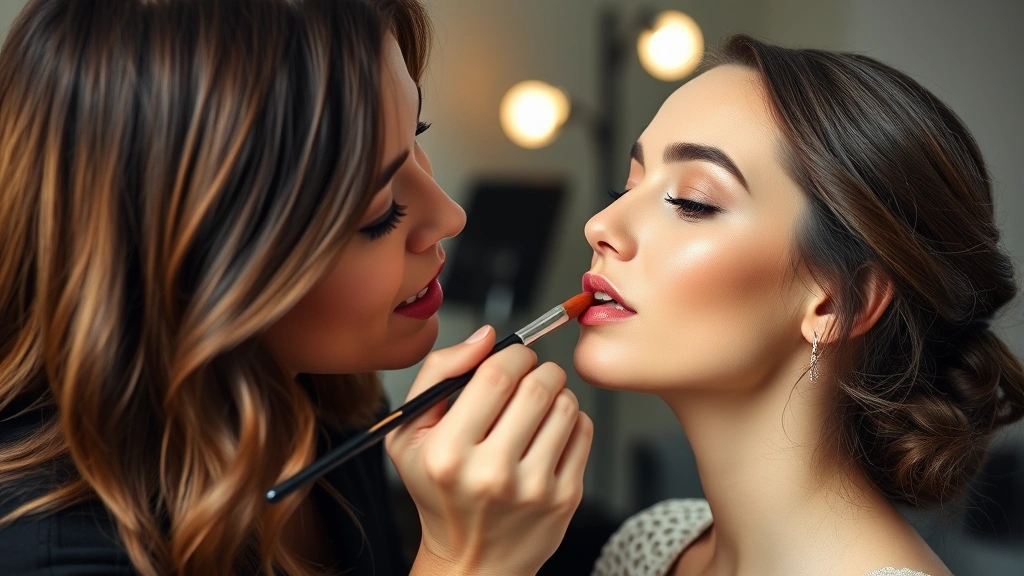
Even the perfect lipstick shade requires proper application technique to look its absolute best. Begin by preparing your lips—exfoliate gently to remove dead skin and apply a hydrating lip balm. Wait a few minutes for the balm to set before applying lipstick, as this creates a smooth base and prevents the color from looking patchy.
Using a lip liner in a matching shade is essential for precision and longevity. Apply the liner slightly outside your natural lip line if you want to create the illusion of fuller lips, or follow your natural line for a more subtle look. The lip liner prevents feathering and extends the wear time of your lipstick significantly.
Apply lipstick directly from the tube or use a lip brush for more control. Start from the center of your lips and work outward, following your lip liner. For a more polished look, apply lipstick, blot with a tissue, and apply a second layer. This technique creates better color payoff and longer wear time.
Consider using a lip primer before application, especially if you have dry lips or plan to wear your lipstick for extended periods. Primers create a barrier between your lips and the lipstick, improving adherence and preventing the color from settling into fine lines. Many makeup artists recommend this step for professional-looking results.
For matte lipsticks, set with a translucent powder applied with a small brush to create a truly long-lasting finish. For glossy or satin finishes, skip the powder to maintain the luminous quality. Understanding your lipstick’s finish helps you apply it correctly for maximum impact and longevity.
Sustainable Lipstick Choices
As beauty consumers become more conscious of environmental impact, sustainable lipstick options are expanding rapidly. Many brands now offer lipsticks in refillable packaging, reducing waste significantly. Choosing sustainable beauty options reflects awareness of environmental impact and supports brands committed to responsible production.
Look for lipsticks made with natural, organic ingredients that minimize synthetic chemicals. Brands using plant-based waxes, natural pigments, and sustainable sourcing practices are increasingly available at reasonable price points. These options often perform beautifully while aligning with environmentally conscious values.
Vegan and cruelty-free lipsticks have become mainstream, with excellent performance and shade ranges rivaling conventional brands. According to Leaping Bunny certification standards, many major beauty brands now offer cruelty-free options. Supporting these brands encourages the entire industry toward more ethical practices.
Consider purchasing from indie beauty brands that prioritize sustainability and ethical production. These smaller companies often have lower environmental footprints and more transparent supply chains. Supporting indie brands also fosters innovation in sustainable beauty formulation and packaging solutions.
Investing in quality lipsticks that last longer reduces overall consumption and waste. A premium lipstick that lasts months creates less environmental impact than cheaper alternatives requiring frequent replacement. This approach to conscious consumption benefits both your wallet and the planet.
FAQ
How do I choose a lipstick shade if I have very dark skin?
Dark skin tones can wear virtually any lipstick shade beautifully. Jewel tones like deep plums, rich burgundies, and bright reds are stunning. Cool-toned shades like berry and mauve look luxurious, while warm shades like burnt orange and rust are equally gorgeous. The key is choosing shades with enough saturation and depth to show up clearly against your complexion. Don’t shy away from bold, unconventional colors—they often look most striking on darker skin tones.
What’s the best lipstick shade for fair skin?
Fair skin tones have beautiful flexibility with lipstick colors. Cool-toned individuals look stunning in berries, cool pinks, and blue-based reds. Warm-toned fair skin glows in corals, warm pinks, and warm reds. Nude shades work beautifully on fair skin, particularly in cool or warm variations matching your undertone. Fair skin can also beautifully carry unconventional shades like plum, mauve, or even dusty rose. Test shades in natural light to see what complements your specific complexion.
Can I wear bright red lipstick if I have medium skin tone?
Absolutely! Medium skin tones look fantastic in bright red lipstick. The key is choosing a red that matches your undertone—blue-based reds for cool undertones, orange-based reds for warm undertones. Medium skin tones have the advantage of being able to wear both cool and warm variations beautifully. Bright red is a classic choice that flatters most medium complexions when the undertone is considered.
How long should lipstick last throughout the day?
Quality lipstick should last 4-8 hours depending on the formula and your activities. Matte formulas typically last longer than glossy or satin finishes. Eating, drinking, and talking all reduce wear time. Using a lip liner and primer extends longevity significantly. If you need your lipstick to last all day, choose long-wear formulas, apply with a primer and liner, and keep a small touch-up in your bag for midday application.
What’s the difference between matte, satin, and glossy finishes?
Matte finishes have no shine and provide maximum color payoff with the longest wear time. They can feel drying on lips, so lip balm underneath is essential. Satin finishes offer a slight sheen with good color payoff and moderate wear time. Glossy finishes are shiny and luminous with the shortest wear time but feel moisturizing and create a plumped appearance. Choose based on your preference for shine and how long you need the color to last.
How do I prevent lipstick from feathering?
Feathering occurs when lipstick bleeds beyond the lip line. Prevent this by using a matching lip liner applied carefully along your natural lip line. Keep your lips well-moisturized, as dry lips are more prone to feathering. Set your lipstick with a translucent powder for additional security. Some people find that matte formulas feather less than glossy formulas. Blotting your lipstick between layers also helps contain the color.
What lipstick shades work best for professional settings?
For professional environments, choose classic, sophisticated shades that aren’t too bold or distracting. Nude shades, soft pinks, warm reds, and berry tones all work beautifully in professional settings. Avoid extremely bright or unconventional colors unless your workplace culture is particularly creative. Matte or satin finishes feel more professional than glossy finishes. Consider your industry—creative fields may embrace bolder choices while conservative industries favor classic, neutral shades.

Related Posts

Perfect Old Fashioned Donut: Baker’s Secrets
Old Fashioned Chocolate Pie Recipe? Chef’s Favorite