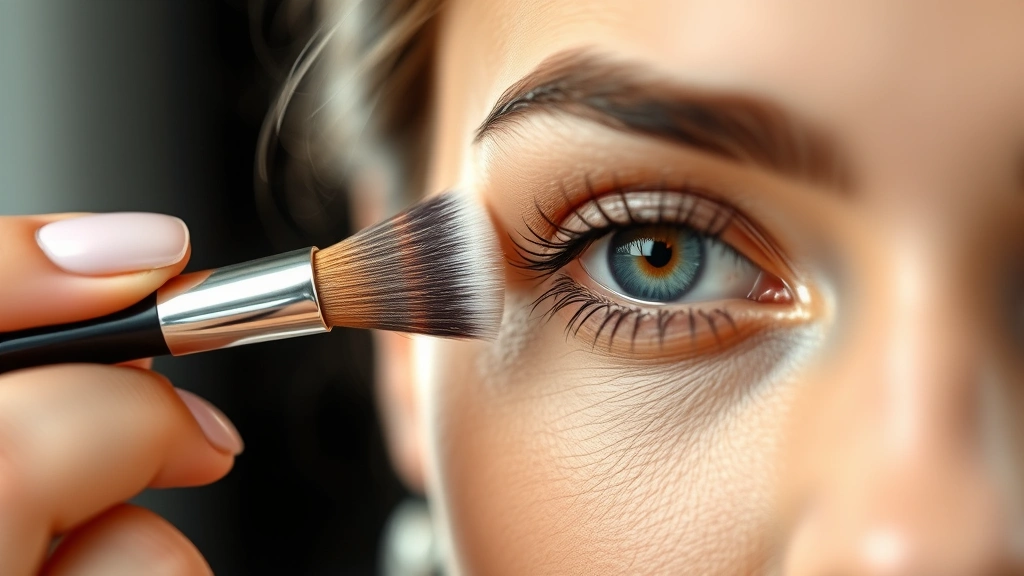
Best Concealer for Dark Circles? Derms Weigh In
Best Concealer for Dark Circles? Dermatologists Weigh In
Dark circles under the eyes are one of the most common beauty concerns, affecting people across all skin tones and ages. Whether you’re dealing with stubborn shadows from late nights, genetics, or aging skin, finding the right concealer can be transformative. We consulted with leading dermatologists and makeup artists to break down exactly what works, why it works, and how to apply it for flawless results that last all day.
The key to concealing dark circles effectively isn’t just about coverage—it’s about understanding your specific concerns, choosing the right formula, and mastering application techniques. In this comprehensive guide, we’ll explore everything from color theory to product recommendations that dermatologists actually trust.

Why Dark Circles Happen
Understanding the root cause of your dark circles is essential for choosing the best concealer strategy. Dark circles aren’t just cosmetic issues—they often signal underlying factors that dermatologists consider when recommending solutions.
Genetics and Heredity: The most common cause of dark circles is simple genetics. If your parents have prominent under-eye shadows, you likely will too. This is because some people naturally have thinner skin under the eyes, making blood vessels more visible. The pigmentation in this delicate area can also be naturally deeper for certain individuals.
Sleep Deprivation: When you don’t get enough sleep, blood vessels dilate and become more prominent, creating that dark, puffy appearance. Additionally, lack of sleep reduces collagen production, making the under-eye area appear more hollow and shadowed.
Aging and Loss of Volume: As we age, the under-eye area loses fat and collagen, creating hollows that cast shadows. This is why dark circles often become more pronounced with time. The skin also becomes thinner, making blood vessels even more visible.
Allergies and Inflammation: According to research from the American Academy of Dermatology, allergies cause blood vessels to dilate and become inflamed, intensifying dark circles. Seasonal allergies, food sensitivities, and chronic conditions can all contribute to under-eye darkness.
Lifestyle Factors: Dehydration, excessive sun exposure, smoking, and poor nutrition all accelerate skin aging and can worsen dark circles. These factors reduce skin elasticity and increase visible vascularization.

Understanding Concealer Formulas
Not all concealers are created equal, especially when it comes to the delicate under-eye area. Dermatologists emphasize that formula choice is just as important as shade selection.
Liquid Concealers: These offer buildable coverage and blend seamlessly with the skin. They’re excellent for those with dry under-eye areas because they provide hydration. However, they may not offer enough coverage for severe dark circles without layering. Liquid formulas typically contain more moisturizing ingredients, making them ideal if you’re concerned about creasing or emphasizing fine lines.
Cream Concealers: Cream formulas offer medium to full coverage with a thicker consistency. They’re perfect for mature skin or anyone dealing with significant hollowing. The creamy texture helps fill in lines and provides a smooth canvas. Many dermatologists recommend cream concealers for their staying power and nourishing ingredients.
Stick Concealers: These provide full coverage in a convenient, portable format. They’re great for touch-ups throughout the day and work well for those with oily or combination skin. The downside is they can sometimes feel heavy or dry out the under-eye area if not paired with proper sustainable beauty practices that prioritize skin health.
Powder Concealers: These offer the most coverage but require careful application to avoid looking cakey. They’re best for oily skin types and should be set with powder for longevity. However, dermatologists often caution against powder formulas for mature skin, as they can emphasize texture and fine lines.
The best formula depends on your skin type, the severity of your dark circles, and your climate. Those in humid environments might prefer powder or stick formulas, while those in dry climates should lean toward liquid or cream options.
Color Correction Essentials
Before applying concealer, color correction can make an enormous difference in how well your concealer performs. This step is often overlooked but highly recommended by makeup artists and dermatologists alike.
Understanding Undertones: Dark circles typically have blue, purple, or brown undertones depending on your skin tone and the cause. Blue and purple tones are usually from visible blood vessels and require warm-toned correctors. Brown undertones need lighter, peachy correctors to neutralize.
Peach and Orange Correctors: For deeper skin tones, peach and orange correctors work best to neutralize blue and purple undertones. These warm shades counteract cool-toned darkness effectively. Apply in thin layers, patting gently with your ring finger to avoid disturbing the delicate skin.
Pink and Red Correctors: For lighter and medium skin tones, pink correctors neutralize blue undertones beautifully. Red-toned correctors work well for those with cooler skin tones. The key is using just enough to neutralize without adding too much product.
Yellow Correctors: Yellow correctors are excellent for neutralizing any remaining purple tones after using your primary corrector. They also help brighten the overall appearance and work across most skin tones.
Apply color corrector sparingly—a tiny amount goes a long way on the delicate under-eye area. Pat it in gently and allow it to set for a few seconds before applying your concealer on top. This layering technique ensures maximum coverage and longevity.
Top Dermatologist-Recommended Products
We consulted with dermatologists specializing in cosmetic dermatology to identify the best concealers currently available. These recommendations balance efficacy, safety, and long-term skin health.
Hydrating Formulas for Dry Skin: Dermatologists consistently recommend concealers with hyaluronic acid, glycerin, and peptides for those with dry under-eye skin. These ingredients provide hydration while offering coverage. Look for formulas that won’t emphasize fine lines or cause creasing throughout the day. Many premium brands now offer concealers specifically formulated for the under-eye area with enhanced moisturizing complexes.
Long-Wearing Options: For those who need coverage that lasts through a full workday or special event, dermatologists suggest long-wear formulas with silicone bases. These adhere well to the skin and resist fading, but should always be removed with a proper makeup remover at night to prevent skin damage.
Full-Coverage Concealers: When dark circles are severe, full-coverage formulas are necessary. Dermatologists note that these often contain more pigment and binding agents, making proper application and removal crucial. These work best when applied in thin, layered coats rather than one thick application.
Sensitive Skin Formulas: For those with reactive or sensitive skin, dermatologists recommend fragrance-free, hypoallergenic concealers. These typically exclude common irritants like essential oils, dyes, and synthetic fragrances. Testing on a small area first is always advised.
Application Techniques That Work
Even the best concealer won’t perform well without proper application technique. Dermatologists and professional makeup artists emphasize that method matters as much as product choice.
Prepare Your Canvas: Start with a well-moisturized under-eye area. Apply eye cream and allow it to set for a minute before proceeding. This ensures your concealer applies smoothly and doesn’t emphasize dry patches. Hydrated skin also helps concealer blend more seamlessly and last longer throughout the day.
Prime if Necessary: For those with very oily skin or those using long-wear formulas, a primer designed for the eye area can help with longevity. However, dermatologists caution against using too many products, as this can irritate the delicate skin. Choose a lightweight primer that won’t add unnecessary layers.
Apply in Thin Layers: Rather than applying one thick coat, use multiple thin layers. This prevents creasing, looks more natural, and actually provides better coverage. Pat gently with your ring finger (which applies the least pressure) or a damp beauty sponge. Build coverage gradually until you achieve your desired result.
Shape Your Application: Don’t just apply concealer directly under the eye. Instead, use an inverted triangle shape, applying concealer from the inner corner down toward the cheekbone. This technique brightens the entire under-eye area and provides subtle lift. Some makeup artists also recommend applying a touch to the inner corner of the eye to create a brightening effect.
Blend Carefully: Blend your concealer gently into the surrounding skin, feathering the edges so there’s no harsh line. Use a damp beauty sponge or your finger to blend. The goal is seamless integration with your foundation and base.
Set Strategically: Use a finely-milled translucent powder to set your concealer, but apply sparingly. Too much powder can create a cakey appearance and emphasize texture. Many dermatologists recommend using a light hand or skipping powder entirely if your concealer has good staying power.
Prevention and Long-Term Solutions
While concealer is an excellent temporary solution, addressing the root causes of dark circles provides long-term benefits. Dermatologists emphasize that prevention and treatment go hand in hand.
Sleep Optimization: Prioritize 7-9 hours of quality sleep nightly. During sleep, your body increases blood flow to the skin and rebuilds collagen. Proper sleep also reduces inflammation and puffiness. If you struggle with sleep, implementing better sleep hygiene can significantly improve the appearance of dark circles within weeks.
Skincare Routine: Incorporate retinol, vitamin C, and caffeine-based products into your routine. These ingredients improve skin thickness, boost collagen production, and reduce puffiness. Apply these treatments consistently for 4-12 weeks to see noticeable improvement. Many dermatologists recommend starting with lower concentrations and gradually increasing strength.
Sun Protection: UV damage accelerates skin aging and worsens dark circles. Use a broad-spectrum SPF 30 or higher daily, even on cloudy days. The delicate under-eye area is particularly vulnerable to sun damage, so sunscreen here is non-negotiable. Consider using a dedicated eye sunscreen for added protection.
Allergy Management: If allergies contribute to your dark circles, work with your dermatologist to manage them effectively. Antihistamines, nasal sprays, or allergy testing might be necessary. Reducing inflammation through allergy management often noticeably improves dark circles.
Professional Treatments: Dermatologists offer several professional options for treating dark circles, including laser therapy, chemical peels, and dermal fillers. The American Academy of Dermatology provides detailed information on these options. These treatments address underlying causes like volume loss and vascular issues that concealer alone cannot fix.
Hydration and Nutrition: Drinking adequate water and maintaining a nutrient-rich diet supports skin health from within. Foods rich in antioxidants, omega-3 fatty acids, and vitamins help reduce inflammation and support collagen production. Consider consulting a nutritionist if your diet lacks key skin-supporting nutrients.
FAQ
What’s the best concealer for severe dark circles?
Full-coverage cream or stick concealers typically work best for severe dark circles. Layer with a color corrector first to neutralize undertones, then apply concealer in thin, buildable layers. Dermatologists recommend testing products on a small area first, as full-coverage formulas can sometimes irritate sensitive skin.
Should I use concealer or foundation under my eyes?
Concealer is specifically formulated for the delicate under-eye area and provides better coverage than foundation. Foundation is too heavy for this sensitive zone and can emphasize lines and creases. Always use concealer under your eyes, then blend your foundation around it for a seamless finish.
How do I prevent my concealer from creasing?
Apply concealer in thin layers rather than one thick coat. Use a hydrating primer and moisturizer beforehand. Set with a light hand using translucent powder, or skip powder entirely if your concealer has good longevity. Avoid tugging or rubbing the area throughout the day, as this causes creasing.
Can concealer cause dark circles to worsen?
Poor removal practices can damage the delicate under-eye skin, potentially worsening dark circles over time. Always use a gentle makeup remover and never pull or tug when cleansing. Additionally, choosing the wrong formula for your skin type can sometimes irritate the area. Dermatologists recommend patch testing new products before full application.
How often should I replace my concealer?
Liquid and cream concealers typically last 12-18 months, while stick and powder formulas last up to 2 years. Once a product separates, smells off, or causes irritation, it’s time to replace it. Proper storage in a cool, dry place extends product lifespan.
Are there natural alternatives to concealer for dark circles?
While natural products like cucumber or green tea can temporarily reduce puffiness, they won’t provide coverage for dark circles. However, incorporating natural ingredients into your skincare routine—like those found in organic foods and sustainable beauty practices—supports long-term skin health and can reduce dark circles over time.
What skin tone should my concealer be?
Your concealer should match your skin tone exactly or be one shade lighter. Concealer that’s too dark creates shadows, while concealer that’s too light appears ashy or chalky. Test on your jawline in natural light before purchasing. Remember that concealer shade often differs from your foundation shade.

Related Posts

Perfect Old Fashioned Donut: Baker’s Secrets

Old Fashioned Chocolate Pie Recipe? Chef’s Favorite